Our pick. Solo Stove
Check price →Solo Stove Pi vs Solo Stove Pi Prime (2026): Which Should You Buy?
Same clean circular 12-inch Solo Stove design, two very different fuels. The Pi is the original multi-fuel oven, real wood-fired flavor and live fire, an optional gas burner for flexibility, and a hotter ~950°F bake, at $424. The Pi Prime is the gas-only simplicity play: one push-button dial, no ash, the easiest way in, but it tops out ~850°F and has no wood option, for ~$400. The two are now only about $24 apart, which changes the value argument a lot. We run both on our signature spine and tell you which Solo Stove is yours.
By The Pizza Oven Review DeskUpdated 2026-06-29~9 min readRanked on verified floor heatHow we research
We earn a commission on purchases through our links, at no cost to you. It never decides a ranking. How this works
Our top pick.Best for Wood Flavor, Flexibility & Heat
Solo Stove Pi- Price.
- ~$424
- Our rating.
- 4.5 out of 5
The original multi-fuel Pi, real wood-fired flavor, an optional gas burner for flexibility, and a hotter ~950°F bake.
Not sure yet? Compare all 2 picks below ↓
If you've decided on Solo Stove, this is the real question: the original Pi or the gas-only Pi Prime? They look like twins, the same round, sculptural, fire-pit-pretty shell and the same 12-inch cordierite stone, so it's easy to assume the cheaper one is just the smaller deal. It isn't. The difference is fuel, and fuel changes everything about how the oven cooks and how you live with it. The Pi is multi-fuel: it burns wood for genuine live-fire flavor, with an optional gas burner you can add for flexibility, and it reaches the ~950°F our verified database records. The Pi Prime drops the wood entirely, runs on a single propane burner you turn with one dial, and tops out around ~850°F, for about $24 less.
We anchor this the way we anchor every comparison: the same objective spine, applied to both. Peak floor temperature, membership in the 60-Second-Pizza Club, and heat recovery between bakes. And unlike some sibling matchups, here the spine actually separates them. The Pi runs ~100°F hotter (~950°F vs ~850°F), a real gap you can taste, not a rounding error, which lets it bake the leopard-spotted 60-second Neapolitan comfortably, where the Pi Prime is more honestly a ~90-second oven. Recovery flips the other way: the Pi Prime's gas flame reloads the stone instantly between pies, while the Pi on wood asks you to tend the fire to hold temperature. So this is a genuine fork, not a good-better-best ladder.
A word on how this page is paid for, because independence is the whole point: no brand sponsored this comparison, Solo Stove didn't know we were writing it, and nobody bought a placement or a ranking. The Pi Prime links to Amazon and the Pi links to Solo Stove's own store (it isn't sold on Amazon); if you buy through those links we may earn a commission at no extra cost to you, that never moves a rating or a verdict. Every price, temperature, weight, and size we cite comes from manufacturer-verified specs in our oven database, not marketing copy. We picked these two because once a buyer lands on Solo Stove, the wood-versus-gas decision is the one that actually matters: pay ~$424 for the hotter, more versatile multi-fuel Pi, or ~$400 for the simpler, cooler, push-button Pi Prime. At roughly $24 apart, this is now almost purely a question of how you want to cook rather than what you want to spend.
The short version.
- Which should you buy? If you want real wood-fired flavor, fuel flexibility, and the hotter bake, the Pi. If you want gas convenience and the easiest everyday pizza, the Pi Prime, but know that it now saves you only about $24.
- The heat gap is real, not a rounding error: ~950°F (Pi) vs ~850°F (Pi Prime), about ~100°F. The Pi is a comfortable 60-Second-Pizza Club member; the Pi Prime is more honestly a ~90-second oven.
- Fuel is the whole story: the Pi burns wood for live-fire flavor (with an optional gas burner for flexibility); the Pi Prime is gas-only, one push-button dial, no ash, no fire to manage.
- Heat recovery flips it: the Pi Prime's gas flame reloads the stone instantly between pies; the Pi on wood needs tending to hold temperature for a crowd.
- Price gap is now only about $24: ~$424 (Pi) vs ~$400 (Pi Prime), so money barely separates them. Same round 12-inch Solo Stove design and nearly the same weight (30.5 vs 30.8 lb), the choice is fuel, heat, and convenience, not size or price.
At a glance.
| Spec | Solo Stove Pi | Solo Stove Pi Prime | Check price |
|---|---|---|---|
| Fuel | Multi-fuel (wood + optional gas burner) | Gas (single propane burner) | Check price |
| Peak floor temp | ~950°F | ~850°F | |
| Max pizza size | 12 in | 12 in | |
| Weight | 30.5 lb | 30.8 lb | |
| Heat recovery | Wood needs tending; gas burner instant | Instant, single gas burner | |
| Price (MSRP) | ~$424 | ~$400 | |
| Best for | Wood flavor, flexibility, hotter bake | Gas convenience, instant recovery, easy everyday pizza |
Solo Stove's two circular siblings, head to head, specs verified against our oven database (docs/verified-ovens.json) in June 2026. Same 12-inch design; the real split is fuel, peak heat, and how you tend the fire.
Solo Stove Pi
Solo Stove
The original multi-fuel Pi, real wood-fired flavor, an optional gas burner for flexibility, and a hotter ~950°F bake.
Our verdict: The Pi is the pick when flavor, flexibility, and heat lead. It burns wood for genuine live-fire taste you cannot get from a gas burner, it hits ~950°F, about ~100°F hotter than the Pi Prime, so it bakes a true leopard-spotted 60-second Neapolitan, and an optional gas burner lets you switch to push-button convenience when you want it. The cost is only about $24 more, plus a more hands-on cook: wood means tending the fire and emptying ash. At that small a gap, the Pi is easy to justify unless you actively want gas simplicity.
On paper. Manufacturer-verified peak floor temperature of ~950°F on wood, a comfortable 60-Second-Pizza Club member, a full ~100°F above the gas-only Pi Prime's ~850°F.
The Pi is the original, and against the Pi Prime its advantages are flavor, heat, and flexibility. The Solo Stove Pi burns wood, the one thing a gas-only oven simply cannot do, which gives the crust the faint smoke and live-fire character that purists chase, and it reaches the ~950°F peak our database records for the hot end of the portable field. That heat puts it comfortably in the 60-Second-Pizza Club: launch a well-stretched 12-inch pie and you're pulling a hard-charred, leopard-spotted Neapolitan in about a minute. And because it's multi-fuel, you're not locked in, an optional gas burner bolts on when you'd rather skip the fire and just turn a dial.
The honest cost of all that is effort. Wood means sourcing fuel, feeding the fire to hold temperature, and emptying ash afterward, and on wood, heat recovery between back-to-back pies depends on how well you tend the flame, where the Pi Prime's gas burner is simply instant. The Pi rewards a cook who enjoys the fire as part of the ritual; it asks more of one who just wants dinner. If wood flavor, the hotter bake, and the freedom to add gas later are what you're after, the Pi is the more capable, more authentic oven of the two.
Who should buy it.
Buy the Pi if flavor, heat, and flexibility lead, you want genuine wood-fired character, you're chasing the hard, leopard-spotted 60-second Neapolitan that ~950°F makes possible, and you like the idea of an optional gas burner so you're never locked into one fuel. The roughly $24 premium and the hands-on tending read as worth it for the cook who treats the fire as part of the fun and wants the more versatile, more authentic oven. It's the right pick for flavor-first home bakers and anyone who wants room to grow into wood.
What we don't like.
Wood is real work: you source fuel, tend the fire to hold temperature, and empty ash afterward. Heat recovery between back-to-back pies depends on how well you keep the wood fed, it isn't the instant, never-stops reload of a gas burner unless you add the optional gas kit. For a buyer who just wants the easiest possible weeknight pizza, that effort is the honest cost of the wood flavor and the hotter bake.
- Fuel
- Multi-fuel (wood + optional gas burner)
- Peak temp
- ~950°F (manufacturer-verified)
- Max pizza size
- 12 in
- Weight
- 30.5 lb
- Price
- ~$424
What we like.
- Real wood-fired flavor, live-fire character a gas oven can't match
- Hotter ~950°F peak, comfortable 60-Second-Pizza Club member
- Multi-fuel flexibility, add an optional gas burner when you want ease
- ~100°F hotter than the Pi Prime for a true leopard-spotted bake
Worth noting.
- About $24 more than the Pi Prime
- Wood means tending the fire and emptying ash, more hands-on
- Heat recovery on wood depends on your fire-tending, not instant like gas

Solo Stove Pi Prime
Solo Stove
The gas-only Pi Prime, one push-button dial, no ash, the easiest way into a real 90-second Neapolitan.
Our verdict: The Pi Prime is the pick when convenience leads. One propane dial, no wood to source and no ash to empty, instant heat recovery between pies, and a slightly lower price at ~$400. Two honest catches. The ceiling: ~850°F is a real step below the Pi's ~950°F, so it's a ~90-second oven rather than a 60-second one, with no wood option. And the saving: at roughly $24 it is small enough that you should buy this for the push-button ease, not for the money.
On paper. Manufacturer-verified peak floor temperature of ~850°F on a single propane burner, a strong ~90-second oven with instant gas recovery, ~100°F below the multi-fuel Pi and now only about $24 cheaper.
The Pi Prime strips Solo Stove ownership down to a single decision: how far to turn the dial. The Pi Prime runs one propane burner to reach a ~850°F peak floor temperature in our database, genuinely hot, hot enough for a real 90-second Neapolitan bake with good oven spring and a blistered cornicione, with none of the work the Pi asks for. There's no wood to source, no fire to read, and no ash to empty. Twist the dial, wait about fifteen minutes, and the same round 12-inch stone is ready. For the enormous share of buyers who want great pizza and not a fire-management hobby, that's the entire point.
None of that is a knock on the pizza it makes; an 850°F floor turns out a crust most guests will call the best they've had in a backyard, and the slightly cooler stone is actually more forgiving of a beginner's timing. It's a knock on what 850°F and gas-only can't do: the hardest, fastest leopard char and the smoke of a wood fire. If your goal is the easiest route to consistently good pizza, the Pi Prime nails it; if you specifically want wood flavor or 60-second char, that's the Pi's job.
Who should buy it.
Buy the Pi Prime if convenience leads, you want gas simplicity over a fire-management hobby, you'd rather not pay anything for wood capability you won't use, and a real ~90-second Neapolitan is exactly enough. It's the right call for first-time buyers, couples and small families making a few pizzas at a relaxed pace, gift-buyers, and anyone whose decision comes down to ease and price. Its instant gas recovery also makes it the calmer choice for feeding a small crowd back-to-back without tending a fire.
What we don't like.
Its ~850°F ceiling is the lowest of the two and a real ~100°F below the Pi, so the hardest, fastest 60-second leopard char is off the menu, this is honestly a ~90-second oven. And gas-only means no wood, so you give up the live-fire flavor entirely; there's no upgrade path to it the way the multi-fuel Pi offers. Like every gas oven it needs propane and outdoor clearance, it is not an indoor solution.
- Fuel
- Gas (single propane burner)
- Peak temp
- ~850°F (manufacturer-verified)
- Max pizza size
- 12 in
- Weight
- 30.8 lb
- Price
- ~$400
What we like.
- About $24 cheaper than the Pi, the lowest-cost way into Solo Stove
- Gas-only simplicity, one push-button dial, no wood, no ash
- Instant heat recovery, the flame never stops between pies
- Real ~850°F floor bakes a true 90-second Neapolitan; forgiving for beginners
Worth noting.
- ~850°F peak is ~100°F below the Pi, a ~90-second oven, not 60-second
- Gas-only, no wood option, so no live-fire flavor
- Saves only about $24 against the hotter, multi-fuel Pi
- Outdoor/propane only, not an indoor oven
What you'll need.
Prices approximate at time of writing.
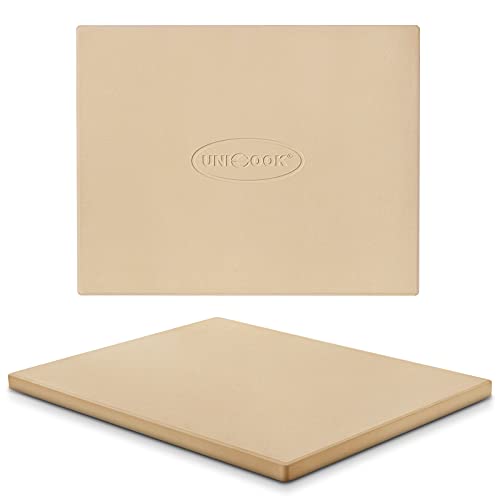
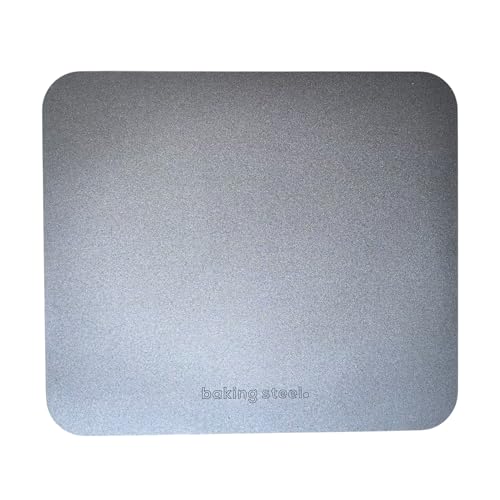
The five tools that do the work in every method on this site: a slab that stores heat, something to launch with, a way to read the surface, and a clean cut.


More ovens worth comparing
Beyond this guide, the highest-rated ovens across every fuel and budget, with a live price check on each.
- Check price on Amazon

- Check price on Amazon
- Check price on Amazon

- Check price on Amazon

- Check price on Amazon

- Check price on Amazon

As an Amazon Associate we earn from qualifying purchases, at no cost to you.
Quick shop: every pick.
Skip the scroll: the whole lineup, with a live price check on each.
- Solo Stove PiBest for Wood Flavor, Flexibility & HeatSolo Stove · ~$424Check price
- Solo Stove Pi PrimeBest for Gas Convenience & Easy Everyday PizzaSolo Stove · ~$400Check price on Amazon
How we chose.
We judge every oven on the same signature spine, and for these two siblings the spine does something it doesn't always do, it actually separates them. First, peak floor temperature: the heat of the cooking stone, not the chamber air. The Pi reaches ~950°F and the Pi Prime ~850°F in our manufacturer-verified database, an ~100°F gap that is real and that you can taste, it's the difference between a hard, leopard-spotted 60-second bake and a softer, slower ~90-second one. Second, the 60-Second-Pizza Club: the Pi is a comfortable member, driving a Neapolitan pie to done in about a minute with proper char; the Pi Prime sits one honest tier down, a very good ~90-second oven rather than a 60-second one.
Third, heat recovery, and here the result flips. The Pi Prime's single propane burner never stops, so the stone reloads instantly and back-to-back pizzas stay fast. The Pi, run on wood, asks you to feed and tend the fire to hold temperature between pies (its optional gas burner narrows that gap if you add it). So the spine reads as a genuine trade rather than a winner: the Pi is hotter and more flavorful but more hands-on; the Pi Prime is cooler but instant and effortless. We verified every spec against our database, not brand marketing, and we don't invent test panels or numbers. No brand paid for this; the links may earn a commission that never changes a verdict. The result is a real fork, wood flavor and heat, or gas simplicity and price.
Key terms
- Peak floor temperature
- The temperature of the cooking stone, not the chamber air, the number our reviews lead with. The Pi reaches ~950°F and the Pi Prime ~850°F, a real ~100°F gap you can taste: it's the difference between a 60-second leopard-spotted bake and a softer ~90-second one.
- 60-Second-Pizza Club
- Our shorthand for ovens that turn out a puffed, hard-leopard-spotted Neapolitan in about a minute. The Pi is a comfortable member at ~950°F; the Pi Prime sits one tier down at ~850°F, in the very respectable 90-second club.
- Heat recovery
- How fast an oven returns to temperature between bakes. The Pi Prime's gas flame reloads the stone instantly, back-to-back pies stay fast with no attention. The Pi on wood asks you to tend the fire to hold temperature, so recovery is as good as your fire-tending unless you add its optional gas burner.
- Multi-fuel
- An oven that can run on more than one fuel. The Pi burns wood for live-fire flavor and accepts an optional gas burner for push-button convenience, so you're never locked into one fuel. The Pi Prime is gas-only, simpler, but no wood option.
Questions, answered
Which is better, the Solo Stove Pi or the Pi Prime?
Neither is universally better, they're the same round 12-inch oven with two different fuels, and the right pick depends on how you want to cook. The Pi runs hotter (~950°F vs ~850°F), burns wood for real live-fire flavor, takes an optional gas burner for flexibility, and bakes a true 60-second leopard-spotted Neapolitan, but it's hands-on, costs about $24 more at ~$424, and means tending a fire and emptying ash. The Pi Prime is gas-only simplicity: one dial, no wood, instant heat recovery, and a slightly lower price at ~$400, but it tops out ~850°F (a ~90-second oven) with no wood option. Buy the Pi for wood flavor, heat, and flexibility; buy the Pi Prime for convenience, value, and easy everyday pizza.
Is the Solo Stove Pi hotter than the Pi Prime?
Yes, and the gap is real. The Pi reaches ~950°F and the Pi Prime ~850°F in our verified database, about ~100°F, which is enough to taste. That's the difference between the Pi's hard, leopard-spotted 60-second Neapolitan and the Pi Prime's softer, slower ~90-second bake. Both make excellent pizza, but if the hottest, fastest, most competition-style char is your goal, the Pi is the one that reaches it. The Pi Prime's lower floor is genuinely good, and a touch more forgiving for a beginner, but it can't hit the Pi's peak.
Is the multi-fuel Pi worth the extra $24 over the Pi Prime?
For most buyers, yes, because the premium is now tiny. The roughly $24 gap (~$424 vs ~$400) buys genuine wood-fired flavor a gas oven can't produce, a hotter ~950°F bake that reaches the 60-second leopard pie, and the flexibility of an optional gas burner so you're never locked into one fuel. It does not buy a bigger pizza (both are 12-inch) or easier recovery, in fact the Pi Prime's gas flame recovers faster than the Pi on wood. So if you cook mostly for ease and don't want to tend a fire, take the Pi Prime, just take it for the convenience rather than the $24. The premium is about flavor, heat, and flexibility, not size.
Can the Solo Stove Pi run on gas like the Pi Prime?
Yes, that's the point of multi-fuel. The Pi burns wood out of the box for live-fire flavor, and it accepts an optional gas burner you can add for push-button convenience, so you can run it either way. The Pi Prime, by contrast, is gas-only from the start with no wood option. So if you want the freedom to switch between wood flavor and gas ease, the Pi is the flexible one; if you only ever want simple gas, the Pi Prime is purpose-built for exactly that and costs about $24 less.
Which Solo Stove recovers heat faster between pizzas?
The Pi Prime, clearly. It's gas-only, so the burner never stops and the stone reloads almost instantly between bakes, pizza number eight comes out as fast and hot as pizza number one with no attention from you. The Pi, run on wood, asks you to feed and tend the fire to hold temperature, so its recovery depends on how well you manage the flame (adding the optional gas burner narrows that gap). If you regularly feed a crowd back-to-back and want the calmest, fastest reload, the gas Pi Prime is the easier oven for the job.
Are the Pi and Pi Prime the same size?
Effectively, yes. Both are the same round, sculptural Solo Stove design with a 12-inch cordierite stone, and they weigh almost the same, 30.5 lb for the Pi and 30.8 lb for the Pi Prime. So this isn't a size decision the way some comparisons are. Both make a 12-inch personal-to-small-shared Neapolitan pie, both are portable, and both look equally good on the patio. The real differences are fuel, peak heat, and how hands-on the cook is, wood and ~950°F on the Pi versus gas and ~850°F on the Pi Prime.
Filed under Comparison
Part of Comparisons & Head-to-Heads
Keep reading.
Solo Stove Pi Prime Review
The full verdict on the gas-only Pi Prime, one dial, ~850°F, ~$400, and the easiest first oven we cover.
Best Multi-Fuel Pizza Ovens (2026)
The wood-and-gas field ranked on our signature metric, where the Solo Stove Pi lands against the rest.
Ooni vs Solo Stove (2026)
The two most cross-shopped brands, head to head, heat, simplicity, and price compared.
Gozney vs Solo Stove (2026)
Premium build against value and simplicity, which brand is actually right for you.
The Best Pizza Ovens (2026)
The full ranked field across every brand and fuel, scored on our signature metric.
Ooni vs Gozney: Which Brand Wins?
The two giants head to head, same ~950°F ceiling, very different philosophies, one clear way to choose.
Ooni Fyra 12 Review
Ooni's lightest wood-pellet oven reviewed, real live-fire flavor at $349, and what to cross-shop.
Solo Stove Pi Review
The multi-fuel Pi's dedicated review, the deep dive behind this matchup's winner on heat.