Our pick. Witt
Check price →Witt Etna Rotante vs Ooni Koda 16 (2026): Which Should You Buy?
Two 16-inch gas ovens that hit the same ~950°F peak, separated by everything else. The Witt Etna Rotante is the premium play, a motorized 360° rotating stone for even, hands-free bakes and a heavy 88 lb build, at $999. The Ooni Koda 16 is the popular flagship, $500 cheaper at ~$498, less than half the weight at 40.1 lb, with the proven L-shaped wrap-around burner and Ooni's huge ecosystem. We run both on our signature spine and tell you which 16-inch oven is yours.
By The Pizza Oven Review DeskUpdated 2026-06-29~10 min readRanked on verified floor heatHow we research
We earn a commission on purchases through our links, at no cost to you. It never decides a ranking. How this works
Our top pick.Best for Hands-Free Rotation & Premium Build
Witt Etna Rotante- Price.
- ~$999
- Our rating.
- 4.4 out of 5
A motorized 360° rotating stone and a heavy, premium 88 lb build, even, hands-free 16-inch bakes at the top of the band.
Not sure yet? Compare all 2 picks below ↓
If you want a 16-inch gas pizza oven and you've narrowed it to these two, you've found a genuinely close call on paper that splits wide open in practice. The Witt Etna Rotante and the Ooni Koda 16 are both 16-inch, gas-fired ovens that reach the same ~950°F peak our verified database records, the top of the Neapolitan band. They make the same size pizza at the same temperature. What separates them is everything around the heat: the Witt adds a motorized 360° rotating stone that bakes evenly with no peel-turn and a heavy, premium 88 lb body, at $999; the Koda 16 strips back to a proven L-shaped wrap-around burner you turn the pizza in yourself, in a far lighter 40.1 lb package, for ~$498, a full $500 less.
We anchor this the way we anchor every comparison: the same objective spine, applied to both. Peak floor temperature, membership in the 60-Second-Pizza Club, and heat recovery between bakes. And here the spine does something that matters, it calls the performance a tie. Both ovens reach ~950°F, both are comfortable 60-Second-Pizza Club members, and both are gas-only so the flame never stops and recovery is instant on either. There is no meaningful heat winner. That's the whole point: when the specs are even, the decision moves entirely to the things you can actually see and feel, the hands-free rotating stone, the premium heft, the weight you have to carry, and the $500 between them.
A word on how this page is paid for, because independence is the whole point: no brand sponsored this comparison, neither Witt nor Ooni knew we were writing it, and nobody bought a placement or a ranking. The Koda 16 links to Amazon and the Etna Rotante links to Witt's own store (it isn't sold on Amazon); if you buy through those links we may earn a commission at no extra cost to you, that never moves a rating or a verdict. Every price, temperature, weight, and size we cite comes from manufacturer-verified specs in our oven database, not marketing copy. We picked these two because the question is one buyers genuinely wrestle with: pay $999 for the rotating, premium-built Witt, or ~$498 for the lighter, hugely popular, proven Ooni Koda 16.
The short version.
- Which should you buy? If you want the hands-free rotating stone and a heavy premium build, and you'll pay $500 more and don't mind 88 lb, the Witt Etna Rotante. If value, far lighter weight, the big ecosystem, and a proven design lead, the Ooni Koda 16.
- It's a tie on heat: both reach ~950°F, both are comfortable 60-Second-Pizza Club members, and both are gas-only with instant recovery. Peak performance does not decide this matchup.
- The Witt's real edge is the motorized 360° rotating stone, even, hands-free bakes with no peel-turn, plus a heavy, premium 88 lb build that feels built to last.
- The Koda 16's real edge is value and portability: $500 cheaper (~$498 vs $999) and less than half the weight (40.1 lb vs 88 lb), with the proven L-shaped wrap-around burner and Ooni's huge accessory and support ecosystem.
- Same size, same heat: both are 16-inch and both hit ~950°F. The choice is rotating stone and build versus price and weight, not how hot or how big the pizza is.
At a glance.
| Spec | Witt Etna Rotante | Ooni Koda 16 | Check price |
|---|---|---|---|
| Fuel | Gas (360° rotating stone + booster burner) | Gas (propane; natural-gas kit available) | Check price |
| Peak floor temp | ~950°F | ~950°F | |
| Max pizza size | 16 in | 16 in | |
| Weight | 88 lb | 40.1 lb | |
| Burner / bake | Motorized rotating stone, hands-free | L-shaped wrap-around, turn it yourself | |
| Price | ~$999 | ~$498 | |
| Best for | Hands-free rotation, premium build | Value, portability, ecosystem |
Two 16-inch gas ovens, head to head, specs verified against our oven database (docs/verified-ovens.json) in June 2026. Tied on heat and size; the real split is the rotating stone, the build, the weight, and the price.
Witt Etna Rotante
Witt
A motorized 360° rotating stone and a heavy, premium 88 lb build, even, hands-free 16-inch bakes at the top of the band.
Our verdict: The Etna Rotante is the pick when hands-free rotation and a premium build lead. Its motorized 360° stone spins the pizza past the flame so every edge cooks evenly with no peel-turn, and its heavy 88 lb body feels built to last, all at the same ~950°F and 16-inch size as the Koda 16. The cost is real: $500 more at $999, and more than double the weight. If you'll pay the premium for the rotating stone and the heft, the Witt earns it; if you won't, the Koda 16 makes the same-size pizza at the same heat for far less.
On paper. Manufacturer-stated ~950°F peak with a 360° motorized rotating stone for hands-free even bakes, the same top-of-band temperature as the Koda 16, in a heavier, premium body. Figure is as stated by Witt; we have not independently clocked this unit.
The Etna Rotante's edge over the Koda 16 isn't heat or size, it's the rotating stone and the build. The Witt Etna Rotante spins the pizza on a 360° motorized stone so every edge passes the flame evenly without a single peel-turn, and it reaches the same ~950°F peak our database records for the Koda 16. Where the Ooni asks you to reach in and rotate the pie a couple of times per bake, the Witt does it for you, hands-free, even leoparding, every time. Wrap that in a heavy 88 lb premium body and you have a planted, serious oven that feels a tier above.
Because it's gas-only, recovery is instant, the flame never stops, exactly like the Koda 16, so a long session of back-to-back pizzas stays fast on either. What the Witt gives up is portability and price: at 88 lb it's a planted, place-it-and-leave-it oven, more than double the Koda 16's weight, and at $999 it costs $500 more for the same peak and the same deck size. Witt also sells primarily direct rather than through our Amazon, so its owner-feedback pool is thinner than Ooni's. For the cook who wants even, hands-free bakes and a premium body and isn't price-sensitive, the Etna Rotante is the more capable, more convenient oven of the two.
Who should buy it.
Buy the Etna Rotante if hands-free rotation and premium build lead, you want the motorized 360° stone to bake evenly without a peel-turn, you value a heavy, planted body that feels built to last, and the $500 premium and the 88 lb weight don't put you off. It's the right pick for the cook who treats the oven as a long-term centerpiece, cooks in one fixed spot, and wants the most convenient even bake at the same top-of-band heat. If you'll genuinely use the rotation and you're not price-sensitive at the $999 tier, the Witt is built for you.
What we don't like.
It's $500 more than the Koda 16 for the same ~950°F peak and the same 16-inch size, and at 88 lb it's more than double the weight, a planted oven you place once and leave, not anything you carry. The motor adds a moving part a simple stationary burner doesn't have, and because Witt sells primarily direct rather than on our Amazon, hands-on owner feedback is thinner than for the mass-market Ooni. You're paying for the rotating stone and the build, not a hotter or bigger pizza.
- Fuel
- Gas (360° rotating stone + booster burner)
- Peak temp
- ~950°F (manufacturer-stated)
- Max pizza size
- 16 in
- Weight
- 88 lb
- Price
- ~$999
What we like.
- Motorized 360° rotating stone, even, hands-free bakes with no peel-turn
- Heavy, premium 88 lb build that feels built to last
- Same ~950°F peak and 16-inch size as the Koda 16
- Gas-only with instant heat recovery
Worth noting.
- $500 more than the Koda 16 ($999 vs ~$498)
- More than double the weight (88 lb vs 40.1 lb), planted, not portable
- Sells primarily direct, thinner owner feedback and no Amazon ecosystem

Ooni Koda 16
Ooni
The hugely popular 16-inch flagship, same ~950°F peak as the Witt, $500 cheaper, less than half the weight, with a proven design.
Our verdict: The Koda 16 is the pick when value, portability, and a proven design lead. It reaches the same ~950°F on the same 16-inch deck as the Witt, but for ~$498, $500 less, and at 40.1 lb it weighs less than half as much. Its L-shaped wrap-around burner is one of the most proven designs in the category, and it sits at the center of Ooni's huge accessory and support ecosystem. The trade is that you turn the pizza yourself and the build is good rather than premium-heavy. For most 16-inch buyers, that's the smarter, cheaper buy.
On paper. Manufacturer-verified peak floor temperature of ~950°F via the proven L-shaped wrap-around burner, a comfortable 60-Second-Pizza Club member at the same top-of-band heat as the Witt, for $500 less and at less than half the weight.
The Koda 16 is the Ooni most people end up recommending, and against the Witt its case is value, weight, and a proven design. The Ooni Koda 16 runs an L-shaped gas burner that wraps heat up the back and along one side of the chamber to bake the 16-inch floor evenly, and it reaches the same ~950°F peak our database records for the Witt. That puts it comfortably in the 60-Second-Pizza Club, launch a well-stretched 16-inch pie and you're pulling a leopard-spotted Neapolitan in about a minute. The wrap-around burner is one of the most proven designs in the category, and it anchors Ooni's enormous ecosystem of peels, doors, covers, and accessories.
Because it's gas-only, recovery is instant, the flame never stops, exactly like the Witt, so back-to-back pizzas stay fast. What the Koda 16 gives up is the Witt's hands-free rotation and its heavy premium heft: you'll reach in and turn the pie a couple of times per bake, and the body is lighter and less planted. But it makes the same-size pizza at the same heat for $500 less, and its huge owner community means deep, easy support. If value, portability, and a proven design lead, and you don't specifically need the rotating stone, the Koda 16 is the rational default.
Who should buy it.
Buy the Koda 16 if value, portability, and a proven design lead, you want the same ~950°F and the same 16-inch pizza as the Witt for $500 less, you'd rather a 40.1 lb oven you can actually move and store than an 88 lb fixture, and you value Ooni's huge accessory and support ecosystem. It's the right pick for the buyer who doesn't need a motorized stone, is happy to turn the pizza with a peel, and wants the most-owned, best-supported 16-inch gas oven in the category. For pure pizza-per-dollar at 16 inches, this is the benchmark.
What we don't like.
You turn the pizza yourself, there's no motorized rotating stone, so even leoparding asks for a peel-turn or two per bake where the Witt does it hands-free. The build is good rather than premium-heavy, so it doesn't have the planted, built-to-last feel of the Witt's 88 lb body, and the thinner stone can recover a touch slower than a heavily-massed premium oven on long marathon sessions. None of that is a flaw so much as the honest cost of being lighter and $500 cheaper.
- Fuel
- Gas (propane; natural-gas conversion kit available)
- Peak temp
- ~950°F (manufacturer-verified)
- Max pizza size
- 16 in
- Weight
- 40.1 lb
- Price
- ~$498
What we like.
- $500 cheaper than the Witt (~$498 vs $999)
- Less than half the weight (40.1 lb vs 88 lb), movable and storable
- Same ~950°F peak on the same 16-inch deck
- Proven L-shaped wrap-around burner and Ooni's huge ecosystem; instant gas recovery
Worth noting.
- No rotating stone, you turn the pizza yourself with a peel
- Good build, but not premium-heavy like the Witt's 88 lb body
- Thinner stone recovers a touch slower on long marathon sessions
What you'll need.
Prices approximate at time of writing.
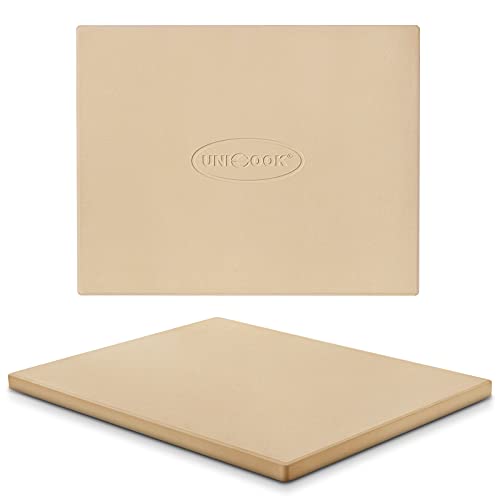
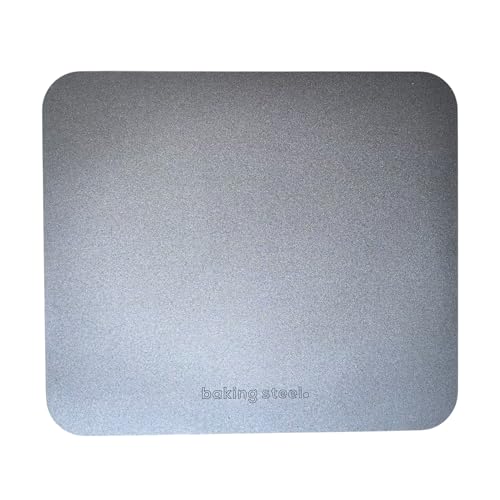
The five tools that do the work in every method on this site: a slab that stores heat, something to launch with, a way to read the surface, and a clean cut.


More ovens worth comparing
Beyond this guide, the highest-rated ovens across every fuel and budget, with a live price check on each.
- Check price on Amazon
- Check price on Amazon

- Check price on Amazon

- Check price on Amazon

- Check price on Amazon

- Check price on Amazon

As an Amazon Associate we earn from qualifying purchases, at no cost to you.
Quick shop: every pick.
Skip the scroll: the whole lineup, with a live price check on each.
- Witt Etna RotanteBest for Hands-Free Rotation & Premium BuildWitt · ~$999Check price
- Ooni Koda 16Best for Value, Portability & EcosystemOoni · ~$498Check price on Amazon
How we chose.
We judge every oven on the same signature spine, and for these two the spine confirms how evenly matched they are where it counts. First, peak floor temperature, the heat of the cooking stone, not the chamber air. Both the Witt Etna Rotante and the Ooni Koda 16 reach ~950°F in our manufacturer-verified database, the top of the Neapolitan band; there is no temperature gap to split them. Second, the 60-Second-Pizza Club: both are comfortable members that turn out a leopard-spotted Neapolitan in about a minute, the Witt doing it hands-free as its motorized stone spins the pie past the flame, the Koda 16 doing it with a quick peel-turn against its L-shaped wrap-around burner.
Third, heat recovery, where the two are again a dead tie: both are gas-only, so the flame never stops and back-to-back pizzas stay fast on either oven. With peak, size, and recovery all effectively even, this comparison is honestly decided by the physical facts, the rotating stone, the build, the weight, and the price, rather than by performance. We verified every spec against our database, not brand marketing, and because we do not bench-test ovens we report its ~950°F as the manufacturer-stated figure. No brand paid for this; the links may earn a commission that never changes a verdict. The result is a genuine fork: same heat, same size, pick the one whose build, convenience, and price fit how you cook.
Key terms
- Peak floor temperature
- The temperature of the cooking stone, not the chamber air, the number our reviews lead with. The Witt and the Koda 16 both reach ~950°F, the top of the Neapolitan band, so this matchup is a flat tie on heat and is decided on build, rotation, weight, and price instead.
- 60-Second-Pizza Club
- Our shorthand for ovens that turn out a puffed, leopard-spotted Neapolitan in about 60 to 90 seconds. Both ovens are comfortable members, the Witt hands-free via its rotating stone, the Koda 16 with a quick peel-turn, so speed doesn't separate them.
- Heat recovery
- How fast an oven returns to temperature between bakes. The Witt and the Koda 16 are a dead tie here: both are gas-only, so the flame never stops and back-to-back pizzas stay fast on either oven.
- 360° rotating stone
- A motorized cooking deck that spins the pizza a full circle past the burner so every edge cooks evenly without a peel-turn. It's the Witt's core convenience feature and its main advantage over the Koda 16, which you turn the pizza in yourself.
Questions, answered
Which is better, the Witt Etna Rotante or the Ooni Koda 16?
Neither is universally better, they're both 16-inch gas ovens that hit the same ~950°F peak, and the right pick depends on what you value. They're a tie on performance: same peak temperature, same 16-inch size, both comfortable 60-Second-Pizza Club members, and both gas-only with instant recovery. The Witt wins on convenience and build (a motorized 360° rotating stone for hands-free even bakes and a heavy, premium 88 lb body); the Koda 16 wins on value and portability (~$498 vs $999, and 40.1 lb vs 88 lb, with a proven design and a huge ecosystem). Buy the Witt if you want the rotating stone and the premium build and will pay $500 more; buy the Koda 16 if value, lighter weight, and a proven design lead.
Is the Witt Etna Rotante hotter than the Ooni Koda 16?
No, they're tied. Both reach ~950°F in our verified database, the top of the Neapolitan band, so neither makes a hotter or faster pizza than the other. Both char a crust fast and set leopard-spotting on the rim, and both are comfortable 60-Second-Pizza Club members with instant gas recovery. So don't choose between these two on temperature; choose on the rotating stone, the build, the weight, and the price, where the real differences are. If you're hoping a higher price means a hotter oven, that isn't the case here.
Is the Witt Etna Rotante worth the extra $500 over the Ooni Koda 16?
It's worth it if you want the rotating stone and the premium build. The $500 premium ($999 vs ~$498) buys a motorized 360° rotating stone that bakes evenly with no peel-turn and a heavy, planted 88 lb body that feels built to last, real advantages if hands-free convenience and a long-term centerpiece matter to you. It does not buy a hotter oven (both hit ~950°F), a bigger pizza (both are 16-inch), or faster recovery (both are instant). So if you're happy to turn the pizza yourself and value lighter weight and the lower price, the Koda 16 saves you $500 and nearly 48 pounds for the same-size pizza at the same heat. The premium is about rotation and build, not performance.
How much do the Witt Etna Rotante and Ooni Koda 16 weigh?
The Witt Etna Rotante weighs 88 lb and the Ooni Koda 16 weighs 40.1 lb, so the Witt is more than double the weight. That makes the Koda 16 a movable, storable oven you can shift around the patio and put away between weekends with a two-handed lift, while the Witt is a planted, place-it-and-leave-it fixture. If you want to move or store the oven, the weight difference is one of the biggest practical reasons to choose the Koda 16; if it lives in one fixed outdoor spot, the Witt's heft is less of a drawback.
Does the Ooni Koda 16 have a rotating stone like the Witt?
No. The Witt Etna Rotante has a motorized 360° rotating stone that spins the pizza past the flame so every edge cooks evenly without you touching it, that's its headline feature. The Ooni Koda 16 has a fixed stone and a proven L-shaped wrap-around burner, so you reach in and turn the pizza a couple of times per bake with a peel to even out the leoparding. Both reach the same ~950°F and make excellent 16-inch Neapolitan pizza; the difference is whether the oven turns the pie for you (the Witt) or you turn it yourself (the Koda 16), which is a big part of the Witt's $500 premium.
Where can I buy the Witt Etna Rotante and the Ooni Koda 16?
The Ooni Koda 16 is widely available on Amazon, so our link points there and may earn us a commission at no extra cost to you. Witt sells the Etna Rotante primarily direct and through dealers rather than on our Amazon, so our link points to Witt's own product page, a tracked editorial link. Because of that direct-sales model, hands-on owner feedback for the Witt is thinner than for the mass-market Koda 16, which has one of the deepest owner communities in the category. That's worth weighing if easy support, reviews, and accessory availability matter to you.
Filed under Comparison
Part of Comparisons & Head-to-Heads
Keep reading.
Witt Etna Rotante Review
The full verdict on the premium rotating gas oven, 360° stone, booster burner, ~950°F, 88 lb, $999.
Ooni Koda 16 Review
Our deep-dive on Ooni's value flagship, 16 inches, ~950°F, 40 lb, ~$498, and our Best Overall gas pick.
Best Rotating Pizza Oven (2026)
The rotating-stone field ranked on our signature metric, where the Witt Etna Rotante lands.
The Best Gas Pizza Ovens (2026)
The gas field ranked, premium rotating against value flagship, scored on our signature metric.
The Best Pizza Ovens (2026)
The full ranked field across every brand and fuel, scored on our signature metric.
Ooni vs Gozney: Which Brand Wins?
The two giants head to head, same ~950°F ceiling, very different philosophies, one clear way to choose.
Ooni Fyra 12 Review
Ooni's lightest wood-pellet oven reviewed, real live-fire flavor at $349, and what to cross-shop.