Our pick. Ooni
Check price on Amazon →Are Ooni Pizza Ovens Worth It? (2026): An Honest Verdict
Short version: yes, for most people who actually want backyard Neapolitan pizza. Ooni hits the ~950°F floor that makes a true 60-second pie, and it does it across the widest, best-supported lineup in the category, gas, multi-fuel, electric, and pellet, from a ~$249 starter to a $1,299 showpiece. The only real caveat isn't Ooni; it's you, whether you want that pizza enough to use the thing. Here's where Ooni earns it, where it doesn't, which model fits which person, and who should look at Gozney, Solo Stove, or no oven at all instead.
By The Pizza Oven Review DeskUpdated 2026-06-29~11 min readRanked on verified floor heatHow we researchOfficial site ↗
We earn a commission on purchases through our links, at no cost to you. It never decides a ranking. How this works
"Are Ooni pizza ovens worth it?" is one of the most-searched questions in this whole category, and it usually gets answered by people who only sell Ooni or people who only sell its rivals. We do neither exclusively. We test the field, we rank competitors honestly, and we'll tell you when the answer is "buy a Gozney instead" or "skip a dedicated oven entirely." So treat this as the version written by someone with no stake in which box shows up on your patio, only in being right enough to be trusted twice.
Here's our standing position before we get into models. A dedicated pizza oven is worth it only if you specifically want what a home oven physically can't do: reach the 850 to 950°F floor that bakes a true Neapolitan pie in 60 to 90 seconds. Ooni clears that bar on nearly every model it makes, most of the lineup peaks around 950°F, squarely in what we call the 60-Second-Pizza Club. So the question "is Ooni good enough?" is essentially settled: yes. The harder, more honest question is whether you'll use it, and which of Ooni's many ovens is right for you.
This guide answers both. We cover what Ooni genuinely does well, decode the full lineup by who-it's-for and real price, lay out the honest downsides nobody markets, put Ooni head-to-head against Gozney and Solo Stove in a single paragraph, and finish with a clear verdict on who should buy Ooni versus who should look elsewhere. We use our standard lens throughout, peak floor temperature, the 60-Second-Pizza Club, and instant gas recovery, because those capabilities are exactly what you're paying for. Nothing here is sponsored, and we'd rather talk you out of the wrong oven than into any oven.
The short version.
- For most people who actually want backyard Neapolitan, Ooni is worth it: nearly the whole lineup peaks around 950°F, true 60-Second-Pizza Club territory, and the gas models recover heat almost instantly between pies.
- Ooni's real edge isn't a single oven; it's the breadth: gas (Koda 12/16/2/2 Max), multi-fuel (Karu 12/2/2 Pro), electric (Volt 2), and pellet (Fyra 12), so there's a right Ooni for almost any fuel, size, and budget.
- The lineup decodes cleanly by need and price, Karu 12 at ~$249 for wood-flavor on a budget, Koda 12 at ~$299 as the easy gas starter, up through the Koda 2 Max at $1,299 for serious entertainers.
- The honest downsides are real: every model except the Volt 2 is an outdoor commitment, there's a genuine learning curve, accessories add up, and the gas-only Koda line gives you speed and recovery but no wood flavor.
- Ooni isn't the only answer: Gozney is the more premium build at a higher price, Solo Stove is cheaper and simpler with a cooler gas model, and if you'd be happy with New York or Detroit pizza, no dedicated oven beats a $100 baking steel.
Our top-rated pizza ovens
Whatever you decide, these are the ovens we recommend, ranked on stated floor heat. Live price check on each.
- Check price on Amazon

- Check price on Amazon

- Check price on Amazon

- Check price on Amazon

- Check price on Amazon

- Check price on Amazon

As an Amazon Associate we earn from qualifying purchases, at no cost to you.
What you'll need.
Prices approximate at time of writing.
The five tools that do the work in every method on this site: a slab that stores heat, something to launch with, a way to read the surface, and a clean cut.


The short answer: yes for most people, but the caveat is you, not Ooni
Let's settle the headline first. For most people who genuinely want to make real pizza at home, an Ooni is worth it. The reason is specific and measurable: nearly every Ooni model reaches a peak floor temperature around 950°F, the band that bakes a leopard-spotted Neapolitan pie in 60 to 90 seconds. That's the one thing a home oven, capped near 550°F, physically cannot do, and it's the entire reason a dedicated oven exists. Ooni doesn't just clear that bar; it clears it across the broadest, best-supported lineup in the category, at prices that start lower than most rivals. On the merits, "is Ooni good enough?" is a solved question. Yes.
So the caveat that decides "worth it" isn't about Ooni at all, it's about you. A 950°F oven is only valuable if you actually want the 60-second pizza it makes, and only pays for itself if you use it. The buyers who regret an Ooni almost never regret the oven; they regret that they wanted the idea of backyard pizza more than the reality of hauling out a propane tank on a Tuesday. So before you compare models, answer the real question honestly: is blistered, fork-and-knife Neapolitan the pizza you actually crave, and will you make it more than a handful of times a year?
What Ooni genuinely does well
Three things, and they're the right three. First, heat. The Koda 16 and the Koda 2, Koda 2 Max, and the whole Karu line all peak around 950°F, and even the compact Koda 12 hits ~932°F, every one a true member of the 60-Second-Pizza Club. On the gas models that heat comes back almost instantly: crank the burner between pies and the floor recovers in moments, which is exactly what lets an Ooni feed a crowd one blistering pizza after another instead of stalling after the third. Peak floor temperature and instant gas recovery are the two specs that matter most, and Ooni nails both.
Second, breadth. No competitor offers a range this wide. Want pure gas simplicity? Koda 12, 16, 2, or 2 Max. Want real wood flavor (or the option of it)? The multi-fuel Karu 12, Karu 2, and Karu 2 Pro burn wood and charcoal with optional gas. Want to cook indoors? The electric Volt 2. Want hands-off wood-pellet convenience? The Fyra 12. Across fuels, sizes from 12in to 20in, and prices from about $249 to $1,299, there's an Ooni shaped like almost any buyer's needs, which is rare, and genuinely valuable.
Third, the ecosystem. Ooni's accessory range (peels, infrared thermometers, covers, carry bags, dough tools), its companion app with guided bakes, and the deep community of recipes and troubleshooting around the brand all flatten the learning curve in a way smaller brands can't match. And because Ooni is the category's most popular name, its ovens hold resale value well if you ever move on. None of that changes the pizza, but all of it makes ownership easier, and easier ownership is what gets an oven actually used.
The lineup decoded, which Ooni for whom (and what it costs)
Ooni's breadth is its best feature and its most confusing one, so here's the lineup mapped to real buyers at real prices. The budget wood-lover, Karu 12 (~$249): the cheapest way into genuine wood-fired flavor, multi-fuel (wood/charcoal with optional gas) and ~950°F, for the buyer who wants the live-fire experience and doesn't mind tending it. The easy gas starter, Koda 12 (~$299): our default first-Ooni for most people, push-button gas, ~932°F, ultra-portable, no fire to manage, just turn it on and launch. If you want pizza without a project, this is it.
The flavor-flexible upgrade, Koda 2 ($499): a 14in gas oven at ~950°F with a built-in thermometer and Ooni's newer G2 burner, for someone who wants gas convenience with a bit more room and polish. The entertainer's gas oven, Koda 16 (~$498): the 16in, ~950°F L-burner workhorse that fits a full 16-inch pie or bakes-and-roasts for a group, and it now sits at essentially the same money as the smaller 14in Koda 2, which makes it the easy call when you're cooking for more than two. The indoor exception, Volt 2 ($699): electric, 850°F, the only Ooni you can run indoors on a kitchen counter, lower peak than the gas models but the answer for apartments, balconies, and anyone without outdoor space.
The wood-fired all-rounder, Karu 2 Pro ($849): a 16in multi-fuel oven at ~950°F with a large glass door, for the serious hobbyist who wants real wood flavor, big capacity, and the option to switch to gas. The showpiece, Koda 2 Max ($1,299): a 20in, ~950°F gas oven with two independent heat zones, built for someone who entertains often and wants to cook two things at once or run a true pizza party. Across the range, the gas models (Koda) trade wood flavor for instant recovery and zero fuss; the multi-fuel models (Karu) trade some convenience for live-fire flavor. Pick your axis, then pick your size.
The honest downsides nobody markets
Ooni earns its reputation, but a fair verdict has to name the trade-offs. First, it's still an outdoor commitment. Every Ooni except the electric Volt 2 needs outdoor space with safe clearances, these are live-flame ovens, not apartment-balcony appliances in most cases. If you don't have a patio, deck, or yard you can safely run a 950°F oven on, most of the lineup is off the table, and the Volt 2 (at a higher price and a lower 850°F peak) becomes your only Ooni.
Second, there's a real learning curve. A 60-second bake is fast and unforgiving, your first few pies will burn on one side or stick to the peel while you learn to launch, turn, and manage the flame. Ooni's app and community shorten this, but plan on roughly a dozen sessions before it feels routine. Third, the accessories add up. The sticker isn't the whole price: a launching peel, a turning peel, an infrared thermometer (the one we consider mandatory), and a cover commonly run another $75 to 150 on top of the oven before your first pizza.
And fourth, the trade-off baked into the most popular models: the gas-only Koda line gives you no wood flavor. Koda ovens are brilliant at speed, simplicity, and instant recovery, but they cook with a clean propane flame, so if smoky, wood-fired character is specifically what you're after, you want a multi-fuel Karu (or a competitor that burns wood), not a Koda. None of these are dealbreakers for the right buyer; they're just the parts the marketing leaves out, and you should price them in before you commit.
Ooni vs. the rivals, in one paragraph
Ooni isn't the only good oven, and an honest verdict says where the competition wins. Versus Gozney: Gozney is the more premium experience, denser insulation, a heavier safe-touch build, and a more refined feel, but you pay for it, with comparable models priced above Ooni's; if build quality and design matter more to you than range and value, Gozney is the upgrade, and we break down the matchup in Ooni vs. Gozney. Versus Solo Stove: Solo Stove is the cheaper, simpler play with a cleaner round design, but its gas model (the Pi Prime) peaks around 850°F, meaningfully cooler than Ooni's ~950°F gas ovens, so you trade some of the very top-end Neapolitan heat for a lower price and easier setup, a tradeoff we lay out in Ooni vs. Solo Stove.
The verdict: who should buy Ooni, and who shouldn't
Buy an Ooni if you genuinely want true Neapolitan pizza and you'll use the oven regularly. If that's you, Ooni is the safest recommendation in the category: it hits the ~950°F floor that defines the 60-Second-Pizza Club, recovers heat instantly on the gas models, offers a right-sized option at almost any budget, and sits inside an ecosystem that makes the learning curve survivable and resale easy. Most people in this group should start with the Koda 12 (~$299) for fuss-free gas, step up to the Koda 16 (~$498) if they cook for a crowd, or choose a Karu if wood flavor is the point. Our best Ooni pizza oven guide picks the exact model for each profile.
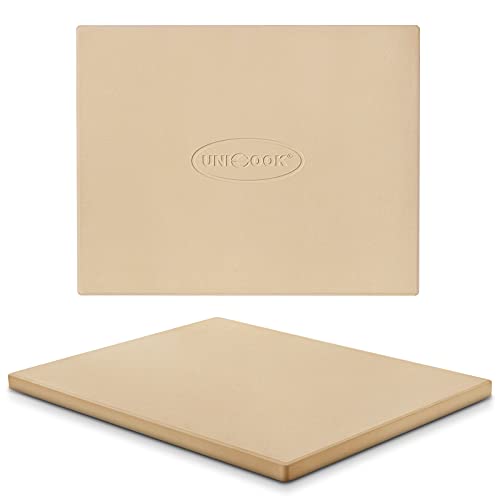
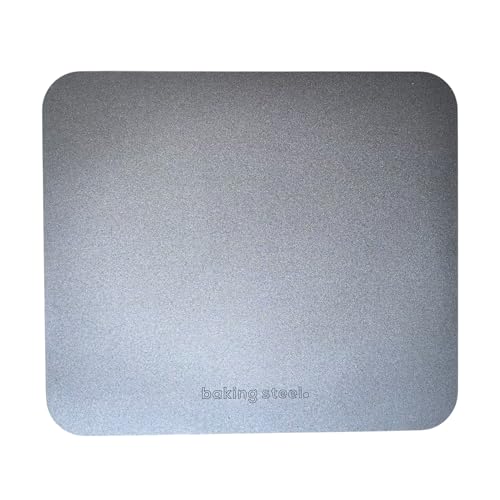
Look elsewhere if a specific need pulls you off Ooni: if you want the most premium build and design and you'll pay for it, Gozney is the better fit; if you want the lowest price and simplest setup and can live with a cooler 850°F gas oven, Solo Stove makes sense. And skip a dedicated oven entirely if you'd be just as happy with New York, Detroit, or pan pizza, or you'd only fire it up a few times a year, in that case a $100 baking steel in the oven you already own is the smarter buy, and we say so plainly in are pizza ovens worth it. Ooni is worth it for a large and specific group of people, backyard pizza obsessives who'll actually cook, and it's honestly the wrong purchase for everyone else.
Ready to buy? Start with our top picks
Whatever this guide steered you toward, here's where most readers land, ranked on stated floor heat. Live price check on each.
- Check price on Amazon
- Check price on Amazon
- Check price on Amazon
- Check price on Amazon
- Check price on Amazon
- Check price on Amazon
As an Amazon Associate we earn from qualifying purchases, at no cost to you.
Key terms
- Peak floor temperature
- The temperature of the cooking stone, which sets the crust. Nearly every Ooni reaches ~950°F here (the Koda 12 hits ~932°F; the electric Volt 2 peaks at 850°F), versus a home oven's ~550°F ceiling, and that heat is the single capability you're paying Ooni for.
- 60-Second-Pizza Club
- Our benchmark for ovens that bake a leopard-spotted Neapolitan pie in about 60 to 90 seconds and keep doing it. Almost the entire Ooni lineup qualifies, which is the core reason the brand-question answer is 'yes' on the merits.
- Instant gas recovery
- How fast a gas oven's floor returns to temperature between pies. Ooni's Koda line recovers almost instantly, crank the burner and the heat is back in moments, which is what lets an Ooni feed a crowd one blistering pizza after another rather than stalling.
- Multi-fuel (Karu) vs. gas-only (Koda)
- Ooni's central trade-off. The Koda line is gas-only, fast, simple, instant recovery, but a clean propane flame with no wood flavor. The Karu line burns wood and charcoal (with optional gas) for real wood-fired character at the cost of more fuss. Pick the axis before the size.
- Total cost of ownership
- The real price of an Ooni: the sticker (about $249 to $1,299 across the range) plus a launching peel, a turning peel, an infrared thermometer, and a cover (~$75 to $150), plus outdoor space and the learning curve. The accessories are easy to underestimate and worth pricing in up front.
- The Ooni ecosystem
- The accessories, companion app, recipe community, and strong resale value that surround the brand. It doesn't change the pizza, but it flattens the learning curve and lowers the risk of ownership, a genuine, if non-obvious, part of why an Ooni is 'worth it.'
Questions, answered
Are Ooni pizza ovens actually worth the money?
For most people who genuinely want backyard Neapolitan pizza, yes. Nearly every Ooni reaches a ~950°F floor, the band that bakes a true 60-second pie, which a home oven (capped near 550°F) physically can't touch, and the gas Koda models recover that heat almost instantly between pizzas. Add the widest fuel and size lineup in the category and a deep accessory-and-app ecosystem, and Ooni is the safest pick in the field on the merits. The one caveat isn't about Ooni: a 950°F oven only pays off if you actually want that pizza and will use it. If you'd be happy with New York or Detroit pizza, or you'd fire it up twice a year, a $100 baking steel is the smarter buy instead.
Which Ooni should I buy?
Match the oven to how you'll cook. For most people, the Koda 12 (~$299) is the default, push-button gas, ~932°F, ultra-portable, no fire to manage. Want wood flavor on a budget? The multi-fuel Karu 12 (~$249), which now undercuts the Koda 12. Cooking for a crowd? The 16in Koda 16 (~$498), or the 20in dual-zone Koda 2 Max ($1,299) for serious entertaining. No outdoor space? The electric Volt 2 ($699) is the only Ooni you can run indoors. A serious wood-fired hobbyist who wants big capacity should look at the Karu 2 Pro ($849). The Koda (gas) line trades wood flavor for instant recovery and zero fuss; the Karu (multi-fuel) line trades some convenience for live-fire character.
Is Ooni better than Gozney or Solo Stove?
It depends on what you value. Versus Gozney, Ooni offers a far broader lineup and better value at the same ~950°F heat, while Gozney is the more premium build, denser insulation, a heavier safe-touch shell, a more refined feel, at a higher price. Versus Solo Stove, Ooni runs hotter on gas: Ooni's gas Koda ovens peak around 950°F, while Solo Stove's gas Pi Prime peaks near 850°F, so Solo Stove trades top-end Neapolitan heat for a lower price and simpler setup. Most buyers land on Ooni because it sits in the middle, hot enough for true Neapolitan, wide enough to fit anyone, and fairly priced against both rivals.
What are the downsides of buying an Ooni?
Four honest ones. It's an outdoor commitment, every model except the electric Volt 2 needs outdoor space with safe clearances, so most of the lineup is a non-starter for apartments. There's a real learning curve, a 60-second bake is fast and unforgiving, so plan on roughly a dozen sessions before launches and turns feel routine. The accessories add up, a peel, a turning peel, an infrared thermometer, and a cover commonly run another $75 to 150 on top of the oven. And the popular gas-only Koda line gives no wood flavor; if smoky, wood-fired character is what you want, you need a multi-fuel Karu instead. None are dealbreakers, but you should price them in before you commit.
Can I use an Ooni indoors?
Only the electric Volt 2. Every gas and multi-fuel Ooni, the entire Koda and Karu line, plus the Fyra pellet oven, uses a live flame and must be run outdoors with safe clearances; running them indoors is a serious carbon-monoxide and fire hazard. The Volt 2 ($699) is the exception: it's electric, runs on a standard outlet, and is built to sit on a kitchen counter. The trade-off is heat, the Volt 2 peaks at 850°F versus the ~950°F of the gas models, so it bakes a slightly slower, slightly less blistered pie. For anyone without outdoor space, though, it's the only Ooni that works and still makes genuinely excellent pizza.
Is a gas Ooni or a wood-fired (multi-fuel) Ooni better?
Neither is better outright, they optimize for different things. The gas Koda line (Koda 12, 16, 2, 2 Max) is about speed, simplicity, and instant heat recovery: push a button, hit ~950°F, and crank the burner to feed a crowd without stalling, with no fire to tend. The trade-off is a clean propane flame and no wood flavor. The multi-fuel Karu line (Karu 12, 2, 2 Pro) burns wood and charcoal, with optional gas, for genuine wood-fired character, at the cost of more fuss and a steeper learning curve. If you want the easiest path to great pizza, go gas; if smoky wood-fired flavor is the whole point for you, go Karu.
Keep reading.
The Best Ooni Pizza Oven (2026)
If Ooni is the brand, this is the model, the full lineup ranked and matched to each buyer profile and budget.
Ooni vs. Gozney
The premium-build matchup, where Gozney's heavier, more refined ovens are worth the higher price, and where Ooni's range and value win.
Ooni vs. Solo Stove
The value matchup, Ooni's ~950°F gas heat against Solo Stove's cheaper, simpler, cooler 850°F approach.
Ooni Fyra 12 Review
Ooni's lightest wood-pellet oven reviewed, real live-fire flavor at $349, and what to cross-shop.