Our pick. Ooni
Check price on Amazon →Best Pizza Oven for Apartments (2026): The Honest Answer Is Indoor Electric
If you live in an apartment, condo, or anything with a shared building and a balcony instead of a backyard, the honest answer is almost never a gas or wood oven, most leases, HOAs, and fire codes flatly ban propane and open flame on balconies, and the clearances those ovens need simply don't exist where you live. The real answer is an indoor electric countertop oven: it runs on a standard outlet, makes no flame and no fumes, and sits on your kitchen counter. Here's which one to buy, the honest ceiling on what indoor heat can do, and the one exception if you have a private patio with permission.
By The Pizza Oven Review DeskUpdated 2026-06-29~11 min readRanked on verified floor heatHow we research
We earn a commission on purchases through our links, at no cost to you. It never decides a ranking. How this works
Most "best pizza oven for apartments" lists make a quiet, expensive mistake: they rank gas and wood ovens you legally cannot use where you live. A portable propane oven looks apartment-friendly because it's small, but "small" isn't the constraint. The constraint is that the overwhelming majority of leases, condo bylaws, HOA rules, and municipal fire codes prohibit propane tanks and open flame on balconies and within a certain distance of a multi-unit building. So the genuinely useful version of this question isn't "which small oven," it's "which oven can an apartment dweller actually, legally use?", and for most people that answer is an indoor electric oven, full stop.
We're an independent pizza-oven desk, and some of the links below are affiliate links, if you buy through them we may earn a commission, at no cost to you. That's exactly why we'd rather steer you to the oven you can actually run than the one that earns us more: recommending a $500 gas oven to someone whose building will make them return it doesn't get us trusted twice. So this guide leads with the rules, not the products. Check your specific lease, bylaws, and local fire code first; then pick from the indoor electric field, which is the one category built for exactly your situation.
We judge every oven on the same lens, peak floor temperature, the 60-Second-Pizza Club, and heat recovery, and we'll be straight about the tradeoff up front: the best indoor electric ovens top out around 700 to 850°F, a touch below the roughly 950°F a great outdoor oven hits. That gap is small but real, and it's why a true 60-second Neapolitan pie is the hardest thing to pull off indoors. The Ooni Volt 2 comes closest. We'll name every model, price, and temperature from our verified dataset, set honest expectations, and tell you which one fits your counter and your craving.
The short version.
- For most apartments and condos, a gas, wood, or charcoal oven is a non-starter, leases, HOA rules, and fire codes broadly ban propane and open flame on balconies and near multi-unit buildings, and the clearances aren't available. Check your specific rules before buying anything.
- The right answer for apartment dwellers is an indoor electric countertop oven: it plugs into a standard outlet, produces no open flame and no fumes, and lives on your kitchen counter like any other appliance.
- Four real indoor electric ovens cover the field, Ooni Volt 2 (~850°F, the hottest and most authentic, $699), Breville Smart Oven Pizzaiolo (~750°F, the most controllable, $999), Ninja Artisan (~700°F, the value pick, ~$300), and Cuisinart Indoor (~700°F, the cheapest, $299).
- The honest ceiling: even the best indoor electric (~850°F) sits just below an outdoor oven's ~950°F, so a true 60-second Neapolitan is the hardest bake to nail indoors, the Volt 2 gets closest, but set your expectations there.
- If, and only if, you have a private patio or terrace with written permission and proper clearances, a small portable gas oven like the Ooni Koda 12 (~932°F) might work. Verify your rules in writing first; for everyone else, indoor electric is the answer.
Our top-rated pizza ovens
Whatever you decide, these are the ovens we recommend, ranked on stated floor heat. Live price check on each.
- Check price on Amazon

- Check price on Amazon

- Check price on Amazon

- Check price on Amazon

- Check price on Amazon

- Check price on Amazon

As an Amazon Associate we earn from qualifying purchases, at no cost to you.
What you'll need.
Prices approximate at time of writing.
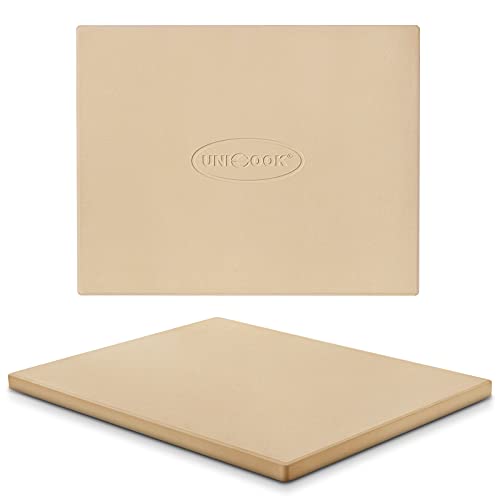
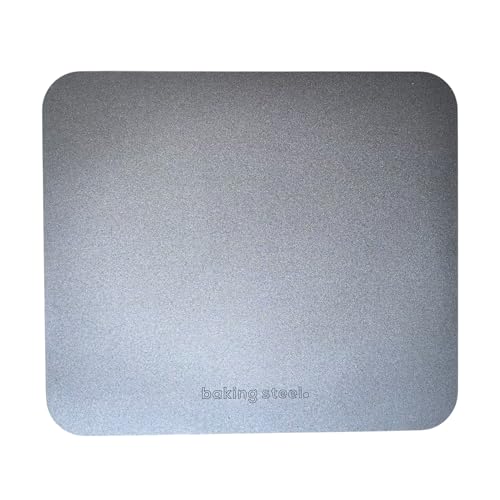
The five tools that do the work in every method on this site: a slab that stores heat, something to launch with, a way to read the surface, and a clean cut.


The reality: why gas and wood ovens usually don't work for apartments
Start with the unglamorous part, because it decides everything else. A pizza oven that burns fuel, propane gas, wood, or charcoal, is built to be used outdoors, on the ground, with clearance around it. That's not a manufacturer suggestion; it's a safety requirement, and it collides head-on with apartment life. The single biggest obstacle is the rules you live under: the great majority of residential leases, condominium bylaws, and HOA covenants explicitly prohibit propane tanks and open-flame cooking on balconies and patios, and many municipal fire codes ban them outright within a set distance of any multi-unit building. A small, portable gas oven doesn't get around this, it is the thing the rules are written about.
Even where the paperwork were silent, the physics wouldn't cooperate. Fuel-burning ovens need real overhead and side clearance from walls, railings, soffits, and anything combustible, a covered balcony is close to a worst case. They throw serious heat and, with wood or charcoal, smoke and embers that drift into neighboring units. And they need ventilation that an enclosed or semi-enclosed balcony can't provide. Indoors is worse still: a propane or wood oven indoors is a carbon-monoxide and fire hazard and is never the move. Add it up and the conclusion is blunt, for the typical apartment or condo, a fuel-burning oven is off the table before you ever compare specs.
The answer: an indoor electric oven made for exactly your situation
Here's the good news that most apartment-oven content buries: there's an entire category built for you. An indoor electric pizza oven plugs into a standard household outlet, produces no open flame and no combustion fumes, and sits on your kitchen counter like a toaster oven or stand mixer. No tank, no smoke, no clearances to negotiate, no rule to violate, it's a countertop appliance, and your building has no more say over it than over your coffee maker. For someone whose only outdoor space is a balcony where flame is banned, this isn't a compromise; it's the correct tool for the job.
The category is small but genuinely good, and every model here is verified in our dataset. The Ooni Volt 2 ($699) reaches about 850°F, the hottest indoor oven we list, and the closest you'll get to authentic Neapolitan inside four walls. The Breville Smart Oven Pizzaiolo ($999) tops out near 750°F but offers the most precise, controllable element setup of the bunch. The Ninja Artisan (~$300) hits roughly 700°F and adds multiple cooking modes for the money, making it the value pick. And the Cuisinart Indoor Pizza Oven ($299), also around 700°F, is the cheapest legitimate way into countertop pizza. Four real ovens, one outlet each, zero fire-code conflicts.
How to choose among the four indoor electrics
With the category settled, the pick comes down to what you most want, and the four ovens sort cleanly. Want the best heat and the most authentic Neapolitan? Buy the Ooni Volt 2. At ~850°F it's the only indoor oven with a real shot at a blistered, leopard-spotted pie, and its dual elements give you top-and-bottom balance close to what an outdoor oven delivers. It's $699, the premium pick, and it earns it on peak floor temperature, the single spec that matters most for crust.
Want maximum control? Buy the Breville Smart Oven Pizzaiolo ($999). It runs cooler (~750°F) but its deck-style elements and granular settings let you dial in everything from a slow pan pizza to a fast thin-crust with a precision the others can't match, it's the oven for the cook who likes to tune. Want the best value? The Ninja Artisan (~$300) hits ~700°F, bakes in about three minutes, and throws in multiple modes, making it the most flexible dollar in the category. Want the cheapest way in? The Cuisinart Indoor ($299, ~700°F) is the lowest-cost legitimate countertop oven we list, lighter on features, but it makes real pizza on a real stone. Fair warning that the Ninja now sits within a dollar of it, so the Cuisinart wins on lightness and simplicity rather than on price. Match the oven to the sentence that sounds like you and you're done.
The honest ceiling: indoor heat tops out just below outdoor
Now the part the marketing won't volunteer. An indoor electric oven is the right answer for an apartment, and it still can't quite match an outdoor oven's peak heat. The best indoor model we list, the Ooni Volt 2, reaches about 850°F; the Breville sits near 750°F, and the Ninja and Cuisinart around 700°F. A strong outdoor oven, say an Ooni Koda 16 or a Gozney Arc, hits roughly 950°F. That ~100°F gap at the top end is small in absolute terms but meaningful where it counts, because the floor temperature is what sets the crust, and the last hundred degrees is exactly the range where a true Neapolitan bake lives.
This is why membership in the 60-Second-Pizza Club is the hardest thing to achieve indoors. A genuine Neapolitan pie, puffed, airy, dramatically leopard-spotted, wants an ~850 to 950°F floor and bakes in 60 to 90 seconds; below that, the crust takes longer and chars less aggressively. Indoors, the Volt 2 comes the closest by a clear margin, and with practice it can flirt with that window. The others make excellent pizza, New York, pan, a softer Neapolitan-ish pie, just not the 60-second blister. Set your expectation there and you'll be delighted rather than disappointed: an indoor oven is a massive upgrade over your 550°F kitchen oven, even if it's a touch under the outdoor ceiling.
The one exception: a private patio with written permission
There's a narrow case where the fuel-oven door reopens. If you have a private patio or ground-floor terrace, not a stacked balcony, with genuine open clearance, and your lease or HOA explicitly permits propane and open-flame cooking there, then a small portable gas oven becomes possible. The Ooni Koda 12 (~$299, ~932°F) is the natural candidate: it's light at about 20 pounds, gas-only for simplicity, and hot enough for real Neapolitan, with no wood or charcoal smoke to drift toward neighbors. On a qualifying private patio it can deliver the outdoor heat indoor ovens can't.
But treat the permission as the load-bearing part, not the oven. "Private patio" in a lease often still sits under building-wide fire rules, and "I think it's fine" is not the same as written approval. Get it in writing from your landlord or HOA, confirm your local fire code allows propane at that location, and verify the clearances, overhead, to railings, to walls, to anything combustible, before you spend a dollar. If any of that is shaky or denied, don't force it: fall back to indoor electric, which has none of these constraints. The exception is real, but it's an exception, and most apartment dwellers won't qualify.
Counter space and storage: making it fit your unit
Last, the practical reality of small-space living: the oven has to live somewhere. Indoor electrics are countertop appliances, but they're not small, plan for it. The Cuisinart Indoor is the lightest at about 24 pounds and the easiest to tuck away; the Ninja Artisan (~34 lb) is also movable; the Ooni Volt 2 (~39 lb) and especially the Breville Pizzaiolo (~49 lb) are heavier and happiest with a permanent home. Measure your counter run before you buy, account for the air gap these ovens need around them while running, and confirm you have a nearby standard outlet that isn't already shared with a high-draw appliance.
If counter space is genuinely tight, two moves help. First, treat the oven like a stand mixer: give it a dedicated cabinet or shelf and lift it out for pizza night rather than leaving it parked. Lighter models (Cuisinart, Ninja) make this realistic; the Breville mostly doesn't, so buy it only if it can stay out. Second, store the accessories together, peel, infrared thermometer, brush, in one bin so the whole kit moves as a unit. None of this is a dealbreaker; it's just the small-space discipline that turns "I bought a pizza oven" into "I actually use my pizza oven." For the broader buying picture across every category, our best pizza ovens guide ranks the full field.
Ready to buy? Start with our top picks
Whatever this guide steered you toward, here's where most readers land, ranked on stated floor heat. Live price check on each.
- Check price on Amazon
- Check price on Amazon
- Check price on Amazon
- Check price on Amazon
- Check price on Amazon
- Check price on Amazon
As an Amazon Associate we earn from qualifying purchases, at no cost to you.
Key terms
- Indoor electric oven
- A countertop pizza oven that runs on a standard household outlet with no open flame or combustion fumes. It's the right answer for apartments and condos because it sidesteps every lease, HOA, and fire-code restriction on propane and balcony flame, the Ooni Volt 2, Breville Pizzaiolo, Ninja Artisan, and Cuisinart Indoor are the field.
- Peak floor temperature
- The temperature of the cooking stone, which sets the crust. Indoor electrics top out around 700 to 850°F (the Volt 2 being the hottest), versus roughly 950°F for a strong outdoor oven, a small but real gap that explains why true Neapolitan is hardest to achieve indoors.
- 60-Second-Pizza Club
- Our benchmark for ovens that bake a leopard-spotted Neapolitan pie in about 60 to 90 seconds. It needs an ~850 to 950°F floor, which is why it's the hardest membership to earn indoors, the Ooni Volt 2 (~850°F) comes closest, while the cooler indoor ovens make excellent non-Neapolitan pizza instead.
- Heat recovery
- How fast the stone returns to temperature between pizzas. It matters for back-to-back baking, and indoor electric elements generally recover steadily, handy in a small kitchen where you're feeding a few people one pie at a time rather than running a backyard crowd.
- Fire-code clearance
- The minimum distance a fuel-burning oven must keep from walls, railings, and combustibles, plus local rules on propane and open flame near multi-unit buildings. These requirements, not oven size, are why gas and wood ovens usually fail on a balcony, and why you must verify them in writing before considering one.
- Private patio exception
- The narrow case where a portable gas oven (like the Ooni Koda 12, ~932°F) becomes possible: a private, well-cleared patio plus written landlord or HOA permission and fire-code approval for propane there. Missing any piece sends you back to indoor electric.
Questions, answered
What's the best pizza oven for an apartment?
For most apartments and condos, an indoor electric countertop oven, because gas, wood, and charcoal ovens are typically banned by your lease, HOA, or fire code on balconies and near multi-unit buildings. Among indoor electrics: the Ooni Volt 2 ($699, ~850°F) is the hottest and most authentic, the Breville Smart Oven Pizzaiolo ($999, ~750°F) is the most controllable, the Ninja Artisan (~$300, ~700°F) is the best value, and the Cuisinart Indoor ($299, ~700°F) is the cheapest. Check your specific building rules first, then pick from those four.
Can I use a gas or propane pizza oven on my balcony?
Usually no, and you should assume no until you confirm otherwise in writing. The large majority of leases, condo bylaws, and HOA covenants ban propane tanks and open-flame cooking on balconies, and many municipal fire codes prohibit them within a set distance of any multi-unit building. On top of the rules, fuel ovens need overhead and side clearance a balcony rarely provides, and using one indoors is a carbon-monoxide and fire hazard. Read your lease and local fire code, search for "propane," "open flame," and "balcony," and if any of it is restricted, go with an indoor electric oven instead.
Is an indoor electric pizza oven as good as an outdoor one?
It's close, with one honest caveat. Indoor electrics top out around 700 to 850°F versus roughly 950°F for a strong outdoor oven, and that last ~100°F is exactly where a true 60-second Neapolitan bake lives. So for blistered, leopard-spotted Neapolitan, an outdoor oven still has the edge, though the Ooni Volt 2 (~850°F) comes the closest of any indoor model. For New York, pan, and softer Neapolitan-style pizza, a good indoor electric is excellent and a massive upgrade over your ~550°F kitchen oven. If you have no flame-legal outdoor space, indoor electric is both the practical and the right answer.
Which indoor electric pizza oven should I buy?
Match it to what you want most. For the best heat and the most authentic Neapolitan, the Ooni Volt 2 ($699, ~850°F), it's the hottest indoor oven we list. For maximum control over the bake, the Breville Smart Oven Pizzaiolo ($999, ~750°F), with deck-style elements and the most precise settings. For the best value, the Ninja Artisan (~$300, ~700°F), which adds multiple modes and bakes in about three minutes. And for the cheapest legitimate way in, the Cuisinart Indoor ($299, ~700°F). All four plug into a standard outlet and make real pizza on a real stone.
Can I ever use a fuel-burning pizza oven if I live in an apartment?
Only in a narrow case: a private patio or ground-floor terrace (not a stacked balcony) with genuine open clearance, where your lease or HOA explicitly permits propane and open-flame cooking, and your local fire code allows it there. If all three are true and in writing, a small portable gas oven like the Ooni Koda 12 (~$299, ~932°F) can work and delivers outdoor-level heat. But the written permission and the clearances are the load-bearing parts, if any piece is missing or uncertain, don't force it; fall back to an indoor electric oven, which has none of those constraints.
Will an indoor pizza oven fit in a small kitchen?
Yes, with a little planning. These are countertop appliances but not tiny, the Cuisinart Indoor is lightest at about 24 pounds, the Ninja Artisan around 34, the Ooni Volt 2 about 39, and the Breville Pizzaiolo about 49. Measure your counter run, leave the air gap the oven needs while running, and confirm a nearby standard outlet that isn't shared with another high-draw appliance. If space is tight, treat a lighter model (Cuisinart or Ninja) like a stand mixer, store it in a cabinet and lift it out for pizza night, and keep your peel, thermometer, and brush together in one bin so the whole kit moves at once.
Filed under Explainer
Part of Best Pizza Ovens · Electric & Indoor · Pizza Oven Gifts
Keep reading.
Pizza Oven Gifts for the Person Who Has Everything
Buying for a flat dweller who owns everything? The indoor case, and what to buy when they already have an oven.
Housewarming Pizza Oven Gifts
For a new flat with no garden, plus the two questions to ask before buying anything gas-fired.
The Best Indoor Pizza Ovens (2026)
The full indoor field ranked, the category built for apartments, condos, and any unit where outdoor flame is off the table.
The Best Electric Pizza Ovens (2026)
Every electric oven scored on floor heat, control, and value, your shortlist when a standard outlet is your only power source.
Ooni Volt 2 vs. Ninja Artisan
The hottest indoor oven against the value pick, what the extra degrees and the lower price actually buy you.
The Best Pizza Ovens (2026)
The complete ranked field across every fuel type, scored on peak floor heat, the 60-Second Club, and recovery.
Ooni vs Gozney: Which Brand Wins?
The two giants head to head, same ~950°F ceiling, very different philosophies, one clear way to choose.
Ooni Fyra 12 Review
Ooni's lightest wood-pellet oven reviewed, real live-fire flavor at $349, and what to cross-shop.