Our pick. Ooni
Check price on Amazon →Gas vs Wood-Fired Pizza Ovens (2026): Which Should You Buy?
The most-argued question in the category, settled with published numbers instead of vibes. Modern gas and wood ovens hit the same ~950°F ceiling, so this is not really a fight about temperature. It's a trade between convenience and flavor, between a 15-minute push-button preheat and a fire you tend, and between heat recovery that resets in seconds and a bed of coals you have to feed. Here's how each one actually behaves, who each one is for, and the multi-fuel option that quietly wins for more people than either purist will admit.
By The Pizza Oven Review DeskUpdated 2026-06-28~9 min readRanked on verified floor heatHow we research
We earn a commission on purchases through our links, at no cost to you. It never decides a ranking. How this works
Ask the internet whether you should buy a gas or a wood-fired pizza oven and you will get a religious war, not an answer. One camp tells you wood is the only way to make "real" Neapolitan pizza and that gas is a soulless shortcut; the other tells you wood is a romantic mess that flames out the moment guests arrive and that gas is the only sane choice for a weeknight. Both camps are half right, and both lead with the wrong fact. The wrong fact is temperature, the belief that wood "gets hotter." Measured against the ovens we actually track, it mostly doesn't.
We judge every oven on the same objective spine, and it cuts straight through the noise here: peak floor temperature, membership in what we call the 60-Second-Pizza Club, and heat recovery between bakes. On peak floor temperature, the modern gas and wood ovens in our verified dataset cluster at the same place, a roughly 950°F ceiling, which means a competent gas burner and a well-built wood fire both clear the ~750°F floor a true 60-to-90-second Neapolitan bake needs. The places they genuinely diverge are everything around that number: how long it takes to get there, what the pizza tastes like when it comes out, how much the oven asks of you, and, the metric almost nobody talks about, how fast the stone recovers its heat after the cold dough of pizza number two hits it.
This guide works through all of it without taking a side for you: the convenience-versus-flavor trade at the heart of the decision; the real temperature and recovery picture once you stop trusting box claims; the learning curve each fuel demands; cleanup, running cost, and the total cost of ownership nobody quotes you; and the multi-fuel "have both" ovens that increasingly make the whole argument moot. We close with a plain decision framework. None of this is sponsored, no brand paid for placement or knew we were writing it, and every temperature we cite is consistent with the manufacturer-verified specs in our oven database, not marketing copy.
The short version.
- "Wood gets hotter" is mostly a myth: modern gas and wood-fired ovens both top out around the same ~950°F ceiling, and both clear the ~750°F floor a 60-to-90-second Neapolitan bake needs. Temperature is rarely the deciding factor.
- Gas wins on convenience and consistency: a 15-to-20-minute push-button preheat, a dial that holds temperature, and heat recovery that resets in seconds because the flame never stops. It's the weeknight oven.
- Wood wins on flavor and experience: live-fire char, a faint smoke note gas can't replicate, and the ritual itself, at the cost of a 30-to-45-minute burn-in, active fire management, and recovery you have to feed.
- The learning curve is the hidden tax: gas is forgiving and repeatable from night one; wood is a skill you acquire over a dozen sessions before your bakes get reliable.
- Multi-fuel ovens (a wood/charcoal tray plus an optional gas burner) are the honest answer for most buyers who can't decide, gas convenience on Tuesday, live fire on Saturday, one oven.
Our top-rated pizza ovens
Whatever you decide, these are the ovens we recommend, ranked on stated floor heat. Live price check on each.
- Check price on Amazon

- Check price on Amazon

- Check price on Amazon

- Check price on Amazon

- Check price on Amazon

- Check price on Amazon

As an Amazon Associate we earn from qualifying purchases, at no cost to you.
What you'll need.
Prices approximate at time of writing.
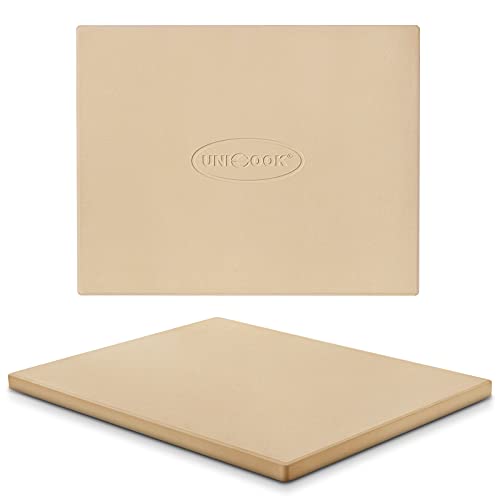
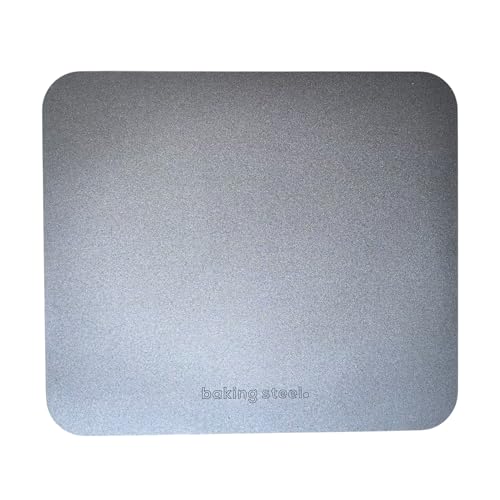
The five tools that do the work in every method on this site: a slab that stores heat, something to launch with, a way to read the surface, and a clean cut.


Convenience vs flavor: the trade that actually decides it
Strip the argument down and it comes to one trade: gas buys you convenience, wood buys you flavor and ritual. Everything else is detail. A gas oven is a push-button appliance, turn the dial, wait while the burner roars, and you are cooking in fifteen to twenty minutes with a temperature you set and the oven holds. A wood-fired oven is a small fire you are responsible for: you build it, burn it in for thirty to forty-five minutes until the dome turns clear and the stone is saturated with heat, and then you tend it bake to bake.
What you get for the extra labor of wood is real and it is two things. First, flavor, a live wood fire throws leopard-spotted char and a faint, genuine smoke note onto the crust that a gas flame, however hot, simply does not produce. Connoisseurs can taste it; many casual eaters can too once it's pointed out. Second, the experience, feeding a fire on a Saturday evening is a different kind of cooking than turning a knob, and for a lot of people that ritual is the point of buying an outdoor pizza oven in the first place.
The temperature myth: what peak floor temp really shows
The single most repeated claim in this debate is that wood ovens get hotter than gas. Measured against the ovens we actually track, that is not what the data says. Across the modern outdoor ovens in our verified database, gas and wood-fired models cluster at the same ceiling, a peak around 950°F, because the limiting factor is the insulation, the stone, and the chamber design, not the fuel. A propane burner tuned for pizza and a well-managed hardwood fire both deliver more heat than a 14-inch stone can usefully hold.
This is the floor temperature that matters, and it is the number our reviews lead with: the temperature of the cooking stone, not the air. A true Neapolitan-style bake, puffed, blistered, done in 60 to 90 seconds, needs a stone hovering around 750°F or hotter. Both fuels clear that bar comfortably. The 60-Second-Pizza Club, our shorthand for ovens that can genuinely turn out a leopard-spotted pie in about a minute, has roughly equal gas and wood membership for exactly this reason.
The practical upshot: if someone is steering you toward wood "because it gets hotter," they are selling you a premise the measurements don't support. Choose your fuel on convenience, flavor, and recovery, not on a temperature gap that, among quality modern ovens, barely exists. For the full ranked picture, see our best pizza ovens guide.
Heat recovery: the metric that separates the two
If peak temperature is where gas and wood look the same, heat recovery is where they look completely different, and it is the part of the signature metric most buyers have never been told to think about. Recovery is how fast the cooking stone climbs back to baking temperature after you slide a cold, wet pizza onto it. Every pizza you launch dumps heat into the dough; recovery is the oven's ability to replace it before the next pie goes in.
Gas recovers almost instantly because the flame never stops. The burner is still roaring while your pizza cooks, pouring energy back into the stone in real time, so pizzas two through ten come out as hot and fast as pizza one. This is the quiet reason gas wins dinner parties: you can run a continuous line of pies for a crowd without the oven ever sagging. Wood recovers on its own schedule, the stone is being reheated by a finite bed of coals and the radiant dome, so after a few back-to-back bakes the floor temperature dips and you have to either feed the fire and wait or accept a slower next pizza.
The learning curve: gas is forgiving, wood is a skill
This is the trade-off the showroom doesn't mention. A gas oven is repeatable from night one. You set a temperature, you launch, you turn the pizza a couple of times, you pull it. Your tenth pizza is barely better than your first because the oven removed almost every variable. For most households that consistency is the entire value proposition: dinner you can count on, not a hobby you have to master.
A wood oven is a skill you acquire. Fire-building, fuel choice (kiln-dried hardwood, not the wet stuff that smolders and tastes acrid), where to bank the coals, how to read the dome color, how to balance a screaming-hot floor against a top that needs flame above it, none of that comes free. Expect a dozen sessions of uneven, occasionally scorched, occasionally pale pizzas before your wood bakes get reliable. Plenty of people love that arc; it is the craft they signed up for. Plenty of others just want to eat.
Cleanup and running cost: what nobody quotes you
Cleanup favors gas, decisively. A gas oven leaves essentially nothing behind, turn it off, let it cool, brush the stone. A wood oven leaves ash: you sweep out spent coals and fine ash after every session, the chamber and chimney accumulate soot, and the stone takes on the patina of live fire. None of that is hard, but it is a recurring chore that gas owners never face, and it is worth being honest with yourself about whether you'll actually do it every time or whether the oven will sit dirty.
Running cost is closer than people assume, and cuts both ways. A 20-lb propane tank runs a gas oven through many sessions for a few dollars of fuel each; it is cheap, predictable, and you refill a tank. Wood's fuel is often cheaper per session if you have a good source of kiln-dried hardwood, but quality pizza wood is not free and bad wood ruins bakes, so the "free firewood" mental model rarely survives contact with reality. Neither fuel's running cost is large enough to decide the purchase, but the upfront price and the total cost of ownership can be.
The multi-fuel "have both" option
For a large share of buyers, the entire gas-versus-wood argument is a false choice, because multi-fuel ovens let you run both, in one body. The common design is a chamber that takes a wood or charcoal fuel tray and also accepts a bolt-on gas burner, the Ooni Karu 12 being the classic example; some, like the Bertello Grande and its SimulFIRE setup, can even run wood and gas at once so the gas does the heavy lifting on temperature while the wood supplies the flavor and char. You get push-button gas on a weeknight and a live fire on a Saturday without owning two ovens or surrendering the backyard to a second appliance.
The honest trade-offs: a multi-fuel oven is usually a little pricier than a single-fuel model at the same size, the gas burner is often an add-on cost rather than included, and a dedicated gas oven will still beat it on pure plug-and-play simplicity while a dedicated wood oven will still feel a touch more authentic to a purist. But for the very common buyer who genuinely cannot decide, who wants weeknight convenience and the occasional fire, multi-fuel is not a compromise so much as the correct answer, and it sidesteps the regret of picking a side and wishing you'd picked the other.
The decision framework: which should you buy?
Here is the whole guide compressed into a framework you can act on. It is built around the signature metric, peak floor temp, the 60-Second-Pizza Club, and heat recovery, plus the human factors that actually decide satisfaction.
Buy GAS if: you want pizza on weeknights without thinking about it; you cook for crowds and need flawless heat recovery between pies; you're new to high-heat baking and want to master dough and launch before fire; consistency matters more to you than character; or you simply don't want an ash chore. Gas is the right pick for the largest number of households, full stop. Our top-ranked gas oven is the Ooni Koda 16, and when you're ready, start with our best gas pizza ovens guide.
Buy WOOD if: the live-fire flavor and the leopard-spotted char are non-negotiable; the ritual of tending a fire is part of why you want this; you cook mostly in small batches where recovery doesn't bite; and you're genuinely willing to invest a dozen sessions in the skill. Wood rewards the committed and frustrates the casual, know which you are. Our top-ranked wood and multi-fuel oven is the Ooni Karu 2 Pro, and our best wood-fired pizza ovens guide is where to look.
Ready to buy? Start with our top picks
Whatever this guide steered you toward, here's where most readers land, ranked on stated floor heat. Live price check on each.
- Check price on Amazon
- Check price on Amazon
- Check price on Amazon
- Check price on Amazon
- Check price on Amazon
- Check price on Amazon
As an Amazon Associate we earn from qualifying purchases, at no cost to you.
Key terms
- Peak floor temperature
- The temperature of the cooking stone (the floor), not the air in the chamber, the number our reviews lead with because it's what actually bakes the crust. A true Neapolitan-style bake needs a floor around 750°F or hotter. Both modern gas and wood ovens reach roughly the same ~950°F ceiling, which is why fuel rarely decides peak temperature.
- 60-Second-Pizza Club
- Our shorthand for ovens that can genuinely turn out a puffed, leopard-spotted Neapolitan pie in about 60 to 90 seconds. Membership requires a hot, even, well-recovering stone, and modern gas and wood ovens qualify in roughly equal numbers, because both clear the temperature bar that matters.
- Heat recovery
- How fast the cooking stone returns to baking temperature after a cold pizza is launched onto it. Gas recovers almost instantly because the flame never stops; wood recovers on the schedule of its coal bed. Recovery is the single metric where the two fuels differ most, and it matters most when cooking for a crowd.
- Burn-in
- The 30-to-45-minute period of building and feeding a wood fire until the dome clears (the soot burns off and turns the chamber white) and the stone is fully saturated with heat. Gas has no equivalent beyond a 15-to-20-minute preheat, the burn-in is part of wood's convenience cost and part of its ritual.
- Multi-fuel oven
- An oven that runs both wood/charcoal and gas, typically a fuel tray plus a bolt-on gas burner, sometimes both at once. It lets a buyer have weeknight gas convenience and weekend live fire in a single body, which makes it the honest answer for the very common shopper who can't choose between the two.
Questions, answered
Do wood-fired pizza ovens get hotter than gas?
Mostly no, that's the central myth this guide corrects. Across the modern outdoor ovens we track, gas and wood-fired models cluster at the same peak ceiling, around 950°F on the stone, because the limiting factor is the insulation, stone, and chamber design rather than the fuel. Both comfortably clear the ~750°F floor temperature a 60-to-90-second Neapolitan bake needs. A few thin-walled budget ovens advertise higher air-temperature spikes, but those aren't sustained, even stone heat and tend to scorch crust bottoms. Choose your fuel on convenience, flavor, and recovery, not on a temperature gap that barely exists among quality ovens.
Is gas or wood-fired better for beginners?
Gas, clearly. A gas oven is repeatable from the first night, you set a temperature, launch, turn, and pull, which lets you learn the things that actually make good pizza (dough hydration, launch technique, the turn) without simultaneously learning to build and manage a fire. Wood is a genuine skill that takes roughly a dozen sessions to get reliable. Many excellent wood-fired cooks started on gas, got their dough and launch dialed, and only then graduated to live fire. If you're new to high-heat baking, gas is the on-ramp.
Does wood-fired pizza actually taste better?
It tastes different, and to many palates better, that's wood's real advantage. A live wood fire throws leopard-spotted char and a faint, genuine smoke note onto the crust that a gas flame, however hot, doesn't replicate. Connoisseurs reliably taste it, and many casual eaters do once it's pointed out. Whether that flavor edge is worth the burn-in, the fire management, the learning curve, and the ash cleanup is the real question, for flavor-first cooks who enjoy the ritual, yes; for convenience-first households, the gap usually isn't worth the labor.
What is heat recovery and why does it matter?
Heat recovery is how fast the cooking stone climbs back to baking temperature after a cold, wet pizza is launched onto it, every pie dumps heat into the dough, and recovery is the oven replacing it before the next one goes in. Gas recovers almost instantly because the flame never stops pouring energy back into the stone, so a long line of pizzas comes out as hot and fast as the first. Wood recovers on its coal bed's schedule, so back-to-back bakes can dip the floor temperature. It barely matters when cooking for two and matters enormously when cooking for a crowd, which is why gas wins dinner parties.
Can you get a pizza oven that does both gas and wood?
Yes, multi-fuel ovens are designed exactly for that, and for many buyers they're the right answer. The common design is a chamber that takes a wood or charcoal fuel tray and also accepts a bolt-on gas burner; some can even run both at once so the gas drives the temperature while the wood supplies char and flavor. The trade-offs are a slightly higher price than a single-fuel model at the same size, a gas burner that's often an add-on cost, and a touch less plug-and-play simplicity than a dedicated gas oven. If you genuinely can't decide between gas and wood, that indecision is usually a sign multi-fuel is your pick.
Which is cheaper to run, gas or wood?
They're closer than people assume, and neither is expensive enough to decide the purchase. A 20-lb propane tank runs a gas oven through many sessions for a few dollars of fuel each, cheap and predictable. Wood can be cheaper per session if you have a reliable source of kiln-dried hardwood, but quality pizza wood isn't free and poor wood ruins bakes, so the 'free firewood' assumption rarely holds up. The costs that actually move the decision are upfront price and total cost of ownership: gas adds a regulator, hose, and tank; wood adds an ongoing wood supply and an ash-management chore every session.
Filed under Explainer
Part of Pizza Oven 101 · Wood-Fired & Multi-Fuel
Keep reading.
How to Manage a Wood Fire in a Pizza Oven
What you are signing up for if you pick wood: gas is a dial, wood is a relationship.
The Best Gas Pizza Ovens (2026)
The push-button field ranked, the weeknight ovens with instant recovery and zero ash, tested.
The Best Wood-Fired Pizza Ovens (2026)
Live-fire char and the ritual, done right, the wood and multi-fuel ovens worth the learning curve.
The Best Pizza Ovens (2026)
The full ranked field across every fuel, scored on peak floor temp, the 60-Second Club, and recovery.
Ooni vs Gozney: Which Brand Wins?
The two giants head to head, same ~950°F ceiling, very different philosophies, one clear way to choose.
Ooni Fyra 12 Review
Ooni's lightest wood-pellet oven reviewed, real live-fire flavor at $349, and what to cross-shop.