Our pick. Ooni
Check price on Amazon →Solo Stove Pi vs Ooni Karu 12 (2026): Which Should You Buy?
Two 12-inch multi-fuel ovens that line up almost spec-for-spec, both burn wood with an optional gas burner, both reach ~950°F, both belong to the 60-Second-Pizza Club. The Solo Stove Pi is the clean, circular, lifestyle-brand design with a removable burner system, at $424 and 30.5 lb. The Ooni Karu 12 is about $175 cheaper, lighter at 26.4 lb, and plugs into Ooni's much bigger accessory ecosystem and resale market. We run both on our signature spine and tell you which multi-fuel oven is yours.
By The Pizza Oven Review DeskUpdated 2026-06-29~10 min readRanked on verified floor heatHow we research
We earn a commission on purchases through our links, at no cost to you. It never decides a ranking. How this works
Our top pick.Best for Price, Portability & Ecosystem
Ooni Karu 12
- Price.
- ~$249
- Our rating.
- 4.6 out of 5
The lighter, cheaper multi-fuel oven, real wood flavor, an optional gas burner, ~950°F, and Ooni's huge accessory ecosystem behind it.
Not sure yet? Compare all 2 picks below ↓
This is the matchup for the buyer who has already made the bigger decision, they want wood-fired flavor with a gas escape hatch, and now has to choose between the two most cross-shopped 12-inch multi-fuel ovens on the market. The Solo Stove Pi and the Ooni Karu 12 are unusually alike on paper: both burn real wood for live-fire flavor, both accept an optional gas burner for push-button nights, both reach the ~950°F our verified database records, and both bake a true 12-inch Neapolitan. When two ovens are this evenly matched on performance, the decision moves to the things spec sheets don't capture, design, price, weight, and the world each brand pulls you into.
We anchor this the way we anchor every comparison: the same objective spine, applied to both. Peak floor temperature, membership in the 60-Second-Pizza Club, and heat recovery between bakes. And here the spine does something it rarely does, it calls a near-perfect tie. Both ovens peak at ~950°F, so neither bakes a hotter pie. Both are comfortable club members that turn out a leopard-spotted Neapolitan in about a minute on a well-built fire. And recovery is identical in kind: instant on the optional gas burner, fire-tending on wood for either one. There is no performance winner here. The real fork is everything around the bake.
A word on how this page is paid for, because independence is the whole point: no brand sponsored this comparison, neither Solo Stove nor Ooni knew we were writing it, and nobody bought a placement or a ranking. The Ooni Karu 12 links to Amazon and the Solo Stove Pi links to Solo Stove's own store (it isn't sold on our Amazon); if you buy through those links we may earn a commission at no extra cost to you, that never moves a rating or a verdict. Every price, temperature, weight, and size we cite comes from manufacturer-verified specs in our oven database, not marketing copy. We picked these two because once a buyer wants multi-fuel at 12 inches, this is the decision that actually matters: pay $424 for the Solo Stove Pi's circular design and fire-pit-brand world, or about $249 for the lighter Ooni Karu 12 and its far bigger accessory ecosystem.
The short version.
- Which should you buy? For most people, the Ooni Karu 12, it's about $175 cheaper, lighter, and plugs into Ooni's much bigger accessory ecosystem and resale market. Choose the Solo Stove Pi for its clean circular design and if you're already in the Solo Stove fire-pit world.
- It's a genuine tie on heat: both peak at ~950°F, and both are comfortable 60-Second-Pizza Club members. Neither oven bakes a hotter or faster pie than the other.
- Both are multi-fuel the same way: real wood for live-fire flavor, with an optional gas burner for push-button convenience. Recovery is identical, instant on gas, fire-tending on wood, for either oven.
- The real differences are price, weight, and ecosystem: $424 / 30.5 lb (Pi) vs about $249 / 26.4 lb (Karu 12). The Karu 12 is now roughly $175 cheaper, lighter, and has the deeper accessory bench; the Pi has the distinctive round design and Solo Stove brand world.
- Buy the Karu 12 for the lower price, lighter weight, and bigger ecosystem; buy the Solo Stove Pi for the design and brand loyalty. It's a close call, price and ecosystem tip it to Karu for most buyers; design tips it to Pi.
At a glance.
| Spec | Solo Stove Pi | Ooni Karu 12 | Check price |
|---|---|---|---|
| Fuel | Multi-fuel (wood + optional gas burner) | Multi-fuel (wood/charcoal + optional gas burner) | Check price on Amazon |
| Peak floor temp | ~950°F | ~950°F | |
| Max pizza size | 12 in | 12 in | |
| Weight | 30.5 lb | 26.4 lb | |
| Heat recovery | Wood needs tending; gas burner instant | Wood needs tending; gas burner instant | |
| Price | ~$424 | ~$249 | |
| Best for | Circular design, Solo Stove brand world | Lower price, lighter weight, bigger ecosystem |
Two 12-inch multi-fuel ovens, head to head, specs verified against our oven database (docs/verified-ovens.json) in June 2026. Tied on heat and fuel; the split is price, weight, design, and ecosystem.
Ooni Karu 12
Ooni
The lighter, cheaper multi-fuel oven, real wood flavor, an optional gas burner, ~950°F, and Ooni's huge accessory ecosystem behind it.
Our verdict: The Karu 12 is the pick for most multi-fuel buyers. It matches the Solo Stove Pi where it counts, ~950°F, real wood flavor, an optional gas burner, and beats it on the things around the bake: it's about $175 cheaper at roughly $249, lighter at 26.4 lb, and plugs into Ooni's far bigger accessory ecosystem and a deep resale market. You give up the Pi's distinctive round design, not any performance. If price, portability, and a big ecosystem lead, this is the smarter buy.
On paper. Manufacturer-verified peak floor temperature of ~950°F on wood, a comfortable 60-Second-Pizza Club member, tied with the Solo Stove Pi but about $175 cheaper and nearly four pounds lighter.
The Karu 12 is the multi-fuel oven most people should buy, and against the Solo Stove Pi its edge is everything that isn't the bake. The Karu 12 burns real wood or charcoal for genuine live-fire flavor and reaches the ~950°F peak our database records, exactly the same ceiling as the Pi. It's a comfortable 60-Second-Pizza Club member: launch a well-stretched 12-inch pie on a good fire and you're pulling a leopard-spotted Neapolitan in about a minute. And like the Pi, it takes an optional gas burner, so you can switch to push-button convenience on a weeknight. On pure cooking, these two are twins.
Because it's wood-first, recovery on wood asks you to tend the fire to hold temperature between pies, exactly like the Pi, and the optional gas burner makes recovery instant on either oven, so that's a wash too. What you give up versus the Solo Stove Pi is the round, sculptural look and the fire-pit-brand world; the Karu 12 is a more conventional, boxy Ooni form. But you're trading a design preference for real money, lighter weight, and a bigger support system. For the buyer who wants the most multi-fuel oven for the least money and the deepest ecosystem behind it, the Karu 12 is the one to get.
Who should buy it.
Buy the Karu 12 if price, portability, and ecosystem lead, you want genuine wood-fired flavor and an optional gas burner, but you'd rather keep the roughly $175 and carry nearly four fewer pounds, and you value Ooni's deep bench of accessories and its strong resale market. It's the right pick for budget-conscious buyers, anyone who moves or stores the oven often, and first-time multi-fuel owners who want the biggest support ecosystem to grow into. If a distinctive round design or the Solo Stove brand world matters more to you than money and accessories, the Pi is the one to consider instead.
What we don't like.
Its form is the more conventional, boxy Ooni shape, if you want a piece that looks like sculpture on the patio, the Solo Stove Pi's round design wins on looks. Like the Pi, it's wood-first, so heat recovery on wood depends on your fire-tending unless you add the optional gas burner, which is sold separately. And wood and charcoal mean ash and embers to manage every session, the honest cost of live-fire flavor on either oven.
- Fuel
- Multi-fuel, wood/charcoal, with an optional gas burner attachment
- Peak temp
- ~950°F (manufacturer-verified)
- Max pizza size
- 12 in
- Weight
- 26.4 lb
- Price
- ~$249
What we like.
- About $175 cheaper than the Solo Stove Pi (~$249 vs $424)
- Lighter at 26.4 lb, nearly four pounds easier to carry and store
- ~950°F peak and real wood flavor, tied with the Pi on the bake
- Ooni's much bigger accessory ecosystem and deep resale market
Worth noting.
- More conventional, boxy form, the Pi's round design has the looks
- Wood-first: recovery on wood depends on fire-tending unless you add gas
- Optional gas burner is sold separately, like the Pi's
Solo Stove Pi
Solo Stove
The clean, circular multi-fuel Pi, a removable burner system, the same ~950°F wood bake, and Solo Stove's fire-pit-brand design.
Our verdict: The Pi is the pick when design and brand world lead. It matches the Karu 12 on the bake, ~950°F, real wood flavor, an optional gas burner, and adds the clean, round, sculptural Solo Stove look and a removable burner system. The cost is real, and it has grown: about $175 more at $424 and nearly four pounds heavier. If you love the design, or you're already in the Solo Stove fire-pit world and want your pizza oven to match, the Pi earns its premium. If price and ecosystem lead, the Karu 12 is the smarter buy.
On paper. Manufacturer-verified peak floor temperature of ~950°F on wood, a comfortable 60-Second-Pizza Club member, tied with the Ooni Karu 12 on the bake but built around Solo Stove's distinctive round design.
The Pi is the design pick, and against the Karu 12 that's its case, because on the bake, these two are tied. The Solo Stove Pi burns real wood for live-fire flavor and reaches the same ~950°F peak our database records for the Karu 12, so it's an equally comfortable 60-Second-Pizza Club member: a well-built fire turns out a hard-charred, leopard-spotted 12-inch Neapolitan in about a minute. Like the Karu 12, it takes an optional gas burner for push-button nights, its burner system is removable, so the fuel flexibility matches too. What sets it apart is the package: the round, sculptural Solo Stove form that looks like it belongs next to one of the brand's fire pits.
On recovery the two are even: the Pi is wood-first, so holding temperature between pies on wood means tending the fire, exactly like the Karu 12, and the optional gas burner makes recovery instant on either. The honest read is that the Pi asks you to pay more, carry more, and accept a smaller accessory world in exchange for a design many people genuinely prefer and a brand they may already love. If you're drawn to the round Solo Stove look or you already own the brand's fire pits and want a matching Solo Stove oven, the Pi is a great oven that bakes every bit as well as its cheaper rival. If you're deciding on the numbers, the Karu 12 wins them.
Who should buy it.
Buy the Pi if design and brand world lead, you love the clean, round, sculptural Solo Stove form, you want a removable burner system, and you're happy to pay about $175 more and carry nearly four extra pounds for a look you prefer. It's the natural pick if you already own Solo Stove fire pits and want your pizza oven to match the aesthetic, and for buyers who value how an oven looks on the patio as much as how it bakes. If price, lighter weight, and a bigger accessory ecosystem matter more, the Karu 12 is the smarter call.
What we don't like.
It's about $175 more than the Karu 12 and nearly four pounds heavier at 30.5 lb, and it delivers an identical ~950°F bake for that premium, you're paying for design and brand, not performance. It also sits outside Ooni's much larger accessory ecosystem, so peels, covers, and add-ons are a thinner field, and the resale market is smaller. Like the Karu 12, it's wood-first, so recovery on wood depends on your fire-tending unless you add the optional gas burner, which is a separate purchase.
- Fuel
- Multi-fuel (wood + optional gas burner)
- Peak temp
- ~950°F (manufacturer-verified)
- Max pizza size
- 12 in
- Weight
- 30.5 lb
- Price
- ~$424
What we like.
- Distinctive round, sculptural Solo Stove design, the looks pick
- Removable burner system and an optional gas burner for flexibility
- ~950°F peak and real wood flavor, tied with the Karu 12 on the bake
- Natural match if you already own Solo Stove fire pits
Worth noting.
- About $175 more than the Karu 12 ($424 vs ~$249) for an identical bake
- Heavier at 30.5 lb, nearly four pounds more to carry and store
- Outside Ooni's much bigger accessory ecosystem; thinner resale market
What you'll need.
Prices approximate at time of writing.
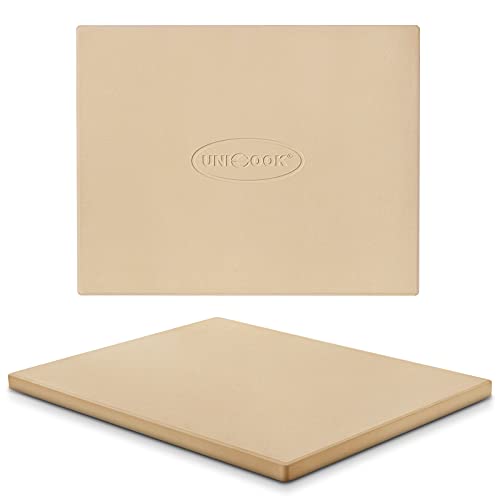
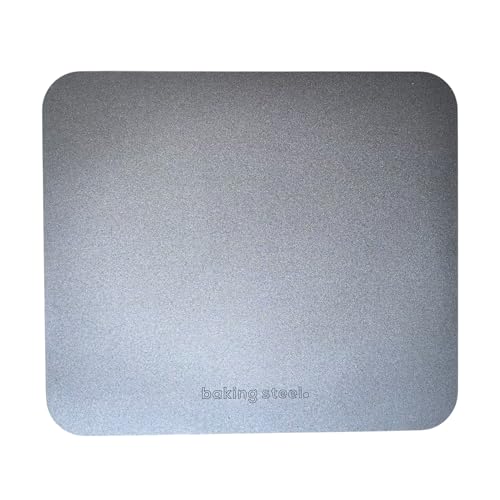
The five tools that do the work in every method on this site: a slab that stores heat, something to launch with, a way to read the surface, and a clean cut.


More ovens worth comparing
Beyond this guide, the highest-rated ovens across every fuel and budget, with a live price check on each.
- Check price on Amazon

- Check price on Amazon

- Check price on Amazon
- Check price on Amazon

- Check price on Amazon

- Check price on Amazon

As an Amazon Associate we earn from qualifying purchases, at no cost to you.
Quick shop: every pick.
Skip the scroll: the whole lineup, with a live price check on each.
- Ooni Karu 12Best for Price, Portability & EcosystemOoni · ~$249Check price on Amazon
- Solo Stove PiBest for Design & the Solo Stove Brand WorldSolo Stove · ~$424Check price
How we chose.
We judge every oven on the same signature spine, and for these two the spine confirms how closely matched they are. First, peak floor temperature: the heat of the cooking stone, not the chamber air. The Solo Stove Pi and the Ooni Karu 12 both reach ~950°F in our manufacturer-verified database, a dead tie, the top of the portable field for both. Second, the 60-Second-Pizza Club: both are comfortable members. On a well-built wood fire each drives a high-hydration Neapolitan to hard, leopard-spotted done in about a minute. Neither sits a tier above the other; they bake the same kind of pizza at the same kind of speed.
Third, heat recovery, and even here the two are even. Both are wood-first multi-fuel ovens, so on wood recovery is a skill: feed and tend the firebox to hold temperature between pies, and both reward that diligently. Both also accept an optional gas burner that makes recovery instant when you'd rather not manage a fire. So the spine reads as a tie, not a trade, same peak, same club, same recovery behavior. That's exactly why this comparison is decided off the spec sheet: by price, weight, design, and the ecosystem each brand surrounds the oven with. We verified every spec against our database, not brand marketing, and we don't invent test panels or numbers. No brand paid for this; the links may earn a commission that never changes a verdict. The result is a genuinely close call, and a clear one once you weigh what each brand gives you around the same great bake.
Key terms
- Peak floor temperature
- The temperature of the cooking stone, not the chamber air, the number our reviews lead with. The Solo Stove Pi and the Ooni Karu 12 both reach ~950°F, a flat tie at the top of the portable field. Neither bakes a hotter pie.
- 60-Second-Pizza Club
- Our shorthand for ovens that turn out a puffed, hard-leopard-spotted Neapolitan in about a minute. Both the Pi and the Karu 12 are comfortable members on a well-built wood fire, this matchup isn't decided on speed, but on price, weight, design, and ecosystem.
- Heat recovery
- How fast an oven returns to temperature between bakes. Both ovens are wood-first, so on wood recovery depends on your fire-tending; both accept an optional gas burner that makes recovery instant. The two behave identically here, so it isn't a deciding factor.
- Multi-fuel
- An oven that can run on more than one fuel. Both the Pi and the Karu 12 burn wood for live-fire flavor and accept an optional gas burner for push-button convenience, so you're never locked into one fuel on either oven. The fuel story is a tie.
- Accessory ecosystem
- The breadth of peels, covers, thermometers, gas kits, and add-ons a brand and its aftermarket support, plus how easily the oven resells. Ooni's ecosystem and used market are much larger than Solo Stove's, which is a real edge for the Karu 12 beyond the bake itself.
Questions, answered
Which is better, the Solo Stove Pi or the Ooni Karu 12?
For most buyers, the Ooni Karu 12, but they're very close ovens, so the right pick depends on what you weight. They're tied on performance: both peak at ~950°F, both are comfortable 60-Second-Pizza Club members, and both are wood-first multi-fuel with an optional gas burner and identical heat recovery. The Karu 12 wins on price (about $249 vs $424), weight (26.4 lb vs 30.5), and ecosystem (Ooni's much bigger accessory lineup and resale market). The Pi wins on the distinctive round design and the Solo Stove brand world. Buy the Karu 12 for the lower price, lighter weight, and bigger ecosystem; buy the Pi for the design and if you're already a Solo Stove owner.
Is the Ooni Karu 12 hotter than the Solo Stove Pi?
No, they're a flat tie on heat. Both reach ~950°F in our verified database, the top of the portable field, and both bake a hard, leopard-spotted 60-second Neapolitan on a well-built wood fire. There's no temperature advantage to either oven, so don't choose between these two on heat. The real differences are price, weight, design, and ecosystem, where the Karu 12 leads on cost, weight, and accessories and the Pi leads on the round design and the Solo Stove brand world.
Is the Solo Stove Pi worth the extra $175 over the Ooni Karu 12?
It's worth it if you specifically want the design or the brand. The premium, now about $175 ($424 vs roughly $249, up from $75 when the Karu 12 listed at $349), does not buy a hotter bake, a bigger pizza, or faster recovery, those are all tied between the two ovens. What it buys is the clean, round, sculptural Solo Stove form, a removable burner system, and a brand world you may already own if you have Solo Stove fire pits. If you're drawn to that look or that ecosystem, the Pi earns its premium. If you're deciding on the numbers, price, weight, and accessory support, the Karu 12 is the smarter buy, and it bakes exactly as well.
Do both ovens run on wood and gas?
Yes, that's the whole reason they're cross-shopped. Both the Solo Stove Pi and the Ooni Karu 12 are wood-first multi-fuel ovens: they burn real wood for live-fire flavor out of the box, and each accepts an optional gas burner you can add for push-button convenience. So you can run either one as a wood oven for weekend flavor or a gas oven for weeknight ease. On both, the gas burner is a separate purchase, not included in the box. The fuel flexibility is identical, which is exactly why the decision comes down to price, weight, design, and ecosystem.
Which multi-fuel oven is more portable?
The Ooni Karu 12, by a small but real margin. It weighs 26.4 lb to the Solo Stove Pi's 30.5, nearly four pounds lighter, so it's a touch easier to carry to a campsite, lift onto a table, or stow on a shelf between weekends. Both are genuinely portable 12-inch ovens, so neither is a burden, but if portability and easy storage are priorities the Karu 12 is the lighter pick. It's also about $175 cheaper, which compounds the case for the value-and-portability buyer.
Why does the Ooni Karu 12 have a bigger ecosystem?
Ooni built one of the largest pizza-oven accessory ranges on the market, peels, turning peels, covers, infrared thermometers, gas burner kits, tables, and more, and the aftermarket and used markets around Ooni are correspondingly deep. That means it's easier to find add-ons, replacement parts, and a strong resale value for the Karu 12. Solo Stove's lineup is smaller and more design-led, centered on its fire-pit world. Neither affects how the pizza bakes, both ovens are tied on performance, but the bigger ecosystem is a real, lasting advantage for the Karu 12 in how you live with and eventually sell the oven.
Filed under Comparison
Part of Comparisons & Head-to-Heads
Keep reading.
Ooni Karu 12 Review
The full verdict on the cheapest, lightest way into real wood-fired pizza, ~950°F, 26.4 lb, ~$249.
Ooni vs Solo Stove (2026)
The two most cross-shopped brands, head to head, heat, simplicity, ecosystem, and price compared.
Solo Stove Pi vs Pi Prime (2026)
The multi-fuel Pi against the gas-only Pi Prime, wood flavor and heat versus push-button simplicity and price.
Best Multi-Fuel Pizza Ovens (2026)
The wood-and-gas field ranked on our signature metric, where the Pi and the Karu 12 land against the rest.
The Best Pizza Ovens (2026)
The full ranked field across every brand and fuel, scored on our signature metric.
Ooni vs Gozney: Which Brand Wins?
The two giants head to head, same ~950°F ceiling, very different philosophies, one clear way to choose.
Ooni Fyra 12 Review
Ooni's lightest wood-pellet oven reviewed, real live-fire flavor at $349, and what to cross-shop.