Our pick. Ooni
Check price on Amazon →Are Solo Stove Pizza Ovens Worth It? (2026): An Honest Verdict
Short version: yes, if you want a simple, affordable, good-looking 12-inch oven from a brand you may already trust, especially if you own Solo Stove fire pits. The round, clean Pi and Pi Prime are easy to live with, fairly priced (~$400 and $424), and the multi-fuel Pi reaches the ~950°F floor that bakes a true 60-second Neapolitan pie. The catches are real: the lineup is just two ovens, both 12-inch only, and the gas Pi Prime runs cooler (~850°F) than Ooni's and Gozney's ~950°F gas ovens. Here's where Solo Stove earns it, where it doesn't, which model fits whom, and who's better served by Ooni's range or Gozney's build.
By The Pizza Oven Review DeskUpdated 2026-06-29~11 min readRanked on verified floor heatHow we researchOfficial site ↗
We earn a commission on purchases through our links, at no cost to you. It never decides a ranking. How this works
"Are Solo Stove pizza ovens worth it?" usually gets answered by people who only sell Solo Stove or people who only sell its rivals. We do neither exclusively. We test the field, we rank competitors honestly, and we'll tell you when the answer is "buy an Ooni instead" or "a Gozney is the better-built oven." So treat this as the version written by someone with no stake in which box lands on your patio, only in being right enough to be trusted twice. Nothing here is sponsored.
Here's our standing position before we get into models. A dedicated pizza oven is worth it only if you specifically want what a home oven physically can't do: reach the 850 to 950°F floor that bakes a true Neapolitan pie in 60 to 90 seconds. Solo Stove makes exactly two ovens, and they sit on opposite sides of that line, the multi-fuel Pi peaks around 950°F, squarely inside what we call the 60-Second-Pizza Club, while the gas Pi Prime peaks around 850°F, which is hot enough for great pizza but a real notch below the ~950°F gas ovens from Ooni and Gozney. That ~950°F-vs-~850°F split is the single most important fact about the lineup, and we'll name it honestly throughout.
This guide answers both halves of the question. We cover what Solo Stove genuinely does well, decode the two-oven lineup by who-it's-for and real price, lay out the honest downsides nobody markets, put Solo Stove head-to-head against Ooni and Gozney in a single paragraph, and finish with a clear verdict on who should buy Solo Stove versus who should look elsewhere. We use our standard lens throughout, peak floor temperature, the 60-Second-Pizza Club, and heat recovery, because those capabilities are exactly what you're paying for. We'd rather talk you out of the wrong oven than into any oven.
The short version.
- Solo Stove is worth it if you want a simple, affordable, attractive 12-inch oven from a familiar lifestyle brand, especially if you already own and like Solo Stove fire pits and want the look and ecosystem to match.
- The lineup is just two ovens, both 12-inch: the gas Pi Prime (~$400, ~850°F, simplest) and the multi-fuel Pi ($424, ~950°F, wood with optional gas). Only the Pi reaches true 60-Second-Pizza Club heat, and the two are now only about $25 apart.
- The honest split to understand: the multi-fuel Pi hits ~950°F, but the gas Pi Prime peaks at ~850°F, meaningfully cooler than the ~950°F gas ovens from Ooni and Gozney, which does affect true top-end Neapolitan.
- The real downsides are narrowness: only two models, 12-inch only (no bigger party-pie option exists), and the gas Pi Prime's cooler ~850°F ceiling, all things a fair verdict has to name up front.
- Solo Stove isn't the only answer: Ooni offers far more models, sizes, and fuels plus a ~950°F gas Koda line, and Gozney is the more premium build, so the brand is best for simplicity seekers and existing Solo Stove owners, not buyers who need range or the hottest gas.
Our top-rated pizza ovens
Whatever you decide, these are the ovens we recommend, ranked on stated floor heat. Live price check on each.
- Check price on Amazon

- Check price on Amazon

- Check price on Amazon

- Check price on Amazon

- Check price on Amazon

- Check price on Amazon

As an Amazon Associate we earn from qualifying purchases, at no cost to you.
What you'll need.
Prices approximate at time of writing.
The five tools that do the work in every method on this site: a slab that stores heat, something to launch with, a way to read the surface, and a clean cut.


The short answer: yes, for simplicity seekers, with two honest caveats
Let's settle the headline first. For the right buyer, a Solo Stove pizza oven is worth it. The case is straightforward: Solo Stove makes a clean, round, good-looking oven that's easy to set up and easy to live with, prices it fairly (~$400 for the gas Pi Prime, $424 for the multi-fuel Pi), and, on the Pi, reaches the ~950°F floor that bakes a true 60-second Neapolitan pie. If you want an uncomplicated entry into backyard pizza from a brand you may already trust, Solo Stove delivers that without fuss or sticker shock.
But two caveats decide whether it's worth it for you, specifically. The first is the same one that applies to every oven: a dedicated pizza oven only pays off if you actually want the 60-second pizza it makes and you'll use the thing. The second is unique to this brand and we won't bury it, the gas Pi Prime peaks around 850°F, not the ~950°F you get from Ooni's and Gozney's gas ovens. That's still hot enough for excellent pizza, but it's a real difference at the very top end of Neapolitan, and the multi-fuel Pi (which does hit ~950°F) is the model to choose if that top-end heat matters to you.
What Solo Stove genuinely does well
Three things, and they're real. First, design and simplicity. Solo Stove built its name on clean, circular, almost sculptural fire products, and the pizza ovens carry that DNA, the round Pi and Pi Prime look better on a patio than a lot of boxy rivals, and they're refreshingly easy to operate. There's no sprawling lineup to decode and no fiddly setup; you pick one of two ovens, fire it up, and launch a pizza. For buyers who find the rest of the category overwhelming, that simplicity is a genuine feature, not a limitation.
Second, price and entry. At ~$400 for the gas Pi Prime and $424 for the multi-fuel Pi, Solo Stove sits in the middle of the serious-oven market, well under the flagship gas and multi-fuel ovens from the premium brands but no longer undercutting their entry models, the Ooni Karu 12 now lands near $249 and the Gozney Roccbox near $399. You're not paying a showpiece tax to get into real backyard pizza, and the multi-fuel Pi in particular gives you wood-fired flavor and ~950°F heat for a fair price. It's an honest value proposition: a capable oven without the top-of-range cost.
Third, brand familiarity and the ecosystem. A huge number of buyers already own a Solo Stove fire pit and trust the brand, and for them the pizza oven is a natural, low-risk add that matches the look and the company they've already bought into. The Pi reaches ~950°F, true 60-Second-Pizza Club territory, so the multi-fuel model isn't just pretty; it bakes a real Neapolitan pie. For someone who wants the Solo Stove aesthetic and a brand they recognize, that combination of familiarity plus genuine capability is the whole appeal.
The lineup decoded, which Solo Stove for whom (and what it costs)
Solo Stove's lineup is the simplest in the category: two ovens, both 12-inch, split by fuel and heat. The simplest gas oven, Pi Prime (~$400): a single-propane-burner, 12-inch gas oven that peaks around 850°F. It's the easiest possible way into Solo Stove pizza, turn the gas on, wait for the floor to heat, launch a pie, no fire to tend. It's the right pick for the buyer who wants pure convenience and a clean propane flame, and who's happy with very good (rather than absolute-hottest) Neapolitan heat. At ~$400 it's still the cheaper of the two, though only by about $25 now.
The hotter, more flexible oven, Pi ($424): a 12-inch multi-fuel oven that burns wood (with an optional gas burner attachment) and reaches ~950°F, true 60-Second-Pizza Club heat. This is the model for the buyer who wants real wood-fired flavor, the live-fire experience, and the top-end heat that bakes the most blistered Neapolitan pie Solo Stove can make. The trade-off versus the Pi Prime is the usual multi-fuel one: more flavor and more heat in exchange for tending a fire instead of turning a knob, and a slightly higher $424 price.
That's the entire range, there is no 16-inch Solo Stove, no electric option, and no showpiece. Both ovens cook a 12-inch pizza, which is plenty for one or two pies at a time but is a genuine ceiling if you dream of bigger party pies or feeding a crowd fast. The choice between the two comes down to a single question: do you want maximum simplicity and the lowest price (Pi Prime, ~850°F gas), or wood flavor and the hottest floor (Pi, ~950°F multi-fuel)? We break that decision down in full in our Solo Stove Pi vs. Pi Prime comparison.
The honest downsides nobody markets
Solo Stove makes a likeable oven, but a fair verdict has to name the trade-offs, and here they're mostly about narrowness. First, the lineup is just two models. Where Ooni offers gas, multi-fuel, electric, and pellet ovens across many sizes, Solo Stove gives you exactly two choices. If neither the Pi nor the Pi Prime fits your needs, there's no third option to step up or sideways to, you've seen the whole catalog. For some buyers that simplicity is a relief; for anyone with a specific need outside the two, it's a hard limit.
Second, both ovens are 12-inch only. A 12-inch cooking surface bakes a standard personal-to-medium pizza beautifully, but there is no larger Solo Stove for bigger party pies or faster crowd-feeding. If you regularly cook for groups and want to turn out 16-inch pizzas, Solo Stove simply doesn't make that oven, and you'll want an Ooni Koda 16 or a Gozney Arc XL instead. This isn't a flaw in the ovens that exist, it's a gap in the lineup, and it's a real one for entertainers.
Third, and most important to name plainly: the gas Pi Prime peaks around 850°F, cooler than the ~950°F gas ovens from Ooni and Gozney. That ~100°F difference is genuine and it matters at the very top of Neapolitan, a hotter floor blisters and puffs the crust faster and more dramatically. The Pi Prime still makes excellent pizza, and the multi-fuel Pi does hit ~950°F, so the limitation is specifically on the gas model. But if you want the hottest, simplest gas oven, Solo Stove's gas option isn't it, and pretending otherwise would be the kind of fanboy claim we don't make.
Solo Stove vs. the rivals, in one paragraph
Solo Stove isn't the only good oven, and an honest verdict says where the competition wins. Versus Ooni: Ooni is the breadth-and-value champion, far more models, sizes, and fuels (gas, multi-fuel, electric, pellet), and crucially a gas Koda line that peaks around 950°F where Solo Stove's gas Pi Prime tops out near 850°F. So if you want the hottest gas oven, more sizes, or the deepest ecosystem, Ooni outguns Solo Stove on almost every axis except simplicity and the round Solo Stove look; we lay the matchup out in Ooni vs. Solo Stove. Versus Gozney: Gozney is the premium-build play, denser insulation, a heavier safe-touch shell, and a more refined fit-and-finish at a higher price, so if build quality and design are what you're paying for, Gozney is the upgrade over Solo Stove's lighter, simpler ovens, a comparison we detail in Gozney vs. Solo Stove.
The verdict: who should buy Solo Stove, and who shouldn't
Buy a Solo Stove if you want a simple, affordable, good-looking 12-inch oven and you value ease over range. It's an especially easy yes for three profiles: the simplicity seeker who finds the rest of the category overwhelming and just wants two clear choices; the existing Solo Stove owner who already trusts the brand and wants the look and ecosystem to match a fire pit they love; and the design lover on a budget who wants the cleanest-looking oven on the patio without paying a premium price. For these buyers, pick the Pi ($424) if you want wood flavor and the hottest ~950°F floor, or the Pi Prime (~$400) if you want the simplest, cheapest gas option and are happy at ~850°F, our Solo Stove Pi Prime review digs into that gas model in depth.
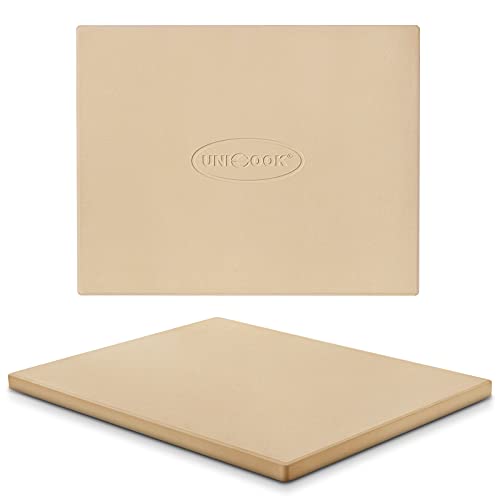
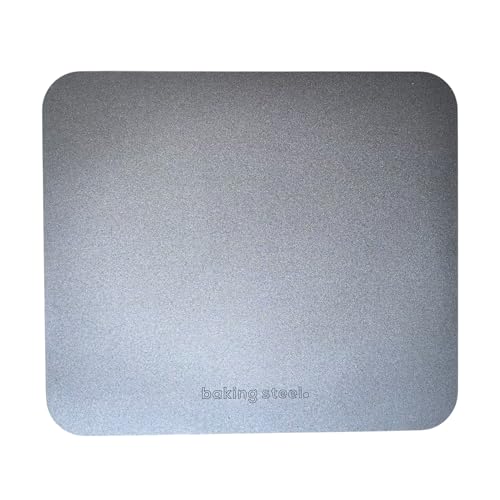
Look elsewhere if a specific need pulls you off Solo Stove. If you want the hottest gas oven, more sizes (especially a 16-inch for party pies), or the deepest accessory-and-app ecosystem, Ooni is the better fit, its range and its ~950°F gas Koda line outclass Solo Stove on breadth and top-end gas heat. If you want the most premium build and design and you'll pay for it, Gozney is the upgrade. And skip a dedicated oven entirely if you'd be just as happy with New York or Detroit pizza, or you'd only fire it up a few times a year, in that case a $100 baking steel in the oven you already own is the smarter buy. Solo Stove is worth it for a real, specific group, simplicity-first buyers and existing fans who want a fairly-priced 12-inch oven, and it's honestly the wrong pick for anyone who needs range or the hottest gas.
Ready to buy? Start with our top picks
Whatever this guide steered you toward, here's where most readers land, ranked on stated floor heat. Live price check on each.
- Check price on Amazon
- Check price on Amazon
- Check price on Amazon
- Check price on Amazon
- Check price on Amazon
- Check price on Amazon
As an Amazon Associate we earn from qualifying purchases, at no cost to you.
Key terms
- Peak floor temperature
- The temperature of the cooking stone, which sets the crust. Solo Stove's two ovens split here: the multi-fuel Pi reaches ~950°F, while the gas Pi Prime peaks around 850°F, versus a home oven's ~550°F ceiling. That split is the single most important spec in the lineup.
- 60-Second-Pizza Club
- Our benchmark for ovens that bake a leopard-spotted Neapolitan pie in about 60 to 90 seconds and keep doing it. The multi-fuel Solo Stove Pi qualifies at ~950°F; the gas Pi Prime, at ~850°F, makes excellent pizza but sits just below the very top of that band.
- Pi vs. Pi Prime
- Solo Stove's entire lineup, and its central trade-off. The Pi ($424) is multi-fuel, wood with optional gas, and hits ~950°F for wood flavor and top-end heat. The Pi Prime (~$400) is gas-only, simplest to run, and peaks around 850°F. Both are 12-inch. Pick heat and flavor (Pi) or simplicity and price (Pi Prime).
- Heat recovery
- How fast the floor returns to temperature between pies, central to feeding a crowd one blistering pizza after another. It matters for both Solo Stove ovens, but the 12-inch-only lineup means even fast recovery tops out at personal-to-medium pies, with no larger model for bigger party pizzas.
- 12-inch ceiling
- Both Solo Stove ovens cook a 12-inch pizza, and there is no larger model. That's plenty for one or two pies at a time, but a real limit for anyone who wants 16-inch party pizzas, a gap that sends crowd-feeders toward an Ooni Koda 16 or a Gozney Arc XL instead.
- The cooler-gas trade-off
- The gas Pi Prime peaks around 850°F, roughly 100°F below the ~950°F gas ovens from Ooni and Gozney. It still bakes excellent pizza, but the difference is genuine at the top of Neapolitan, the reason we steer top-end-heat buyers to the multi-fuel Pi or a rival's gas oven.
Questions, answered
Are Solo Stove pizza ovens actually worth the money?
For the right buyer, yes. Solo Stove makes a clean, round, good-looking 12-inch oven that's simple to use and fairly priced (~$400 for the gas Pi Prime, $424 for the multi-fuel Pi), and the multi-fuel Pi reaches the ~950°F floor that bakes a true 60-second Neapolitan pie. It's an especially easy yes if you want simplicity over range or you already own and trust Solo Stove fire pits. The two honest caveats: the lineup is just two 12-inch ovens with no larger option, and the gas Pi Prime peaks around 850°F, cooler than the ~950°F gas ovens from Ooni and Gozney. If you want the hottest gas or bigger pies, look at Ooni; if you want a premium build, look at Gozney.
Should I buy the Solo Stove Pi or the Pi Prime?
It comes down to one trade-off. The Pi Prime (~$400) is the simplest, cheapest option, a single-burner gas oven that peaks around 850°F, with no fire to tend; choose it if you want pure convenience and are happy with very good rather than absolute-hottest Neapolitan heat. The Pi ($424) is the multi-fuel model, it burns wood (with optional gas) and reaches ~950°F, true 60-Second-Pizza Club territory; choose it if you want real wood-fired flavor and the hottest floor Solo Stove makes. Both are 12-inch. In short: Pi Prime for simplicity and price, Pi for heat and flavor, our full Pi vs. Pi Prime comparison walks through every difference.
Why is the Solo Stove Pi Prime cooler than other gas pizza ovens?
The gas Pi Prime uses a single propane burner and peaks around 850°F, where Ooni's gas Koda line and Gozney's gas ovens reach about 950°F. That roughly 100°F gap is real and it matters at the very top of Neapolitan, a hotter floor blisters and puffs the crust faster and more dramatically. That said, 850°F still bakes genuinely excellent pizza, and it's specifically the gas Pi Prime that runs cooler: Solo Stove's multi-fuel Pi does reach ~950°F. So if you want the hottest gas oven, the Pi Prime isn't it, choose the multi-fuel Pi, or an Ooni or Gozney gas model instead.
What are the downsides of buying a Solo Stove pizza oven?
Three honest ones, all about narrowness. The lineup is just two models, the gas Pi Prime and the multi-fuel Pi, so if neither fits, there's no third option to step up to. Both ovens are 12-inch only, with no larger model for 16-inch party pies, which makes Solo Stove a poor fit for anyone who regularly feeds a crowd. And the gas Pi Prime peaks around 850°F, cooler than the ~950°F gas ovens from Ooni and Gozney, a real difference at the top of Neapolitan. None of these makes Solo Stove a bad buy, they make it a focused one. If you want a simple 12-inch oven, it's great; if you need range or the hottest gas, look elsewhere.
Is Solo Stove better than Ooni or Gozney?
It depends on what you value. Versus Ooni, Solo Stove wins on simplicity and the clean round design, but Ooni wins almost everywhere else, far more models, sizes, and fuels, plus a gas Koda line at ~950°F where Solo Stove's gas Pi Prime tops out near 850°F. Versus Gozney, Solo Stove is the cheaper, simpler, lighter option, while Gozney is the premium build, denser insulation, a heavier safe-touch shell, more refined fit-and-finish, at a higher price. So Solo Stove is the pick for simplicity seekers and existing fans on a budget; Ooni is the pick for range and top-end gas heat; Gozney is the pick for build quality and design.
Is a Solo Stove pizza oven a good choice if I already own a Solo Stove fire pit?
It's one of the best reasons to buy one. If you already own and like a Solo Stove fire pit, the pizza oven is a natural, low-risk add, it matches the clean round aesthetic, comes from a brand you already trust, and slots into the look and ecosystem you've already bought into. The multi-fuel Pi backs that familiarity with real capability, reaching ~950°F for a true 60-second Neapolitan bake, while the gas Pi Prime keeps things simplest at ~850°F. Just go in clear-eyed on the limits that apply to everyone: both ovens are 12-inch only, and the gas Pi Prime runs cooler than rival gas ovens. If those fit your needs, brand familiarity makes Solo Stove an easy, comfortable choice.
Keep reading.
Solo Stove Pi Prime Review (2026)
The gas model up close, where the simplest, cheapest Solo Stove earns its ~$400 price, and what its ~850°F ceiling does and doesn't cost you.
Solo Stove Pi vs. Pi Prime
The whole lineup, head to head, multi-fuel ~950°F heat and wood flavor against gas simplicity and a lower price.
Ooni vs. Solo Stove
The value-and-range matchup, Ooni's broader lineup and ~950°F gas against Solo Stove's simpler, cheaper, cooler-gas approach.
Gozney vs. Solo Stove
The build matchup, Gozney's premium, heavily-insulated ovens against Solo Stove's lighter, simpler, more affordable round design.
Ooni vs Gozney: Which Brand Wins?
The two giants head to head, same ~950°F ceiling, very different philosophies, one clear way to choose.
Ooni Fyra 12 Review
Ooni's lightest wood-pellet oven reviewed, real live-fire flavor at $349, and what to cross-shop.
Solo Stove Pi Review
The flagship multi-fuel Pi's full review: heat, flavor, and the honest ownership rhythm.