Our pick. Ooni
Check price on Amazon →How Much Electricity Does a Pizza Oven Use? (2026): The Honest Running-Cost Answer
Short version: less than you fear. An electric pizza oven, an Ooni Volt 2, a Breville Pizzaiolo, a Ninja Artisan, a Cuisinart Indoor, plugs into a standard household outlet and draws on the order of a high-wattage countertop appliance, roughly in the league of a space heater or toaster oven while it's heating. The cost of a whole pizza session lands at pennies to a small fraction of a dollar of electricity, not the scary number people imagine. The biggest single draw is the preheat that pulls the stone to its floor temperature; once it's hot, the elements cycle and use less. Here's how to estimate YOUR cost with a simple method, how electric compares to gas, whether it'll trip a breaker, and the honest tricks to use less.
By The Pizza Oven Review DeskUpdated 2026-06-29~11 min readRanked on verified floor heatHow we research
We earn a commission on purchases through our links, at no cost to you. It never decides a ranking. How this works
"How much electricity does a pizza oven use?" is a question people ask half-expecting bad news, visions of a meter spinning, a fat line item on the next bill. The honest answer is reassuring: an electric pizza oven is cheap to run. It plugs into the same standard household outlet as your toaster or kettle, and while it's heating it draws on the order of a high-wattage countertop appliance, think roughly the league of a space heater or a toaster oven on full. That's a real draw, but it's a familiar one, and it runs for a short window. The electricity cost of an entire pizza session is measured in pennies to a small fraction of a dollar, not dollars.
The key reframe is the same one that governs gas ovens: energy use is per session, not per pizza. The biggest single draw is the preheat, pulling the cooking stone up to its floor temperature, which on an electric oven runs roughly 15 to 20 minutes with the elements working hard. Once the stone is at temperature, the elements cycle on and off to hold it rather than running flat out, so the actual baking adds comparatively little. We'll put honest ranges on all of this and, more usefully, give you a method to estimate your own cost, using our standard lens of peak floor temperature, the 60-Second-Pizza Club, and heat recovery, because those are exactly the things that decide how much energy you burn getting and staying hot.
One promise on the numbers: we won't invent precise watt or kilowatt-hour figures and pass them off as universal facts. The real draw depends on the specific oven, your kitchen temperature, and how long you preheat and idle, and your cost depends on your local electricity rate, so anyone quoting you an exact "cents per pizza" to the penny is guessing. We'll give you honest orders of magnitude plus a formula you can run with your own oven's wattage and your own rate. Nothing here is sponsored; some links to ovens go to Amazon and may earn us a small commission at no extra cost to you, and that never moves a verdict or a number on this page.
The short version.
- Electric pizza ovens run on a standard household outlet and draw on the order of a high-wattage countertop appliance while heating, roughly the league of a space heater or toaster oven. The electricity cost of a whole session is pennies to a small fraction of a dollar, far less than most people fear.
- The preheat is the biggest single draw. Pulling the stone to its floor temperature takes roughly 15 to 20 minutes of the elements working hard, that's where most of a session's energy goes. Once hot, the elements cycle to hold temperature and use less.
- Estimate YOUR cost with one formula: (oven wattage ÷ 1000) × hours of use × your kWh rate. As an illustrative ballpark, a high-wattage oven run for under an hour is a small fraction of a dollar, but treat it as a method, not a promise, since the elements cycle rather than draw full-power the whole time.
- Electric and gas are both cheap to run per session, they just bill you differently. Electric's edge is indoor use and no propane to refill; gas's edge is portability and a higher peak floor temperature.
- These ovens run on a standard outlet but want a dedicated circuit ideally, don't share it with another big appliance (microwave, kettle, space heater) at the same time, or you risk tripping a breaker.
Our top-rated pizza ovens
Whatever you decide, these are the ovens we recommend, ranked on stated floor heat. Live price check on each.
- Check price on Amazon

- Check price on Amazon

- Check price on Amazon

- Check price on Amazon

- Check price on Amazon

- Check price on Amazon

As an Amazon Associate we earn from qualifying purchases, at no cost to you.
What you'll need.
Prices approximate at time of writing.
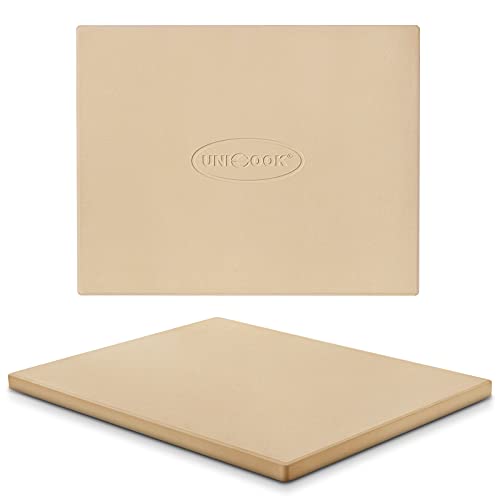
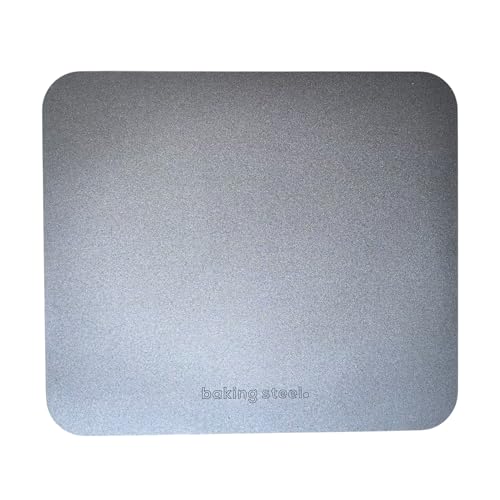
The five tools that do the work in every method on this site: a slab that stores heat, something to launch with, a way to read the surface, and a clean cut.


The honest answer: not much, and here's the order of magnitude
Let's settle the headline first. An electric pizza oven does not use a lot of electricity over a session. Indoor-capable and countertop models, the Ooni Volt 2, the Breville Smart Oven Pizzaiolo, the Ninja Artisan, the Cuisinart Indoor Pizza Oven, all plug into a standard household outlet, the same one you'd use for a kettle or a microwave. While they're heating, they draw on the order of a high-wattage countertop appliance: roughly the league of a space heater or a toaster oven running on full. That's a meaningful draw, but it's an ordinary one, and crucially it runs for a short, intense window rather than all day.
Spread that short window across a whole pizza session and the cost is small. We're deliberately not quoting an exact "cents per pizza" figure as gospel, because the true number swings with the specific oven, your kitchen temperature, how long you preheat, and, above all, your local electricity rate. But the order of magnitude is clear: the electricity for an evening of pizza is somewhere from a few pennies to a small fraction of a dollar. Against the dough, the cheese, and the toppings, the power is the least expensive ingredient on the pie. If running cost is the thing keeping you from an electric oven, you can let that worry go.
Where the electricity actually goes: the preheat is the big draw
If a session's energy isn't going into the pizzas, where is it going? Overwhelmingly into the preheat. Getting a cooking stone from cold up to its floor temperature, the 850°F target on an Ooni Volt 2, the lower-but-still-serious 700 to 750°F floors on a Breville Pizzaiolo, Ninja Artisan, or Cuisinart Indoor, takes roughly 15 to 20 minutes with the heating elements working hard. That sustained high-draw window is the single biggest pull on your meter in any session. The elements are doing real work, heating a dense stone and an insulated chamber to a temperature your regular kitchen oven can't reach.
Once you're at temperature, the picture changes completely. The elements stop running flat out and start to cycle, clicking on and off to hold the floor where you set it, the same way a thermostat-controlled appliance does. Baking a thin round of dough barely dents the heat you've already banked, so each pizza only nudges the elements back on briefly. The energy curve of a typical electric session is therefore steep at the front (the preheat) and then low and jagged (cycling to hold while you bake), which is exactly why per-pizza cost falls the more pizzas you make in one sitting.
How to estimate YOUR cost (the only honest way to a number)
The reason no one can hand you a single true "cost per pizza" is that it depends on your oven's wattage and your electricity rate, both of which vary. So instead of a fake-precise figure, here's the method, which gives you a real number for your situation: (oven wattage ÷ 1000) × hours of use × your kWh rate. The first part converts watts to kilowatts; multiply by how long you run it to get kilowatt-hours; multiply by what your utility charges per kWh to get dollars. Your oven's wattage is on its spec plate or in the manual, and your rate is on your electricity bill.
To show the shape of the answer, and we stress this is an illustration of the method, not a promise, a high-wattage electric oven run for well under an hour lands at a small fraction of a dollar of electricity at typical residential rates. The reason the real figure tends to come in below a naive full-power calculation is the cycling we just described: the formula assumes the oven draws its full rated wattage the entire time, but after preheat the elements are off as often as they're on, so you're usually paying for less than the headline math suggests. Treat the formula as your worst-case ceiling and the true cost as somewhat under it.
Electric vs. gas running cost: both cheap, different shapes
Electric and gas pizza ovens are both genuinely cheap to run per session, the choice between them is almost never about running cost, and it helps to see why. A portable gas oven amortizes a standard 20 lb propane tank across many sessions, so its fuel works out to a few cents to about a dollar's worth per pizza; an electric oven bills you in kilowatt-hours instead, landing in the same low ballpark of pennies to a small fraction of a dollar per session. Neither is expensive. The honest full breakdown of the gas side lives in do pizza ovens use a lot of gas, and it reaches the same reassuring conclusion from the other direction.
So the real differences are convenience and capability, not cost. Electric's advantages are indoor use (no combustion, no clearances, usable in any weather) and no propane to haul, store, or refill, you plug it in and you're done. Gas's advantages are portability (no outlet required, so it goes to the patio, the park, or the tailgate) and a higher peak floor temperature, the hottest gas ovens, the Ooni Koda 16 among them, reach a ~950°F floor versus the 850°F ceiling of the hottest electric and the 700 to 750°F of the countertop models. If you want the absolute hottest, fastest Neapolitan bake, gas still wins on peak; if you want plug-in-anywhere indoor simplicity, electric wins on convenience. Running cost is a wash.
Will a pizza oven trip your breaker? (and the dedicated-circuit point)
Here's the question behind the wattage worry: if it draws like a space heater, will it pop a breaker? In normal use, no, these ovens are designed to run on a standard household outlet and circuit, and on their own they sit comfortably within what that circuit can deliver. The trouble only starts when you ask one circuit to do too much at once. A high-draw pizza oven plus a microwave plus a kettle plus a space heater all pulling from the same circuit at the same moment can exceed its limit, and that's what trips the breaker, not the oven by itself.
So the honest guidance is: run an electric pizza oven on a dedicated circuit if you can, and at minimum don't share its outlet or circuit with another big appliance while it's heating. Plug it straight into a wall outlet rather than a daisy-chained power strip, and if you're mid-cook on the same kitchen circuit as the microwave, don't fire both up together. Done that way, breaker trips simply aren't a problem. If you do trip one, it's a sign of circuit-sharing, not a fault with the oven, spread the load and it'll behave.
Practical ways to use less electricity
You can't change the physics, a hot floor needs a real preheat, but you can stop wasting energy around the edges. Preheat efficiently, then cook in batches. Since the preheat is the big draw, the worst thing you can do for energy economy is preheat fully, cook one pizza, and switch off. Prep all your dough balls and toppings before you start the preheat, so that once the oven hits temperature you can run pizzas back-to-back and spread that one preheat across as many pies as possible. A batch of six pizzas costs barely more electricity than a batch of two, because the elements are mostly just cycling to hold heat you've already banked.
Don't leave it idling, and use the presets. An electric oven left on "just in case" after you're done is cycling its elements to hold a hot stone for no reason, switch it off when the last pizza is out. Lean on the oven's built-in presets and timers too: they're tuned to bring the stone to the right floor and hold it without overshooting, which avoids the wasted energy of running hotter or longer than you need. And remember that fast heat recovery is quietly an energy feature, a well-insulated oven that holds its floor between pizzas keeps the elements off more of the time, so the same recovery that earns an oven a place in the 60-Second-Pizza Club also trims its running cost. Good insulation pays you back twice: better pizza and less power.
Ready to buy? Start with our top picks
Whatever this guide steered you toward, here's where most readers land, ranked on stated floor heat. Live price check on each.
- Check price on Amazon
- Check price on Amazon
- Check price on Amazon
- Check price on Amazon
- Check price on Amazon
- Check price on Amazon
As an Amazon Associate we earn from qualifying purchases, at no cost to you.
Key terms
- Peak floor temperature
- The temperature of the cooking stone, which both sets the crust and drives the energy bill. Reaching the floor, 850°F on an Ooni Volt 2, 700 to 750°F on a Breville Pizzaiolo, Ninja Artisan, or Cuisinart Indoor, is what the preheat spends electricity on; the higher the target floor, the longer the high-draw preheat that dominates a session's energy use.
- 60-Second-Pizza Club
- Our benchmark for ovens that bake a leopard-spotted Neapolitan-style pie fast and keep doing it. Membership is what the preheat buys, and because each pizza only cooks for a minute or few, the actual baking adds almost nothing to energy cost on top of the preheat.
- Heat recovery
- How fast the floor returns to temperature between pizzas. It's a hidden energy lever: a fast-recovering, well-insulated electric oven holds its floor so the elements stay off more of the time, while a poorly insulated one forces the elements back to full draw to claw the temperature back each bake.
- Preheat draw
- The roughly 15-to-20-minute window of elements working hard that gets a cold stone up to its target floor. It is the single biggest energy event in an electric-oven session, which is why cooking in batches and not idling, both of which spread or shorten high-draw time, save the most power.
- Element cycling
- After preheat, an electric oven's heating elements click on and off to hold the floor temperature rather than running flat out. This is why the real running cost comes in below a naive full-wattage calculation, you're paying for less than the oven's rated draw most of the session.
- Dedicated circuit
- An electrical circuit serving only the pizza oven. These ovens run on a standard outlet, but ideally one not shared with another big appliance, running the oven plus a microwave, kettle, or space heater on the same circuit at once is what risks tripping a breaker, not the oven alone.
Questions, answered
How much electricity does a pizza oven use?
Less than most people fear. An electric pizza oven plugs into a standard household outlet and, while it's heating, draws on the order of a high-wattage countertop appliance, roughly the league of a space heater or toaster oven on full. But it only runs that hard for a short window, and once the stone is hot the elements cycle on and off rather than drawing flat out. The electricity cost of a whole pizza session works out to pennies to a small fraction of a dollar at typical residential rates, far less than the dough, cheese, and toppings on the pizza.
How do I calculate the running cost of my electric pizza oven?
Use one formula: (oven wattage ÷ 1000) × hours of use × your per-kWh rate. The wattage is on your oven's spec plate or in the manual, and your rate is on your electricity bill. So a high-wattage oven run for well under an hour comes out to a small fraction of a dollar at typical rates. Treat that as a worst-case ceiling rather than a promise, because the formula assumes the oven draws full power the whole time, in reality the elements cycle off once the stone is hot, so your true cost is usually somewhat below what the math suggests. A plug-in energy monitor will show you the real cycling draw if you want exact numbers.
What uses the most electricity in a pizza oven?
The preheat, by a wide margin. Getting the cooking stone from cold up to its floor temperature, 850°F on an Ooni Volt 2, around 700 to 750°F on a Breville Pizzaiolo, Ninja Artisan, or Cuisinart Indoor, takes roughly 15 to 20 minutes of the heating elements working hard, and that sustained high-draw window is the single biggest pull on your meter in any session. The pizzas themselves barely add to it: each one bakes quickly on heat you've already banked, and the elements only cycle on briefly to hold temperature. That's why the cheapest pizzas are the second, third, and fourth ones in a batch, they share a preheat you already paid for.
Is an electric pizza oven cheaper to run than a gas one?
They're both cheap, and running cost barely separates them, it just bills differently. A gas oven amortizes a 20 lb propane tank across many sessions, so it's a few cents to a dollar's worth of propane per pizza; an electric oven costs a few cents to a small fraction of a dollar of kWh per session. Neither is expensive. The real differences are convenience and capability: electric's edge is indoor use and no propane to refill, while gas's edge is portability (no outlet needed) and a higher peak floor temperature, the hottest gas ovens hit ~950°F versus the 850°F ceiling of the hottest electric. Choose on those factors, not on running cost.
Will a pizza oven trip my breaker?
Not on its own. Electric pizza ovens are designed to run on a standard household outlet and circuit, and by themselves they sit comfortably within what that circuit delivers. Breakers trip when you overload a single circuit, running the oven plus a microwave, kettle, or space heater from the same circuit at the same time can exceed its limit. The fix is simple: run the oven on a dedicated circuit if you can, plug it straight into a wall outlet rather than a power strip, and don't fire up another big appliance on the same circuit while the oven is preheating. Done that way, breaker trips aren't an issue.
How can I make my electric pizza oven use less power?
Five habits. First, prep all your dough and toppings before you start the preheat, so once the oven is hot you can cook back-to-back. Second, cook in batches, since the preheat is the big draw, spreading one preheat across six pizzas instead of one makes each pizza far cheaper. Third, use the oven's presets and timers rather than running it hotter or longer than you need. Fourth, don't leave it idling, switch it off when the last pizza is out, since holding a hot stone for no reason just keeps the elements cycling. Fifth, favor a well-insulated oven: fast heat recovery keeps the elements off more of the time between bakes, which quietly trims the bill.
Keep reading.
What It Actually Costs to Run a Pizza Oven
Cost per pizza and per hour by fuel, derived from manufacturer BTU ratings and EIA energy prices, with all the arithmetic shown.
The Best Electric Pizza Ovens (2026)
If plug-in, indoor-friendly simplicity sold you, this is the ranked field, scored on floor heat, recovery, and convenience.
Do Pizza Ovens Use a Lot of Gas?
The other half of the running-cost question, why a single propane tank lasts a portable oven across many sessions.
How Much Does a Pizza Oven Cost?
Beyond the power bill: the sticker, the accessories, and the total cost of getting into pizza ovens.
The Best Pizza Ovens (2026)
Our flagship ranking across every fuel and budget, scored on peak floor temp and the 60-Second-Pizza Club.
Ooni vs Gozney: Which Brand Wins?
The two giants head to head, same ~950°F ceiling, very different philosophies, one clear way to choose.
Ooni Fyra 12 Review
Ooni's lightest wood-pellet oven reviewed, real live-fire flavor at $349, and what to cross-shop.