Our pick. Ooni
Check price on Amazon →How Much Does a Pizza Oven Cost? (2026): A Tier-by-Tier Breakdown
A capable outdoor pizza oven starts around $121 and the sweet spot lives at $400 to $500, but the sticker is only part of the answer. The true cost of ownership adds roughly $75 to $150 of essentials, fuel, peels, an infrared thermometer, a cover, plus the fuel you burn and the learning curve you pay in failed first pies. Here is the full price map, tier by tier, using real current prices, plus the cheapest honest path to great pizza if a dedicated oven is more than you need.
By The Pizza Oven Review DeskUpdated 2026-06-29~12 min readRanked on verified floor heatHow we research
We earn a commission on purchases through our links, at no cost to you. It never decides a ranking. How this works
"How much does a pizza oven cost?" has a frustrating answer if you only look at one listing, because the category spans more than a 25x range, from a $121 budget multi-fuel box to a $3,199 Italian-made showpiece. The number that matters to you depends entirely on which tier solves your problem, and most of the people in this market are over-buying or under-buying because nobody laid the tiers side by side. So that is what we do here: a clear price map, built from real current prices, that tells you what each dollar level actually gets you.
We rank and test on three things, and they show up in this guide because they are precisely what you climb the price ladder to buy: peak floor temperature (the stone heat that makes the crust), membership in what we call the 60-Second-Pizza Club (ovens that bake a leopard-spotted Neapolitan pie in about 60 to 90 seconds), and heat recovery (how fast the floor reloads between pizzas so you can feed a crowd). Cheap ovens can hit the temperature; what you pay more for is hitting it reliably, holding it, and getting it back fast.
Two honesty notes before the numbers. First, every price here is pulled from our verified dataset and quoted at manufacturer MSRP; real Amazon street prices fluctuate, sometimes a lot, around those figures, so treat each as a center point rather than a guarantee. Second, the standard disclosure: nothing here is sponsored, the Amazon links in our reviews may earn us a small commission at no extra cost to you, and that has never moved a verdict or a price tier, if the honest answer is a $100 baking steel, we will say so and send you there. For price movement rather than price level, our pizza oven price index tracks 134 products daily and finds that ovens barely move while accessories churn constantly. And for the per-model numbers behind every tier below, the pizza oven database puts all 66 ovens in one table with dollars per square inch computed for each.
The short version.
- Sticker range, verified August 2026: capable outdoor ovens start at about $121 (BIG HORN 12in multi-fuel), the value-dense sweet spot runs $400 to $500, premium runs $699 to $1,000, and showpieces run $1,299 to $3,199. Amazon prices move, so check the live listing.
- The sweet spot is $400 to $500: that band is where dense insulation, the 60-Second-Pizza Club, and fast heat recovery actually live together, think Gozney Roccbox (~$399), Ooni Koda 16 (~$498), Halo Versa 16 (~$499).
- Budget the true cost of ownership, not the sticker: plan ~$75 to 150 for a propane tank and regulator (or wood), a launching and a turning peel, an infrared thermometer (mandatory), and a weatherproof cover, before your first pizza.
- There are real ongoing costs: a propane tank refill is a few dollars per several pizza sessions, wood-fired runs cost more per pie, and the learning curve, roughly a dozen sessions, is a cost paid in dough, not dollars.
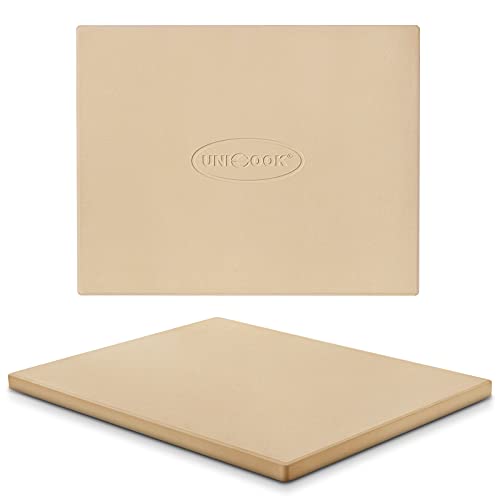
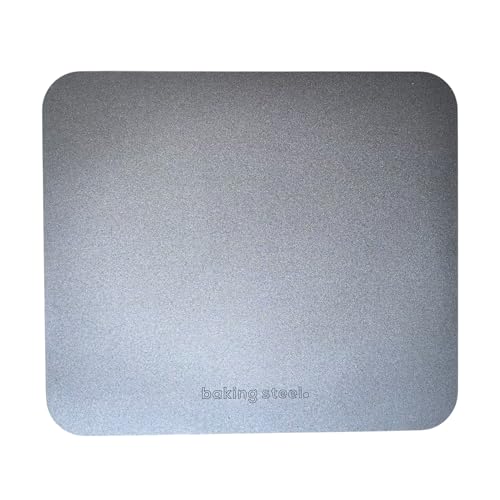
- The cheapest honest path to great pizza is not the $121 oven for everyone: if you do not specifically want Neapolitan, a $50 to $100 baking steel in the oven you already own makes excellent New York and pan pizza and now costs about the same as the cheapest oven on this page.
Our top-rated pizza ovens
Whatever you decide, these are the ovens we recommend, ranked on stated floor heat. Live price check on each.
- Check price on Amazon

- Check price on Amazon

- Check price on Amazon

- Check price on Amazon

- Check price on Amazon

- Check price on Amazon

As an Amazon Associate we earn from qualifying purchases, at no cost to you.
What you'll need.
Prices approximate at time of writing.
The five tools that do the work in every method on this site: a slab that stores heat, something to launch with, a way to read the surface, and a clean cut.


What you actually pay, tier by tier (verified prices)
Here is the whole field, sorted by what your money buys. Every figure is the manufacturer's MSRP from our verified dataset; real Amazon prices fluctuate around these numbers, so read each as a center point, not a promise. The tiers aren't arbitrary, they map to capability. As you climb, you're buying better insulation, more reliable peak heat, and faster recovery, which is the same as buying your way deeper into the 60-Second-Pizza Club.
Budget ($121 to $300). The entry tier, and more capable than its price suggests. The BIG HORN 12in Multi-Fuel is about $121 and, on paper, hits the highest peak floor temp of any oven we track. The Ooni Karu 12 now sells for about $249, which drops a real Ooni multi-fuel oven into this tier for the first time. The VEVOR 16in Auto-Rotating Gas and the Pizzello 16in both sit around $260 for a full 16-inch floor, and the Mimiuo Rotating Gas is about $300, the rotating-stone ovens using a motorized deck to paper over the heat unevenness cheaper ovens fight. The Cuisinart Indoor Pizza Oven and the Ooni Koda 12 are both about $299, a countertop electric and the simplest gas entry respectively. These make real pizza; what they don't reliably give you is dense insulation or fast recovery.
The sweet spot ($399 to $500). This is where most buyers should look, and it's crowded with the best-value ovens in the category: the Gozney Roccbox (~$399, dense-insulated gas), Solo Stove Pi Prime (~$400, gas), Ooni Koda 16 (~$498, 16in gas), Ooni Koda 2 (~$499, gas), the Halo Versa 16 (~$499, rotating stone) and the Gozney Tread (~$500, gas). Every one of these clears the 60-Second-Pizza Club. Note how tightly this band has compressed: six genuinely good ovens now sit within about a hundred dollars of each other.
Premium ($699 to $1,000). Bigger, better-insulated, or specialized: the Ooni Volt 2 (~$699, indoor-capable electric), Ooni Karu 2 Pro (~$849, 16in multi-fuel), Gozney Arc (~$800), Breville Smart Oven Pizzaiolo (~$999, indoor countertop), the Witt Etna Rotante (~$999, rotating-stone gas) and the Gozney Arc XL (~$1,000). You're paying for capacity, build, and convenience here more than raw peak heat.
Showpiece ($1,299 to $3,199). The statement ovens: Gozney Dome S1 (~$1,299), Ooni Koda 2 Max (~$1,299, 20in dual-zone), Gozney Dome (~$1,499, multi-fuel with steam injection) and the Italian-made Alfa Moderno 2 Pizze (~$3,199), which sits far above everything else on this page. These are permanent backyard fixtures, not portable gear.
The sweet spot: why $400 to 700 is where the value is densest
If you take one number from this guide, take this band: $400 to $700 is where a pizza oven stops being a hot box and starts being a great pizza oven. Below it, you can reach Neapolitan temperatures but you fight the oven, thin insulation means the floor sags after the first pie and you wait for it to claw back. Above it, you're mostly paying for size, looks, or indoor convenience, not better pizza. The sweet spot is the rare place where price and capability line up cleanly.
Concretely, this band is where three things we rank on finally arrive together. Dense insulation: the Gozney Roccbox (~$399) is the archetype, a heavy, well-insulated shell that holds heat instead of bleeding it. The 60-Second-Pizza Club: the Ooni Koda 12 (~$299), Koda 2 (~$499) and Koda 16 (~$498) all blister a Neapolitan pie in about 60 to 90 seconds, the exact capability you bought the oven for. Fast heat recovery: these ovens reload the floor quickly enough to turn out one pizza after another, which is what makes an oven a party machine instead of a one-pie novelty.
The practical move is to pick fuel and size within this band rather than jumping tiers. Want pure simplicity? A gas Koda 12 at ~$299. Want to add live-fire flavor later? The multi-fuel Ooni Karu 12 at about $249. Want 16 inches so a New York-size pie fits? The Koda 16 at about $498. Each is a different answer to the same question, and all three sit inside the value-dense band. We line them up by dollar-for-dollar performance in the best pizza oven for the money.
The cheapest path: a $121 oven vs. a $100 baking steel
The lowest-cost way into a real outdoor oven is the BIG HORN 12in Multi-Fuel at about $121, genuinely capable, and on paper it hits the highest peak floor temperature of anything we track. That price has fallen far enough that the entry oven and a good baking steel now cost roughly the same, so this decision is no longer about money at all. If you specifically want a live-fire outdoor oven and you're price-constrained, that's the floor of the category and a legitimate way in. But "cheapest oven" and "cheapest path to great pizza" are not the same question, and conflating them is the most expensive mistake in this market.
Because for many people the honest cheapest path isn't an oven at all, it's a $50 to 100 baking steel in the oven you already own. A steel conducts heat so aggressively that a preheated steel turns your 550°F kitchen oven into a floor hot enough to make genuinely excellent New York-style, Roman, and pan pizza, every style that bakes at or below about 700°F. It costs less than the accessories for a dedicated oven, lives in a cupboard, works indoors in any weather, and needs no propane, no clearances, and no fire management. For non-Neapolitan pizza, it isn't a compromise; it's the correct tool.
The line between the two is clean and it's about one capability. The steel cannot reach the 850°F-plus floor of a 60-second Neapolitan bake, that's the one thing the entire dedicated-oven category exists to do. So: if you specifically want leopard-spotted Neapolitan, the steel won't get you there and even the ~$121 oven is the cheaper-than-it-looks right answer. If you'd be just as happy with a foldable New York slice or a thick Detroit square, the steel makes your favorite pizza beautifully for less than any oven on this page. We put the two floors head to head in pizza stone vs. steel.
Ready to buy? Start with our top picks
Whatever this guide steered you toward, here's where most readers land, ranked on stated floor heat. Live price check on each.
- Check price on Amazon
- Check price on Amazon
- Check price on Amazon
- Check price on Amazon
- Check price on Amazon
- Check price on Amazon
As an Amazon Associate we earn from qualifying purchases, at no cost to you.
Key terms
- Peak floor temperature
- The temperature of the cooking stone, which sets the crust. It's the headline number on a spec sheet, but a misleading one for budgeting: a ~$399 sweet-spot oven and a ~$1,499 showpiece both top out near 950°F, so paying more rarely buys a hotter floor, it buys insulation, recovery, size, or build.
- 60-Second-Pizza Club
- Our benchmark for ovens that bake a leopard-spotted Neapolitan pie in about 60 to 90 seconds and keep doing it. Membership is the core capability you're paying for, and it arrives squarely in the $400 to 700 sweet spot, which is why spending above that band rarely improves the actual pizza.
- Heat recovery
- How fast the floor returns to temperature between pizzas. It's the hidden capability you pay up for: cheap, thin-walled ovens sag and stall after the first pie, while insulated sweet-spot ovens reload fast enough to feed a crowd. Recovery, not peak temperature, is the truest justification for the mid-tier price.
- Total cost of ownership
- The real price of a pizza oven: the sticker plus roughly $75 to 150 for a propane tank and regulator (or wood), a launching and a turning peel, a mandatory infrared thermometer, and a weatherproof cover, plus ongoing fuel and the learning curve. Counting only the sticker is how buyers underestimate the spend.
- Sweet spot ($400 to 700)
- The value-dense price band where dense insulation, the 60-Second-Pizza Club, and fast heat recovery first arrive together, examples include the Gozney Roccbox (~$399), Ooni Koda 16 (~$498), and Halo Versa 16 (~$499). For most buyers, this is the correct place to spend.
- Baking steel alternative
- A $50 to 100 steel slab that gives a home oven an aggressive effective floor, making excellent New York, Roman, and pan pizza, every style that bakes at or below about 700°F. It's the cheapest honest path to great pizza for anyone who doesn't specifically want Neapolitan, costing less than the accessories for a dedicated oven.
Questions, answered
How much does a pizza oven cost in 2026?
Capable outdoor ovens start at about $121 (the BIG HORN 12in multi-fuel) and run up to about $3,199 for an Italian-made showpiece like the Alfa Moderno 2 Pizze. The value-dense sweet spot is $400 to $500, the Gozney Roccbox is ~$399, the Ooni Koda 16 is ~$498, the Halo Versa 16 is ~$499. Premium ovens run $699 to $1,000 and showpieces run $1,299 to $3,199. These were the live Amazon prices at our August 2026 check and they move, so check before you buy. Whatever tier you pick, budget another $75 to $150 for essentials like a propane tank, peels, an infrared thermometer, and a cover.
What is a good price for a quality pizza oven?
For most buyers, $400 to $500 is the sweet spot and the smart place to spend. That band is where dense insulation, the 60-Second-Pizza Club (a leopard-spotted Neapolitan pie in about 60 to 90 seconds), and fast heat recovery first arrive together, think the Gozney Roccbox (~$399), Ooni Koda 16 (~$498), or Halo Versa 16 (~$499). Below this band you can reach Neapolitan temperatures but the floor sags and recovers slowly after the first pie. Above it, you're mostly paying for size, build, or indoor capability rather than better pizza, since a ~$399 oven and a ~$1,499 oven both top out near 950°F.
What are the hidden costs of owning a pizza oven?
Plan for roughly $75 to 150 of essentials beyond the oven: a propane tank and regulator for gas (or kiln-dried wood and pellets for multi-fuel), a launching peel and ideally a turning peel, an infrared thermometer (the one accessory we treat as mandatory, since it's the only way to confirm the floor is at temperature), and a weatherproof cover. Then the costs that aren't on a receipt: ongoing fuel (a few dollars per several gas sessions, more for wood), a stable non-combustible surface with safe clearances, and a learning curve of about a dozen sessions paid in dough and a few sacrificial pies.
Is an expensive pizza oven worth it?
Only for a specific reason. Spending above the $400 to $500 sweet spot is worth it if you need capacity (a 16-inch mouth or dual zones for feeding a crowd), indoor cooking (the electric Ooni Volt 2 at ~$699 or Breville Pizzaiolo at ~$999), or a permanent showpiece build (the Gozney Dome at ~$1,499, the Alfa Moderno at ~$3,199). It is not worth it if you're chasing a hotter or faster bake, a ~$399 oven and a ~$1,499 oven both peak near 950°F and both make true 60-second Neapolitan pizza. Decide which reason applies before you climb; if none does, the sweet spot is the smart stop.
What is the cheapest way to make great pizza?
It depends on the pizza you want. If you specifically want leopard-spotted Neapolitan, the cheapest real route is a dedicated oven, the ~$121 BIG HORN 12in multi-fuel is the floor of the category, or a ~$249 Ooni Karu 12 if you want an established brand. But if you'd be just as happy with New York, Detroit, or pan pizza, the cheapest path isn't an oven at all: a $50 to $100 baking steel in the oven you already own makes those styles excellently, costs about the same as the cheapest oven on this page and less than the accessories a dedicated oven needs, and works indoors in any weather. The steel's one limit is that it can't reach the 850°F-plus floor a Neapolitan bake needs.
Why do pizza ovens range from $121 to $3,200?
Because price tracks capability, not just temperature. At the bottom, a ~$121 oven reaches high peak heat but has thin insulation, so the floor sags and recovers slowly after the first pizza. Climbing into the $400 to $500 sweet spot buys dense insulation and fast heat recovery, the floor holds and reloads pizza after pizza. Above that, the $699 to $1,000 premium tier buys capacity, build quality, or indoor capability, and the $1,299 to $3,199 showpiece tier buys refractory mass, large dual-zone decks, and permanent-fixture build like the Gozney Dome or Alfa Moderno. Notably, peak floor temperature barely changes across the whole range, most ovens top out near 950°F, so what the extra money buys is reliability, size, and build, not a hotter pizza.
Keep reading.
What It Actually Costs to Run a Pizza Oven
Cost per pizza and per hour by fuel, derived from manufacturer BTU ratings and EIA energy prices, with all the arithmetic shown.
Best Stand Mixers for Pizza Dough (2026)
The other line in the budget: what a dough setup costs, from a $139.99 mixer to the $799 spiral machine pizzerias use.
Pizza Oven Price Index (July 2026)
The hard numbers behind this guide: live prices for all 53 in-stock ovens we track, averaged by fuel and size class.
The Best Pizza Ovens (2026)
The full ranked field, scored on floor heat, the 60-Second Club, and recovery, once you know your price tier, this is where to pick.
The Best Pizza Oven for the Money
The sweet spot, examined dollar-for-dollar, which $250 to $500 oven delivers the most pizza per dollar you spend.
Are Pizza Ovens Worth It? (2026)
The blunt cost/benefit, who a dedicated oven pays back for, who should buy a $100 steel instead, and the math behind both.
Ooni vs Gozney: Which Brand Wins?
The two giants head to head, same ~950°F ceiling, very different philosophies, one clear way to choose.
Ooni Fyra 12 Review
Ooni's lightest wood-pellet oven reviewed, real live-fire flavor at $349, and what to cross-shop.