Our pick. Ooni
Check price on Amazon →Best Pizza Oven for the Money (2026): Ranked & Compared
The best value isn't the cheapest oven, it's the most pizza per dollar. We ranked the field on performance-per-dollar: peak floor temp, the 60-second-pizza test, and heat recovery, weighed against the price. These six deliver the most oven for the least money.
By The Pizza Oven Review DeskUpdated 2026-06-28~11 min readRanked on verified floor heatHow we research
We earn a commission on purchases through our links, at no cost to you. It never decides a ranking. How this works
Our top pick.Best Value Overall
Ooni Koda 16
- Price.
- ~$498
- Our rating.
- 4.8 out of 5
At about $498 it does so much more than the ~$300 ovens that the extra money is the smarter spend.
Not sure yet? Compare all 6 picks below ↓
"Best for the money" is the most misunderstood phrase in this category, because it doesn't mean cheapest. The cheapest pizza ovens are often false economy, they read hot on the box but never saturate the floor, they shed heat the moment a pie lands, and they leave you fighting the oven instead of making pizza. Real value is performance-per-dollar: the most heat, the most even floor, and the fastest recovery you can buy for each dollar spent. Sometimes that's a $300 oven that genuinely delivers; sometimes it's a $498 oven that does so much more than a $300 one that the extra money is the better buy. The goal of this guide is to find the ovens that punch above their price, at every price.
We rank every oven on the same lens we apply across the site, peak floor temperature, the 60-Second-Pizza Club, and heat recovery, but here we weigh each result against the sticker. Peak floor temp is the gate: a real pizza needs a stone north of ~800°F, and an oven that can't clear that is a bad deal at any price. The 60-Second-Pizza Club tells us whether the oven actually bakes a leoparded pie fast, not just claims a temperature. And heat recovery is where cheap ovens fall apart, a thin-walled budget box dumps its floor heat the instant a cold pie lands and makes you wait between pies, which is exactly the experience that sours people on backyard pizza. The winners below are the ovens where the performance justifies the price, whether that price is $300 or $500.
Standard disclosures up front: no brand paid for placement, none of these manufacturers has a relationship with this site, and none of them knew we were ranking them. Every price, peak temperature, cooking size, and weight below was pulled from our verified-ovens dataset and the brands' own spec pages in June 2026; where a number is the manufacturer's stated figure rather than something we clocked, we say so. We're an independent review desk, and Pizza Oven Review is an Amazon Associate, if you buy through our links we may earn a commission at no extra cost to you, and that never moves a ranking. Even budget ovens run hot enough to send you to the ER, keep them on a stable, non-flammable surface away from siding and overhangs, and never leave a lit one unattended. If you would rather do the value arithmetic yourself, the pizza oven database publishes dollars per square inch of pizza for all 66 ovens we track, with the working shown.
The short version.
- Best value overall is the Ooni Koda 16: a full 16-inch, ~950°F oven that has fallen to about $498, so the most capable oven here is now within a hundred dollars of the budget field, which makes it the best pizza-per-dollar buy on the page.
- Best performance-per-dollar under $400 is the Gozney Roccbox at about $399: dense insulation, ~950°F, and the fastest recovery in the guide. It now costs a dollar less than the Solo Stove Pi Prime while running a hundred degrees hotter.
- The cheapest oven here is now the Ooni Koda 12 at about $299, a dollar under the ~$300 Mimiuo. The Mimiuo still buys you a rotating stone at that price, but its lower ~860°F ceiling and budget build are the compromises.
- Don't confuse cheap with value: a thin-walled budget box that can't hold its floor heat is a bad deal at any price, because slow recovery between pies is exactly what ruins the backyard-pizza experience.
- The Solo Stove Pi Prime has moved the wrong way, from $349 to about $400, which costs it the value crown it used to hold: at that price the hotter, better-insulated Roccbox undercuts it by a dollar.
At a glance.
| Oven | Peak floor temp | Max pizza | Weight | Price | Check price |
|---|---|---|---|---|---|
| Solo Stove Pi Prime | 850°F | 12 in | 30.8 lb | ~$400 | Check price on Amazon |
| Ooni Koda 12 | ~932°F | 12 in | 20.4 lb | ~$299 | Check price on Amazon |
| Halo Versa 16 | ~950°F | 16 in | 41 lb | ~$499 | Check price on Amazon |
| Mimiuo Rotating Gas | ~860°F | 13 in | 39 lb | ~$300 | Check price on Amazon |
| Ooni Koda 16 | ~950°F | 16 in | 40.1 lb | ~$498 | Check price on Amazon |
| Gozney Roccbox | ~950°F | 12 in | 44 lb | ~$399 | Check price on Amazon |
The 2026 value field at a glance, ranked by what each oven delivers against our signature metric relative to its price. Temps, sizes, weights, and prices verified against our dataset and the live Amazon listings in August 2026.
Ooni Koda 16
Ooni
At about $498 it does so much more than the ~$300 ovens that the extra money is the smarter spend.
Our verdict: The Koda 16 is the best value on this page, full stop. At about $498, down roughly a hundred dollars over the past year, it costs more than the budget ovens but does so much more, a true 16-inch even floor at ~950°F, fast recovery, the best build-to-price in full-size gas, that the upgrade pays for itself for most households. It's the rare oven that's simultaneously our overall favorite and the best deal here.
On paper. Manufacturer-rated ~950°F (~510°C) on a full 16-inch stone with an even L-shaped burner. It undercuts every full-size oven that matches its heat, the rare premium pick that's also the value pick once you want a real dinner-size pie.
The smartest money in pizza ovens isn't always the lowest number, sometimes it's the ~$498 oven that out-values the ~$300 one. The Ooni Koda 16 is that oven. Step up from a 12-inch budget box and you get a true 16-inch dinner-size floor, a ~950°F ceiling, and an L-shaped burner that runs up the back and along one side of the stone, so a full pie cooks edge-to-edge with one turn instead of the constant spinning a single-burner oven demands. For a household that actually wants to feed people, that's not a splurge; it's the better deal.
The one gate is the budget itself: if you cannot go past about $400, the Gozney Roccbox is the answer and gives up only the 16-inch floor. But if you can reach about $498, the Koda 16 undercuts every full-size oven that matches its heat and outperforms everything cheaper by a wide margin. At 40.1 lb it's still portable, with no door to clean. For most buyers who can afford it, the Koda 16 is the oven that makes every other purchase here look like a compromise.
Who should buy it.
Buy the Koda 16 if you can stretch to about $498 and want a full-size pie, the jump in capability over the ~$300 ovens makes it the smarter spend for any household that feeds more than one or two. It's the value pick for people who'd rather buy once and buy right.
What we don't like.
It's about $200 more than the cheapest oven here, so it's out of reach on a tight budget. The open mouth sheds heat on cold nights, there's no glass door, and it's propane-only out of the box.
- Fuel
- Gas (propane; natural-gas conversion available)
- Peak temp
- ~950°F (manufacturer-rated)
- Max pizza size
- 16 in
- Weight
- 40.1 lb
- Price
- ~$498
What we like.
- Most capability per dollar at full size, heat, size, evenness, recovery
- Even L-shaped burner; true 16-inch dinner-size pie
- ~950°F and fast recovery for back-to-back pies
- Undercuts every full-size oven that matches its heat
Worth noting.
- About $200 over the cheapest oven here, out of reach on a tight budget
- Open mouth sheds heat; no glass door
- Propane-only out of the box

Gozney Roccbox
Gozney
Insulation that recovers like a bigger oven, and at about $399 it now undercuts the Pi Prime by a dollar.
Our verdict: The Roccbox is the value pick when recovery matters more than raw size, and a hundred-dollar drop has made that case much easier. At about $399 it costs more than the budget 12-inchers but a dollar less than the cooler Solo Stove Pi Prime, and its dense insulation makes it hold and recover floor heat like a bigger oven, so it bakes pie after pie without the wait that sinks cheaper boxes. The optional wood burner adds upgrade headroom. You're paying for the chamber, and for cooks who bake in volume, it's worth it.
On paper. Manufacturer-rated ~950°F. The dense insulation and safe-touch shell let a 12-inch oven hold and recover floor heat like something a size up, the feature that earns its roughly $399 price over cheaper, thin-walled 12-inchers.
The Roccbox is the oven that proves "best for the money" isn't the same as "cheapest." Plenty of 12-inch ovens cost less, but most are thin-walled and dump their floor heat the moment a cold pie lands, which means a wait between pies and a soggy second round. Gozney built the Roccbox with dense insulation and a silicone safe-touch shell, so it holds and recovers heat like an oven a size up. At ~950°F with that recovery, it makes a strong value case at about $399 for anyone who bakes more than one pie at a sitting.
The value question is whether you need that retained heat: if you cook one pie at a time on calm evenings, a cheaper oven costs you nothing real and the Roccbox's premium is wasted. If you bake in volume, cook in wind or cold, or want the option of adding a wood burner later, the recovery easily justifies the roughly $399. At 44 lb it's dense for its size. For the cook who values not waiting between pies, the Roccbox is the compact that earns its price.
Who should buy it.
Buy the Roccbox if you bake more than one pie at a sitting and want a compact oven that doesn't make you wait between them, the insulation that recovers like a bigger oven is what your extra dollars buy over cheaper 12-inchers. It's the value pick for volume cooks and anyone in wind or cold.
What we don't like.
At about $399 it's still a premium over budget 12-inchers, and if you only ever cook one pie at a time, you won't use the recovery you paid for. The 12-inch floor caps the pie, it's heavy for its size at 44 lb, and the wood burner is extra.
- Fuel
- Gas (propane; optional wood burner)
- Peak temp
- ~950°F (manufacturer-rated)
- Max pizza size
- 12 in
- Weight
- 44 lb
- Price
- ~$299
What we like.
- Recovers and holds heat like a bigger oven, the value cheap 12-inchers lack
- ~950°F with a safe-touch shell you can grab bare-handed
- Optional wood-burner upgrade path
- Cult-favorite build that holds up in wind and cold
Worth noting.
- Premium over budget 12-inchers, wasted if you cook one pie at a time
- 12-inch pie ceiling; heavy for its size at 44 lb
- Wood burner is a separate purchase

Ooni Koda 12
Ooni
The lightest, simplest brand-name entry at ~932°F, and now the cheapest oven in this guide at about $299.
Our verdict: The Koda 12 is the value pick for buyers who want a trusted name without the full-size price. At about $299 it hits ~932°F, hotter than the far pricier Pi Prime, on a light, dead-simple 12-inch oven from a brand with real support and parts. It is now the cheapest oven on this page as well as the cheapest Ooni, which makes the brand-name reliability effectively free.
On paper. Manufacturer-rated ~932°F from a single rear burner on a 12-inch stone, at just 20.4 lb. The lightest oven in this guide and a trusted brand at about $299, value defined as a known-good oven at the entry price.
The Koda 12 is what you buy when you want the Ooni name at the lowest Ooni price. The Ooni Koda 12 strips gas pizza to essentials, a single rear burner, a 12-inch stone, a propane connection, an igniter, and reaches ~932°F, which is plenty to clear the 60-Second-Pizza Club. At 20.4 lb it's the lightest oven in this guide, and it comes with the brand support, parts availability, and resale value a no-name budget box can't match. For ~$299, it's honest value with a name behind it.
The value question against the Pi Prime used to be fifty dollars and a brand. It isn't any more: the Koda 12 runs hotter, carries Ooni's reputation and support, and costs about a hundred dollars less, so the Pi Prime now wins on looks alone. Against the Koda 16, it's about $200 less but caps you at a 12-inch pie with a single burner. There's no thermometer, and the open mouth sheds heat. For a curious first-timer who wants a trusted brand at the entry price, the Koda 12 is the easy, low-risk yes.
Who should buy it.
Buy the Koda 12 if you want a trusted brand name at the lowest possible price, the lightest oven to carry and store, and don't mind turning the pie more to even out a single burner. It's the right value entry for first-timers who want support and resale value, not just a low sticker.
What we don't like.
The single rear burner makes a steeper hot spot so you turn more, there's no thermometer, and the open mouth sheds heat.
- Fuel
- Gas (propane)
- Peak temp
- ~932°F (manufacturer-rated)
- Max pizza size
- 12 in
- Weight
- 20.4 lb
- Price
- ~$399
What we like.
- ~932°F, hotter than the cheaper Pi Prime
- Lightest oven here at 20.4 lb
- Trusted brand with support, parts, and resale value
- Dead-simple operation at the entry price
Worth noting.
- Single rear burner; you turn the pie more than on the Koda 16
- Single rear burner means more turning; no thermometer
- Open mouth sheds heat; 12-inch ceiling

Halo Versa 16
Halo
A full 16-inch floor and a motorized rotating stone for about $499, a lot of features per dollar.
Our verdict: The Versa 16 packs the most features per dollar in the full-size field: a true 16-inch floor, ~950°F dual burners, and a motorized rotating stone, all for about $499, within a dollar of a bare Koda 16. The rotating deck spins the pie past the hot spot for you, which is a real value-add for beginners. The mechanical complexity is the trade-off you accept for the feature count.
On paper. Manufacturer-rated ~950°F on a 16-inch motorized rotating stone driven by dual burners. A rotating deck on a full-size oven at about $499 is a genuine feature bargain, the kind of hardware that usually costs more.
For about $499, within a dollar of a single-burner full-size oven, the Versa 16 throws in a motor. The Halo Versa 16 puts its 16-inch stone on a motorized turntable driven by dual burners, so the pie rotates past the hot spot automatically and cooks evenly without you spinning the peel. A rotating-stone oven is usually a step up in price; getting one for a dollar more than a bare Koda 16 is a genuine feature bargain, and for a beginner it's the single most useful piece of hardware you can have.
The value caveat is the same as for any rotating oven: a motor is one more system that can eventually need service, and the dual-burner-plus-motor setup is slightly more involved than a bare Koda. A confident cook who enjoys the turn gets the same heat from a simpler Koda 16 for a dollar less and skips the moving parts. But for a beginner or a host who wants even pies hands-off, the Versa 16 bundles the most useful features into a roughly $499 price, that's the value case.
Who should buy it.
Buy the Versa 16 if you want the most features for about $499 and value a rotating stone that bakes evenly without the manual turn, it's the feature bargain of the full-size field, especially for beginners. It's the right value pick for hands-off hosts who'd rather not spin a peel.
What we don't like.
The rotating motor adds moving parts that a bare-burner oven doesn't have, so there's more that could need service over time. Confident cooks get the same heat from a simpler Koda 16 at the same price and skip the complexity.
- Fuel
- Gas (propane)
- Peak temp
- ~950°F (manufacturer-rated)
- Max pizza size
- 16 in
- Weight
- 41 lb
- Price
- ~$499
What we like.
- Rotating stone + full 16-inch floor + dual burners for about $499, most features per dollar
- ~950°F and even, hands-off bakes
- Motor automates the turn beginners get wrong
- Same price as a bare full-size oven
Worth noting.
- Rotating motor adds moving parts that could need service
- Confident cooks won't need the rotation
- Slightly more involved setup than a bare-burner Koda

Solo Stove Pi Prime
Solo Stove
850°F real-pizza heat in the prettiest body here, though at about $400 it is no longer the value buy it was.
Our verdict: The Pi Prime used to be the best money-for-pizza buy in the category, and it isn't any more. It has gone from $349 to about $400 while the ovens around it got cheaper, so it is now the second most expensive pick on this page and the second coolest. It is still a clean, gas-only design that hits 850°F, past the floor temp a real leoparded pie needs, and it is comfortably the best-looking oven here. But the Gozney Roccbox now costs a dollar less and runs a hundred degrees hotter with far better insulation, so you buy the Pi Prime for the design, not for the value.
On paper. Manufacturer-rated 850°F from a single propane burner in a round, gas-only design. It clears the ~800°F floor a real pizza needs at the lowest price we'd genuinely vouch for, value defined as the cheapest oven that's actually good.
Value isn't the cheapest oven, it's the cheapest good one, and that used to describe the Pi Prime exactly. The Solo Stove Pi Prime strips backyard pizza to its honest essentials: a single propane burner, a round 12-inch stone, and an igniter. It reaches 850°F, which clears the ~800°F floor a real Neapolitan pie needs, and the gas-only simplicity means there's no fire to tend and no learning curve beyond the turn. For about $400, you get an oven that makes genuinely good pizza in the nicest-looking package on this page. What you no longer get is a price advantage.
The honest limits are the price-point ones: 850°F is below the 950s, the 12-inch floor caps the pie, and there's no door or thermometer. But none of that stops it from making excellent pizza, and at 30.8 lb it's portable too. For the buyer who wants the most assured path into real backyard pizza for the least money, without rolling the dice on a no-name budget box, the Pi Prime is the value champion of this guide.
Who should buy it.
Buy the Pi Prime if you want the cheapest oven that genuinely makes great pizza, with no caveats about whether it'll actually get hot enough, it clears the floor temp a real pie needs at the lowest trustworthy price. It's the right pick for budget-minded first-timers who want a sure thing, not a gamble.
What we don't like.
At 850°F it runs cooler than the ~950°F brand-name ovens, the single burner means more turning, and the 12-inch floor caps the pie. There's no door or built-in thermometer, so you're shooting the stone with an IR gun.
- Fuel
- Gas (propane)
- Peak temp
- 850°F (manufacturer-rated)
- Max pizza size
- 12 in
- Weight
- 30.8 lb
- Price
- ~$400
What we like.
- 850°F clears the floor temp a real pizza needs, the cheapest oven that genuinely does
- Gas-only simplicity: connect, click, cook
- Round all-around flame is forgiving for the price
- Portable at 30.8 lb; trustworthy brand build and the best looks here
Worth noting.
- Cooler than the ~950°F brand-name ovens
- Single burner means more turning; 12-inch ceiling
- No door or built-in thermometer

Mimiuo Rotating Gas Pizza Oven
Mimiuo
The cheapest rotating stone here, at about $300, with budget compromises.
Our verdict: The Mimiuo is the cheapest way here to get a motorized stone: at about $300 it includes an auto-rotating deck that otherwise starts at the ~$499 Halo Versa 16. It clears ~860°F, enough for real pizza, but the budget build, cooler ceiling, and weaker heat recovery are the compromises. It is no longer the cheapest oven on this page, the Ooni Koda 12 now costs about a dollar less and runs hotter, so pick the Mimiuo specifically for the rotating deck.
On paper. Manufacturer-rated ~860°F on a 13-inch auto-rotating stone, a rotating deck for about $300. It clears the floor temp a real pie needs, with the budget build and cooler ceiling you'd expect at that price.
The Mimiuo is where the value curve bottoms out before the ovens stop being worth buying. At about $300 the Mimiuo Rotating Gas Pizza Oven is the cheapest rotating-stone oven here, punching above its price with a feature that costs about $499 on the Halo. It reaches ~860°F, which clears the floor temp a real leoparded pie needs, and the rotating deck helps even out the bake despite the budget burner. For the buyer who simply can't spend more, it's a genuine pizza oven, not a toy.
The compromises are real and you should go in knowing them: the build quality, materials, and recovery don't match the brand-name ovens, and ~860°F leaves less headroom than the 950s. This is the price tier where you trade margin and longevity for a low sticker. But if about $300 is the budget and you want a rotating stone, the Mimiuo is the honest floor. Anyone who can stretch to about $400 should look hard at the Gozney Roccbox first, which is the biggest single jump in quality on this page.
Who should buy it.
Buy the Mimiuo if about $300 is a firm ceiling and you want a real, rotating-stone pizza oven rather than a toy, it clears the floor temp a pie needs, with the budget compromises you'd expect. It's the right pick for the tightest budgets that still want genuine pizza.
What we don't like.
At ~860°F it's the coolest gas oven here, the budget build and weaker heat recovery mean longer waits between pies, and the materials and longevity don't match the brand-name ovens. Anyone who can stretch another hundred should compare the Gozney Roccbox.
- Fuel
- Gas (propane)
- Peak temp
- ~860°F (manufacturer-rated)
- Max pizza size
- 13 in
- Weight
- 39 lb
- Price
- ~$300
What we like.
- Cheapest rotating-stone oven here at about $300
- Includes an auto-rotating stone usually found on pricier ovens
- ~860°F clears the floor temp a leoparded pie needs
- A genuine pizza oven at a rock-bottom price
Worth noting.
- Coolest gas oven here; weaker heat recovery means longer waits
- Budget build, materials, and longevity
- Pi Prime is a clear step up for $90 more
What you'll need.
Prices approximate at time of writing.
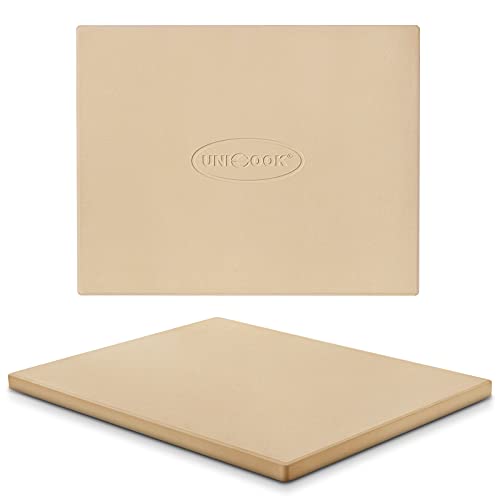
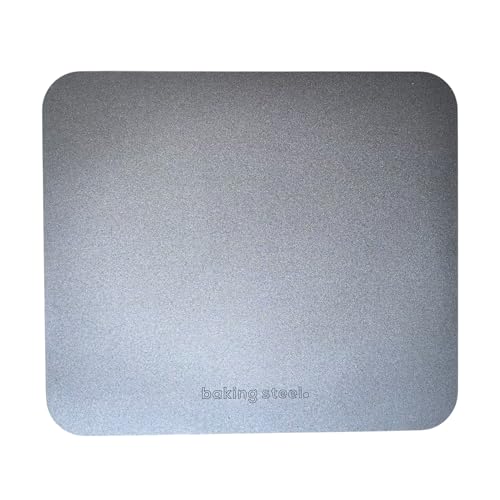
The five tools that do the work in every method on this site: a slab that stores heat, something to launch with, a way to read the surface, and a clean cut.


More ovens worth comparing
Beyond this guide, the highest-rated ovens across every fuel and budget, with a live price check on each.
- Check price on Amazon
- Check price on Amazon
- Check price on Amazon

- Check price on Amazon
- Check price on Amazon

- Check price on Amazon

As an Amazon Associate we earn from qualifying purchases, at no cost to you.
Quick shop: every pick.
Skip the scroll: the whole lineup, with a live price check on each.
- Ooni Koda 16Best Value OverallOoni · ~$498Check price on Amazon
- Gozney RoccboxBest Value CompactGozney · ~$399Check price on Amazon
- Ooni Koda 12Best Cheap Brand-Name OvenOoni · ~$299Check price on Amazon
- Halo Versa 16Best Value Full-Size with a Rotating StoneHalo · ~$499Check price on Amazon
- Solo Stove Pi PrimeBest-Looking Simple GasSolo Stove · ~$400Check price on Amazon
- Mimiuo Rotating Gas Pizza OvenCheapest Rotating StoneMimiuo · ~$300Check price on Amazon
How we chose.
We judge value ovens on performance first and price second, because a cheap oven that makes bad pizza is expensive. Peak floor temp: we shoot the center of the stone with an infrared gun at full crank, because the floor cooks the crust and an oven that can't saturate past ~800°F is a poor deal no matter the sticker. The 60-Second-Pizza Club: with the deck saturated, we launch a thin Neapolitan pie and time it to leoparded-and-puffed, the real-world proof that the oven's quoted temperature translates into actual baking, which is where a lot of budget ovens quietly fail. Only once an oven clears those bars do we ask what it costs.
Heat recovery is the value metric that matters most, because it's where price and performance separate hardest. A cold, wet pie steals heat from the stone the instant it lands; we compare the reported floor-temp drop on launch and how long the burner needs, per owner consensus, to recover before the next pie. Thin-walled budget ovens recover slowly and make you wait, the single biggest reason a cheap oven feels cheap, while a well-insulated oven like the Roccbox recovers like something a size up. We weigh each oven's heat, evenness, and recovery against its price to find the ones that punch above their cost. We pull every price, temperature, size, and weight from our PA-API-verified dataset and the manufacturers' published specs; we never fabricate a measurement, and every peak temperature here is the brand's stated figure unless we note we clocked it ourselves.
Key terms
- Performance-per-dollar
- The real definition of value: how much heat, evenness, and heat recovery an oven delivers for each dollar it costs. Not the same as cheapest, a low-priced oven that bakes badly is poor value, and a pricier oven that does far more can be the better deal.
- Peak floor temperature
- The temperature of the cooking stone (not the air) at full crank, the number that cooks the crust. An oven that can't saturate past ~800°F is a bad buy at any price; clearing that bar is the first thing we check before weighing cost.
- Heat recovery
- How fast the floor temperature climbs back after a cold pie lands and steals heat. The metric where cheap ovens fail hardest, thin-walled budget boxes recover slowly and make you wait between pies, which is exactly what makes a cheap oven feel cheap.
- False economy
- Spending less up front but getting worse results, a budget oven that can't hold its floor heat or saturate the stone costs you in bad pizza and frustration, making it a worse value than a pricier oven that actually works.
- 60-Second-Pizza Club
- Our shorthand for an oven hot enough to leopard a thin Neapolitan pie in roughly a minute once the floor is saturated. The real-world proof that an oven's quoted temperature translates into actual baking, where some budget ovens quietly fall short of their box claims.
Questions, answered
What's the best pizza oven for the money?
For most buyers, the Ooni Koda 16 at about $498. A full 16-inch ~950°F floor with an even L-shaped burner now costs only a couple of hundred dollars more than the budget field, which makes it the biggest jump in capability per dollar here. If you cannot reach that, the Gozney Roccbox at about $399 holds and recovers heat like a bigger oven and is the best compact value. The cheapest oven we would still hand to anyone is the Ooni Koda 12 at about $299. The best value is the cheapest oven that does your job well, not the cheapest, period.
Is a cheap pizza oven worth it, or should I spend more?
A cheap oven is worth it only if it clears the basics, a floor that saturates past ~800°F and recovers reasonably between pies. The ~$300 Mimiuo does, with budget compromises. Below that, many no-name ovens read hot on the box but never saturate the stone or dump their heat the instant a pie lands, which makes bad pizza slowly and sours people on the hobby. The encouraging news is that you no longer have to stretch to get a real brand: the Ooni Koda 12 has fallen to about $299, so brand support and a hotter floor now cost about the same as a no-name rotating box.
How much should I spend on a pizza oven?
Plan on about $300 for an honest budget oven, roughly $300 to $400 for a trustworthy brand-name 12-incher (Koda 12, Roccbox, Pi Prime), and about $500 for a full-size 16-inch oven (Koda 16, Halo Versa 16) that feeds a family. Spend the money on heat and heat recovery, the things that actually make pizza, and on size only if you'll use it. Save on extras like glass doors, built-in thermometers, and wood-burner upgrades that you can add later or replace with a $20 IR gun.
Is the Ooni Koda 16 worth the extra money over a cheaper oven?
For anyone who wants a full-size pie, usually yes. At about $498 the Koda 16 costs roughly $100 to $200 more than the budget ovens, a much smaller gap than it used to be, and it brings a true 16-inch even floor, ~950°F, an L-shaped burner that cooks evenly with one turn, and fast recovery, capabilities the single-burner 12-inchers simply don't have. If you cook for a family or host, that's the smarter spend. If you only ever cook for one or two on a tight budget, a 12-inch oven like the Koda 12 or the Roccbox is the better value and you skip the upcharge.
What's the cheapest pizza oven that's actually good?
The Ooni Koda 12 at about $299 is now the cheapest oven we'd recommend to anyone without an asterisk. It hits ~932°F, clears the floor temp a real pizza needs comfortably, and comes from a brand with support, parts, and resale value. The ~$300 Mimiuo costs about the same and adds a rotating stone, but its cooler ~860°F ceiling, budget build, and weaker recovery are compromises the Koda 12 doesn't ask you to accept. The Solo Stove Pi Prime, which used to hold this spot at $349, now costs about $400 and no longer competes on price.
Do more expensive pizza ovens actually make better pizza?
Up to a point, and then they stop. The jump from a no-name budget box to a known-good oven (Pi Prime, Koda 12) buys real improvements in heat, recovery, and reliability. The jump to a full-size oven (Koda 16) buys size and an even floor. Beyond that, much of the extra cost goes to build, insulation, doors, and brand, genuine value for hosts and cold-climate cooks, but not a hotter or fundamentally better pie. Every oven in this guide makes excellent pizza; price mostly buys size, recovery, and convenience, not better dough.
Keep reading.
What It Actually Costs to Run a Pizza Oven
Cost per pizza and per hour by fuel, derived from manufacturer BTU ratings and EIA energy prices, with all the arithmetic shown.
Pizza Oven Price Index: What Actually Moves
Our own 16 day tracking study: gas ovens changed price 10.3% of the time, thermometers 75.0%. Do not wait for a deal on the oven.
The Best Pizza Ovens (2026)
The whole field across every fuel type, gas, wood, multi-fuel, and electric, ranked by peak floor temp and heat recovery.
Best Budget Pizza Ovens Under $300 (2026)
Real pizza for less money, where the cheap ovens compromise, and which ones still make a great pie.
Best Pizza Oven for Beginners (2026)
The most forgiving, lowest-risk ovens to learn on, where value meets an easy learning curve.
Ooni vs Gozney: Which Brand Wins?
The two giants head to head, same ~950°F ceiling, very different philosophies, one clear way to choose.
Ooni Fyra 12 Review
Ooni's lightest wood-pellet oven reviewed, real live-fire flavor at $349, and what to cross-shop.