Our pick. Ooni
Check price on Amazon →Ooni Karu vs. Ooni Koda (2026): Which Ooni Line Should You Get?
Both are Ooni. Both hit the same ~950°F class. Both join the 60-Second Club. So the Karu-vs-Koda decision isn't about heat at all. It's about fuel philosophy. Karu is the multi-fuel line: wood and charcoal for real live-fire flavor, with an optional gas burner when you want it. Koda is the gas-only line: push a button, no flame to tend, no ash to clean. Same brand, same temperature ceiling, two completely different relationships with fire. Here's how to know which one is you.
By The Pizza Oven Review DeskUpdated 2026-06-29~11 min readRanked on verified floor heatHow we research
We earn a commission on purchases through our links, at no cost to you. It never decides a ranking. How this works
If you've decided on Ooni, you've still got one real fork in the road: Karu or Koda? It's the most common Ooni-shopper question after "which size," and it trips people up because the two lines look like they should be ranked against each other, as if one is the better oven. They're not. They're the same brand at the same heat class, split down the middle by a single question: do you want to tend a fire, or push a button? That's the whole decision, and once you see it that way it gets easy.
We rank and compare pizza ovens for a living, and nothing on this page is sponsored. Ooni doesn't get a softer read because they make both lines. We say that up front because the honest version of this comparison refuses to crown a winner: Karu is not "better" than Koda, and Koda is not "better" than Karu. Each is the right oven for a different kind of cook, and the wrong oven for the other. Our only job is to put you on the correct side of the line.
We'll run this through our standard lens (peak floor temperature, the 60-Second-Pizza Club, and heat recovery), and the striking thing is that all three come out roughly tied. Both lines reach the same ~950°F class, both bake a leopard-spotted Neapolitan pie in 60 to 90 seconds, both recover fast. That tie is the headline: because the heat is the same, the decision lives entirely in fuel philosophy: wood-fired flavor and flexibility (Karu) versus push-button convenience and simplicity (Koda).
The short version.
- It's not a heat decision. Both the Karu and Koda lines hit the same ~950°F class (the Koda 12 runs ~932°F), both join the 60-Second Club, and both recover fast, so peak temperature does NOT separate them.
- Karu = multi-fuel: wood and charcoal for genuine live-fire flavor, plus an optional gas burner for the days you want convenience. The trade is more work: ash, fire-tending, and a longer preheat on wood.
- Koda = gas-only: push-button ignition, instant heat, instant recovery, zero ash, nothing to tend. The trade is no wood flavor: gas alone can't give you the smoky char wood-firing does.
- The Karu line runs Karu 12 (~$249, 12in), Karu 2 (~$449, 12in), and Karu 2 Pro (~$849, 16in). The Koda line runs Koda 12 (~$299, 12in), Koda 2 (~$499, 14in), Koda 16 (~$498, 16in), and Koda 2 Max (~$1,299, 20in).
- Pick Karu if you're a flavor-chaser, a hobbyist, or you just want the option of both fuels. Pick Koda if you want the lowest-fuss weeknight oven, the lightest setup, and the simplest possible path to a great pizza.
Our top-rated pizza ovens
Whatever you decide, these are the ovens we recommend, ranked on stated floor heat. Live price check on each.
- Check price on Amazon

- Check price on Amazon

- Check price on Amazon

- Check price on Amazon

- Check price on Amazon

- Check price on Amazon

As an Amazon Associate we earn from qualifying purchases, at no cost to you.
What you'll need.
Prices approximate at time of writing.
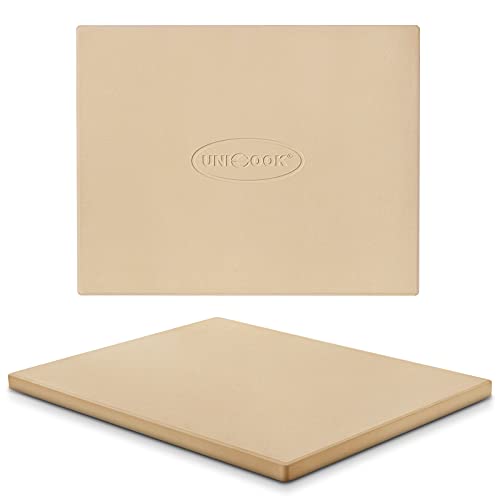
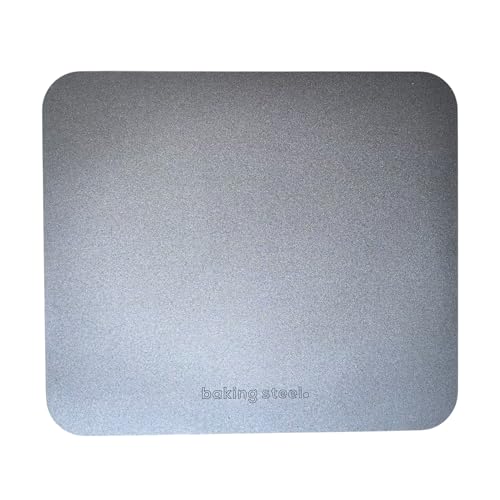
The five tools that do the work in every method on this site: a slab that stores heat, something to launch with, a way to read the surface, and a clean cut.


The one-line answer
Here is the entire decision in a sentence: if you want wood-fired flavor and the flexibility to run more than one fuel, get a Karu; if you want pure push-button convenience, get a Koda. That's it. Everything else on this page is just unpacking that one sentence so you can be sure which half of it is you.
The reason the choice is this clean is that Ooni built the two lines to answer two different desires, not two different budgets or two different performance tiers. The Karu line is for the cook who wants a live fire (the crackle, the smoke, the smoky char on the crust) and who is willing to do a little more work to get it. The Koda line is for the cook who wants a blistering Neapolitan pizza with the least possible fuss, and who would rather not think about fire at all. Both wants are completely legitimate. Neither makes a worse pizza. They're just different.
The Karu line, decoded (multi-fuel: flavor & flexibility)
The Karu line is Ooni's multi-fuel family: every Karu burns wood and charcoal out of the box, and every Karu can take an optional gas burner if you want to switch over to convenience on a given night. That dual nature is the whole pitch: you get genuine live-fire flavor when you want it, and a one-fuel-change escape hatch to gas when you don't. There are three models, and they ladder by size and price rather than by capability:
Karu 12 (~$249, 12in cooking size, ~950°F) is the entry point: the most affordable way into a real wood-fired Ooni, and it now undercuts even the gas Koda 12 by about $50. Karu 2 (~$449, 12in, ~950°F) keeps the 12-inch cook area but adds a glass door so you can watch the fire and the bake. Karu 2 Pro (~$849, 16in, ~950°F) steps up to a 16-inch cooking size with a large glass door, the model for people who want full-size pies and the most theater. Across all three, the temperature ceiling is the same ~950°F; you're paying for size and refinement, not heat.
What you get for choosing this line is flavor and flexibility. Wood and charcoal impart a smoky char that gas physically cannot. That's the entire reason live-fire pizza tastes the way it does. And because every Karu also accepts the gas burner, you're never locked in: wood for the flavor sessions, gas for the lazy ones. The cost of that flexibility is honest work. You manage a real fire, you sweep out ash afterward, and a wood start runs a longer preheat than a gas oven's near-instant warm-up. None of that is hard, but it's not nothing, and it's exactly the work the Koda line exists to eliminate.
Head-to-head on the spine: it's a tie on heat
Now run both lines through our signature lens and watch what happens, they come out even on every axis that usually decides an oven. Peak floor temperature: both lines sit in the same ~950°F class, with the sole exception of the Koda 12 at ~932°F, a difference small enough to be invisible on the crust. The 60-Second-Pizza Club: both lines are members, Karu and Koda alike will turn out a leopard-spotted Neapolitan pie in roughly 60 to 90 seconds. Heat recovery: both recover fast enough to feed a crowd one blistering pizza after another.
There's one nuance worth saying plainly, and it lives inside recovery. On a Koda, recovery is effortless and constant, it's gas, so the floor reheats between pizzas with no input from you. On a Karu, recovery is just as fast when you're running the optional gas burner, but on wood you're the one keeping it stoked: you tend the fire to hold temperature across a run of pies. So even the recovery story isn't a performance gap, it's the same speed, reached by a different amount of your attention. That's the whole pattern of this comparison in miniature.
So who should pick which?
With the heat tied, the buyer profiles are clean. Choose the Karu line if you're a flavor-chaser who wants the smoky char only wood and charcoal deliver; if you're a hobbyist who finds the fire itself part of the pleasure rather than a chore; or if you simply want options, the security of being able to run wood for flavor and gas for convenience from the same oven. The Karu cook accepts ash, fire-tending, and a longer wood preheat as the fair price of the best-tasting, most flexible pizza Ooni makes.
Choose the Koda line if you want weeknight convenience above all, a great pizza with the absolute least fuss; if you want the lightest, simplest setup and the lowest barrier to firing it up on a Tuesday; or if the idea of tending a fire reads as work rather than fun. The Koda cook happily gives up wood flavor in exchange for push-button ignition, instant recovery, and zero cleanup. If you'd rather spend your energy on the dough than the fire, this is your line.
And one honest note on scope: Karu and Koda are the two big lines, but they aren't all of Ooni. There's also the electric Volt 2, an indoor-capable, plug-in oven for people who can't or won't run a live fire or a propane tank outdoors, and the pellet-fed Fyra, a wood-pellet model that splits the difference with hands-off wood flavor from a gravity hopper. Most shoppers still land on Karu or Koda, but if neither fuel philosophy fits your space or your patience, those two are worth a look. For the full field beyond Ooni, see our best pizza ovens guide.
The model-for-model question, settled
Most people who reach this comparison are really deciding between the two entry models, the Karu 12 and the Koda 12, because they're the closest in price and size and sit right at the doorway of each line. The good news is that the line logic resolves the model fight cleanly: at 12 inches and the ~950°F class (Koda 12 at ~932°F), they cook the same pizza, so the choice between them is the choice between the lines themselves. Karu 12 for wood flavor and the optional-gas escape hatch at ~$249; Koda 12 for pure push-button gas at ~$299, which makes the multi-fuel model the cheaper of the two right now.
If you want that specific matchup taken all the way down to launch behavior, preheat times, cleanup, and who each one is for, we built a dedicated head-to-head: our Ooni Karu 12 vs. Koda 12 comparison settles the entry-model question model-for-model. And if you're still weighing whether Ooni is the right brand at all before you pick a line, start one step back with are Ooni pizza ovens worth it. Either way, the framework is the same one this whole page is built on: the heat is a tie, so choose the fuel philosophy and the rest falls into place.
Ready to buy? Start with our top picks
Whatever this guide steered you toward, here's where most readers land, ranked on stated floor heat. Live price check on each.
- Check price on Amazon
- Check price on Amazon
- Check price on Amazon
- Check price on Amazon
- Check price on Amazon
- Check price on Amazon
As an Amazon Associate we earn from qualifying purchases, at no cost to you.
Key terms
- Multi-fuel (the Karu line)
- An oven that burns wood and charcoal out of the box and accepts an optional gas burner. It's the Karu line's defining trait, you get live-fire flavor when you want it and a switch to gas convenience when you don't, at the cost of ash, fire-tending, and a longer wood preheat.
- Gas-only (the Koda line)
- An oven that runs solely on propane with push-button ignition. It's the Koda line's defining trait, instant heat, instant recovery, and zero ash or fire-tending, traded against the smoky char that only wood-firing can produce.
- 60-Second-Pizza Club
- Our benchmark for ovens that cook a leopard-spotted Neapolitan pie in roughly 60 to 90 seconds and keep doing it. Both the Karu and Koda lines are members, which is precisely why the Karu-vs-Koda choice can't be settled on bake speed.
- Peak floor temperature
- The temperature of the cooking stone, which sets the crust. Both Ooni lines reach the same ~950°F class (the Koda 12 runs ~932°F), so floor temperature does not separate them, making fuel philosophy, not heat, the real decision.
- Heat recovery
- How fast the floor returns to temperature between pizzas. Both lines recover fast, but on a Koda it's automatic gas reheat, while on a Karu running wood you tend the fire to hold temperature. Same speed, different amount of your attention.
- Fuel philosophy
- The actual axis of the Karu-vs-Koda decision: do you want to tend a live fire for flavor and flexibility (Karu) or push a button for convenience and simplicity (Koda)? Because heat, the 60-Second Club, and recovery are tied, this is the only question that decides it.
Questions, answered
What's the real difference between Ooni Karu and Ooni Koda?
Fuel philosophy, not performance. The Karu line is multi-fuel, it burns wood and charcoal for genuine live-fire flavor and accepts an optional gas burner for convenience. The Koda line is gas-only, push-button ignition, instant heat, instant recovery, and zero ash. Both lines hit the same ~950°F class (the Koda 12 runs ~932°F), both join the 60-Second Club, and both recover fast, so they cook essentially the same pizza. The choice is whether you want to tend a fire for flavor and flexibility (Karu) or push a button for convenience (Koda).
Is the Karu or the Koda a better pizza oven?
Neither, and that's the honest answer. They're the same brand at the same ~950°F heat class, both members of the 60-Second Club, both fast to recover. There's no performance winner. The Karu is the better oven for a flavor-chaser or hobbyist who wants wood-fired char and the option to run two fuels; the Koda is the better oven for someone who wants the least-fuss, push-button path to a great pizza on a weeknight. Each is the right oven for a different cook and the wrong one for the other.
Does the Ooni Karu actually taste better than the Koda?
When you run it on wood or charcoal, yes, wood-firing imparts a smoky char that gas physically cannot reproduce, and that flavor is the entire reason to choose the Karu line. But it's conditional: a Karu running its optional gas burner tastes much like a Koda, because at that point it is a gas oven. So the Karu's flavor edge exists only when you're actually burning wood, which is also when you're doing the fire-tending and ash cleanup that the Koda eliminates. If wood flavor matters to you, that trade is worth it; if it doesn't, the Koda gives you the same gas pizza with less work.
Which Ooni line is easier to use, Karu or Koda?
The Koda, clearly. It's gas-only with push-button ignition: connect propane, turn the dial, push the igniter, and you have instant heat with instant recovery and no ash to clean. The Karu is more involved when you run it on wood, you build and tend a live fire, manage a longer preheat, and sweep out ash afterward. The Karu can run its optional gas burner to match the Koda's ease, but in its signature wood mode it asks more of you. If lowest-fuss operation is your priority, the Koda line is the easy pick.
Are the Karu and Koda the same temperature?
Effectively yes. Both lines sit in the same ~950°F class, with the only exception being the Koda 12 at about 932°F, a difference small enough to be invisible on the finished crust and still well inside 60-second-pizza territory. This temperature tie is exactly why the Karu-vs-Koda decision is not a heat decision: peak floor temperature, the 60-Second Club, and heat recovery all come out even, leaving fuel philosophy as the only thing that separates the two lines.
Are Karu and Koda the only Ooni ovens?
No, they're the two main lines, but not the whole catalog. Ooni also makes the electric Volt 2, an indoor-capable plug-in oven for people who can't or won't run a live fire or a propane tank, and the Fyra, a wood-pellet model that delivers hands-off wood flavor from a gravity hopper. Most shoppers still land on Karu (multi-fuel) or Koda (gas-only) because they cover the two big fuel philosophies, but if neither fits your space or patience, the Volt 2 and Fyra are worth a look.
Filed under Explainer
Part of Pizza Oven 101 · Comparisons & Head-to-Heads
Keep reading.
Ooni Karu 12 vs. Ooni Koda 12
The entry-model head-to-head taken model-for-model, launch behavior, preheat, cleanup, and who each one is for.
The Best Ooni Pizza Oven (2026)
Once you've picked a line, this ranks the full Ooni field, Karu, Koda, Volt, and Fyra, by floor heat, the 60-Second Club, and recovery.
Gas vs. Wood-Fired Pizza Ovens
The fuel-philosophy question in full, what wood flavor actually buys you, and what the push-button convenience of gas trades it for.
Ooni vs Gozney: Which Brand Wins?
The two giants head to head, same ~950°F ceiling, very different philosophies, one clear way to choose.
Ooni Fyra 12 Review
Ooni's lightest wood-pellet oven reviewed, real live-fire flavor at $349, and what to cross-shop.