Our pick. Ooni
Check price on Amazon →Pizza Oven Safety Tips (2026): Run a 900°F Oven Without Getting Burned
A pizza oven is the hottest appliance most people will ever own, the same ~900°F floor that makes leopard-spotted Neapolitan pizza also makes the shell, the mouth, and the chimney genuinely dangerous to touch. None of this is reason to be afraid of the thing; it's reason to respect it. Here's the practical, no-drama safety checklist: where to put it, how to handle gas and wood safely, how not to burn yourself, and the few rules that are non-negotiable. When in doubt, your manufacturer's manual and local codes win over anything here.
By The Pizza Oven Review DeskUpdated 2026-06-29~11 min readRanked on verified floor heatHow we research
We earn a commission on purchases through our links, at no cost to you. It never decides a ranking. How this works
Most kitchen safety advice is about a 350°F oven. A pizza oven is a different animal: it runs at roughly three times that temperature, and the same extreme heat that makes the pizza great is the same heat you have to manage to use it safely. This guide is the careful, practical version of that, not fear-mongering, just the handful of habits that keep a screaming-hot appliance fun instead of dangerous. We'd rather you read this and never need it than skip it and learn the hard way.
Nothing here is sponsored and we have no incentive to wave away a real risk. We make the same disclosure on every page: if you buy a recommended oven or accessory through one of our links we may earn a small commission, and that's it, it never changes what we tell you, and it certainly doesn't change the safety advice, which is the same advice we'd give a family member. The single most important sentence in this whole article is the one we keep coming back to: a pizza oven is built to reach an ~900°F floor, and a surface that hot makes the whole machine hot, so you treat all of it as hot until proven otherwise.
We'll cover the things that actually matter in the order they come up: why these ovens get so hot in the first place, where to put one safely, how to handle gas and propane, how to manage a wood fire and its embers, how to avoid burns while you cook, and the few hard rules, like never running a fuel-burning oven indoors, that have no exceptions. Throughout, the rule above the rules is simple: follow your oven's manual and your local fire codes. They're written for your specific model and your specific jurisdiction, and they outrank any general guidance, including ours.
The short version.
- Respect the heat: a pizza oven is engineered to hit an ~900°F floor, and that means the exterior shell, the mouth, and the chimney all get extremely hot. Treat every part as hot until you've confirmed otherwise.
- Placement is safety: put a fuel-burning oven outdoors only, on a stable, level, heat-tolerant surface, with generous clearance from walls, fences, railings, and anything combustible, and never under a low or enclosed roof.
- Gas habits matter: leak-test connections with soapy water, open the tank valve slowly, never leave a lit oven unattended, shut the gas off at the tank when you're done, and store propane tanks outdoors and upright.
- Wood means embers: keep a fire extinguisher or water within reach, manage ash, let ash cool completely before disposing of it in a metal container, and mind sparks on windy days.
- The non-negotiables: use heat-resistant gloves and a long peel, keep kids and pets back, never use a fuel-burning oven indoors or in a garage (carbon monoxide plus fire), and follow your manufacturer's manual and local codes over anything else.
Our top-rated pizza ovens
Whatever you decide, these are the ovens we recommend, ranked on stated floor heat. Live price check on each.
- Check price on Amazon

- Check price on Amazon

- Check price on Amazon

- Check price on Amazon

- Check price on Amazon

- Check price on Amazon

As an Amazon Associate we earn from qualifying purchases, at no cost to you.
What you'll need.
Prices approximate at time of writing.
The five tools that do the work in every method on this site: a slab that stores heat, something to launch with, a way to read the surface, and a clean cut.
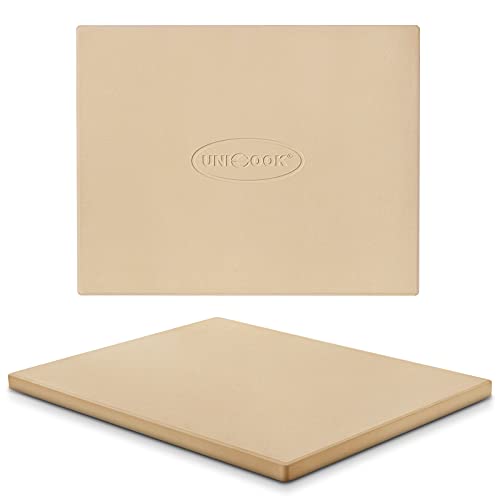
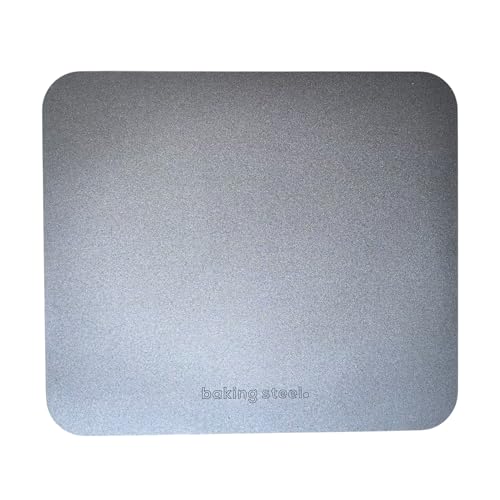


Why a pizza oven gets so hot, and why that demands respect
Start with the one fact that explains every other rule in this guide: a pizza oven is built to reach an ~900°F floor. That extreme floor temperature is the entire reason the category exists, it's what bakes a leopard-spotted Neapolitan pizza in 60 to 90 seconds, something a 550°F kitchen oven physically cannot do. But heat that intense doesn't politely stay on the cooking stone. It radiates and conducts outward, so the metal shell, the open mouth where you launch the pizza, and the chimney where the exhaust escapes all get genuinely, dangerously hot during a cook and for a long time after you shut it down.
This isn't a flaw to fear; it's the nature of the tool, and respecting it is the whole game. A grill at 450°F will give you a nasty burn; a pizza oven runs at roughly double that and concentrates it. Some ovens are designed with insulated or "safe-touch" outer shells that stay cooler to the hand, but you should never assume any surface is cool, assumptions are how burns happen. The safe default is to treat the entire oven, inside and out, as hot from the moment you light it until it has fully cooled, which can take an hour or more.
Placement and clearances: where to put it before you ever light it
Safety starts before the first flame, with where the oven lives. The default rule is simple: fuel-burning ovens (gas, wood, charcoal, pellet) go outdoors, full stop, the only indoor-capable ovens are purpose-built indoor electric models, which are a different and more limited category. Outdoors, set the oven on a stable, level, heat-tolerant surface that won't tip, sag, or scorch: a masonry counter, a dedicated stand or table rated for the weight and heat, or a stone or concrete surface. A wobbly or flammable base under a 900°F appliance is exactly the kind of thing this guide exists to prevent.
Then give it room. Keep generous clearance on every side and above, away from walls, wooden fences, railings, deck posts, siding, overhanging branches, string lights, and anything else that can catch, melt, or scorch. Crucially, never run a fuel-burning oven under a low or enclosed roof, in a covered alcove, or beneath a pergola that traps heat and exhaust; the chimney needs open air above it. Your manufacturer's manual lists specific minimum clearances for your model, and those numbers win over any general advice, but when in doubt, leave more space, not less. We go deeper on choosing a safe spot in our where to put a pizza oven guide.
Gas and propane: the connection, the valve, and the tank
If your oven runs on gas or propane, a handful of habits cover most of the risk. First, check your connections for leaks before you light it, especially after attaching a fresh tank or moving the oven. The classic test is soapy water: brush a mix of dish soap and water onto the hose, regulator, and tank fittings, then open the gas; if bubbles form and grow, gas is escaping and you must close the valve, fix or replace the connection, and re-test before lighting. Never test for a gas leak with a flame. When you do open the tank, open the valve slowly rather than wrenching it wide.
While it's running, never leave a lit gas oven unattended, a live flame at this output is not something to walk away from, even for a few minutes. When you're finished, shut the gas off at the tank, not just at the oven's control knob, so there's no pressure sitting in the line. And store propane tanks the way the rules require: outdoors, upright, in a ventilated spot, away from heat sources and out of enclosed spaces like garages, sheds, or basements. A propane tank is safe when it's treated correctly and stored correctly; both halves matter. Always defer to your oven's manual and your local codes for the exact procedure and any model-specific requirements.
Wood and live fire: embers, ash, and sparks
A wood-fired oven adds a beautiful flavor and a second set of responsibilities, because now you're managing actual fire and the embers it leaves behind. Keep a fire extinguisher rated for the job, or a ready source of water, within arm's reach whenever the oven is lit, not in the garage, not "somewhere," but right there. Use the right, dry fuel your manufacturer specifies; damp or treated wood and random scraps can spark, pop, and behave unpredictably. While you cook, keep an eye on the firebox and tend it deliberately rather than overloading it.
The part people underestimate is the aftermath. Embers and ash stay dangerously hot long after the flames die down, so let ash cool completely before you dispose of it, and when you do, scoop it into a metal container with a lid, never a paper bag, plastic bin, or anything combustible, and keep that container away from the house and anything that burns until you're certain it's cold. On a windy day, be extra careful: sparks and embers can travel, so think twice about running a live fire in gusty conditions or near dry vegetation, and keep the surroundings clear. As always, your manual and local fire codes, including any burn restrictions in your area, take precedence over general guidance.
Burns and handling: gloves, peels, and keeping people clear
Most pizza-oven injuries aren't dramatic fires, they're burns, and they're avoidable. The two essential tools are heat-resistant gloves and a long peel. Good gloves let you handle the oven and accessories without grabbing bare metal, and a long peel keeps your hands and forearms back from the ~900°F mouth while you launch and turn the pizza. Don't reach into that opening with a short utensil or a bare hand; the heat coming off the mouth alone is enough to burn before you ever touch anything. We cover what to look for in our best pizza oven gloves guide.
Beyond the tools, it's about discipline and awareness. Keep kids and pets back from a lit or recently used oven, a curious hand or a wagging tail near a 900°F shell is a serious risk, so establish a clear no-go zone and enforce it. Never grab a hot part, the chimney, the mouth, the shell, the door, on the assumption it's cooled; check first, and when unsure, wait. And give the oven real time to cool fully before you cover it, move it, or pack it away; throwing a cover over a still-hot oven or lifting a hot portable unit is a classic way to get burned or to damage the cover. Patience here is free. The cook is fast; the cooldown is not, as we explain in how to use a pizza oven.
The non-negotiables: indoors, garages, and the manual
A few rules have no exceptions, and they're worth stating plainly. The biggest: never use a fuel-burning oven indoors or in a garage. Burning gas, wood, charcoal, or pellets produces carbon monoxide, an invisible, odorless, potentially fatal gas, and creates an open-fire hazard, neither of which belongs inside a home or a closed garage, even with a door cracked. The only ovens designed for indoor use are rated indoor electric models, which don't produce combustion exhaust; if an oven isn't explicitly built and rated for indoor use, it goes outside, every time, no exceptions. If indoors is your only option, buy an oven built for it, like the Cuisinart Indoor Pizza Oven or the electric Ooni Volt 2, rather than trying to make an outdoor oven work inside.
The rule that sits above all the others is just as simple: follow your manufacturer's manual. It's written for your exact model, its clearances, its fuel, its ignition sequence, its cooldown, its quirks, and it knows things this general guide can't. Pair it with your local fire codes and any seasonal burn restrictions, which reflect the rules and risks where you actually live. When the manual or the local code says something different from a tip you read online, including ours, the manual and the code win. None of this is meant to make a pizza oven sound scary, used the way it's designed to be used, it's safe and genuinely joyful. Once you've got the safety basics down, the fun part is the gear and the cooking, which is where our best pizza ovens guide picks up.
Ready to buy? Start with our top picks
Whatever this guide steered you toward, here's where most readers land, ranked on stated floor heat. Live price check on each.
- Check price on Amazon
- Check price on Amazon
- Check price on Amazon
- Check price on Amazon
- Check price on Amazon
- Check price on Amazon
As an Amazon Associate we earn from qualifying purchases, at no cost to you.
Key terms
- Peak floor temperature (~900°F)
- The temperature the cooking stone is built to reach, and the reason a pizza oven exists. It's also the root of every safety rule: heat that extreme radiates outward, making the shell, mouth, and chimney hot enough to burn, so the floor temp is both the feature you bought and the hazard you manage.
- Clearance
- The open, empty space you keep around and above a running oven, away from walls, fences, railings, branches, and any combustible surface. Your manual specifies minimums for your model; when in doubt, leave more, not less, and never run a fuel-burning oven under a low or enclosed roof.
- Soapy-water leak test
- The standard, flame-free way to check a gas or propane oven for leaks: brush soapy water on the hose, regulator, and tank fittings, open the gas, and watch for growing bubbles. Bubbles mean gas is escaping, close the valve, fix the connection, and re-test before ever lighting.
- Ember and ash management
- The discipline of treating a wood fire as hot long after the flames stop. Embers and ash stay dangerously hot for a long time, so you let ash cool completely, then dispose of it only in a closed metal container, never paper, plastic, or anything combustible.
- Carbon monoxide hazard
- The invisible, odorless, potentially fatal gas produced when any fuel, gas, wood, charcoal, pellets, burns. It's the core reason fuel-burning ovens must never run indoors or in a garage. Only rated indoor electric ovens, which produce no combustion exhaust, are safe inside.
- The manual-and-code rule
- The principle that your manufacturer's manual (written for your exact model) and your local fire codes (written for your jurisdiction) outrank any general safety tip, including ours. When guidance conflicts, defer to the manual and the code, every time.
Questions, answered
How hot does a pizza oven actually get, and why does that matter for safety?
A pizza oven is built to reach roughly a 900°F floor, about triple a typical kitchen oven, because that's the heat that bakes a true Neapolitan pizza in 60 to 90 seconds. That matters for safety because heat that intense doesn't stay on the stone: it radiates and conducts outward, so the metal shell, the open mouth, and the chimney all get extremely hot during a cook and for a long time after. Some ovens have insulated or safe-touch shells, but you should never assume any part is cool. The safe default is to treat the entire oven as hot from the moment you light it until it has fully cooled, which can take an hour or more.
Can I use a pizza oven indoors or in my garage?
No, not a fuel-burning one. Gas, wood, charcoal, and pellet ovens produce carbon monoxide (an invisible, odorless, potentially fatal gas) and an open-fire hazard, so they must be used outdoors only, never inside a home or a closed garage, even with a door cracked. The single exception is a rated indoor electric oven, which is purpose-built for inside use and produces no combustion exhaust. If your oven isn't explicitly built and rated for indoor use, it goes outside every time. This is one of the few rules with no exceptions.
How do I safely handle a gas or propane pizza oven?
Five habits, every time. Before lighting, leak-test the hose, regulator, and tank fittings with soapy water, brush it on, open the gas, and watch for growing bubbles, which mean a leak (never test with a flame). Open the tank valve slowly rather than cranking it wide. Never leave a lit oven unattended. When you're done, shut the gas off at the tank, not just the control knob, so no pressure sits in the line. And store propane tanks outdoors, upright, and ventilated, never in a garage, shed, or basement. Always defer to your oven's manual and local codes for the exact procedure for your model.
What's the safe way to deal with ash and embers from a wood-fired oven?
Treat the fire as hot long after the flames stop, because embers and ash stay dangerously hot for a long time. Keep a fire extinguisher or water within arm's reach the whole time the oven is lit. When you're done, let the ash cool completely, not warm, fully cold, before disposing of it, and scoop it only into a metal container with a lid, never a paper bag, plastic bin, or anything combustible. Keep that container away from the house and anything flammable until you're certain it's cold. On windy days, be extra cautious, since sparks and embers can travel, and check any local burn restrictions.
How do I avoid burning myself while making pizza?
Burns are the most common pizza-oven injury and the most preventable. Wear heat-resistant gloves and use a long peel so your hands and forearms stay back from the ~900°F mouth while you launch and turn pizzas, never reach into that opening with a short tool or a bare hand. Keep kids and pets clear of a lit or recently used oven with a firm no-go zone. Never grab the chimney, mouth, shell, or door on the assumption it has cooled; check first, and when unsure, wait. And let the oven cool fully before covering, moving, or packing it away. The cook is fast, but the cooldown is slow, so patience is your friend.
What should I put around and under my pizza oven?
Set it on a stable, level, heat-tolerant surface that won't tip, sag, or scorch, masonry, a stand or table rated for the weight and heat, or stone or concrete, never a wobbly or flammable base. Give it generous clearance on every side and above, away from walls, wooden fences, railings, deck posts, siding, branches, and string lights, and never run a fuel-burning oven under a low or enclosed roof or a heat-trapping pergola; the chimney needs open air. Your manual lists specific minimum clearances for your model, and those win over general advice, but when in doubt, leave more room, not less.
Keep reading.
Where to Put a Pizza Oven (2026)
The placement deep-dive, surfaces, clearances, and the spots to avoid before you ever light it.
The Best Pizza Oven Gloves (2026)
Heat-resistant gloves are the cheapest burn insurance there is, here's what actually protects your hands at 900°F.
How to Use a Pizza Oven (2026)
From light-up to launch to cooldown, the full workflow, including the patient part most beginners rush.
Ooni vs Gozney: Which Brand Wins?
The two giants head to head, same ~950°F ceiling, very different philosophies, one clear way to choose.
Ooni Fyra 12 Review
Ooni's lightest wood-pellet oven reviewed, real live-fire flavor at $349, and what to cross-shop.