Our pick. Ooni
Check price on Amazon →How to Use a Pizza Oven (2026): First Fire to First Pizza
Your oven just arrived. Here's exactly what to do, from the curing burn nobody warns you about, through the long preheat that actually matters, to launching, turning, and pulling your first leopard-spotted pie. The whole process is simpler than the internet makes it look; the two things that separate a great first night from a stressful one are a fully-charged floor and a calm launch. We'll get you both.
By The Pizza Oven Review DeskUpdated 2026-06-28~10 min readRanked on verified floor heatHow we research
We earn a commission on purchases through our links, at no cost to you. It never decides a ranking. How this works
There's a particular kind of nervousness that comes with a brand-new pizza oven sitting in the backyard, a machine that runs at temperatures hot enough to cook a pizza in a minute, and a vague sense that you're about to waste a lot of dough learning how to use it. The good news, which the firehose of online advice tends to bury, is that using a pizza oven is genuinely simple. There are about six things to get right, most of them are forgiving, and the two that aren't, charging the floor and launching cleanly, are easy to learn once someone tells you plainly what to do.
This is that plain version: a first-fire-to-first-pizza walkthrough that takes you from unboxing to a finished pie without the mystique. We'll cover the curing burn (the first fire you run with no pizza in it, which most people don't know they need), the preheat that actually determines your crust, the readiness check that takes the guessing out, the launch and the turn, and pulling the pizza at the right moment. Then we'll set you up to do it again, because the second pizza, and how the oven recovers for it, is where our signature lens really lives.
Everything here applies to a gas oven out of the box and, with a note or two, to wood and electric as well. We'll flag the fuel-specific bits as they come. This is operating guidance written for a beginner's first session, not a substitute for your oven's safety manual, high-heat ovens demand real respect for clearances, supervision, and never leaving a live oven unattended. Read your manual for the specifics of your model, then come back here for how to actually cook.
The short version.
- Run a curing burn first: most ovens want one initial fire with no pizza in them to cure the stone and burn off manufacturing residue. Check your manual, skipping it can crack a cold-shocked stone.
- The preheat is the whole game. Give the oven a full preheat (often 20 to 30 minutes, longer for wood) so the FLOOR, not just the air, is fully charged. An under-preheated floor is the #1 cause of a soggy first pizza.
- Verify with an infrared thermometer, not the clock. Read the center of the stone before you launch; aim for your style's floor target (≈750 to 900°F for Neapolitan, lower for New York).
- Launch with confidence and a floured peel, then TURN the pizza every 20 to 30 seconds because the flame heats one side, the turn is the skill that most decides an even bake.
- Plan for pizza two: watch heat recovery between bakes (an infrared reading tells you), feed a wood fire or give a thinner oven a moment so your fourth pie is as good as your first.
Our top-rated pizza ovens
Whatever you decide, these are the ovens we recommend, ranked on stated floor heat. Live price check on each.
- Check price on Amazon

- Check price on Amazon

- Check price on Amazon

- Check price on Amazon

- Check price on Amazon

- Check price on Amazon

As an Amazon Associate we earn from qualifying purchases, at no cost to you.
What you'll need.
Prices approximate at time of writing.
The five tools that do the work in every method on this site: a slab that stores heat, something to launch with, a way to read the surface, and a clean cut.
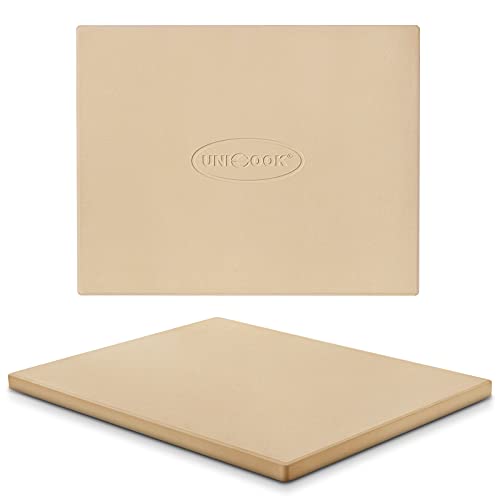
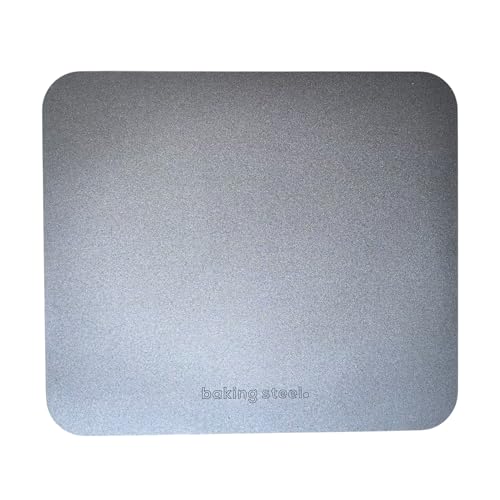


First: the curing burn nobody warns you about
Before you cook a single pizza, most ovens want a curing burn, an initial fire with nothing inside, and a lot of first-timers don't know it exists. Its job is threefold: to drive any residual moisture out of a brand-new stone, to burn off manufacturing residues and oils, and, crucially, to bring the stone up to temperature gradually the first time so it doesn't thermally shock and crack. Check your manual for the exact procedure, but the typical version is a slow ramp to high heat over 20 to 30 minutes, run once when the oven is new.
Skipping it has two failure modes. The mild one is a faint chemical smell or off-flavor on your first pizza from un-burned-off residue. The serious one is a cracked stone: a cold, slightly damp factory-fresh stone hit with full flame can fracture. The curing burn is five minutes of attention that protects a part you can't easily replace, so do it. After this one-time cure, you'll never think about it again, every subsequent session just starts with a normal preheat.
The preheat is the whole game
If you take one thing from this guide, take this: the preheat determines your pizza more than anything else you do. Your crust is cooked by the floor, and the floor only works if it's fully charged, heat-saturated all the way through its mass, not just hot on the surface. That takes time: commonly 20 to 30 minutes for a gas oven on high, and substantially longer for wood, where you build the fire, let it burn down to a steady state, and wait for the dome to turn clear (the soot burning off the roof is the visual signal the chamber is properly hot).
The classic beginner failure is impatience. The oven's air gets hot fast, the dial reads high, and it feels ready in ten minutes, so people launch, the cold pizza crashes the under-charged floor, and the base comes out pale and soggy while everyone wonders what went wrong. Nothing went wrong except the clock. A fully charged floor has a deep reservoir of heat to dump into the dough; a surface-hot, core-cold floor runs out instantly. Patience on the preheat is free and it's the highest-leverage habit in pizza.
Prepping the pizza so it actually launches
Most launch disasters are prep disasters in disguise, and they're fixable before you ever walk to the oven. Build your pizza on a well-floured peel, semolina is ideal because it acts like tiny ball bearings under the dough, and keep two rules: work fast (the longer wet dough sits on the peel, the more it sticks) and keep it light (an over-topped, soggy pizza is hard to slide and prone to tearing). A simple Margherita launches far easier than a loaded everything-pie, which is why it's the right first pizza.
The make-or-break habit: give the peel a gentle shake before you head to the oven. If the pizza slides freely, you're golden. If it's stuck, you've caught the problem in the safe place, lift the stuck edge and throw a little more flour under it, or in a pinch slide the whole thing onto a fresh floured peel. A pizza that won't shake loose on the bench will absolutely not launch into a 900°F oven; it'll fold into a calzone on the stone. Confirm the slide at the bench, every single time.
Launch, turn, and read the bake
The launch itself is one confident motion. Bring the peel to the oven mouth, tip the front edge down to the stone, and pull the peel straight back so the pizza slides off and lands flat, think of it as pulling a tablecloth out from under the dishes. Commit to it; a slow, tentative launch is what causes folds and sticks, while a decisive one almost always lands clean. Aim toward the back of the oven so you've got room to work the pizza after.
Now the core skill of a fast bake: the turn. Your oven's flame heats one side of the chamber hardest, so a pizza left in place chars on the flame side while the far side stays pale. Using a turning peel (the small round one), rotate the pizza every 20 to 30 seconds for a hot Neapolitan bake, less often, every minute or two, for cooler New York or pan styles. Watch the rim: you want it puffing and developing even leopard-spotting all the way around, which steady turning produces. If your oven has a motorized rotating stone, this skill is handled for you.
Pizza two: recovery is where sessions are won or lost
Your first pizza is the easy one, the floor is fully charged and rested. The real test is the second, third, and fourth, because every pizza you launch dumps heat into the cold dough and pulls the floor temperature down. How fast the floor climbs back is heat recovery, and it's the part of our signature lens that decides whether cooking for a group is a joy or a slow-motion disappointment.
Manage it by fuel. A gas oven recovers almost on its own because the flame never stops pouring heat back into the stone, usually a minute between pies is plenty, and you can take an infrared reading to confirm the floor's back to target. A wood oven recovers on its coal bed's schedule, so you feed the fire and give it time between bakes; a well-managed wood fire holds, a neglected one sags. A thinner, lighter oven of any fuel recovers slower than a heavily insulated one, so just give it an extra moment. The fix is always the same: read the floor, and don't launch pizza two until it's back where pizza one started.
After the cook: shut down and a quick clean
When you're done, shutdown is short. For gas, turn off the burner and close the propane tank valve, then let the oven cool fully before moving or covering it. For wood, let the fire burn down and the coals die out completely, never move or store an oven with live embers. For electric, switch off and unplug once cool. In all cases, the oven stays dangerously hot long after the flame is gone, so give it real time before you touch the chamber.
A quick clean now saves a chore later. Once the oven has cooled, brush the stone with a wire brush and scraper to knock off any burnt flour or cheese, and let any small stains simply burn off during your next preheat, high heat is self-cleaning, so you do not scrub a pizza stone with soap and water. Sweep out wood ash if you ran a fire. That's it for a normal session; a deeper clean comes occasionally, not every time, and we cover the full routine in how to clean a pizza oven.
How to Use a Pizza Oven for the First Time
- 1
Run the curing (first) burn
Before you ever cook in it, check your manual and run the recommended initial burn with no pizza inside, typically bringing the oven gradually up to temperature for 20 to 30 minutes. This cures the stone, drives off any residual moisture, and burns away manufacturing residue, and the gradual heat-up protects the stone from thermal-shock cracking. Do this once when the oven is new.
- 2
Set up safely and connect fuel
Place the oven on a stable, heat-safe surface with plenty of clearance from walls, railings, and anything flammable, on a non-windy spot. For gas, connect the regulator and hose to a propane tank and check for leaks (soapy water on the connections, bubbles mean a leak). For wood, have kiln-dried hardwood ready. Never use an oven indoors unless it is specifically an indoor model.
- 3
Preheat fully, charge the floor, not just the air
Fire the oven to high and give it a full preheat: roughly 20 to 30 minutes for gas, longer for wood (build the fire, let it burn down, and wait for the dome to clear). The goal is a fully heat-saturated floor, not just hot air. Rushing the preheat is the single most common beginner mistake and the main cause of a pale, soggy base.
- 4
Verify floor temperature with an infrared thermometer
Don't trust the clock, point a handheld infrared thermometer at the center of the stone and confirm it's at your style's target: roughly 750 to 900°F for Neapolitan, around 600 to 700°F for New York. If it's short, keep preheating. This $15 to 25 check removes nearly all the guesswork from your first bake.
- 5
Prep the pizza on a floured peel
Stretch and top a pizza no larger than your oven fits. Build it on a peel dusted with semolina or flour, keep the toppings light (heavy pizzas are hard to launch), and give the peel a gentle shake to confirm the pizza slides freely BEFORE you go to the oven. If it sticks now, it will stick on launch.
- 6
Launch the pizza onto the stone
Bring the peel to the oven mouth, tip the front edge down to the stone, and pull the peel back with one smooth, confident motion so the pizza slides off and lands flat. Commit to the move, a hesitant launch is what causes folds and sticks. Aim it toward the back so you have room to turn it.
- 7
Turn the pizza every 20 to 30 seconds
The flame heats one side hardest, so rotate the pizza with a turning peel every 20 to 30 seconds (every minute or two for lower-temp styles) so it cooks evenly and the rim chars all the way around. This turn is the core skill of a fast bake, if your oven has a motorized rotating stone, it does this for you.
- 8
Pull, rest the floor, and recover for the next
When the base is set and the rim is puffed and leopard-spotted (about 60 to 90 seconds for Neapolitan; minutes for cooler styles), pull the pizza onto a board. Then check heat recovery: take an infrared reading and, if the floor has dropped, give a gas oven a minute or feed a wood fire before launching pizza two so it bakes as well as the first.
Ready to buy? Start with our top picks
Whatever this guide steered you toward, here's where most readers land, ranked on stated floor heat. Live price check on each.
- Check price on Amazon
- Check price on Amazon
- Check price on Amazon
- Check price on Amazon
- Check price on Amazon
- Check price on Amazon
As an Amazon Associate we earn from qualifying purchases, at no cost to you.
Key terms
- Curing burn
- The one-time initial fire you run with no pizza inside when an oven is new, ramping to temperature gradually to drive moisture out of the stone, burn off manufacturing residue, and temper the stone against thermal-shock cracking. Check your manual for the exact procedure before your first cook.
- Preheat saturation
- Heating the oven long enough that the floor is fully charged through its entire mass, not just hot on the surface, typically 20 to 30 minutes for gas and longer for wood. Under-preheating is the most common beginner mistake and the main cause of a pale, soggy first pizza.
- Peel shake test
- Gently shaking the loaded peel at the bench before walking to the oven to confirm the raw pizza slides freely. If it sticks here, it will fold on launch, catching it now (with more flour) is the single best insurance against a ruined launch.
- The turn
- Rotating the pizza every 20 to 30 seconds during a hot bake (less often at lower temperatures) because the flame heats one side of the chamber hardest. The turn is the core skill of fast pizza, producing an evenly puffed, all-around leopard-spotted rim, and a motorized rotating stone automates it.
- Heat recovery
- How fast the floor climbs back to target after a cold pizza pulls heat out of it. It decides whether your second through fourth pizzas match the first; gas recovers fastest, wood recovers on its coal bed's schedule, and pacing your launches to the floor's recovery is the key session habit.
- 60-Second-Pizza Club
- Our benchmark for ovens that cook a leopard-spotted Neapolitan pie in about 60 to 90 seconds, and keep doing it, which tests floor heat and recovery together. Hitting it at home comes down to a fully charged floor, a clean launch, a steady turn, and pacing to recovery.
Questions, answered
Do I need to do anything before cooking in a new pizza oven?
Yes, run a curing (first) burn before you cook a single pizza. Most ovens want one initial fire with nothing inside, ramping to temperature gradually over about 20 to 30 minutes, to drive moisture out of a brand-new stone, burn off manufacturing residue, and temper the stone so it doesn't thermal-shock and crack. Check your specific manual, because the procedure varies by fuel (gas uses a gradual flame ramp, wood often uses a series of building fires). Skipping it risks an off-flavor on your first pizza at best and a cracked stone at worst. It's a one-time step.
How long should I preheat a pizza oven?
Roughly 20 to 30 minutes for a gas oven on high, and longer for wood, where you build the fire, let it burn down to a steady state, and wait for the dome to clear (the soot burning off the roof signals the chamber is hot). The goal isn't hot air; it's a floor fully charged with heat through its entire mass. Don't trust the clock or the dial, point an infrared thermometer at the center of the stone and launch when it hits your style's target. Under-preheating is the number-one cause of a soggy first pizza, so err toward patience.
How do I know when the oven is hot enough to cook?
Read the floor with a handheld infrared thermometer rather than guessing from feel or a timer. Point it at the center of the stone and launch when it reaches your style's floor target: roughly 750 to 900°F for Neapolitan, around 600 to 700°F for New York-style. The air gets hot long before the floor is fully charged, so the oven can feel ready when it isn't, the infrared reading is the only reliable readiness check, and at $15 to 25 it removes nearly all first-night guesswork.
Why does my pizza burn on one side?
Because the flame heats one side of the chamber hardest, and you're not turning the pizza often enough. In a hot oven you need to rotate the pie every 20 to 30 seconds with a turning peel so it cooks evenly and the rim chars all the way around, leave it still and the flame side scorches while the far side stays pale. The turn is the core skill of fast pizza. If you'd rather not manage it, an oven with a motorized rotating stone spins the pizza for you and removes the skill entirely.
Why is my first pizza great but later ones disappointing?
It's almost always heat recovery, you're launching the next pizza before the floor has climbed back to temperature. Every pie dumps heat into the cold dough and drops the floor, and how fast it recovers decides whether pizza four matches pizza one. The fix is to check the floor with an infrared thermometer between every pizza and pace your launches to its recovery: give a gas oven about a minute, feed and wait on a wood fire, and give a thinner oven an extra moment. Pacing to recovery keeps every pie consistent.
Do I need to clean the oven after every use?
Only lightly. Once the oven has cooled, brush the stone to knock off burnt flour or cheese and sweep out any wood ash, small stains will simply burn off during your next preheat, since high heat is effectively self-cleaning. Never wash a hot stone (thermal shock can crack it) and never use soap on it (the porous surface soaks it up and taints future pizzas). A deeper clean of the exterior and chimney comes occasionally, not every session. Store the oven covered and dry once fully cool.
Keep reading.
Cooking Multiple Pizzas Back to Back
Why pizza three and four are always the worst, and Ooni's own instruction to let the stone recover before launching.
How to Launch a Pizza
The no-stick launch in detail, peel choice, semolina, the shake test, and the confident motion that lands it flat.
What Temperature Should a Pizza Oven Be?
Your floor targets by style, and how to measure the stone with a $20 infrared thermometer before you launch.
How to Clean a Pizza Oven
Burn-off, stone care, exterior, and storage, the simple routine that keeps your oven ready for the next session.
Ooni vs Gozney: Which Brand Wins?
The two giants head to head, same ~950°F ceiling, very different philosophies, one clear way to choose.
Ooni Fyra 12 Review
Ooni's lightest wood-pellet oven reviewed, real live-fire flavor at $349, and what to cross-shop.