Our pick. Ooni
Check price on Amazon →How to Launch a Pizza (2026): The No-Stick Launch, Step by Step
The launch is the one skill that intimidates every beginner, sliding a raw, topped pizza off a peel into a 900°F oven without it folding into a calzone. The secret is that the launch is won at the bench, not at the oven mouth: the right peel, semolina under the dough, working fast, light toppings, and one shake test that catches every disaster before it happens. Master those, and the launch itself is a single confident motion.
By The Pizza Oven Review DeskUpdated 2026-06-28~9 min readRanked on verified floor heatHow we research
We earn a commission on purchases through our links, at no cost to you. It never decides a ranking. How this works
Ask anyone who's owned a pizza oven for a week what they were most afraid of, and they'll say the launch, that heart-in-throat moment of sliding a raw, sauced, cheese-laden pizza off a wooden paddle and into a screaming-hot oven, hoping it lands flat instead of folding over on itself into a ruined heap. It's the single most intimidating part of high-heat pizza, and it's the one that wastes the most dough while people learn. But it shouldn't, because the launch is far more learnable than it feels, and almost everything that goes wrong with it goes wrong before you ever reach the oven.
That's the central truth of this guide: the launch is won at the bench, not at the oven mouth. A pizza that's properly built, on the right peel, over enough semolina, fast, and not over-topped, practically launches itself with one smooth motion. A pizza that's been allowed to stick to the peel cannot be saved by any heroics at the oven; it will fold no matter how good your technique is. So the skill isn't really a flick of the wrist. It's a handful of prep habits, plus one test that catches a stuck pizza in the safe place where you can still fix it.
We'll walk through the whole thing step by step: choosing and prepping the peel, the role of semolina versus flour, building the pizza fast and light, the all-important shake test, the launch motion itself, and how to rescue a pizza that's stuck before it's too late. This is technique guidance for the beginner who's nervous about that first slide; it pairs with our full how to use a pizza oven walkthrough. Get the launch right and the rest of pizza night gets a lot more fun.
The short version.
- The launch is won at the bench, not at the oven: a properly built pizza slides itself off, and no oven-side technique can save one that's already stuck to the peel.
- Use semolina, not just flour, as the lubricant, its coarse grains act like tiny ball bearings under the dough; flour alone is finer and grips more.
- Work fast and keep toppings light: wet dough sticks more the longer it sits on the peel, and an over-topped, heavy pizza is the hardest to launch.
- Always do the shake test before walking to the oven, give the loaded peel a gentle jiggle to confirm the pizza slides freely; if it sticks here, fix it now with more semolina under the stuck edge.
- The launch itself is one confident, committed motion: angle the peel down to the stone and pull it straight back fast, hesitation, not speed, is what causes folds.
Our top-rated pizza ovens
Whatever you decide, these are the ovens we recommend, ranked on stated floor heat. Live price check on each.
- Check price on Amazon

- Check price on Amazon

- Check price on Amazon

- Check price on Amazon

- Check price on Amazon

- Check price on Amazon

As an Amazon Associate we earn from qualifying purchases, at no cost to you.
What you'll need.
Prices approximate at time of writing.
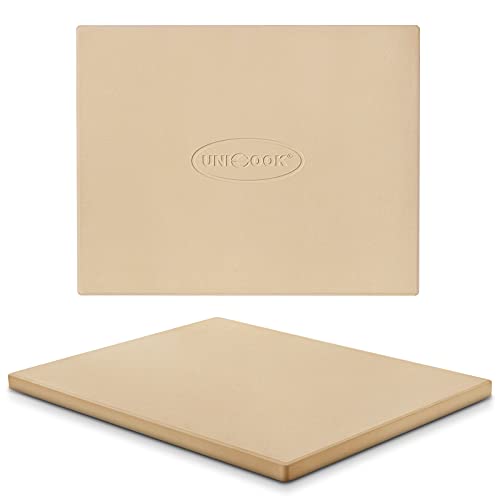
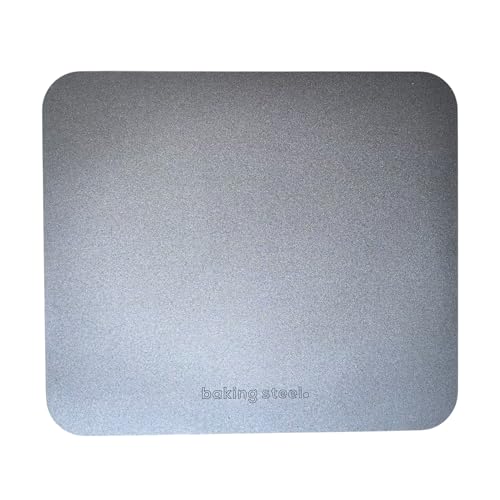
The five tools that do the work in every method on this site: a slab that stores heat, something to launch with, a way to read the surface, and a clean cut.


The mindset: the launch is won at the bench
Before any technique, internalize the one idea that makes the launch easy: by the time you're standing at the oven mouth, the outcome is already decided. A pizza that was built correctly, right peel, enough semolina, fast, not over-topped, will slide off with the gentlest pull. A pizza that was allowed to stick to the peel during building is already lost; no flick, no jab, no clever angle at the oven can un-stick it, and it will fold over on itself the moment you try to launch. The launch isn't a wrist skill you perform at the oven. It's the payoff of prep you did at the bench.
This reframe takes almost all the fear out of it. Beginners psych themselves out over the dramatic final motion, but that motion is the easy part and the safe part, because you've already verified, at the bench, that the pizza moves. Once you stop thinking of the launch as a high-stakes moment of truth and start thinking of it as the final step of a process you've already de-risked, your hands relax, and relaxed hands launch clean. The nervousness is what causes the hesitation that causes the fold.
Your peel: wood or perforated, never a slick metal one for launching
The tool matters, and the most common beginner mistake is launching off the wrong peel. For getting a raw pizza into the oven, use a wooden peel or a perforated metal peel. Wood is slightly porous and naturally non-stick for raw dough; a perforated peel lets excess flour fall through and reduces the surface the dough can grip. A slick, solid-metal peel is the wrong tool for launching, raw, wet dough clings to smooth metal, and that's where a lot of folds come from. Solid-metal peels are excellent for retrieving a cooked, firm pizza, not for launching a raw one.
Many cooks run a two-peel system, and it's worth adopting: a wooden or perforated peel for the launch, and a small round metal turning peel for rotating the pizza in the oven and pulling it out at the end. The turning peel earns its place because, as we cover in how pizza ovens work, the dome heats unevenly and you have to rotate the pizza every 20 to 30 seconds, a job a big launching peel is clumsy for. Right tool, right moment.
Semolina: the secret lubricant (and why flour alone fails)
If there's one ingredient that separates clean launches from disasters, it's semolina. Semolina is a coarsely-ground durum wheat, and its larger, harder grains roll under the dough like a layer of tiny ball bearings, letting the pizza glide off the peel. Fine all-purpose or "00" flour, by contrast, is powdery, it absorbs moisture from the dough and grips, doing far less to help the slide. Many cooks use a mix (semolina for the rolling action, a little flour to round it out), but if you launch with flour alone and keep sticking, semolina is almost always the fix.
The technique is "enough, not too much." You want a thin, even scatter of semolina across the whole peel surface, enough that the dough rides on grains, not on bare peel. But don't go overboard: excess semolina that falls onto the hot stone will scorch and can leave a faintly bitter, burnt taste, and a thick pile under the pizza can make the launch too slippery and send it shooting off the back of the oven. A light, complete dusting is the sweet spot.
Speed and restraint: the two building habits that prevent sticks
How you build the pizza on the peel matters as much as the lubricant, and it comes down to two habits. First, work fast. The enemy of a clean launch is time: the longer a wet, sauced pizza sits on the peel, the more moisture soaks through the semolina layer and the more the dough relaxes and grips. A pizza that would have slid freely if launched in ninety seconds becomes a stuck mess after five minutes of leisurely topping. So have your toppings prepped and within reach, lay the dough, sauce-cheese-toppings in quick succession, and go straight to the oven. Build with momentum.
Second, keep it light. An over-topped pizza is the hardest kind to launch, heavy with sauce and toppings, it's more likely to drag, tear, or fold, and the extra moisture accelerates sticking. This is one more reason the simple Margherita is the right pizza to learn on: minimal toppings, minimal weight, maximum forgiveness. Resist the urge to load your early pizzas; you can pile them high once your launch is reliable, but while you're learning, restraint is your friend.
The shake test: the move that catches every disaster
This is the single most important habit in the entire guide, and it takes one second: before you walk to the oven, give the loaded peel a gentle back-and-forth shake. If the whole pizza glides freely on the peel, you are guaranteed a clean launch, go. If any part of it is stuck, you've just caught the problem in the one place where it's still fixable: the bench. The shake test converts the launch from a gamble into a sure thing, because you never attempt a launch you haven't already confirmed will work.
If the shake reveals a stuck spot, don't panic and don't head to the oven anyway. Gently lift the stuck edge with your fingers or a bench scraper, toss a pinch of fresh semolina underneath, and shake again to confirm it's free. For a badly stuck pizza, the bulletproof rescue is to slide the whole thing onto a second, freshly-dusted peel, the act of transferring it gets fresh semolina under every part. Only once it shakes loose do you proceed. A pizza that won't move on the bench will absolutely fold in the oven, every time.
The launch motion, and the rescue if it sticks anyway
Now the part you were worried about, which is the easy part once you've done the prep. Rest the front tip of the peel on the stone at a shallow downward angle (around 20 degrees), aimed toward the back of the oven. Then, in one smooth, committed motion: a tiny forward nudge to anchor the pizza's leading edge on the hot stone, immediately followed by pulling the peel straight back out from under the pizza, fast and confident, like whipping a tablecloth out from under a place setting. The pizza, already free (you shake-tested it), stays put as the peel slides away, and lands flat. Hesitation, not speed, is what causes folds, a slow, tentative pull lets the dough catch and buckle.
If a pizza sticks or folds despite everything (it happens to everyone occasionally), act fast and calm. A small fold can sometimes be unfolded in the first couple of seconds with your turning peel before the dough sets. If it's a genuine mess, the honest move is to scrape it out, accept the loss, and start the next one, and crucially, figure out why: almost always it was a skipped or rushed shake test, too little semolina, or a pizza that sat too long. Diagnose it so the next launch is clean.
How to Launch a Pizza Off a Peel
- 1
Choose and prep your peel
Use a wooden or perforated launching peel for raw pizzas, they release dough far better than a slick solid-metal peel, which dough tends to grip. Make sure the peel is clean and dry. Keep a separate metal turning peel for rotating and retrieving the pizza once it's in the oven.
- 2
Dust the peel with semolina (plus a little flour)
Scatter a thin, even layer of semolina over the peel before the dough goes on. Semolina's coarse grains roll under the dough like tiny ball bearings, which a fine flour alone can't do. Use enough to cover the surface but not so much that it pools, too much can scorch and taste bitter on the stone.
- 3
Build the pizza fast and keep it light
Lay the stretched dough on the peel and top it quickly, sauce, cheese, a few toppings, then go. The longer wet dough and sauce sit on the peel, the more they soak through and stick. Resist overloading: a heavy, over-topped pizza is the single hardest kind to launch and the most likely to tear.
- 4
Do the shake test
Before you take a single step toward the oven, give the loaded peel a gentle back-and-forth shake. If the whole pizza glides freely, you're ready. If any part is stuck, stop here, this is the safe place to fix it. Do NOT proceed to the oven with a pizza that won't shake loose.
- 5
Free any stuck spots
If the shake test reveals a stuck edge, gently lift that part of the pizza with your fingers or a bench scraper and throw a pinch of semolina underneath, then shake again to confirm it's free. In a stubborn case, slide the entire pizza onto a fresh, freshly-dusted peel. Only move on once it slides cleanly.
- 6
Position the peel at the oven
Bring the peel to the oven mouth and rest its front tip on the stone at roughly a 20-degree downward angle, aimed toward the back of the chamber so you'll have room to turn the pizza. Steady your hands, the launch is a calm, deliberate move, not a frantic one.
- 7
Launch with one committed motion
In a single smooth, confident motion, give a tiny forward nudge to anchor the pizza's front edge on the stone, then pull the peel straight back out from under it, like whipping a tablecloth from under dishes. Commit fully; a slow, hesitant pull is what causes folds and sticks. The pizza should land flat where you aimed it.
- 8
Clean the peel before the next launch
After launching, brush off any leftover semolina or stray toppings and make sure the peel is dry before building pizza number two. Re-dust with fresh semolina each time. A clean, dry, freshly-dusted peel is the difference between a smooth second launch and a stuck one.
Ready to buy? Start with our top picks
Whatever this guide steered you toward, here's where most readers land, ranked on stated floor heat. Live price check on each.
- Check price on Amazon
- Check price on Amazon
- Check price on Amazon
- Check price on Amazon
- Check price on Amazon
- Check price on Amazon
As an Amazon Associate we earn from qualifying purchases, at no cost to you.
Key terms
- Launching peel
- The paddle used to slide a raw pizza into the oven, ideally wooden or perforated, because those release raw dough far better than a slick solid-metal peel, which wet dough grips. Distinct from the small metal turning peel used to rotate and retrieve the pizza once it's cooking.
- Semolina
- Coarsely-ground durum wheat used to dust the peel. Its larger, harder grains roll under the dough like tiny ball bearings so the pizza glides off, something fine flour, which absorbs moisture and grips, can't do as well. The single most reliable fix for stuck launches.
- Shake test
- Gently jiggling the loaded peel before walking to the oven to confirm the raw pizza slides freely. It catches a stuck pizza in the one place it's still fixable. Never launch a pizza that fails the shake test, fix it with more semolina first.
- The launch motion
- The single committed move that places the pizza on the stone: a small forward nudge to anchor the front edge, then a fast, straight pull of the peel out from under the pizza. Hesitation, not speed, causes folds, a confident pull lands the pizza flat.
- Turning peel
- A small, round metal peel used to rotate the pizza every 20 to 30 seconds during the bake (the dome heats unevenly) and to pull the finished pizza out. Paired with a launching peel in the standard two-peel system.
- Over-topping
- Loading a pizza with too much sauce and too many toppings, which makes it heavy, wet, and far harder to launch without dragging or tearing. Keeping early pizzas light, a simple Margherita, is a key beginner habit for clean launches.
Questions, answered
How do I get a pizza off the peel without it sticking?
Win it at the bench, not the oven. Use a wooden or perforated peel (not slick solid metal), dust it with a thin, even layer of semolina (whose coarse grains roll under the dough like ball bearings), build the pizza fast so moisture doesn't soak through, and keep the toppings light. Then, every single time, do the shake test: gently jiggle the loaded peel before walking to the oven, and only proceed if the whole pizza glides freely. If it sticks, lift the stuck edge and add fresh semolina underneath. A pizza that shakes loose at the bench launches cleanly; one that doesn't will fold no matter your technique.
Should I use flour or semolina on my pizza peel?
Semolina, or a semolina-flour mix, and if you keep sticking with flour alone, semolina is almost always the fix. Semolina is coarsely-ground durum wheat, and its larger, harder grains roll under the dough like tiny ball bearings so the pizza slides off the peel. Fine all-purpose or '00' flour is powdery: it absorbs moisture from the dough and grips, doing much less to help the slide. Use a thin, even dusting, enough that the dough rides on grains, but not so much that excess falls onto the stone and scorches into a bitter taste. Re-dust fresh for every pizza.
What is the shake test and why does it matter?
The shake test is gently jiggling the loaded peel back and forth before you walk to the oven, to confirm the raw pizza slides freely. It matters because it catches a stuck pizza in the one place it can still be fixed, the bench, instead of discovering the problem at the oven mouth, where a stuck pizza inevitably folds into a ruined heap. If the pizza glides on the shake, your launch is guaranteed clean; if any part sticks, lift it and add fresh semolina underneath, or slide the whole pie onto a freshly-dusted peel. Shake-test every pizza, every time, it's the habit that eliminates most failed launches.
Why does my pizza fold over when I try to launch it?
Two usual culprits. First, the pizza was stuck to the peel before you launched, which means you skipped or rushed the shake test, used too little semolina, or let the topped pizza sit too long so moisture soaked through and it gripped. Second, your launch motion was hesitant: a slow, tentative pull lets the dough catch and buckle, while one committed, confident pull (a small forward nudge to anchor the front edge, then whip the peel straight back) lands it flat. Fix the prep with semolina and a shake test, then commit fully to the motion, hesitation, not speed, causes the fold.
What kind of peel should I use to launch a pizza?
A wooden or perforated launching peel, not a slick, solid-metal one. Wood is slightly porous and naturally releases raw dough, and a perforated peel lets excess flour fall through and gives the dough less surface to grip. Smooth solid-metal peels are the wrong tool for launching a raw pizza, because wet dough clings to them and folds; they're excellent for retrieving a cooked, firm pizza instead. Most cooks run a two-peel system: a wooden or perforated peel for the launch, plus a small round metal turning peel for rotating the pizza mid-bake and pulling it out at the end.
How do I rescue a pizza that's stuck to the peel?
If you catch it at the bench during the shake test (where you should), gently lift the stuck edge with your fingers or a bench scraper, throw a pinch of fresh semolina underneath, and shake again to confirm it's free, or, for a badly stuck pie, slide the whole thing onto a second, freshly-dusted peel, which gets fresh semolina under every part. If a pizza sticks or folds in the oven despite everything, you can sometimes unfold a small fold in the first couple of seconds with a turning peel before the dough sets; if it's a genuine mess, scrape it out, start fresh, and figure out what went wrong so the next launch is clean.
Filed under Explainer
Part of Accessories & Technique · Pizza Troubleshooting
Keep reading.
How to Turn a Pizza
The skill immediately after the launch: turning on a schedule, doming a pale top, and the right peel for it.
How to Use a Pizza Oven
The full first-fire-to-first-pizza walkthrough, where the launch fits, plus preheat, the turn, and recovery.
How Pizza Ovens Work
Why the dome heats unevenly (so you turn the pizza) and why the floor cooks the crust, the physics behind the technique.
How to Choose a Pizza Oven (2026)
Why a slightly larger oven and peel are launch insurance for beginners, the full buyer's framework.
The Best Pizza Ovens (2026)
Our flagship ranking across every fuel and budget, scored on peak floor temp and the 60-Second-Pizza Club.
Ooni vs Gozney: Which Brand Wins?
The two giants head to head, same ~950°F ceiling, very different philosophies, one clear way to choose.
Ooni Fyra 12 Review
Ooni's lightest wood-pellet oven reviewed, real live-fire flavor at $349, and what to cross-shop.