Our pick. Ooni
Check price on Amazon →How Pizza Ovens Work (2026): The Physics of a 60-Second Bake
A pizza oven is, underneath the marketing, a simple machine doing three jobs at once: conducting heat into the base, radiating it onto the top, and circulating hot air through the chamber. Understand those three modes of heat, and how dome heat and floor heat divide the labor, and every spec on the box suddenly makes sense. Here's how a pizza oven actually cooks a pizza in sixty seconds, why insulation matters more than the headline temperature, and what the fuel really changes.
By The Pizza Oven Review DeskUpdated 2026-06-28~10 min readRanked on verified floor heatHow we research
We earn a commission on purchases through our links, at no cost to you. It never decides a ranking. How this works
A pizza oven looks like magic, a cold, topped disc of dough goes in, and sixty seconds later a puffed, blistered, leopard-spotted pizza comes out, but it's really just well-organized physics. Three modes of heat transfer, working together, each cooking a different part of the pizza. Once you can see those three jobs happening, the whole category demystifies: you understand why the floor matters most, why insulation beats a big temperature number, why you turn the pizza, and what your fuel actually buys you. The science isn't complicated, and knowing it makes you a dramatically better buyer and cook.
The three modes are conduction, radiation, and convection. Conduction is the hot floor dumping heat directly into the base of the pizza, this is what cooks your crust, and it's why we obsess over floor temperature. Radiation is the glowing-hot dome beaming infrared energy down onto the top, melting cheese and charring the rim. Convection is the hot air swirling through the chamber, finishing the surface and helping the bake along. A great pizza is all three in balance: a hot floor for the base, a hot dome for the top, and enough air movement to tie them together.
This guide unpacks each mode, then the structural ideas that make them work: how dome heat and floor heat divide the labor (and why manufacturers quote the wrong one), why insulation is the invisible spec that separates a forgiving oven from a frustrating one, and what each fuel, gas, wood, electric, genuinely changes about the physics versus what's just marketing. We tie it all to our signature lens of peak floor temperature, the 60-Second-Pizza Club, and heat recovery, because those metrics are simply the physics, measured. Nothing here is sponsored, and the heat-transfer science is standard, not invented.
The short version.
- A pizza oven cooks via three modes of heat at once: conduction (hot floor → crust base), radiation (glowing dome → top and rim), and convection (hot air → surface finish). A great bake balances all three.
- The FLOOR cooks the crust via conduction, which is why peak floor temperature, not the dome 'max temp' on the box, is the number that decides your pizza.
- The dome radiates infrared onto the top; because the flame heats one side hardest, the dome is uneven, which is the physical reason you rotate the pizza mid-bake.
- Insulation is the spec that matters most and gets no headline: it keeps the floor hot and stable under a cold launch and drives fast heat recovery, the difference between a forgiving oven and a frustrating one.
- Fuel changes convenience and flavor far more than peak heat: modern gas and wood both reach ~950°F, so the physics of the bake is similar, what differs is recovery (gas's constant flame) and the smoke note (wood's live fire).
Our top-rated pizza ovens
Whatever you decide, these are the ovens we recommend, ranked on stated floor heat. Live price check on each.
- Check price on Amazon

- Check price on Amazon

- Check price on Amazon

- Check price on Amazon

- Check price on Amazon

- Check price on Amazon

As an Amazon Associate we earn from qualifying purchases, at no cost to you.
What you'll need.
Prices approximate at time of writing.
The five tools that do the work in every method on this site: a slab that stores heat, something to launch with, a way to read the surface, and a clean cut.
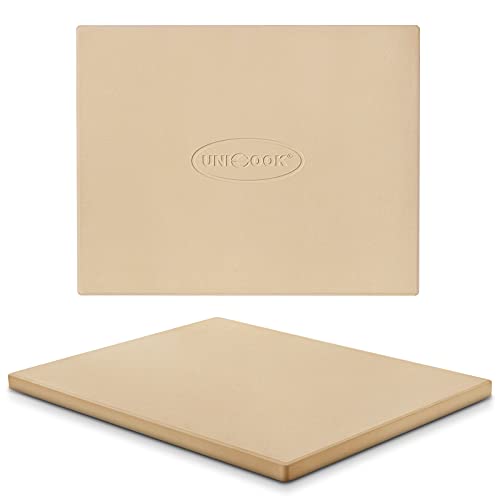
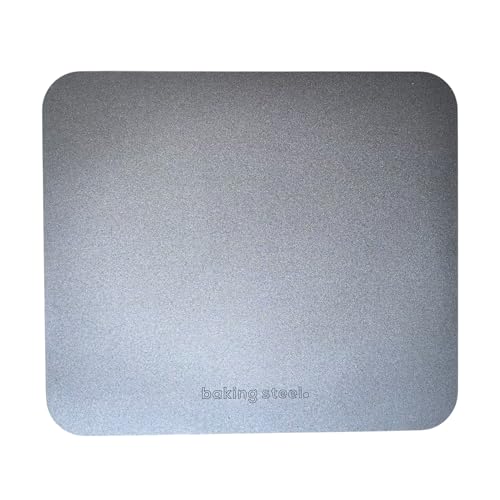


The three modes of heat, and what each one cooks
Everything a pizza oven does reduces to three ways heat moves, and the elegant part is that each one cooks a different part of your pizza. Conduction is direct contact: the blazing-hot stone touches the cold dough and pours heat straight into it, cooking the base. This is the single most important transfer in pizza, because the crust, the crisp, the structure, the foundation, is made almost entirely by conduction from the floor. Radiation is energy traveling as infrared waves: the glowing-hot dome and flame beam heat down onto the top of the pizza, melting the cheese and charring the rim without touching it. Convection is moving air: hot gas circulating through the chamber, finishing the surface and carrying heat into every corner.
A perfect pizza is these three in balance. Too little floor conduction and the base is pale and soggy no matter how hot the air is. Too little dome radiation and the top stays raw while the bottom burns. The reason a dedicated pizza oven works and a home oven struggles isn't a single hotter number, it's that the pizza oven delivers all three modes at high intensity simultaneously, in a small chamber built to keep them concentrated on a one-minute bake.
Conduction: the floor is the whole crust
If one mode rules them all, it's conduction, because the floor is what makes the crust. When a wet, cold pizza lands on a 900°F stone, heat floods from the stone into the dough at the contact surface, flash-cooking the base, setting the structure, and crisping the bottom. The dome and air can't do this job, only direct contact with a hot, heat-saturated floor can, which is why the stone, not the air, is the heart of the machine. This is the physical reason our entire test method leads with peak floor temperature and why we keep insisting you measure the stone, not the dome.
Two things govern how well conduction works: how hot the floor is, and how much heat it has stored to dump. A thick, dense, fully-charged floor has a deep reservoir of energy and keeps pouring it into the dough through the whole bake; a thin or under-preheated floor crashes the instant a cold pizza lands, because it runs out of stored heat almost immediately. That's the physics behind the most common beginner failure, launching onto a surface-hot but core-cold floor, and behind the value of a long preheat, which we cover in how to use a pizza oven.
Radiation: the dome cooks the top (and why you turn)
While conduction handles the base, radiation handles the top. The dome of a pizza oven gets blazing hot and glows; that glow is infrared radiation streaming down onto the pizza's surface, melting cheese, cooking toppings, and charring the cornicione, all without physical contact, the same way the sun warms your face across empty space. A well-designed low dome sits close to the pizza, concentrating that radiant heat for the fast top-cook a 60-second bake needs. This is why dome shape and height are real design variables, not just aesthetics.
Here's the crucial consequence: the dome is heated unevenly, because the flame (gas or wood) sits on one side of the chamber and that side of the dome glows hotter. So the radiation hitting your pizza is stronger on the flame side and weaker on the far side. Leave the pizza still and the flame-side rim chars while the opposite side stays pale, which is precisely why you rotate the pizza every 20 to 30 seconds. The turn isn't a quirky ritual; it's how you average out an inherently uneven radiant field so the whole rim cooks evenly. A motorized rotating stone, like the one in the Halo Versa 16, automates exactly this physics.
Convection and the chamber: tying it together
The third mode, convection, is the supporting actor. As fuel burns, it heats the air, and that hot air moves through the chamber, rising off the flame, rolling across the dome, washing over the pizza's surface. Convection helps finish the top alongside the dome's radiation and carries heat into the corners of the chamber, contributing to an even bake. In most pizza ovens it's a smaller contributor than conduction and radiation, but the chamber design that governs airflow, the mouth, the chimney, the dome curve, shapes how heat circulates and where the hot and cold spots fall.
This is where oven architecture earns its keep. A well-shaped chamber routes hot air across the pizza and out the chimney in a way that keeps the bake even and the flame healthy; a poorly designed one creates dead zones and uneven cooking. It's also why two ovens at the "same temperature" can bake differently, the temperature is identical but the distribution of all three heat modes through the chamber isn't. The number on the box describes a peak; the chamber design describes how that heat actually reaches your pizza.
Insulation: the invisible spec that runs everything
If the three modes are the engine, insulation is the gas tank, the unglamorous spec that determines whether all that heat stays where you need it. A well-insulated oven traps the energy from the fuel inside the chamber and inside the stone, so the floor stays hot and the dome stays glowing instead of bleeding heat out the walls. A poorly insulated oven leaks heat constantly, which means it has to burn fuel furiously just to maintain temperature and, critically, it sags the moment a cold pizza pulls heat out of the floor. Insulation is why two ovens with identical peak temperatures can behave like completely different machines.
Insulation is the direct physical cause of heat recovery, the third pillar of our signature lens. Recovery is how fast the floor climbs back after a cold launch, and a heavily insulated oven recovers fast because the heat it stored has nowhere to escape, so it floods back into the chilled stone quickly. A thin-walled oven recovers slowly because its stored heat is constantly leaking to the outside. This is why our top picks tend to be the heavier, denser ovens, the dense-shelled Gozney Roccbox being the archetype, and why weight is the best shopping proxy for insulation, as we explain in how to choose a pizza oven.
What the fuel actually changes (and what it doesn't)
Fuel is where the marketing and the physics diverge most, so let's separate them. The honest finding from the ovens we track: modern gas and wood both reach roughly the same ~950°F ceiling, because the limiting factor is the insulation, stone, and chamber design, not the fuel. So the core physics of the bake, the three modes doing their jobs, is broadly similar whether you burn propane or hardwood. "Wood gets hotter" is mostly a myth, as we document in our gas vs. wood-fired guide. What the fuel genuinely changes is convenience, flavor, and recovery.
Gas changes the recovery and the control: the burner pours heat back into the stone continuously and the flame never stops, so a gas oven recovers heat almost instantly and holds a set temperature with no skill required. Wood changes the flavor: live combustion throws a faint smoke note and a particular char that gas can't replicate, at the cost of a finite coal bed you must feed and manage for recovery. Electric changes the ceiling and the convenience: resistance elements typically top out lower (~700 to 850°F, with the Ooni Volt 2 at the top of that class), trading the Neapolitan peak for no flame, no fuel, and often indoor use. Same three modes of heat in every case, different sources driving them.
Ready to buy? Start with our top picks
Whatever this guide steered you toward, here's where most readers land, ranked on stated floor heat. Live price check on each.
- Check price on Amazon
- Check price on Amazon
- Check price on Amazon
- Check price on Amazon
- Check price on Amazon
- Check price on Amazon
As an Amazon Associate we earn from qualifying purchases, at no cost to you.
Key terms
- Conduction
- Heat transfer by direct contact, the hot floor pouring energy straight into the dough touching it. It cooks the crust base and is the most important mode in pizza, which is why peak floor temperature is the number our reviews lead with.
- Radiation
- Heat traveling as infrared waves from the glowing-hot dome and flame down onto the pizza's top, melting cheese and charring the rim without contact. Because the flame heats one side of the dome hotter, the radiant field is uneven, which is the physical reason you rotate the pizza.
- Convection
- Heat carried by moving air circulating through the chamber, finishing the surface and spreading heat into the corners. It's a smaller contributor than conduction and radiation, but the chamber and chimney design that governs airflow shapes where an oven's hot and cold spots fall.
- Dome vs. floor heat
- The division of labor in an oven: the floor (conduction) cooks the base, the dome (radiation) cooks the top. Manufacturers usually quote the dome/air 'max temp' because it reads highest, but the floor is what makes the crust, so the floor is the number that actually matters.
- Insulation
- The material that traps heat inside the chamber and stone so the floor stays hot and stable. It's the direct cause of fast heat recovery and the reason a heavier, denser oven out-bakes a thin one with the same peak temperature, the invisible spec that runs everything.
- Heat recovery
- How fast the floor climbs back to temperature after a cold pizza pulls heat out of it, a direct consequence of insulation. A well-insulated oven recovers fast because its stored heat can't escape; it's the third pillar of our signature lens and the spec that decides whether your fourth pizza matches your first.
Questions, answered
How does a pizza oven cook a pizza so fast?
By delivering three modes of heat at high intensity at once, in a small, well-insulated chamber. Conduction from the blazing-hot floor (around 900°F) floods heat into the base and cooks the crust; radiation from the glowing dome beams infrared onto the top to melt cheese and char the rim; and convection from circulating hot air finishes the surface. A home oven can't match this because it can't get nearly as hot and its larger, leakier chamber doesn't concentrate the three modes, which is why a dedicated oven cooks in 60 seconds what a home oven needs ten or more minutes to do.
Why does the floor temperature matter more than the dome temperature?
Because the crust is cooked by conduction from the floor, not by the air or dome above it. When a cold pizza lands on the hot stone, heat floods directly into the dough at the contact surface, setting the base and crisping the bottom, a job only direct contact with a hot, heat-saturated floor can do. The dome's radiation cooks the top, but the all-important crust comes from the floor. Manufacturers print a dome or air 'max temp' because it reads highest, but it's the floor temperature that actually decides your pizza, which is why we rank on the stone, not the box number.
Why do you have to turn a pizza in a pizza oven?
Because the dome's radiant heat is uneven. The flame, gas or wood, sits on one side of the chamber, so that side of the dome glows hotter and beams more infrared radiation onto the pizza. Leave the pie still and the flame-side rim chars while the far side stays pale. Rotating it every 20 to 30 seconds averages out that uneven radiant field so the whole rim cooks and chars evenly. It's not a ritual; it's how you compensate for the physics of a one-sided heat source. An oven with a motorized rotating stone does this turning for you automatically.
Why does insulation matter so much in a pizza oven?
Because insulation determines whether the oven's heat stays where you need it. A well-insulated oven traps energy inside the chamber and stone, so the floor stays hot and stable when a cold pizza pulls heat out of it, and it recovers fast between pies. A thin, poorly insulated oven leaks heat constantly, so it can flash to a high air temperature but can't hold a hot floor under load or recover quickly, giving you one good pizza and a string of disappointing ones. That's why a densely insulated oven out-bakes a thin one with the same headline temperature, and why weight is the best shopping proxy for insulation.
Do wood-fired ovens really get hotter than gas?
Mostly no. Among the modern ovens we track, gas and wood both reach roughly the same ~950°F ceiling, because the limiting factor is the insulation, stone, and chamber design rather than the fuel. So the core physics of the bake, conduction, radiation, and convection doing their jobs, is broadly similar either way. What the fuel actually changes is convenience and flavor: gas recovers heat almost instantly and holds temperature effortlessly because the flame never stops, while wood adds a live-fire smoke note and char that gas can't replicate, at the cost of managing a fire. Choose fuel for those differences, not for a temperature gap that barely exists.
What are the three ways a pizza oven transfers heat?
Conduction, radiation, and convection, and each cooks a different part of the pizza. Conduction is the hot floor pouring heat directly into the dough touching it, which cooks the crust base and is the most important mode. Radiation is the glowing-hot dome beaming infrared energy down onto the top, melting cheese and charring the rim without contact. Convection is hot air circulating through the chamber, finishing the surface and spreading heat into the corners. A great pizza balances all three, a hot floor for the base, a hot dome for the top, and enough airflow to tie them together. Diagnosing a bad pizza means asking which of the three was off.
Keep reading.
What Temperature Should a Pizza Oven Be?
The physics applied: floor targets by style, and why the conduction-cooked base is the number that matters.
Pizza Stone vs. Baking Steel
Conduction in depth, how the floor material's heat-transfer speed decides how aggressively your crust browns.
Gas vs. Wood-Fired Pizza Ovens
What the fuel actually changes about the physics, and the myth that wood runs hotter than gas, settled with numbers.
The Best Pizza Ovens (2026)
Our flagship ranking across every fuel and budget, scored on peak floor temp and the 60-Second-Pizza Club.
Ooni vs Gozney: Which Brand Wins?
The two giants head to head, same ~950°F ceiling, very different philosophies, one clear way to choose.
Ooni Fyra 12 Review
Ooni's lightest wood-pellet oven reviewed, real live-fire flavor at $349, and what to cross-shop.