Our pick. Ooni
Check price on Amazon →How to Clean a Pizza Oven (2026): Burn-Off, Stone Care & Storage
Good news: a pizza oven is largely self-cleaning, because the same extreme heat that cooks your pizza incinerates most spills. The whole job is a quick brush after each cook, an occasional high-heat burn-off, and one rule you must never break, never wash a hot stone, and never use soap on it. Here's the simple routine for the stone, the exterior, and storage that keeps your oven cooking like new for years.
By The Pizza Oven Review DeskUpdated 2026-06-28~8 min readRanked on verified floor heatHow we research
We earn a commission on purchases through our links, at no cost to you. It never decides a ranking. How this works
Cleaning is the part of pizza-oven ownership people quietly dread before they buy, imagining scrubbing a soot-blackened chamber after every session. The reality is the opposite, and it's one of the genuine pleasures of the category: a pizza oven is largely self-cleaning. The same brutal heat that turns out a 60-second pizza also incinerates the flour, cheese, and sauce that fall onto the stone, they char to ash and brush away. For day-to-day upkeep, the entire job is a quick brush once the oven cools. There's no nightly scrub, and there is emphatically no soap and water on the stone.
That last point is the one rule that matters most, so we'll lead with it and repeat it: never wash a hot stone, and never use soap on a pizza stone at all. Cold water on a hot stone can crack it from thermal shock, undoing a part you can't easily replace; and a pizza stone is porous, so soap soaks in and taints every future pizza with a faint detergent off-flavor. Almost every ruined pizza stone we hear about died from one of those two mistakes. Respect that single rule and the rest of cleaning is easy, occasional, and forgiving.
This guide covers the whole routine: the after-every-cook brush, the occasional high-heat burn-off for a stone that's gotten grimy, how to handle the exterior and chimney without damaging finishes, and how to store the oven so weather and rust never get a foothold. We've written it as a simple checklist plus the reasoning behind each step, because understanding why (heat self-cleans, water cracks, soap taints) is what keeps you from the few mistakes that actually cause damage. It pairs with our how to use a pizza oven walkthrough.
The short version.
- A pizza oven is largely self-cleaning: the cooking heat incinerates most spills, so daily upkeep is just a quick brush of the cool stone, no nightly scrub required.
- The unbreakable rule: never wash a hot stone (thermal shock cracks it) and never use soap on a stone (it's porous and soap taints future pizzas). Brush, scrape, and burn off, never soak.
- For a grimy stone, run a high-heat burn-off: fire the empty oven hot for 20 to 30 minutes to carbonize stuck-on residue to ash, then brush it away once cool. Flip the stone occasionally to even out staining.
- Clean the exterior with a damp cloth on a cool oven, matched to the finish (stainless, powder-coat, or rendered dome); sweep ash from wood ovens after every fire.
- Storage is preventive maintenance: cool the oven fully, keep it dry, use a fitted cover, and store gas regulators and tanks safely, moisture and weather are what actually shorten an oven's life.
Our top-rated pizza ovens
Whatever you decide, these are the ovens we recommend, ranked on stated floor heat. Live price check on each.
- Check price on Amazon

- Check price on Amazon

- Check price on Amazon

- Check price on Amazon

- Check price on Amazon

- Check price on Amazon

As an Amazon Associate we earn from qualifying purchases, at no cost to you.
What you'll need.
Prices approximate at time of writing.
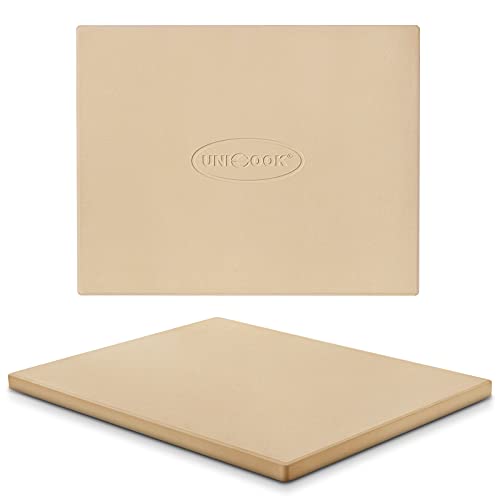
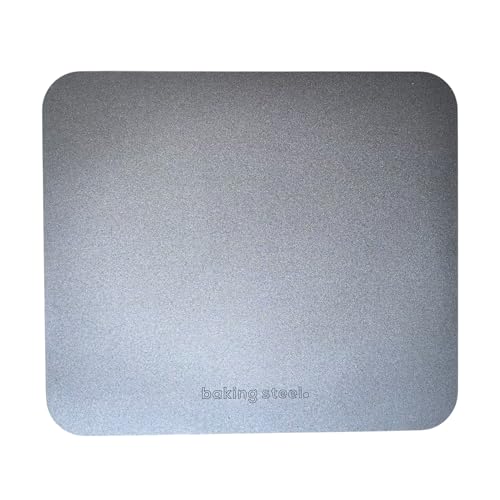
The five tools that do the work in every method on this site: a slab that stores heat, something to launch with, a way to read the surface, and a clean cut.


The big idea: heat does the cleaning for you
The reason pizza-oven cleaning is so easy is the same reason the oven makes such good pizza: extreme heat. At 700 to 950°F, the flour, cheese, sauce, and dough that inevitably fall onto the stone don't build up into grime the way they would in a 350°F kitchen oven, they char, carbonize, and turn to brittle ash. So most of your "cleaning" is really just sweeping away the ash that the heat already created. The oven is, functionally, self-cleaning, and that changes the whole maintenance mindset: you're not scrubbing away dirt, you're brushing away the residue heat already destroyed.
This is why the entire daily routine is a quick brush of the cooled stone, and why the occasional deep-clean is a burn-off (more heat) rather than a scrub-down (chemicals and water). Understanding this one principle prevents nearly every cleaning mistake, because it tells you the right tool is always heat and a wire brush and scraper, and the wrong tools are water and soap, which fight the oven's own self-cleaning nature and risk damaging the stone. Lean into the heat; don't fight it with a sponge.
The one rule you must never break: no water, no soap on the stone
Everything else in this guide is forgiving. This is not: never wash a hot stone, and never put soap on a pizza stone at any temperature. Both mistakes are common, both are avoidable, and both can ruin the stone. Cold water hitting a hot stone causes thermal shock, the surface contracts violently while the interior stays expanded, and the stress cracks the stone, sometimes dramatically. Even on a cool stone, dousing a porous ceramic in water is a bad idea, because the stone soaks up moisture that then has to be driven off in a long preheat (and trapped moisture can crack it when it flashes to steam).
The soap problem is different but just as final. A pizza stone is porous by design, that porosity is part of how it absorbs and re-radiates heat. Soap soaks straight into those pores, and no rinsing gets it all out, so it bakes a faint detergent off-flavor into every future pizza and can give off odd smells when heated. There's no recovery from a soaped stone except heat and time. So the rule is absolute: the stone gets brushed, scraped, and burned off, never washed, never soaped, never soaked.
Deep-cleaning the stone: the high-heat burn-off
For day-to-day, a brush is all the stone needs. But after several sessions a stone can accumulate stuck-on grease or carbon that won't brush away, and the correct deep-clean is a high-heat burn-off, not a scrub. Simply fire the empty oven to high heat (its normal pizza temperature) and let it run for 20 to 30 minutes. The extreme heat carbonizes any stuck-on residue, turning sticky grease into brittle black ash. Let the oven cool completely, then sweep the ash out with a long-handled oven brush that reaches the back of the chamber. That's it, the oven cleans its own stone using the one thing it's best at: getting hot.
Two practical notes. First, discoloration is normal and permanent, and that's fine. A working pizza stone develops dark patches, scorch marks, and a mottled patina; this is cosmetic, not dirt, and chasing a pristine white stone is a fool's errand that tempts people toward the water and soap that actually cause damage. A stained stone bakes exactly as well as a clean one. Second, if your stone is removable and reversible, flip it occasionally to even out staining and heat exposure across both faces, which can extend its life.
The exterior, the chimney, and the burner
Outside the cooking chamber, cleaning is conventional but finish-specific. Match your method to the surface. A stainless-steel shell wipes clean with a damp cloth (go with the grain) and a dedicated stainless cleaner for fingerprints and the discoloration that high heat can leave near the mouth. A powder-coated or painted body needs only a mild damp wipe, skip abrasives that scratch the finish. A rendered or plastered dome on a larger oven should be brushed free of debris and kept from soaking. In all cases, work on a cool oven and keep water away from burners, igniters, and any electrical components.
Two occasional checks round it out. The chimney accumulates soot, especially on wood ovens, and a clogged one hurts the draft that feeds the fire and clears smoke, clear it periodically so the oven breathes. On gas ovens, every so often inspect the burner ports for debris or blockage and clear them gently per your manual, so the flame stays even and the oven heats predictably (uneven flame is often just a partially blocked burner). And on wood ovens, sweep out cold ash after every fire so it doesn't pile up and disrupt airflow or your next bake.
Storage: where ovens actually live or die
Here's the part that matters most for the oven's lifespan, and it's not cleaning at all, it's storage. Pizza ovens, especially portable steel ones, are killed by moisture far more often than by anything that happens during cooking. Rust on a steel body, corrosion on a burner, water pooling in the chamber over a wet winter, these are what shorten an oven's life, and they're entirely preventable. The rule is simple: store the oven completely cool, completely dry, and covered.
The practical routine: after a cook, let the oven cool fully, then fit its weatherproof cover and keep it somewhere it won't sit in standing water or take the full brunt of the weather. If your oven got rained on or you cooked in damp conditions, run a short hot preheat to drive off moisture before covering and storing it, trapping dampness under a cover is worse than no cover. For gas ovens, close the propane tank valve after every use and store the tank safely outdoors per local rules, never indoors. A little storage discipline is the difference between an oven that lasts a season and one that lasts a decade.
How to Clean a Pizza Oven
- 1
Let the oven cool completely
Before touching anything, let the oven cool fully, these ovens stay dangerously hot long after the flame is out. Never apply water, never move the oven, and never store it while any part is still warm. For wood ovens, confirm the coals are fully dead and cold.
- 2
Brush the stone after every cook
Once cool, brush the cooking stone with a stiff-bristled brush or a copper/brass brush to knock off charred flour, cheese, and crumbs. This is the entire daily cleaning job for the stone. Do not use soap and do not use water, just brush the loose, carbonized debris away.
- 3
Run a high-heat burn-off for a grimy stone
If the stone has built up stuck-on grease or stains over several sessions, fire the empty oven to high heat for 20 to 30 minutes. The extreme heat carbonizes the residue to brittle black ash. Let the oven cool, then brush the ash away. This high-heat burn-off is the correct deep-clean for any pizza stone, heat, not chemicals.
- 4
Flip the stone occasionally to even out wear
If your oven's stone is removable and reversible, flip it over every so often. This evens out staining and heat exposure across both faces and can extend the stone's usable life. Accept that a working pizza stone WILL discolor, dark patches are cosmetic and normal, not dirt to be scrubbed out.
- 5
Sweep out ash (wood ovens)
After a wood fire, once the ash is completely cold, sweep the spent ash and coals out of the chamber with a small brush or ash tool. Do this after every wood session so ash doesn't accumulate and interfere with airflow or your next bake. Dispose of cold ash safely, never warm ash.
- 6
Wipe the exterior to match its finish
On a cool oven, wipe the exterior with a damp cloth. For stainless steel, wipe with the grain and use a stainless cleaner for fingerprints; for powder-coated or painted shells, a mild damp cloth is enough; for a rendered/plastered dome, brush off debris and avoid soaking it. Don't let water get into burners or electrical parts.
- 7
Care for the chimney and burner
Periodically check the chimney for soot buildup (especially on wood ovens) and clear it so the oven drafts properly. For gas ovens, occasionally inspect the burner ports for blockages or debris and clear them gently per the manual so the flame stays even. These checks are occasional, not after every cook.
- 8
Cool fully, then cover and store dry
Once the oven is completely cool and dry, fit its weatherproof cover and store it out of standing water and harsh weather. For gas, close the tank valve and store the propane tank safely outdoors per local rules. Keeping the oven dry and covered is the single biggest thing you can do to prevent rust and extend its life.
Ready to buy? Start with our top picks
Whatever this guide steered you toward, here's where most readers land, ranked on stated floor heat. Live price check on each.
- Check price on Amazon
- Check price on Amazon
- Check price on Amazon
- Check price on Amazon
- Check price on Amazon
- Check price on Amazon
As an Amazon Associate we earn from qualifying purchases, at no cost to you.
Key terms
- Self-cleaning (by heat)
- The principle that a pizza oven's extreme cooking heat (700 to 950°F) incinerates most spilled flour, cheese, and sauce to brittle ash, so daily cleaning is just brushing the ash away rather than scrubbing grime. The right cleaning tool is always heat and a brush, never water and soap.
- Thermal shock
- The sudden stress caused by cold water hitting a hot stone (or trapped moisture flashing to steam), which can crack the stone. It's the main reason you must never wash a hot stone, one of the two mistakes that kill most pizza stones.
- High-heat burn-off
- The correct deep-clean for a grimy stone: firing the empty oven hot for 20 to 30 minutes to carbonize stuck-on grease into ash, then brushing it away once cool. It uses the oven's own heat instead of chemicals, and can double as a longer-than-usual preheat before cooking.
- Stone discoloration
- The dark patches, scorch marks, and mottled patina a working pizza stone develops over time. It's cosmetic and permanent, not dirt, a stained stone bakes exactly as well as a clean one, and chasing a pristine white stone tempts the water-and-soap mistakes that cause real damage.
- Ash management
- Sweeping cold spent ash and coals out of a wood oven's chamber after every fire so buildup doesn't disrupt airflow or the next bake. Dispose of ash only when fully cold. It's the one recurring chore wood ovens have that gas and electric ovens don't.
- Moisture protection
- Keeping the oven cool, dry, and covered in storage, the single biggest factor in its lifespan. Rust and corrosion from trapped or standing moisture shorten an oven's life far more than cooking ever does, so a fitted cover and a dry spot are the best maintenance you can do.
Questions, answered
How do you clean a pizza oven stone?
Almost entirely with heat and a brush, never water or soap. For daily upkeep, let the oven cool and brush the charred flour, cheese, and crumbs off the stone with a stiff or brass brush; that's the whole job, because the cooking heat already incinerated most of it to ash. For built-up grease or stains, run a high-heat burn-off: fire the empty oven hot for 20 to 30 minutes to carbonize the residue, let it cool, and brush away the ash. Never wash a hot stone (thermal shock cracks it) and never use soap (the porous stone soaks it up and taints future pizzas). Discoloration is normal and harmless.
Can I use water or soap on a pizza stone?
No, this is the one unbreakable rule of pizza-oven cleaning. Cold water on a hot stone causes thermal shock that can crack it, and even on a cool stone, dousing a porous ceramic in water makes it absorb moisture that has to be driven off later (and can crack it when it flashes to steam). Soap is worse: a pizza stone is porous by design, so soap soaks into the pores, can't be fully rinsed out, and bakes a faint detergent off-flavor into every future pizza. Clean the stone only by brushing, scraping, and high-heat burn-off. If something spills badly, cool the oven, scrape it, and burn off the rest, never reach for water.
How often do I need to clean my pizza oven?
Less than you'd think. The stone gets a quick brush after each cook once it's cool, that's the only routine task, and it takes a minute because the heat self-cleans. Wood ovens also need their cold ash swept out after every fire. Everything else is occasional: a high-heat burn-off when the stone gets grimy (which can double as a longer preheat), an exterior wipe whenever it looks like it needs one, and chimney and burner checks a few times a season or when you notice draft or flame issues. There's no nightly scrub-down, daily upkeep really is just brush the stone and, for wood, sweep the ash.
Why is my pizza stone discolored, and should I scrub it clean?
Discoloration is completely normal and you should leave it alone. A working pizza stone develops dark patches, scorch marks, and a mottled patina from the extreme heat and inevitable spills, it's cosmetic, not dirt, and a stained stone bakes exactly as well as a pristine one. Chasing a clean white stone is what tempts people into the water and soap that actually damage it. If a stone has stuck-on grease (not just staining), run a high-heat burn-off to carbonize it and brush away the ash, and flip a reversible stone occasionally to even out the wear. But the dark color itself is a sign of a well-used oven, not a problem to fix.
How should I store my pizza oven to make it last?
Cool, dry, and covered, storage matters more for lifespan than cleaning does. Pizza ovens, especially portable steel ones, are killed by moisture (rust and corrosion) far more often than by cooking. So after a cook, let the oven cool completely, then fit its weatherproof cover and keep it out of standing water and harsh weather. If it got rained on or you cooked in damp conditions, run a short hot preheat to drive off moisture before covering it, trapping dampness under a cover is worse than leaving it off. For gas ovens, close the tank valve and store the propane tank safely outdoors per local rules. Keeping the oven dry is the single best thing you can do for its longevity.
How do I clean the outside of a pizza oven?
Match the method to the finish, and always work on a cool oven. A stainless-steel shell wipes clean with a damp cloth along the grain, with a stainless cleaner for fingerprints and the heat discoloration near the mouth. A powder-coated or painted body needs only a mild damp wipe, avoid abrasives that scratch it. A rendered or plastered dome should be brushed free of debris and kept from soaking. In every case, keep water away from burners, igniters, and electrical parts. Also periodically clear soot from the chimney so the oven drafts well, and check gas burner ports for blockages so the flame stays even, but those are occasional checks, not after-every-cook tasks.
Keep reading.
Best Pizza Oven Brush (2026)
Five stone-safe brushes ranked.
Why Does My Pizza Taste Smoky?
Soot, acrid smoke and burnt semolina on the stone, and which of the three you are actually tasting.
How to Use a Pizza Oven
The full first-fire-to-first-pizza walkthrough, including the curing burn and the post-cook brush this routine builds on.
Pizza Stone vs. Baking Steel
Stone care vs. steel care, why a steel needs seasoning and rust prevention while a stone just gets brushed and burned off.
How to Choose a Pizza Oven (2026)
Build quality, durability, and the finishes you'll be maintaining, the full buyer's framework for a long-lasting oven.
Ooni vs Gozney: Which Brand Wins?
The two giants head to head, same ~950°F ceiling, very different philosophies, one clear way to choose.
Ooni Fyra 12 Review
Ooni's lightest wood-pellet oven reviewed, real live-fire flavor at $349, and what to cross-shop.