Our pick. Ooni
Check price on Amazon →Why Does My Pizza Taste Smoky? Soot, Acrid Smoke and the Wet Wood Problem
Acrid smoke and black soot on your pizza are the signature of incomplete combustion, and the number one cause is wet wood. The US EPA is unambiguous: wood burns best at a moisture content of less than 20 percent, and should be seasoned for at least six months. Fix the fuel first, then the airflow, then the cold start. And check whether the bitterness you are tasting is actually burnt semolina on the stone, which is a completely different problem people routinely blame on smoke.
By The Pizza Oven Review DeskUpdated 2026-08-08~11 min readRanked on verified floor heatHow we research
We earn a commission on purchases through our links, at no cost to you. It never decides a ranking. How this works

Our pick.
Ooni Karu 2 ProBest Overall Wood-Fired / Multi-Fuel. From Best Wood-Fired Pizza Ovens (2026).
If your pizza tastes harshly smoky or comes out speckled with black soot, your fire is burning incompletely, and the overwhelmingly likely cause is that your wood is too wet. The US EPA's Burn Wise guidance states it plainly: "Wood burns best at a moisture content of less than 20 percent", and it tells you to "Season wood for at least six months". Wood above that threshold spends its energy boiling off water instead of making heat, burns cool, and throws unburnt particulates into your chamber. Those particulates land on your food. That is the taste you are objecting to.
It is worth separating two things that get conflated constantly. Good wood smoke is a flavour, and it is one of the main reasons people buy a live fire oven in the first place: clean, sweet, thin and faintly blue, barely visible against the sky. Bad smoke is a defect: thick, white or yellow, billowing, and acrid on the palate. They are not two intensities of the same thing. They are combustion working and combustion failing. Nobody has ever complained that their pizza tasted too much like a well run wood fire; the complaint is always about the other kind.
This is a wood and multi fuel page, so we will work through the causes in order of how often they are the answer: wet wood first, then the fuels you should never burn at all, then softwood resin and bark, then a fire starved of air by an overloaded tray or a closed and blocked vent, then the cold start where the chamber has not yet reached the temperature at which smoke burns off. Last, and importantly, the impostor: scorched semolina and flour on the stone, which produces a genuinely bitter taste that has nothing to do with your fire and is fixed with a brush in ten seconds. If your oven runs on gas and you are still tasting something acrid, that last cause is very probably yours.
The short version.
- Acrid smoke and black soot are incomplete combustion. The fuel is not being fully burnt, so unburnt particulates end up in the chamber and on your food.
- Wet wood is cause number one. The EPA states that wood burns best at a moisture content of less than 20 percent, and that you should season wood for at least six months. A moisture meter turns that from a guess into a reading.
- The EPA's never burn list is explicit: never burn coated, painted or pressure treated wood, plywood, particle board, ocean driftwood, or wet or rotted wood. This is a safety rule as much as a flavour one.
- Softwood resin and bark deposit soot even when the wood is dry, which is why hardwood is the standing recommendation for live fire pizza rather than snobbery.
- A fire starved of air smoulders. An overloaded fuel tray, a closed or blocked chimney vent, and a bed choked with ash all restrict the oxygen that complete combustion needs.
- Good smoke is thin, sweet and faintly blue. Bad smoke is thick, white or yellow and acrid. And a bitter taste with black grit on the underside is usually scorched semolina on the stone, not smoke at all.
Our top-rated pizza ovens
Whatever you decide, these are the ovens we recommend, ranked on stated floor heat. Live price check on each.
- Check price on Amazon

- Check price on Amazon

- Check price on Amazon

- Check price on Amazon

- Check price on Amazon

- Check price on Amazon

As an Amazon Associate we earn from qualifying purchases, at no cost to you.
What you'll need.
Prices approximate at time of writing.
The five tools that do the work in every method on this site: a slab that stores heat, something to launch with, a way to read the surface, and a clean cut.
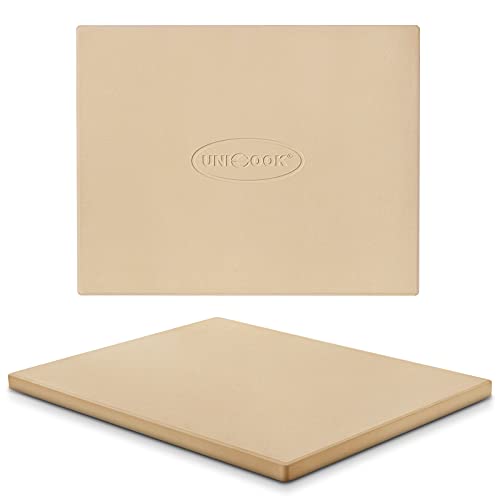
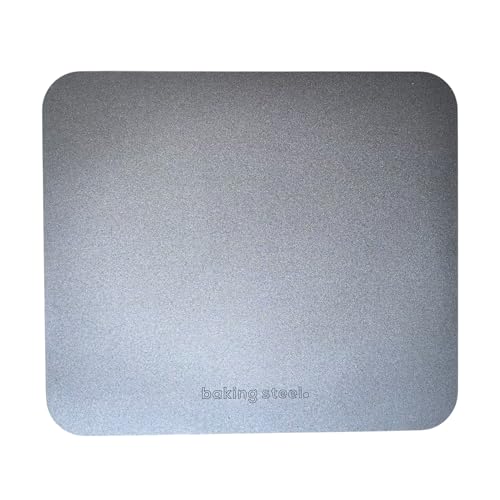


The mechanism: acrid smoke is combustion failing
Burning wood well and burning wood badly are chemically different events, and the difference is visible in the smoke. In a complete burn, the wood's volatile gases ignite and combust, and what leaves the chimney is mostly carbon dioxide and water vapour, with a thin haze that is barely visible. In an incomplete burn, those volatile gases escape unburnt, along with fine particulate carbon. That unburnt material is what you are tasting. Soot on your crust is literally the fuel that failed to burn, deposited on your dinner.
This is why the fix is never a flavour adjustment and always a combustion adjustment. People try to solve a harsh smoky taste by using less wood, cooking faster, or moving the pizza further from the fire, and none of it works, because the problem is not the quantity of smoke but its quality. A clean fire produces good flavour at any intensity; a dirty fire produces acrid flavour at any intensity. Complete combustion needs three things simultaneously: fuel dry enough to reach ignition temperature without wasting its energy on water, enough oxygen reaching every burning surface, and a chamber hot enough to keep the reaction going. Every cause on this page is one of those three failing.
Learn to read the smoke and you can diagnose the fire from across the garden. Good smoke is thin, wispy, sweet smelling and faintly blue, and often you have to look for it against the sky. Bad smoke is thick, billowing, white or yellow, and smells sharp and acrid in a way that makes you step back rather than lean in. This reading is combustion chemistry plus the consensus of people who cook over live fire, not a standards document, and we present it as such. But it is reliable, and it is free.
Cause one, and it is usually this one: wet wood
Wet wood is the answer to this question more often than every other cause combined, and the reason is thermodynamic rather than mystical. Water in the log has to be boiled off before the wood can reach the temperature at which it burns properly, and boiling water absorbs an enormous amount of energy. So a wet log spends its first phase in the fire acting as a heat sink rather than a heat source, cooling the chamber it is supposed to be heating, and smouldering out unburnt volatiles the whole time. You get less heat, more smoke, and the worst kind of smoke.
The US EPA's Burn Wise guidance gives you a number to work to: "Wood burns best at a moisture content of less than 20 percent." It also gives you the practical route to get there: "Season wood for at least six months." Those two lines together are the whole standard, and they are worth more than any amount of folklore about how a log should sound when you knock it. The only way to know where you actually stand is to measure, which is what a wood moisture meter is for. They are inexpensive, they take a reading in seconds, and they end an argument that otherwise runs all summer.
One technique note that matters more than the meter itself: split the log and take the reading on the freshly exposed inner face. The weathered outside of a split will read dry regardless of what the core is doing, which is exactly how people convince themselves that fuel which has been sitting under a tarp since spring is ready. Storage matters too. Stack split wood off the ground with the ends exposed and a cover over the top but not the sides, so air can move through it. Wood in a sealed heap or sitting on soil reabsorbs moisture and can stay unusable well past the six month mark. Which species to buy in the first place is covered in the best wood for a pizza oven.
The fuels the EPA says never to burn
This section is a safety rule wearing a flavour rule's clothing, and it is worth reproducing precisely. The EPA's guidance is that you should never burn coated, painted or pressure treated wood, plywood, particle board, ocean driftwood, or wet or rotted wood. Every item on that list produces harmful compounds when burnt, and in a pizza oven your food is sitting in the same chamber as the exhaust. This is materially different from a stove where the combustion products go up a flue and away from anything you are going to eat.
A few of these catch people out for understandable reasons. Ocean driftwood looks like the most romantic fuel imaginable and is salt laden, which produces harmful compounds on burning; it is on the list for a reason. Plywood and particle board arrive as offcuts from a project and look like free fuel, but they are held together with adhesives that have no business anywhere near dinner. Pressure treated timber is the most dangerous of the group and the easiest to acquire by accident from old decking or fencing. And rotted wood, which people burn precisely because it seems too far gone for anything else, burns cool and dirty as well as being on the prohibited list.
Treat the list as absolute rather than as a set of preferences with exceptions. There is no version of this where a well managed fire makes treated timber acceptable, and there is no cooking benefit on the other side of the trade. Your manufacturer's manual will also specify which fuels their oven is designed for, and where the two disagree, follow the manual. General fuel handling and the wider safety picture are in pizza oven safety tips.
Softwood resin and bark: dry wood that still sooties
Here is the case that confuses people who have already fixed their moisture problem. Dry softwood still burns dirty, and the reason is what is inside it rather than how wet it is. Softwoods carry resin, the sticky, volatile compounds that make pine smell like pine, and resin burns at a different rate from the wood fibre around it, throwing off soot and depositing tarry residue in the chamber and the flue. Softwoods also burn fast and comparatively cool, which is a separate problem when you are trying to hold a stone at temperature.
Bark is the other dirty component, and it is on hardwood too. Bark is structurally different from the wood beneath it, it holds moisture and dirt, and it produces noticeably more smoke and ash than clean split faces do. Knocking loose bark off a split before it goes into the tray is a small habit with a visible payoff, and it costs nothing.
None of this makes hardwood a matter of taste or snobbery. Dense hardwood burns hotter, longer and cleaner, which is precisely the combination a pizza oven needs, because you are asking the fire to hold a heavy stone at temperature while producing flavour rather than soot. If you are running a multi fuel oven and comparing your options honestly, including the case for simply cooking on gas and accepting a different flavour profile, that comparison is in gas vs wood fired pizza ovens. And if your wood is fine but the oven still will not hold heat, the fuel and fire checklist in why is my pizza oven not getting hot enough is the next stop.
Starving the fire: overloaded trays, closed vents, ash beds
With good dry hardwood you can still produce filthy smoke, and the cause is almost always oxygen. Combustion needs air reaching every burning surface, and there are three common ways owners cut it off without realising.
An overloaded fuel tray is the most frequent. It feels like more wood should mean more heat, and it does not: a packed tray means the outer pieces flame while the inner ones sit in a low oxygen pocket and smoulder, producing exactly the thick white smoke you are trying to avoid. Fewer pieces, well spaced, with flame able to reach all of them, burns hotter and cleaner than a full tray. A closed or blocked chimney vent is the second. The vent controls the draw, and a fire that cannot exhaust cannot pull fresh air in either, so a partly closed vent chokes the fire at both ends. Confirm the vent is at the position your manual specifies for cooking, and before the first fire of the season check the flue itself is clear of soot buildup, debris or a nest.
A bed choked with ash is the third, and it creeps up on you across a long session. Ash insulates the new fuel from the heat below it and restricts airflow up through the fire, so a fire sitting in its own accumulated ash smoulders for reasons that have nothing to do with the wood you just put in. Rake or brush the excess out between sessions with a wire brush or a longer handled oven brush, and never into anything combustible. The full routine, including how to handle ash safely, is in how to clean a pizza oven. Managing the fire itself across a whole evening is its own skill, covered in how to manage a wood fire in a pizza oven.
The cold start: a cool chamber is a smoky chamber
There is a phase at the beginning of every wood fire where the smoke is genuinely bad and nothing is wrong. A newly lit fire in a cold chamber is burning inefficiently by definition: the fuel has not reached its proper burning temperature, the chamber walls are absorbing rather than radiating, and the volatiles coming off the wood are escaping largely unburnt. Cook a pizza during that phase and it will taste of the bad smoke, because that is the only kind available yet.
The remedy is patience rather than intervention. Let the fire establish, let it burn down to a steady, confident flame, and watch the smoke thin out and lose its white billow. The visual cue is the same one from earlier on this page: you are waiting for smoke that is thin, wispy and barely visible rather than thick and opaque. We are deliberately not printing a chamber temperature at which smoke burns off, because we could not source that figure from a manufacturer or a standards body, and we would rather leave a gap than invent a number.
What we can point at is the stone target, which is a proxy for the chamber being genuinely up rather than merely lit. Ooni's own Koda 16 figure is a stone of 715 to 850°F (380 to 450°C), checked with an infrared thermometer rather than judged by eye. An oven whose stone is in that range has had a fire in it long enough to be past the dirty start. How long that takes depends entirely on your oven, your fuel and the weather, and realistic windows by fuel type are in how long does a pizza oven take to heat up.
The impostor: burnt semolina, not smoke
Now the cause that is misdiagnosed more than any other on this page, and the one worth checking first if you own a gas oven and are still tasting something harsh. Loose semolina and flour left on the cooking stone scorches, turns black, and tastes genuinely bitter, and because the flavour is acrid and carbonised, people file it under smoke. It is not smoke. It has nothing to do with your fire. It is burnt cereal stuck to the underside of your crust.
The tells are easy once you know them. Smoke flavour is an aroma that permeates the whole pizza, including the cheese and the toppings. Burnt semolina is a taste located specifically on the underside of the base, and it comes with visible black grit rather than an even colour. If you run your thumb across the bottom of the crust and it comes back sooty and gritty, look at your stone, not your chimney. It also gets worse pizza by pizza across an evening, because each launch deposits more flour that then bakes on, which is a pattern smoke problems do not follow.
The fix takes seconds: brush or scrape the stone between pizzas with a brush and scraper, so the deck is clean before the next launch. Upstream, use less dusting flour on the peel, and prefer coarse semolina to fine flour, since semolina's larger grains roll under the dough rather than clinging in a layer that ends up on the stone. Getting the dusting right is part of the launch technique covered in how to launch a pizza.
How to Get a Clean Fire in a Wood Fired Pizza Oven
- 1
Check the fuel before you check anything else
Split a log and put a moisture meter on the freshly exposed inner face, not the weathered outside, which reads dry even when the core is wet. The EPA's standard is a moisture content of less than 20 percent. If you are above it, no amount of fire management technique will give you a clean burn.
- 2
Season for at least six months, and store it properly
The EPA's guidance is to season wood for at least six months. Stack it off the ground, split, with the ends exposed and a cover over the top but not the sides so air moves through. Wood stored in a sealed pile or directly on soil reabsorbs moisture and stays unusable for far longer than you expect.
- 3
Reject the fuels that must never go in
The EPA says never burn coated, painted or pressure treated wood, plywood, particle board, ocean driftwood, or wet or rotted wood. This is not a flavour preference. These fuels release harmful compounds when burnt, and your pizza is sitting in the chamber with them.
- 4
Choose dense hardwood and knock off loose bark
Softwood resin and bark deposit soot even when the wood is dry, so dense hardwood is the standing choice for live fire pizza. Knocking loose bark off the split before it goes in reduces one of the dirtiest parts of the burn without changing anything else about your setup.
- 5
Build small and hot rather than large and smothered
Overloading the fuel tray is one of the commonest self inflicted smoke problems. A tray packed with wood restricts the air that has to reach every surface for complete combustion, so the outer pieces flame and the inner ones smoulder. Fewer pieces, well spaced, with flame reaching all of them, burns cleaner than a full tray.
- 6
Open the vent and check nothing is blocking the flue
A closed or partly blocked chimney vent chokes the draw the fire depends on. Confirm the vent is open to the position your manual specifies for cooking, and check the flue is clear of soot buildup, debris or a nest before the season's first fire. A fire that cannot exhaust cannot draw fresh air in either.
- 7
Clear the ash bed before it strangles the fire
Ash accumulating under and around the fire insulates the new fuel and restricts airflow up through it. Rake or brush the excess out between sessions, and never into anything combustible. A fire sitting in its own ash smoulders for reasons that have nothing to do with the quality of the wood.
- 8
Let the chamber come up properly before you cook
A cold chamber is a smoky chamber, because combustion is incomplete until the oven itself is hot and the fire is established. Give the fire time to burn down to a clean, steady flame with thin, barely visible smoke, and confirm the stone has reached the range your oven's maker publishes before the first pizza goes in.
- 9
Brush the stone between pizzas
Loose semolina and flour left on the deck scorches, turns black, and tastes bitter, and it transfers to every subsequent pizza. Brush or scrape the stone between pies. If the bitterness you are chasing comes with black grit on the underside of the crust rather than a smoky aroma, this is your actual problem.
Ready to buy? Start with our top picks
Whatever this guide steered you toward, here's where most readers land, ranked on stated floor heat. Live price check on each.
- Check price on Amazon
- Check price on Amazon
- Check price on Amazon
- Check price on Amazon
- Check price on Amazon
- Check price on Amazon
As an Amazon Associate we earn from qualifying purchases, at no cost to you.
How we chose.
All moisture, seasoning and prohibited fuel guidance is quoted from the US Environmental Protection Agency's Burn Wise best wood burning practices page, and quoted rather than paraphrased where the exact wording carries the safety weight.
The distinction between clean and dirty smoke is presented as combustion chemistry plus owner consensus among live fire cooks, and is labelled as such rather than attributed to a standards document.
We print no numeric threshold for the chamber temperature at which smoke burns off, because we could not source one from a manufacturer or a standards body. The cold start section is written qualitatively for that reason.
Stone temperature targets referenced here are Ooni's own published Koda 16 figures of 715 to 850°F (380 to 450°C). We print no preheat duration for any oven, because verified manufacturer guidance states a temperature target rather than a number of minutes.
We are a research and verification desk, not a test kitchen. Nothing on this page is presented as the result of physical testing, and no claim is made about the behaviour of any specific batch of fuel.
Key terms
- Incomplete combustion
- A fire in which the wood's volatile gases and particulate carbon escape unburnt instead of combusting. It is the root cause of acrid smoke and black soot, and it happens when fuel is too wet, oxygen is restricted, or the chamber is too cool.
- Moisture content
- The proportion of water in a piece of firewood. The US EPA states that wood burns best at a moisture content of less than 20 percent and that wood should be seasoned for at least six months. Measure it on a freshly split inner face, since the weathered outside reads dry regardless.
- Seasoning
- Drying split firewood in open air until its moisture content falls to a usable level, which the EPA puts at a minimum of six months. Storage matters as much as time: stacked off the ground, split, ends exposed, covered on top but open at the sides so air moves through.
- Resin and bark soot
- Soot produced by softwood resin and by bark, both of which burn dirtier than clean hardwood split faces even when the fuel is properly dry. This is why hardwood is the standing recommendation for live fire pizza and why knocking loose bark off a split helps.
- Draw
- The airflow through the oven driven by hot gases exiting the chimney. A closed or blocked vent kills the draw, and a fire that cannot exhaust cannot pull fresh air in either, so it smoulders. Checking the vent position and the flue is a standard first fire task.
- Scorched semolina
- Dusting flour or semolina left on the cooking stone that carbonises and tastes bitter, transferring black grit to the underside of every subsequent pizza. It is routinely misattributed to smoke, and it is fixed by brushing the deck between pizzas.
Questions, answered
why does my pizza taste smoky
Because your fire is burning incompletely and depositing unburnt material on your food. The most common cause by a wide margin is wet wood: the US EPA states that wood burns best at a moisture content of less than 20 percent and that wood should be seasoned for at least six months, and fuel above that threshold spends its energy boiling off water while smouldering out unburnt volatiles. Check it with a moisture meter on a freshly split inner face rather than the weathered outside. If the fuel is genuinely dry, look next at airflow, an overloaded fuel tray, a closed or blocked vent, an ash choked bed, and at whether you started cooking before the chamber was properly up to temperature.
soot on pizza wood fired oven how do i stop it
Soot is unburnt fuel, so the answer is always to make the fire burn more completely rather than to move the pizza away from it. Work in this order. Meter your wood and get it under 20 percent moisture, which is the EPA's own standard. Switch to dense hardwood and knock loose bark off the splits, because softwood resin and bark deposit soot even when the wood is dry. Stop overloading the fuel tray, since a packed tray leaves inner pieces smouldering in a low oxygen pocket. Confirm the chimney vent is open to the position your manual specifies and the flue is clear. Clear the ash bed. Then wait for the smoke to go thin and barely visible before you cook.
what wood should you never burn in a pizza oven
The US EPA is explicit: never burn coated, painted or pressure treated wood, plywood, particle board, ocean driftwood, or wet or rotted wood. This is a safety rule rather than a flavour preference, because every item on that list releases harmful compounds when burnt, and in a pizza oven your food shares the chamber with the exhaust. The ones that catch people out are driftwood, which looks romantic and is salt laden, plywood and particle board offcuts that look like free fuel but are held together with adhesives, and pressure treated timber from old decking or fencing. Follow your oven manual's fuel specification too, and where it is stricter than the general guidance, follow the manual.
how dry does firewood need to be for a pizza oven
Under 20 percent moisture content, which is the threshold the US EPA's Burn Wise guidance gives for wood burning best, with a minimum of six months of seasoning to get there. Measure rather than guess: split a log and put a moisture meter on the freshly exposed inner face, because the weathered outer surface of a split will read dry even when the core is still wet. Storage does as much work as time. Stack split wood off the ground with the ends exposed and a cover over the top but not the sides so air can move through it, since wood in a sealed heap or sitting on soil reabsorbs moisture and can stay unusable long past six months.
what is the difference between good smoke and bad smoke
Good smoke is thin, wispy, sweet smelling and faintly blue, often hard to see against the sky, and it is the flavour people buy a live fire oven for in the first place. Bad smoke is thick, billowing, white or yellow, and smells sharp and acrid enough that you instinctively step back from it. They are not two intensities of the same thing, they are combustion working and combustion failing: the thick white smoke is unburnt volatiles and particulate carbon escaping, and that material is what lands on your pizza. This reading of the smoke is combustion chemistry plus the consensus of people who cook over fire rather than a published standard, but it is reliable and it costs nothing to use.
why does my pizza taste bitter but not smoky
Almost certainly scorched semolina or flour on the cooking stone rather than anything to do with your fire, and this is worth checking first if you cook on gas. Loose dusting flour left on the deck carbonises, turns black and tastes genuinely bitter, and it transfers to the underside of every pizza that follows. The tells are that the taste sits specifically on the base rather than permeating the whole pizza, that you can feel black grit if you run a thumb across the bottom of the crust, and that it gets worse pizza by pizza across an evening as more flour bakes on. Brush or scrape the stone between pizzas, use less dusting flour, and prefer coarse semolina to fine flour.
Filed under Explainer
Part of Pizza Troubleshooting
Keep reading.
The Best Wood for a Pizza Oven
Which species burn hot and clean, and how to tell whether the fuel you already own is dry enough to trust.
How to Manage a Wood Fire in a Pizza Oven
Building, feeding and holding a fire across a whole evening without letting it smoulder.
How to Clean a Pizza Oven
Ash handling, flue checks and keeping the deck free of the burnt flour that tastes like smoke but is not.
Gas vs Wood Fired Pizza Ovens
The honest trade between live fire flavour and never having to think about moisture content again.
Why Is My Pizza Oven Not Getting Hot Enough?
The same fuel and airflow problems seen from the other side, when the oven will not reach temperature at all.
Pizza Oven Safety Tips
Fuel handling, ash disposal and the rules that matter more than any flavour tip on this page.