Our pick. Ooni
Check price on Amazon →Why Is My Pizza Oven Not Getting Hot Enough? A Diagnostic Walkthrough
Nine times out of ten, an oven that "won't get hot" is getting hot, you're just not preheating the stone long enough or you're reading the wrong number. Most dedicated pizza ovens are built to push a floor near 900°F, but they only do it once the cooking surface has soaked, and only when the fuel and the weather cooperate. This is the checklist we work through, in order, before ever blaming the oven: how to measure heat correctly first, then gas, wood, and electric fuel problems, then the environment, and finally, the rare case where it really is the oven.
By The Pizza Oven Review DeskUpdated 2026-06-29~11 min readRanked on verified floor heatHow we research
We earn a commission on purchases through our links, at no cost to you. It never decides a ranking. How this works
"Why is my pizza oven not getting hot enough?" is the single most common question we get, and the honest first answer is almost always the same: it probably is getting hot, you're measuring the wrong thing, or you pulled the trigger before the cooking floor had time to soak. The number that makes or breaks a pizza is the temperature of the stone under the pie, not the air inside the chamber and definitely not whatever a built-in dial is telling you. So before you conclude your oven is broken or underpowered, it pays to work through a short diagnostic checklist in order, because the fix is usually free.
We write these guides independently and some of our links are affiliate links, which means we earn a small commission if you buy through them, but nothing in this troubleshooting walkthrough is sponsored, no manufacturer paid for a kind word, and the most common fix we recommend (preheat longer, measure the floor) costs you nothing at all. We would rather you get your existing oven ripping hot than sell you a new one, because an oven that already reaches a 900°F floor is not the problem in the overwhelming majority of cases.
Here is the order we troubleshoot in, and the order this guide follows: first, confirm you are actually measuring the floor and giving it enough time; then run the fuel-specific checks for gas, wood, or electric; then rule out the environment (cold and wind quietly steal real degrees); and only then, if a good fuel supply and a full preheat still won't get you there, treat it as a hardware issue and go to the manufacturer. Throughout, follow your oven's manual and handle propane safely, those instructions override anything general we say here.
The short version.
- Start by measuring the right thing: the FLOOR temperature with an infrared thermometer, not the chamber air or a built-in dial. The stone is what cooks the crust, and it lags the air badly, most "not hot enough" complaints are a measurement or patience problem, not a heat problem.
- Give the stone time to soak. The cooking surface needs roughly 15 to 25+ minutes (sometimes longer in the cold) to fully charge before it hits a true pizza floor near 900°F, flames roaring does not mean the stone is ready.
- Gas issues are usually fuel delivery: a low or empty tank, a tank too cold to keep pressure in winter, a frosted regulator from opening the valve too fast, a partially clogged burner, or wind blowing into the mouth and killing the flame.
- Wood and multi-fuel issues are usually the fuel or the fire: wet or softwood logs, a fire that's too small and starved, poor airflow, or a bed choked with ash. Kiln-dried hardwood and a properly built, well-fed fire fix most of it.
- Electric and environment matter too: electric ovens want a dedicated, adequate circuit and uninterrupted preheat time, while cold ambient temperatures and wind add minutes and lower the peak for every oven, shelter it and preheat longer. Only after all of this should you suspect the oven itself and check the manufacturer's troubleshooting and warranty.
Our top-rated pizza ovens
Whatever you decide, these are the ovens we recommend, ranked on stated floor heat. Live price check on each.
- Check price on Amazon

- Check price on Amazon

- Check price on Amazon

- Check price on Amazon

- Check price on Amazon

- Check price on Amazon

As an Amazon Associate we earn from qualifying purchases, at no cost to you.
What you'll need.
Prices approximate at time of writing.
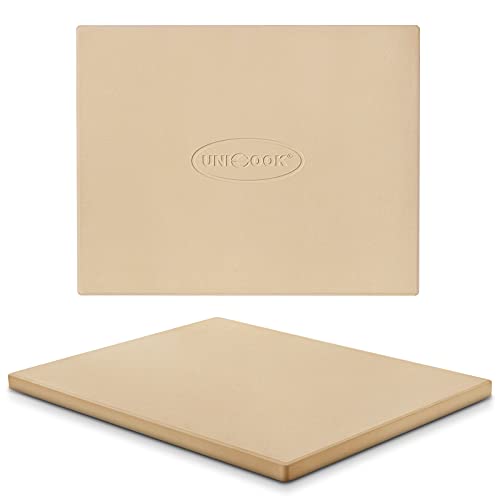
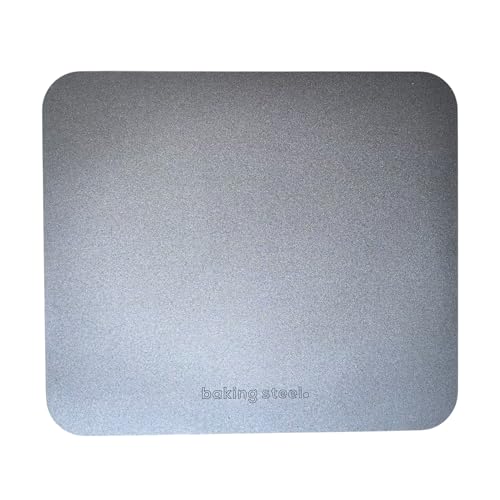
The five tools that do the work in every method on this site: a slab that stores heat, something to launch with, a way to read the surface, and a clean cut.


First, you're probably measuring the wrong thing, and not waiting long enough
Before you blame the oven, blame the measurement, because that's where most of these complaints actually live. The temperature that cooks your pizza is the floor temperature, the heat of the stone directly under the dough, and it is a different, slower-moving number than the air inside the chamber. The flames can be roaring and the air screaming hot while the stone underneath is still charging. If you're judging readiness by how fierce the fire looks, or by a built-in needle gauge (which usually reads chamber or shell temperature, not the floor), you will launch onto a cold stone and get a pale, soggy, slow-cooking pizza that feels exactly like an oven that "won't get hot."
The fix is two-fold and free. First, measure the floor with an infrared thermometer, pointed at the center of the stone where the pizza will sit, that single number is the one that matters, and it's the spine of everything we do. Any decent laser gun does the job, the Ooni unit and the budget Etekcity Lasergrip 774 are the two we point people to. Second, give the stone time to soak. A cooking surface typically needs roughly 15 to 25 minutes or more of preheat to fully charge to a true pizza floor, many capable ovens target a floor near 900°F, but only after the stone has absorbed that heat, not the moment the burner lights. Rushing the soak is the number-one cause of "my oven isn't hot enough."
Gas ovens: the heat problem is almost always fuel delivery
If your oven runs on propane and the floor just won't climb, the culprit is usually something between the tank and the burner rather than the oven itself. Run this list. A low or empty tank is the obvious one, propane gives no real fuel gauge, so a tank with just a little left can light, flame weakly, and never build heat; weigh it or swap in a known-full tank to rule it out. A cold tank is the sneaky one: propane pressure drops as temperature falls, so on a cold day a half-full tank can struggle to deliver enough gas to reach a full pizza floor, which is why winter sessions so often feel underpowered.
Then the hardware in the line. Regulator frost or lockout happens when you crank the tank valve open too fast, the surge trips the regulator's safety and chokes the flow, sometimes with visible frost on the regulator. The fix is prevention: turn the burner off, close the tank, wait, then open the tank valve slowly before lighting. A partially clogged burner, debris, spider webs, or grease in the jets, gives a weak or uneven flame; check the manual for safe cleaning. And wind blowing into the mouth can flatten or partly extinguish the flame and rob you of real degrees. Reposition the oven so the opening faces away from the wind.
Wood and multi-fuel ovens: it's usually the fuel or the fire
For wood-fired and multi-fuel ovens, a floor that won't reach temperature almost always traces back to the fuel you're burning or the fire you've built. The biggest offender is wet or softwood fuel. Wood with too much moisture spends its energy boiling off water instead of making heat, so it smolders, smokes, and never gets the chamber ripping; softwoods (pine, fir) burn fast and cool and gum the oven with resin. The fix is to burn kiln-dried hardwood, dense, dry species that burn hot and clean, which on its own resolves a huge share of "won't get hot" wood complaints.
The fire itself matters just as much. A fire that's too small or starved can't drive a heavy stone to a pizza floor, so build it up and feed it before you expect peak heat. Poor airflow chokes combustion, a fire needs oxygen, so don't smother it, and keep the chimney or vents working as the manual intends. And a bed choked with ash from a long session insulates the new fuel and strangles airflow; rake or clear excess ash so the fresh wood can breathe. Manage those three, fuel size, airflow, ash, and the chamber and floor will come up where they should.
Electric ovens: power, patience, and an open door
Electric pizza ovens are a different animal, they top out lower than gas or wood by design (the electric models we track land roughly in the 700 to 850°F range rather than near 900°F), so the first thing to check is whether you're expecting a number this category was never built to hit. Within their range, though, the common reasons an electric oven underperforms are mundane and fixable. Power delivery comes first: an electric oven wants a dedicated, adequate circuit, and sharing it with other high-draw appliances or running it on a long, thin extension cord can starve it and keep it from reaching or holding its peak. Plug it into a suitable outlet as the manual specifies.
Then it's about patience and discipline. Electric ovens with presets need to be given their full preheat time to bring both the elements and the stone up, interrupting or shortcutting the cycle leaves the floor cold even when the chamber feels warm. And the most self-inflicted wound is opening the door too often: every time you open it you dump heat that an electric element recovers slowly, so the oven feels like it "lost" temperature when really you let it out. Let it complete its preheat, keep the door shut until you're ready, and measure the floor before you launch.
The environment: cold and wind quietly steal real degrees
Even a perfectly healthy oven with good fuel can underperform purely because of where and when you're using it, and this is the factor people forget. Cold ambient temperatures mean the oven is fighting a bigger gradient, it has more heat to add and loses it faster to the surrounding air, so the same oven that hits a full floor in summer can run slower and peak lower on a freezing night. For gas specifically, cold compounds the problem by dropping propane pressure (as we covered above). The honest takeaway: in winter, expect longer preheats and plan for it rather than assuming the oven failed.
Wind is the other silent thief. A breeze across the mouth pulls heat out of the chamber, and for a flame-fed oven it can disturb or partly extinguish the burner, costing you real degrees at the floor. The fixes are simple and physical: shelter the oven from the prevailing wind, turn the opening away from the gusts, and give it extra preheat time before you judge whether it's hot enough. None of this is a defect, it's physics, and accounting for it turns a frustrating "it won't get hot" night into a perfectly good one.
When it really is the oven (and what to do then)
Work through everything above, measuring the floor, giving the stone a full soak, ruling out fuel-delivery and fire problems, and accounting for the cold and wind, and the large majority of "not hot enough" cases resolve without spending a cent. But if you've genuinely done all of it, a known-full, warm-enough tank or dry kiln-dried hardwood and a well-built fire, a clean burner, a full uninterrupted preheat, a sheltered oven on a reasonable day, and the floor still won't climb to where your oven's specs say it should, then it's fair to suspect the hardware.
At that point, stop improvising and go to the source. Check the manufacturer's troubleshooting guide for your specific model, it will list the model-specific failure modes and the safe checks for things like a faulty regulator, a defective igniter, or a damaged element. If those don't resolve it, contact the manufacturer and check your warranty; a unit that can't reach its rated floor with good fuel and a full preheat may have a genuine defect that the warranty covers. Don't attempt internal gas or electrical repairs yourself beyond what the manual authorizes, that's both a safety risk and usually a warranty-voider.
Ready to buy? Start with our top picks
Whatever this guide steered you toward, here's where most readers land, ranked on stated floor heat. Live price check on each.
- Check price on Amazon
- Check price on Amazon
- Check price on Amazon
- Check price on Amazon
- Check price on Amazon
- Check price on Amazon
As an Amazon Associate we earn from qualifying purchases, at no cost to you.
Key terms
- Floor temperature
- The temperature of the cooking stone directly under the pizza, the number that actually sets the crust and the one you should measure. It lags the chamber air, so a hot-looking fire over a cold stone is the most common reason an oven seems 'not hot enough.'
- Stone soak
- The preheat time the cooking surface needs to fully absorb heat, typically about 15 to 25 minutes or more, longer in the cold. Flames roaring does not mean the stone is charged; rushing the soak is the top cause of an underperforming floor.
- Regulator lockout
- A propane safety trip caused by opening the tank valve too fast: the pressure surge chokes the regulator (sometimes with visible frost) and starves the burner. Prevented by closing the tank, waiting, and opening the valve slowly before lighting.
- Propane cold-pressure drop
- The fall in propane vapor pressure as temperature drops, which is why a half-full tank can under-deliver gas on a cold day and leave a gas oven short of a full floor. A warmer or fuller tank, and longer preheats in winter, are the practical fixes.
- Fuel moisture (wood)
- How much water a log holds; wet or green wood burns its energy boiling off water instead of making heat, so it smolders and never gets the chamber ripping. Kiln-dried hardwood is dry and dense enough to burn hot and clean.
- Heat recovery
- How fast the floor returns to temperature after heat is lost, by opening the door, by wind across the mouth, or between pizzas. It's the weak point on electric ovens especially, so keeping the door shut and sheltering the oven preserves the floor you worked to build.
Questions, answered
My pizza oven flame looks strong but pizzas cook slowly, what's wrong?
Almost always a cold cooking floor, not a weak oven. The flame and the chamber air heat up fast, but the stone underneath your pizza takes much longer, often 15 to 25 minutes or more, to soak up enough heat to reach a true pizza floor near 900°F on most ovens. If you launch before the stone is charged, the bottom cooks slowly and the pizza feels underdone even with a roaring fire. Point an infrared thermometer at the center of the stone, wait until that floor reading is where it should be for your style, and the slow-cook problem usually disappears. Judge the stone, not the flame.
How do I know if it's the oven or my preheating?
Measure the floor with an infrared thermometer instead of trusting a built-in dial, and give the stone a full soak, roughly 15 to 25 minutes or longer, more in cold weather. The vast majority of 'not hot enough' cases are a measurement or patience problem: the dial reads chamber or shell temperature, not the floor, and the stone simply hasn't finished charging. If, after a full preheat with good fuel, the floor measured at the stone still won't climb to your oven's rated number, then it's fair to suspect the oven and move to the manufacturer's troubleshooting.
Why does my gas pizza oven lose heat or run weak, especially in winter?
Gas problems are usually fuel delivery. Check, in order: is the tank low or empty (propane has no real gauge, so weigh it or swap a known-full tank); is the tank too cold (propane pressure drops as temperature falls, so winter sessions run weaker); did you open the tank valve too fast and trip a regulator lockout (close it, wait, and open slowly next time); is the burner partially clogged (weak or uneven flame); and is wind blowing into the mouth and flattening the flame (face the opening away from the wind). Cold weather makes several of these worse at once, which is why gas ovens so often feel underpowered in winter. Always follow your manual's propane-handling instructions.
Why won't my wood-fired oven get hot enough?
Usually the fuel or the fire. Wet or softwood logs are the biggest culprit, moisture-laden wood burns its energy boiling off water and just smolders, and softwoods burn fast and cool. Switch to kiln-dried hardwood that burns hot and clean. Then check the fire itself: a fire that's too small or starved can't drive a heavy stone to a pizza floor, poor airflow chokes combustion, and a bed choked with ash insulates the new fuel and strangles oxygen. Build a bigger, well-fed fire, keep airflow moving, and clear excess ash, and the chamber and floor should come up where they belong.
Why does my electric pizza oven seem cooler than advertised?
First, set your expectations: electric ovens top out lower than gas or wood by design, the electric models we track land roughly in the 700 to 850°F range rather than near 900°F, so part of the gap may simply be the category. Within that range, the usual issues are power and patience: give it a dedicated, adequate circuit (not a shared or long thin extension cord), let the full preheat cycle run uninterrupted so both the elements and the stone come up, and stop opening the door so often, electric ovens recover heat slowly, so every peek dumps temperature you have to rebuild. Keep it closed, let it finish, and measure the floor before launching.
Does cold or windy weather really affect how hot my pizza oven gets?
Yes, more than people expect. Cold ambient temperatures mean the oven fights a bigger gradient, more heat to add, faster losses to the surrounding air, so it preheats slower and can peak lower, and for gas the cold also drops propane pressure. Wind across the mouth pulls heat out of the chamber and can disturb or partly extinguish a flame, costing real degrees at the floor. None of this is a defect; it's physics. The fixes are simple: shelter the oven, turn the opening away from the wind, and preheat noticeably longer on cold or windy days before judging whether the oven is hot enough.
Filed under Explainer
Part of Pizza Oven 101 · Pizza Troubleshooting
Keep reading.
Cooking Multiple Pizzas Back to Back
If the oven was hot and then wasn't, this is why: every pizza strips heat out of the deck.
Pizza Oven Temperature and Cook Time Chart
The sourced reference by style, including the conflict between the AVPN and EU Neapolitan specifications.
The Best Infrared Thermometer for Pizza
The one tool that ends the 'is it hot enough' question, point it at the stone and read the only number that matters.
How Long Does a Pizza Oven Take to Heat Up?
Realistic preheat windows by fuel type, and why the stone soak is the part you can't rush.
How to Use a Pizza Oven
From first light to launch and recovery, managing heat the way the oven wants to be managed.
The Best Pizza Ovens (2026)
Our flagship ranking across every fuel and budget, scored on peak floor temp and the 60-Second-Pizza Club.
Ooni vs Gozney: Which Brand Wins?
The two giants head to head, same ~950°F ceiling, very different philosophies, one clear way to choose.
Ooni Fyra 12 Review
Ooni's lightest wood-pellet oven reviewed, real live-fire flavor at $349, and what to cross-shop.