Our pick. Ooni
Check price on Amazon →Wood vs. Gas vs. Electric Pizza Oven (2026): The Definitive Fuel Decision
Fuel is the first fork in the road, and it quietly decides your whole experience, the flavor, the effort, the peak heat, even where you're allowed to put the thing. Gas is convenience and consistency. Wood (and multi-fuel) is flavor, ritual, and the highest heat. Electric is the only one you can run indoors. Here's the honest three-way breakdown, the real peak-temperature differences, and exactly how to choose by what you actually care about.
By The Pizza Oven Review DeskUpdated 2026-06-29~12 min readRanked on verified floor heatHow we research
We earn a commission on purchases through our links, at no cost to you. It never decides a ranking. How this works
Before you compare a single brand, you have to answer one question that shapes everything downstream: what fuel? Wood, gas, or electric isn't a minor spec, it's the decision that quietly sets your flavor, your effort, your peak heat, and even where on your property the oven is legally and safely allowed to live. Pick the wrong fuel for your life and the best oven on the market will still disappoint you. Pick the right one and a mid-priced oven will feel perfect. So we treat fuel as the first fork, not the last detail.
Here's the honest shape of it. Gas is the convenience-and-consistency option, push-button ignition, instant heat, instant recovery, and a roughly 950°F ceiling on the best models, with no flavor coming from the fuel itself. Wood (and the multi-fuel ovens that add a gas burner) is the flavor-and-ritual option, real live-fire smoke, the highest peak heat in the category, and a genuine learning curve to match. Electric is the convenience-anywhere option, the only fuel that's truly indoor-safe, runs off a standard outlet, and asks almost nothing of you, but it gives up peak temperature to do it.
We rank ovens on three things, peak floor temperature, the 60-Second-Pizza Club, and heat recovery, and the reason fuel matters so much is that it moves all three. The ~950°F gas-and-wood ovens versus the ~850°F hottest electric versus the ~700°F entry electrics is a real, measurable gap, and it decides whether true 60-second Neapolitan is on the table. Nothing here is sponsored; we'd rather steer you to the right fuel than sell you the wrong oven, because a fuel mismatch is the single most common pizza-oven regret we see.
The short version.
- Fuel is the first decision, not the last, it sets your flavor, effort, peak heat, and where the oven can live, so get it right before you compare brands.
- Gas = convenience and consistency: push-button heat, instant recovery, ~950°F on the best models (Ooni Koda, Gozney Roccbox and Arc), no flavor from the fuel. It's the right answer for most people and nearly every weeknight.
- Wood and multi-fuel = flavor and ritual: real smoke, live-fire theater, and the highest peak heat, but a learning curve, ash, and fire-tending. Multi-fuel ovens (Ooni Karu, Gozney Dome, Solo Stove Pi) add a gas burner so you get both.
- Electric is the only truly indoor-safe option and the easiest to run, but it trades away peak heat: the Ooni Volt 2 (~850°F) is the hottest electric, while the Breville Pizzaiolo (~750°F) and Ninja Artisan / Cuisinart (~700°F) sit lower, making true 60-second Neapolitan hardest here.
- Choose by priority: flavor → wood or multi-fuel; convenience → gas; indoor or apartment → electric; want both flavor and flexibility → a multi-fuel oven that does wood and gas.
Our top-rated pizza ovens
Whatever you decide, these are the ovens we recommend, ranked on stated floor heat. Live price check on each.
- Check price on Amazon

- Check price on Amazon

- Check price on Amazon

- Check price on Amazon

- Check price on Amazon

- Check price on Amazon

As an Amazon Associate we earn from qualifying purchases, at no cost to you.
What you'll need.
Prices approximate at time of writing.
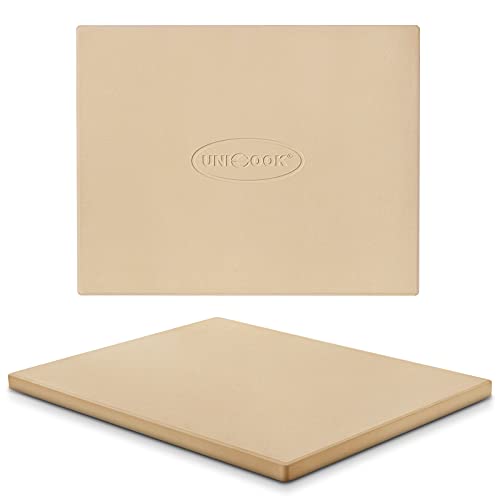
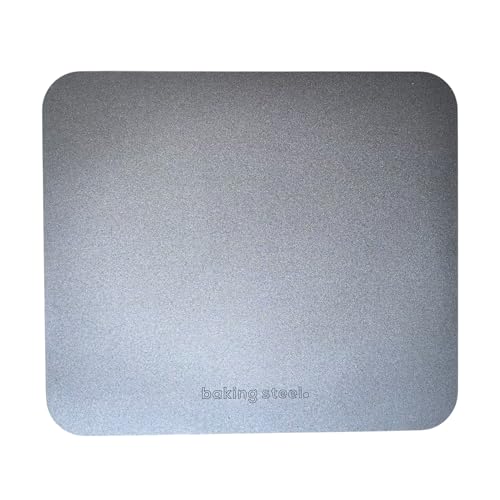
The five tools that do the work in every method on this site: a slab that stores heat, something to launch with, a way to read the surface, and a clean cut.


The quick verdict: what each fuel actually buys you
Strip away the marketing and the three fuels map cleanly onto three different things you might want most. Gas buys you convenience and consistency. You turn a dial, it lights, and within 15 to 20 minutes you're at temperature; it holds that temperature without you touching it, and it recovers between pizzas almost instantly. The best gas ovens reach roughly 950°F, enough for true Neapolitan, and the fuel adds no flavor of its own, which some people consider a feature and others consider the one thing missing.
Wood (and multi-fuel) buys you flavor and ritual, real smoke character, the live-fire theater of an actual flame, and the highest peak heat the category can produce. The cost is effort: a learning curve, ash to clean, and a fire to tend. Electric buys you convenience anywhere, most importantly indoors. It plugs into a standard outlet, asks almost nothing of you, and is the only fuel you can run in an apartment, but it gives up peak temperature to do it, topping out around 850°F on the hottest model and closer to 700°F on entry ones.
Gas: the convenience-and-consistency default
For most buyers, most of the time, gas is the right answer, and that's not a knock, it's the whole appeal. A gas oven is push-button instant: you turn the valve, the burner lights, and you skip every part of fire management that trips up beginners. There's no kindling, no waiting for coals, no babysitting a flame. You set a flame level, the oven holds it, and when you pull a pizza and slide the next one in, the floor recovers almost immediately because the burner never stopped putting out heat. That instant recovery is what makes gas the king of feeding a crowd one pizza after another without the floor sagging.
The peak heat is genuinely there, too. The best gas ovens hit the same ceiling as wood: the Ooni Koda line runs ~932°F (Koda 12) to ~950°F (Koda 16 and Koda 2), and Gozney's Roccbox and Arc both reach ~950°F, comfortably inside 60-second Neapolitan territory. What gas doesn't do is add flavor. A propane flame is clean and neutral, so your crust tastes of the dough and the char, not of woodsmoke. If you want a pure, repeatable, weeknight-friendly path to great pizza, that neutrality plus the convenience is exactly the trade you want.
Wood and multi-fuel: flavor, ritual, and the highest heat
Wood is the romantic choice, and the romance is real. A wood fire gives you something gas physically cannot: actual smoke flavor in the crust, plus the live-fire ritual of building, lighting, and tending a flame, the part many owners say is half the fun. Wood ovens can also reach the highest peak heat in the category, which is why purists chase them for the most aggressive, leopard-spotted Neapolitan bakes. The flagship multi-fuel ovens all sit at the ~950°F ceiling: the Ooni Karu line (Karu 12, Karu 2, Karu 2 Pro), the Gozney Dome, and the Solo Stove Pi are all rated to roughly 950°F.
The cost is effort and patience. There's a learning curve to managing a live fire, getting it lit, keeping it fed, reading the flame, and recovering heat after a pizza pulls cooler air through. There's ash to clean afterward, and the whole process is simply slower than turning a gas dial. This is exactly why multi-fuel ovens exist: they add a bolt-on or built-in gas burner so you can run wood when you want flavor and ritual, and flip to gas when you want a fast, low-fuss weeknight bake. That flexibility is the best of both worlds, and it's why multi-fuel is our default recommendation for anyone who's torn. We go deeper on the trade in gas vs. wood-fired pizza ovens.
Electric: the only truly indoor-safe option
Electric is the outlier, and for one group of buyers it's the only option that works at all. It is the only truly indoor-safe fuel, no open flame, no combustion byproducts, no propane tank, so it runs in a kitchen or an apartment where gas and wood are simply not allowed. It plugs into a standard outlet, lights with a button, holds temperature on a thermostat, and asks almost nothing of you. For someone without a yard, or anyone who wants the absolute lowest-effort path to homemade pizza, electric is genuinely the answer.
The trade is peak temperature, and the signature lens makes the gap concrete. The Ooni Volt 2 is the hottest electric at ~850°F, the closest electric gets to true Neapolitan, and the one we'd point a 60-second-bake chaser toward. Below it, the Breville Smart Oven Pizzaiolo runs ~750°F, and the Ninja Artisan and Cuisinart Indoor sit around ~700°F. All of those make excellent pizza, but ~700 to 750°F means a slightly longer bake and a softer char than a ~950°F live-fire oven, so the true 60-second Neapolitan is hardest to hit on electric, with the Volt 2 the only model that comes genuinely close.
How to choose by what you actually care about
The decision gets easy once you name your top priority, because each fuel wins a different one cleanly. If flavor is the priority, if you want real woodsmoke in the crust and the live-fire experience, go wood or multi-fuel; nothing else makes that pizza. If convenience is the priority, if you want great pizza on a weeknight with no fire to manage and instant recovery for guests, go gas; it's the lowest-friction path to a ~950°F bake. If your constraint is indoors or an apartment, no yard, no flame allowed, go electric; it's the only fuel that legally and safely works there.
And if you genuinely want both flavor and flexibility, the honest answer is a multi-fuel oven: run wood when you want the ritual and the smoke, flip to gas when you want a fast Tuesday bake. That's why, for the buyer who's torn between gas and wood, we usually recommend skipping the choice entirely and buying multi-fuel, you stop agonizing and get to use whichever fuel fits the night. One caveat worth naming: if true 60-second Neapolitan is non-negotiable, electric is the hardest place to get it (the ~850°F Volt 2 aside), so flavor-and-heat chasers should weight toward gas, wood, or multi-fuel.
Cost and running differences (the part people forget)
Fuel also changes what the oven costs to run, not just to buy, and it's worth a quick honest look. Gas runs on propane: a standard 20 lb tank is cheap per session and lasts many cookouts, so the ongoing cost is low and predictable, with no surprises. Wood burns hardwood logs or pellets, which are inexpensive but consumed every cook and need buying and storing, a small recurring cost plus the ash cleanup that gas and electric skip entirely. Electric trades fuel for wall power: there's no tank or wood to buy, just the electricity, and because it holds heat efficiently on a thermostat, the per-pizza energy cost is modest.
None of these running costs is large enough to drive the decision on its own, convenience, flavor, and where the oven can live matter far more, but they're real, and they compound for a household that does weekly pizza night. The sticker price is also only part of the picture once you add a tank, peels, a thermometer, and a cover; we break that whole total down in how much a pizza oven costs. Bottom line: pick your fuel on experience first, flavor, convenience, or indoor capability, and treat running cost as the tiebreaker it actually is, not the headline.
Ready to buy? Start with our top picks
Whatever this guide steered you toward, here's where most readers land, ranked on stated floor heat. Live price check on each.
- Check price on Amazon
- Check price on Amazon
- Check price on Amazon
- Check price on Amazon
- Check price on Amazon
- Check price on Amazon
As an Amazon Associate we earn from qualifying purchases, at no cost to you.
Key terms
- Peak floor temperature
- The temperature the cooking stone reaches, which sets the crust. Fuel moves it: the best gas and wood/multi-fuel ovens hit ~950°F, the hottest electric (Ooni Volt 2) ~850°F, and entry electrics ~700°F, versus a home oven's ~550°F ceiling. It's the single number that decides whether true Neapolitan is on the table.
- 60-Second-Pizza Club
- Our benchmark for ovens that bake a leopard-spotted Neapolitan pie in about 60 to 90 seconds. The ~950°F gas, wood, and multi-fuel ovens clear it comfortably; electric struggles, with the ~850°F Volt 2 the only model that comes genuinely close, which is the core reason electric is the hardest fuel for true Neapolitan.
- Heat recovery
- How fast the floor returns to temperature between pizzas. Gas wins this outright, the burner never stops, so recovery is near-instant, making gas the best fuel for feeding a crowd. Wood recovery depends on fire management, and electric depends on element wattage.
- Multi-fuel
- An oven that runs both wood (or charcoal/pellets) and gas, usually via a bolt-on or built-in gas burner. It's the answer for buyers torn between flavor and convenience: run wood for smoke and ritual, flip to gas for a fast weeknight bake. Ooni Karu, Gozney Dome, and Solo Stove Pi are examples, all rated to ~950°F.
- Indoor-safe
- The property that makes electric unique, no open flame or combustion byproducts, so it runs in a kitchen or apartment off a standard outlet. Gas and wood require outdoor space and clearances; electric is the only fuel that legally and safely works indoors, which is its entire reason to exist for some buyers.
- Fuel neutrality
- Gas adds no flavor of its own, a clean propane flame leaves the crust tasting of dough and char, not smoke. Some buyers value this repeatability; others miss the woodsmoke. It's the central flavor trade between gas and wood, and the reason multi-fuel ovens exist.
Questions, answered
Is a wood, gas, or electric pizza oven best?
It depends entirely on your top priority, because each fuel wins a different one. Gas is best for convenience and consistency, push-button heat, instant recovery, ~950°F on the best models (Ooni Koda, Gozney Roccbox and Arc), and no fire to tend, which makes it the right call for most people and nearly every weeknight. Wood (and multi-fuel) is best for flavor and ritual, real smoke and the highest peak heat, at the cost of a learning curve and cleanup. Electric is best when you need to cook indoors or want the absolute easiest path, though it gives up peak temperature. Name your one priority and the fuel picks itself.
Does a gas pizza oven get hot enough for Neapolitan pizza?
Yes, the best gas ovens reach the same ~950°F ceiling as wood. The Ooni Koda line runs ~932°F to ~950°F, and Gozney's Roccbox and Arc both hit ~950°F, all comfortably inside true 60-second Neapolitan territory. Gas gives up the woodsmoke flavor, not the heat. So if your only worry was whether gas can make real Neapolitan, it absolutely can; the wood-versus-gas decision is about flavor and ritual, not about reaching temperature.
Can you use an electric pizza oven indoors?
Electric is the only fuel you can run indoors safely, no open flame, no combustion byproducts, no propane tank, just a standard outlet. That's its entire reason to exist for apartment dwellers and anyone without a yard. Gas and wood ovens require outdoor space and safe clearances and should never be run inside. Note that some electric models (like the Ninja Artisan) are designed for outdoor use, while others (Breville Pizzaiolo, Cuisinart Indoor) are built specifically for the countertop, so confirm a given model is rated for indoor use before buying.
What's the hottest electric pizza oven?
The Ooni Volt 2 at ~850°F is the hottest electric on the market, and the only one that comes genuinely close to true 60-second Neapolitan. Below it, the Breville Smart Oven Pizzaiolo runs ~750°F, and the Ninja Artisan and Cuisinart Indoor sit around ~700°F. All make excellent pizza, but the lower peak means a slightly longer bake and a softer char than a ~950°F gas or wood oven. If 60-second Neapolitan is your goal and you need electric, the Volt 2 is the model to get.
What is a multi-fuel pizza oven and should I get one?
A multi-fuel oven runs both wood (or charcoal/pellets) and gas, usually via a bolt-on or built-in gas burner, examples include the Ooni Karu line, the Gozney Dome, and the Solo Stove Pi, all rated to ~950°F. It's the right buy for anyone torn between flavor and convenience: run wood when you want smoke and the live-fire ritual, then flip to gas for a fast, low-fuss weeknight bake. For the buyer agonizing between gas and wood, we usually recommend skipping the choice and buying multi-fuel, because you get to use whichever fuel fits the night.
Which pizza oven fuel is cheapest to run?
The differences are small enough that running cost shouldn't drive your decision, but here's the honest order. Gas runs on propane, a 20 lb tank is cheap per session and lasts many cookouts, so it's low and predictable. Wood (logs or pellets) is inexpensive but consumed every cook and adds ash cleanup. Electric swaps fuel for modest wall power and no tank or wood to buy. Pick your fuel on experience, flavor, convenience, or indoor capability, and treat running cost as the tiebreaker. The full sticker-plus-accessories picture is in our pizza oven cost guide.
Keep reading.
Gas vs. Wood-Fired Pizza Ovens
The two-way deep dive behind the headline fork, convenience versus flavor, and why multi-fuel splits the difference.
The Best Pizza Ovens (2026)
Once you've picked a fuel, this is the full ranked field, scored on floor heat, the 60-Second Club, and recovery.
How Much Does a Pizza Oven Cost?
The full total-cost picture by fuel, sticker, tank or wood, accessories, and what it actually costs to run.
Ooni vs Gozney: Which Brand Wins?
The two giants head to head, same ~950°F ceiling, very different philosophies, one clear way to choose.
Ooni Fyra 12 Review
Ooni's lightest wood-pellet oven reviewed, real live-fire flavor at $349, and what to cross-shop.