Our pick. Ooni
Check price on Amazon →Can You Leave a Pizza Oven Outside? (2026): The Honest Weather & Storage Rules
Mostly yes, most gas and multi-fuel outdoor pizza ovens can live outside year-round if you protect them with a fitted weatherproof cover and follow a few rules, because the real enemy isn't cold, it's moisture: rust on the metal, a cracked cooking stone, and water in the electronics. Electric ovens are the exception and should come indoors. Here's exactly what survives outside, what doesn't, and the boring storage habits that keep your oven hitting temperature for years.
By The Pizza Oven Review DeskUpdated 2026-06-29~11 min readRanked on verified floor heatHow we research
We earn a commission on purchases through our links, at no cost to you. It never decides a ranking. How this works
"Can I just leave my pizza oven outside?" is one of the most-asked weather questions we get, and the honest answer is a qualified yes: most outdoor gas and multi-fuel ovens are built to live outdoors and will be perfectly fine out there for years, as long as you keep the weather off them. The thing that kills pizza ovens isn't a cold night or a hot afternoon. It's moisture, in three specific forms: rust on the steel and the burner, a cooking stone that cracks when you fire a damp one, and water that finds its way into electronics or gas connections. Manage moisture and your oven lasts; ignore it and it ages fast.
We have no incentive to scare you into buying covers and accessories you don't need, we'd rather tell you the truth, because a site that over-warns loses trust as fast as one that under-warns. So this is the unsentimental version: what genuinely survives outside, what genuinely doesn't, and the handful of cheap, boring habits that make the difference. The single most important one is a fitted weatherproof cover, and it is the closest thing to non-negotiable in this whole guide.
One hard line first: electric ovens are not weatherproof. The Ooni Volt 2, the Breville Smart Oven Pizzaiolo, the Ninja, and the Cuisinart all have electronics and power connections that do not belong out in the rain, bring them indoors or into a fully sheltered, dry spot between uses. Everything below about leaving an oven outside applies to the gas, wood, and multi-fuel models that are designed for it. As always, your manufacturer's manual wins any tie; nothing here overrides what your oven's maker tells you.
The short version.
- Most gas and multi-fuel outdoor pizza ovens CAN live outside year-round, the enemy isn't temperature, it's moisture, which causes rust, a cracked stone, and water damage. Keep the oven dry and it lasts.
- A fitted weatherproof cover is the one non-negotiable. It keeps rain, snow, and UV off the oven and is the cheapest insurance you can buy for an outdoor unit.
- Protect the cooking stone above all: moisture trapped in a cordierite stone can crack it the next time you fire the oven, and a cracked or damp stone won't reach or hold the ~900F floor that makes real pizza.
- Electric ovens (Volt 2, Breville, Ninja, Cuisinart) are the exception, they are NOT weatherproof and should come indoors or into a fully dry, sheltered spot between uses.
- For winter and long storage, fully dry the oven, cover it (or better, move it into a shed or garage), bring removable electronic parts inside, and store propane tanks OUTSIDE per safety rules, never indoors.
Our top-rated pizza ovens
Whatever you decide, these are the ovens we recommend, ranked on stated floor heat. Live price check on each.
- Check price on Amazon

- Check price on Amazon

- Check price on Amazon

- Check price on Amazon

- Check price on Amazon

- Check price on Amazon

As an Amazon Associate we earn from qualifying purchases, at no cost to you.
What you'll need.
Prices approximate at time of writing.
The five tools that do the work in every method on this site: a slab that stores heat, something to launch with, a way to read the surface, and a clean cut.
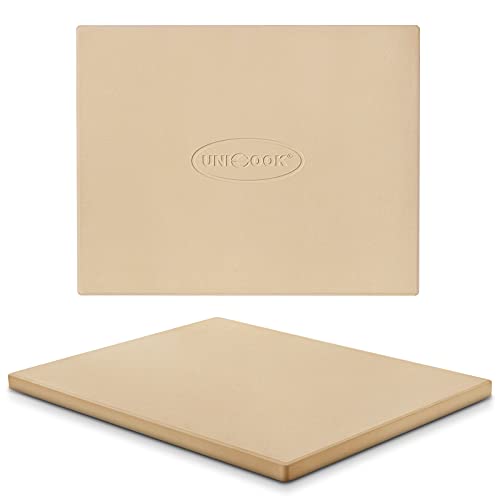
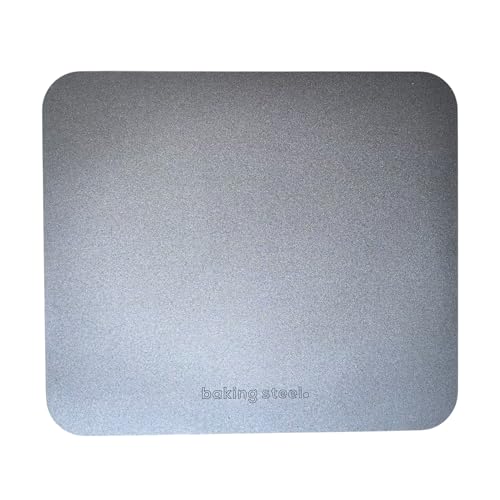


The short answer: yes, if you keep the weather off it
For most outdoor pizza ovens, the gas, wood, and multi-fuel models that make up the bulk of the category, the answer is yes, you can leave it outside, and a great many owners do exactly that for years without trouble. These ovens are built from weather-tolerant materials (stainless and powder-coated steel, refractory stone) and they are designed to sit on a patio through the seasons. What they are not designed to do is sit out unprotected, soaking up every rainstorm and snowfall. The difference between an oven that lasts a decade and one that rusts and cracks in two seasons is almost entirely about whether you keep the weather off it.
The reason is simple: the threat is moisture, not temperature. A cold night does nothing to a properly stored oven. A hot afternoon does nothing. But standing water and trapped damp do three bad things, they rust the metal, they soak the cooking stone (which can then crack when heated), and they creep into any electronics or gas fittings. So the real question isn't "can it survive being outside," it's "can I keep it dry while it's outside," and the answer to that is yes, with a cover and a few habits.
The cover is non-negotiable
If you take one thing from this guide, take this: a fitted, weatherproof cover is the single most important piece of protection an outdoor oven can have, and it is the cheapest insurance you will ever buy for a several-hundred-dollar appliance. A good cover keeps rain and snow off the shell and out of the burner area, blocks the UV that fades and degrades materials over years of sun, and stops leaves and debris from collecting in and around the oven. It turns "leaving it outside" from a gamble into a routine.
What makes a cover work is fit and material. You want one cut for your specific oven (or close to it) so it doesn't billow off in wind, made from genuinely waterproof fabric with a snug closure, and ideally vented a little so condensation doesn't get trapped underneath. A loose tarp is better than nothing in a pinch but tends to pool water and flap loose; a proper fitted cover is worth the small premium. If you already know your oven, the fitted ones we point owners to are the Ooni large cover, the Gozney Arc cover, and the Solo Stove Pi cover. We walk through what to look for, and the specific covers worth buying, in our best pizza oven covers guide.
Protect the stone, moisture is what cracks it
The cooking stone is where outdoor neglect does its quietest, most expensive damage, and it ties straight back to whether your oven can do its job at all. Pizza-oven stones are usually cordierite, a refractory ceramic that is porous, it drinks up water. If the stone gets damp from rain or trapped condensation and you then fire the oven for a full preheat, that absorbed moisture flashes to steam inside the stone and the pressure can crack it. This is the most common weather failure we hear about, and it's almost always avoidable.
The fix is to keep the stone dry, and to be patient on the rare occasion it isn't. A covered oven with a cooled, dry stone is fine to fire normally. But if the stone got damp, you forgot the cover, a storm blew rain under it, the patio flooded, don't go straight to a screaming preheat. Run a low, slow "dry-out" fire first: bring the oven up gently and hold it modest for a stretch so the moisture leaves the stone as vapor rather than as a crack, then ramp to full temperature. Your manual will give specifics; the principle is heat it slowly when it's wet.
Rust and materials, wipe it down, protect the burner
The metal parts of an outdoor oven are weather-tolerant, not weather-proof, and a little care keeps them honest. Stainless steel resists rust but doesn't ignore it, salt air, standing water, and trapped grime will eventually leave spots. The habit that prevents it is boring and effective: after a cook and once cooled, give the stainless a quick wipe to clear food residue and moisture, and do it again if the oven's been sitting and looks dusty or damp. Clean, dry metal under a cover essentially doesn't rust. We cover the routine in how to clean a pizza oven.
The parts that need extra attention are the working ones: the burner, the regulator, and the gas connections on a gas oven. These should be kept clean, dry, and protected from weather, a cover that extends over the burner area does most of this for you. Inspect the gas hose and connections periodically for cracking or wear, the way you'd check any propane appliance. And on any oven with removable electronic parts, a digital controller, a powered rotating-stone motor, a battery igniter module, bring those specific components inside if they're designed to detach, rather than leaving the electronics out in the damp.
Winter and long storage, dry it, shelter it, and store propane safely
Off-season storage is where a little extra effort pays off most, because the oven may sit untouched for months. The order of operations is straightforward. First, fully dry the oven, run a short fire if needed to drive off any moisture in the stone and chamber, then let it cool completely. A damp oven sealed up for the winter is how you get a cracked stone come spring. Second, cover it with the fitted weatherproof cover. Third, and best of all if you can manage it, move it into a shed or garage, a covered oven outdoors is fine, but a dry oven indoors is better, and it sidesteps months of snow load and freeze-thaw entirely.
Two safety musts for the cold months. Bring removable electronic parts inside, controllers, motors, and igniter modules don't enjoy a winter outdoors, and storing them dry and warm extends their life. And the big one: disconnect the propane tank and store it OUTSIDE, in a well-ventilated outdoor spot, never in a garage, shed, or anywhere indoors. This is a firm propane-safety rule, not a preference, tanks can leak, and leaked propane pools and is a serious hazard in an enclosed space. Disconnect the tank, cap it, and keep it outdoors and upright; the oven can go in the shed, but the gas stays out.
Your quick outdoor-storage checklist
Boil the whole guide down to six habits and you'll never have to think about it again:
1. Cover it. A fitted weatherproof cover is the non-negotiable, rain, snow, and UV off the oven, every time, once it's cooled. 2. Keep the stone dry. Moisture in a cordierite stone cracks it on the next firing; if it does get damp, run a low dry-out fire before a full preheat. 3. Bring electrics in. Electric ovens and any removable electronic parts come indoors or into a fully dry, sheltered spot. 4. Store propane safely. Disconnect the tank and keep it outside in the open air, never in a garage, shed, or indoors.
5. Shelter from standing water. Don't let the oven sit where the patio pools or where runoff collects; raise it or relocate it so it isn't parked in a puddle. 6. Wipe it down. Clear food residue and moisture from the stainless after cooks, and keep the burner and gas fittings clean and dry. Do these six things and an outdoor oven stays an outdoor oven for years, hitting full temperature every time, because the stone stayed dry and intact. If you're still shopping and want a model that's easy to live with outside, start at our best pizza ovens guide.
Ready to buy? Start with our top picks
Whatever this guide steered you toward, here's where most readers land, ranked on stated floor heat. Live price check on each.
- Check price on Amazon
- Check price on Amazon
- Check price on Amazon
- Check price on Amazon
- Check price on Amazon
- Check price on Amazon
As an Amazon Associate we earn from qualifying purchases, at no cost to you.
Key terms
- Cordierite stone
- The porous refractory ceramic most pizza-oven cooking floors are made from. It absorbs water, which is why a damp stone can crack when fired, the trapped moisture flashes to steam under heat. Keeping it dry is the core of outdoor storage.
- Weatherproof cover
- A fitted, waterproof cover cut for your oven that blocks rain, snow, and UV. It is the single most important piece of outdoor protection, the cheapest insurance against rust, a cracked stone, and water damage, and the closest thing to non-negotiable for any oven left outside.
- Dry-out fire
- A low, slow fire run before a full preheat when the cooking stone has gotten damp. Bringing the oven up gently lets absorbed moisture leave the stone as vapor rather than cracking it, after which you can safely ramp to the full ~900F floor.
- Peak floor temperature
- The temperature of the cooking stone, which sets the crust, around 900F in a real pizza oven. A damp or cracked stone won't reach or hold it, which is why protecting the stone from moisture protects the one capability you bought the oven for.
- Propane storage rule
- The firm safety practice of disconnecting the propane tank for storage and keeping it outdoors in a well-ventilated spot, never in a garage, shed, or indoors. Leaked propane pools and is a serious hazard in enclosed spaces, so the gas stays out even when the oven goes in.
- Electric-oven exception
- Electric pizza ovens (Ooni Volt 2, Breville Pizzaiolo, Ninja, Cuisinart) are not weatherproof, their electronics and power connections must come indoors or into a fully dry, sheltered spot. The leave-it-outside guidance applies only to gas, wood, and multi-fuel ovens.
Questions, answered
Can you leave a pizza oven outside year-round?
For most gas, wood, and multi-fuel outdoor ovens, yes, they're built to live outside and many owners keep them out for years. The one condition is that you keep the weather off them: a fitted weatherproof cover, a dry cooking stone, and protected gas fittings. Temperature isn't the threat; moisture is. Cold and heat don't hurt a properly stored oven, but standing rain and trapped damp cause rust, a cracked stone, and water in the working parts. The exceptions are electric ovens (Volt 2, Breville, Ninja, Cuisinart), which are not weatherproof and should come indoors.
Will rain ruin a pizza oven left outside?
Not if it's covered and you let the stone dry before firing. Rain itself doesn't instantly ruin a gas or multi-fuel oven, but repeated soaking does real damage over time: it rusts the steel and burner, and it soaks the porous cordierite cooking stone. The danger with a wet stone is that firing it for a full preheat can flash the trapped moisture to steam and crack it, and a cracked stone won't reach or hold the ~900F floor that makes real pizza. So keep a fitted cover on it, and if the stone does get wet, run a low, slow dry-out fire before ramping to full heat.
Do I really need a cover for my pizza oven?
If you're leaving it outside, yes, a fitted weatherproof cover is the closest thing to non-negotiable in outdoor pizza-oven care. It keeps rain and snow off the shell and out of the burner, blocks UV that degrades materials over years, and stops debris from collecting in the oven. It's the cheapest insurance you can buy for a several-hundred-dollar appliance, and it's what turns leaving an oven outside from a gamble into a routine. Just let the oven cool fully before covering it, so you don't trap heat and condensation underneath. Our covers guide walks through which ones are worth buying.
Can I leave an electric pizza oven outside?
No, electric pizza ovens are the exception to the leave-it-outside rule. Models like the Ooni Volt 2, the Breville Smart Oven Pizzaiolo, the Ninja, and the Cuisinart indoor unit carry electronics and power connections that don't belong out in the weather. Bring them indoors or keep them in a fully dry, sheltered spot between uses. The same goes for any removable electronic part on an otherwise weatherproof oven, a digital controller, a rotating-stone motor, or a battery igniter module: if it detaches, store it dry and indoors. Only gas, wood, and multi-fuel ovens are built to stay outside.
How do I store a pizza oven for winter?
In order: dry it, shelter it, and store the propane safely. First, fully dry the oven, run a short fire if needed to drive moisture out of the stone, then cool it completely, because a damp oven sealed for months can crack its stone by spring. Second, cover it with a fitted weatherproof cover, or better, wheel it into a shed or garage so it skips snow load and freeze-thaw entirely. Third, bring removable electronic parts indoors. And the big safety must: disconnect the propane tank and store it OUTSIDE in a ventilated spot, never in a garage, shed, or indoors. The oven can go in the shed; the gas stays out.
Where should I store a propane tank for my pizza oven?
Outdoors, in a well-ventilated spot, standing upright, and never in a garage, shed, basement, or anywhere indoors. This is a firm propane-safety rule, not a preference: tanks can leak, and leaked propane is heavier than air, so it pools and becomes a serious fire hazard in an enclosed space. For storage, disconnect the tank from the oven, cap the valve, and keep it outside away from heat sources and out of direct sun. The oven itself can be covered outside or moved into a shed for winter, but the gas tank stays separate and outdoors regardless.
Keep reading.
The Best Pizza Oven Covers (2026)
The non-negotiable accessory, examined, what makes a cover actually waterproof, and the fitted covers worth buying for an oven that lives outside.
How Long Do Pizza Ovens Last?
Storage is the biggest lever on lifespan, how a dry stone and a covered shell turn a few-hundred-dollar oven into a decade-long one.
Where to Put a Pizza Oven
Placement is half of weather-proofing, clearances, shelter from standing water, and the smart spots that keep an outdoor oven dry.
Ooni vs Gozney: Which Brand Wins?
The two giants head to head, same ~950°F ceiling, very different philosophies, one clear way to choose.
Ooni Fyra 12 Review
Ooni's lightest wood-pellet oven reviewed, real live-fire flavor at $349, and what to cross-shop.