Our pick. Ooni
Check price on Amazon →How Long Do Pizza Ovens Last? (2026): A Durability Reality Check
A well-built portable pizza oven, steel body, ceramic-fiber insulation, cordierite stone, can easily last a decade or more, because the core is dead simple: a shell, a stone, and a burner or fire chamber, with almost nothing to break. The honest catch is that a few parts genuinely wear, and one of them (the baking stone) is the part most people crack themselves. Here's what actually fails, what's a cheap replaceable part, how care changes the math, and why a gas oven tends to outlive an electric one.
By The Pizza Oven Review DeskUpdated 2026-06-29~11 min readRanked on verified floor heatHow we research
We earn a commission on purchases through our links, at no cost to you. It never decides a ranking. How this works
"How long will it last?" is the question a cautious buyer asks right before spending real money, and it's the one most pizza-oven marketing skips. So here's the honest version. A quality portable pizza oven is one of the more durable things you can buy in the outdoor-cooking aisle, precisely because it's not a complicated appliance. Strip away the branding and a gas oven is a steel shell, a layer of ceramic-fiber insulation, a cordierite baking stone, and a burner with a regulator and igniter. There's no compressor, no pump, no chip doing anything clever. Few moving parts means few things to fail, and that's why a well-cared-for oven often runs a decade or more.
But "durable" doesn't mean "indestructible," and we'd rather you know exactly where the wear lives. The single most common casualty is the baking stone, the cordierite slab that holds your peak floor temperature, and it usually cracks because of something the owner did, not a defect. Beyond the stone, gas burners and igniters can clog or wear, regulators age, paint and exterior steel can rust if the oven sits out uncovered, and electric ovens carry electronics that simply give a unit more ways to die than a no-frills gas burner has. None of these are doom; most are cheap, replaceable parts. The point of this guide is to tell you which is which.
We use our usual lens, peak floor temperature, the 60-Second-Pizza Club, heat recovery, because durability and performance are the same conversation: the stone is the part that holds the floor heat that makes the pizza, so protecting it is protecting the whole point of the oven. Nothing here is sponsored. Some links to ovens and accessories on Amazon may earn us a small commission at no extra cost to you, and that never moves a verdict or changes what we tell you fails. We'd rather you keep an oven running for ten years than churn through three.
The short version.
- A well-built portable pizza oven, steel body, ceramic-fiber insulation, cordierite stone, gas burner or fire chamber, commonly lasts a decade or more, because the core is simple and has almost no moving parts to fail.
- The baking stone is the #1 wear item: cordierite cracks from thermal shock (cold dough, water, or snow on a screaming-hot stone) or just ages. The good news is it's usually a cheap, replaceable part, not the end of the oven.
- Gas burners, igniters, and regulators can clog or wear, and exterior steel and paint can rust or discolor if the oven lives outside uncovered, all manageable, most of it replaceable or preventable with a cover.
- Electric ovens have heating elements and control electronics that give them more ways to fail than a dead-simple gas burner, which sets a practical ceiling on their lifespan; a gas oven is the more durable long-haul bet.
- Care is the whole game: a weatherproof cover, dry storage (bring electric units indoors), brushing rather than soaking the stone, and never thermal-shocking it are what turn a good oven into a ten-year oven. Check the manufacturer's warranty before you buy, coverage varies a lot by brand.
Our top-rated pizza ovens
Whatever you decide, these are the ovens we recommend, ranked on stated floor heat. Live price check on each.
- Check price on Amazon

- Check price on Amazon

- Check price on Amazon

- Check price on Amazon

- Check price on Amazon

- Check price on Amazon

As an Amazon Associate we earn from qualifying purchases, at no cost to you.
What you'll need.
Prices approximate at time of writing.
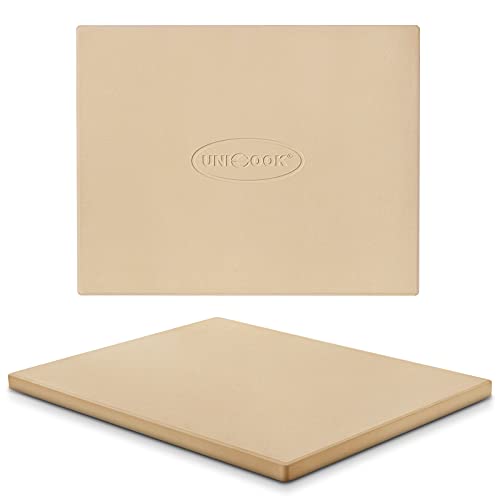
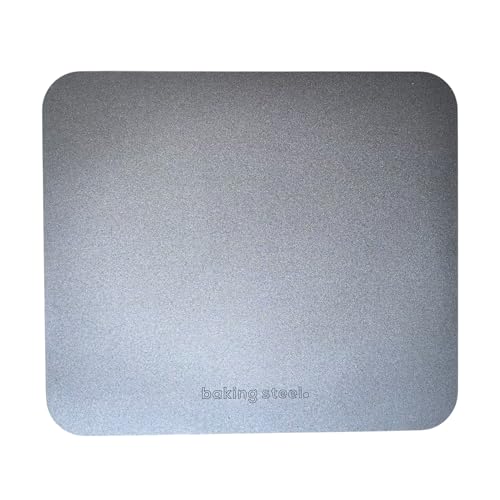
The five tools that do the work in every method on this site: a slab that stores heat, something to launch with, a way to read the surface, and a clean cut.


Why a pizza oven is built to last in the first place
Start with the reassuring part, because it's true: a portable pizza oven is a fundamentally simple machine, and simple machines last. A gas model is essentially a steel box lined with ceramic-fiber insulation, with a cordierite baking stone on the floor and a burner fed by a regulator and lit by an igniter. A wood or multi-fuel model swaps the burner for a fire chamber. Either way, there's no compressor, no motor on most units, no circuit board running the show. The list of things that can break is short by design.
Compare that to almost anything else in your kitchen or backyard, a refrigerator, a dishwasher, a smart grill, and the difference is obvious. Those fail because a pump dies or a board fries or a seal goes. A pizza oven has none of those. The steel shell will outlast you; the insulation, kept dry, holds up for years; and the burner is about as basic as gas plumbing gets. This is why a well-treated oven routinely runs ten years or more, and why the few parts that do wear are nearly all cheap and swappable rather than terminal.
The baking stone: the part most likely to need replacing
If anything on your oven needs replacing in its lifetime, it's almost certainly the stone. The cordierite baking stone is the slab that stores and radiates your peak floor temperature, the 850 to 950°F floor that puts the leopard spots on a Neapolitan crust, and it lives the hardest life of any component, cycling from room temperature to nearly a thousand degrees and back, over and over. Two things end a stone: thermal shock and ordinary age.
Thermal shock is the big one, and it's almost always self-inflicted. Drop a frozen or very cold ball of dough onto a screaming-hot stone, splash water on it to "clean" it mid-bake, or leave it exposed when rain or snow hits a hot surface, and the sudden temperature swing can crack it. Age does the rest: after enough heat cycles, even a perfectly treated stone can develop hairline cracks or lose its flatness. Here's the part to internalize, though, a cracked stone is usually not a broken oven. A hairline crack often keeps baking just fine, and when one truly fails, the fix is a replacement stone, which is typically one of the cheapest parts in the whole category and a five-minute swap.
Burners, igniters, regulators, and the exterior
After the stone, the next things that wear are the gas hardware and the outside of the oven, and again, almost all of it is preventable or replaceable. On the gas side, three small parts can act up over the years: the burner can clog with grease, dust, or the occasional insect nest if the oven sits idle; the igniter (the push-button spark) can stop sparking; and the regulator that meters propane from the tank can wear or stick. None of these is a mystery to fix. A clogged burner usually just needs cleaning; igniters and regulators are standard, inexpensive replacement parts that most brands sell directly. A gas oven that won't light is far more often a $20 part than a dead oven.
The exterior is the other slow story. A pizza oven is a hot steel object living outdoors, so over time the paint or powder-coat finish can discolor near the mouth and chimney where heat is highest, and bare or chipped steel can rust if it's repeatedly rained on and never dried. This is cosmetic before it's structural, a little discoloration doesn't hurt how the oven cooks, but left unchecked, persistent moisture is the one thing that can genuinely shorten a shell's life. The fix is almost entirely about keeping water off it, which is the cheapest insurance in this whole guide.
Gas vs. electric: why simpler usually lasts longer
Fuel type quietly sets the durability ceiling, and it's worth understanding before you buy. A gas oven is the simplest thing in the category: a burner, a regulator, an igniter, and steel. There's effectively nothing electronic to fail, which is exactly why these ovens tend to be the long-haul champions, barring abuse, the parts that wear are all cheap and swappable, and the oven itself can run for a decade-plus. A wood or multi-fuel oven is similarly simple, just with a fire chamber instead of a burner; the main durability note there is keeping ash and moisture managed.
An electric oven is a different proposition. It earns real advantages, it can run indoors, and models in our dataset reach genuine pizza heat (the Ooni Volt 2 lists 850°F; the Breville Smart Oven Pizzaiolo, 750°F), but it does so with heating elements and control electronics, and every added component is one more thing that can eventually fail. Elements degrade, control boards and displays can die, and unlike a $20 igniter, a failed board can be a meaningful fraction of the oven's price. That doesn't make electric ovens disposable, a good one treated well lasts many years, but it does mean a dead-simple gas oven has fewer ways to die, and that's the honest reason gas tends to win the longevity contest.
The care routine that buys you years
Almost everything that shortens a pizza oven's life is preventable, and the routine is short. Cover it. A weatherproof cover, something like the Ooni large weatherproof cover, is the single highest-leverage thing you can buy, it keeps rain off the steel, moisture out of the insulation, and debris out of the burner, and it prevents the rust, finish damage, and clogging that otherwise account for most exterior wear. Store electric units indoors entirely; their electronics and moisture are a bad pairing, and bringing them in (or keeping them in) is the easiest lifespan win they have.
Respect the stone. Don't thermal-shock it: room-temperature-ish dough, no water on a hot surface, no cold launches onto a glowing floor. Clean it by burning off residue at high heat and brushing it once cool, never by soaking, which floods cordierite with water that then flashes to steam on the next firing and can crack it. Dry it out after rain. If weather beats the cover, fire the oven briefly to drive moisture out of the insulation and stone before storing it, and wipe down any standing water on the shell. And follow the manual, each brand has specific guidance on regulator connections, break-in firing, and storage that's there to keep the oven alive.
Ready to buy? Start with our top picks
Whatever this guide steered you toward, here's where most readers land, ranked on stated floor heat. Live price check on each.
- Check price on Amazon
- Check price on Amazon
- Check price on Amazon
- Check price on Amazon
- Check price on Amazon
- Check price on Amazon
As an Amazon Associate we earn from qualifying purchases, at no cost to you.
Key terms
- Cordierite baking stone
- The mineral slab on the oven floor that stores and radiates your peak floor temperature. It's the most-replaced part in the category, it can crack from thermal shock or age, but it's usually one of the cheapest components and a quick swap, so a cracked stone is rarely a dead oven.
- Thermal shock
- A sudden, extreme temperature swing across the stone, cold dough, splashed water, or rain hitting a near-1,000°F surface, that can crack cordierite. It's the leading, and almost always preventable, cause of stone failure, which is why room-temperature dough and no-water cleaning matter so much.
- Ceramic-fiber insulation
- The lightweight insulating layer that lets a thin steel oven hit and hold extreme heat. Kept dry it lasts for years; its main enemy is trapped moisture, which is why covering the oven and dry-firing it after rain protects lifespan as much as it protects heat recovery.
- Regulator and igniter
- The small gas-hardware parts that meter propane and spark the burner. Both can wear or clog over years of use, but both are standard, inexpensive replacement parts most brands sell directly, a gas oven that won't light is far more often a cheap part than a failed oven.
- Electronics ceiling
- The practical lifespan limit that heating elements and control boards impose on an electric oven. A dead-simple gas burner has fewer ways to fail than an electric unit's elements and electronics, which is the honest reason gas ovens tend to be the longer-lasting long-haul choice.
- Manufacturer's warranty
- The brand's own stated coverage for a specific oven, and the only reliable source for what's actually protected, since terms vary widely by brand and model. Always read it before buying; a longer warranty also signals how much faith a maker has in its build.
Questions, answered
How long does a pizza oven typically last?
A well-built portable pizza oven commonly lasts a decade or more with basic care. The reason is simplicity: a gas oven is essentially a steel shell, ceramic-fiber insulation, a cordierite stone, and a burner with a regulator and igniter, there's no compressor, pump, or complex electronics to fail, so there's very little that can break. The shell and burner rarely die; what wears over the years is a short list of cheap, replaceable parts, chiefly the baking stone. Cover it, keep it dry, and respect the stone, and a quality oven will outlast most of what else is in your backyard.
What part of a pizza oven is most likely to break?
The cordierite baking stone, by a wide margin. It's the slab that holds your peak floor temperature, and it cycles from room temperature to nearly 1,000°F constantly, so it's the hardest-working component. Most stones crack from thermal shock, cold dough or water hitting a screaming-hot surface, or simply from age after many heat cycles. The good news is that a cracked stone is usually not a broken oven: a hairline crack often keeps baking fine, and a true replacement is typically one of the cheapest parts in the category and a five-minute swap. Treat it gently and it lasts years; treat it as a consumable and a crack is a minor expense, not a disaster.
Do gas or electric pizza ovens last longer?
Gas ovens generally last longer, because they're simpler. A gas oven has a burner, a regulator, and an igniter, and effectively nothing electronic to fail, so the parts that wear are all cheap and replaceable. An electric oven adds heating elements and control electronics, and every added component is one more thing that can eventually fail; a dead control board can also cost a real fraction of the oven's price, unlike a $20 igniter. Electric ovens earn their place by running indoors and still reaching pizza heat, and a good one treated well lasts many years, but their electronics set a practical ceiling that a no-frills gas burner doesn't have.
How do I make my pizza oven last as long as possible?
Cover it, keep it dry, and protect the stone. A weatherproof cover is the single highest-leverage step, it keeps rain off the steel, moisture out of the insulation, and debris out of the burner, preventing most rust, finish damage, and clogging. Store electric units indoors entirely. Don't thermal-shock the stone: let dough warm toward room temperature, never pour water on a hot surface, and clean by burning off residue and brushing rather than soaking. If weather beats the cover, briefly fire the oven to drive out moisture before storing it. And follow the manual for your specific model. That short routine is the difference between an oven that limps along and one that runs the decade-plus it's built for.
What warranty do pizza ovens come with?
It varies a lot by brand and even by model, so the honest answer is to check the manufacturer's stated warranty for the specific oven before you buy, that document, not a general estimate, is what actually covers you. We won't invent year-counts here because they genuinely differ across makers. A couple of practical tips: read what's covered (some warranties treat the stone as a consumable that isn't covered like the shell is), and treat a longer warranty as a useful signal of how much confidence a brand has in its own build quality.
Do pizza ovens hold their resale value?
Good ones do. Because the well-known ovens are simple, durable, and in steady demand, a clean used unit from a respected brand tends to resell well. That's a quiet benefit of buying quality: even if your needs change, a well-built oven is more an asset you can recover money from than a sunk cost. Premium masonry-style ovens like the Alfa Moderno or Gozney Dome are built as near-permanent fixtures and hold up as long-term outdoor-kitchen equipment, while portable gas ovens from respected brands move easily on the used market thanks to their simplicity and reputation.
Keep reading.
Are Pizza Ovens Worth It? (2026)
The full cost/benefit before you commit, who a dedicated oven is genuinely worth it for, and who should buy a $100 steel instead.
How to Clean a Pizza Oven
The burn-off-and-brush method that protects the stone and insulation, the single biggest lever on how long your oven lasts.
The Best Pizza Oven Covers
The cheapest longevity insurance there is, keeping rain off the steel, moisture out of the insulation, and debris out of the burner.
Ooni vs Gozney: Which Brand Wins?
The two giants head to head, same ~950°F ceiling, very different philosophies, one clear way to choose.
Ooni Fyra 12 Review
Ooni's lightest wood-pellet oven reviewed, real live-fire flavor at $349, and what to cross-shop.