Our pick. Ooni
Check price on Amazon →Pizza Oven vs. Grill (2026): Can't I Just Use My Grill?
Short, honest answer: yes, your grill makes good pizza, especially with a baking steel or a grill-top pizza attachment, and it's a great low-cost way to start if you already own one. But a dedicated pizza oven makes BETTER pizza, because it pairs a ~900°F stone underneath with an enclosed chamber that blasts heat down across the top of the pie. A grill heats from below and fights to char the top before the bottom burns. Here's where each one wins, and how to decide without overspending.
By The Pizza Oven Review DeskUpdated 2026-06-29~11 min readRanked on verified floor heatHow we research
We earn a commission on purchases through our links, at no cost to you. It never decides a ranking. How this works
"Can't I just make pizza on my grill instead of buying a pizza oven?" is one of the most sensible questions a home cook can ask, and most pizza-oven sites have a quiet incentive to wave it away. We don't, because if you already own a grill, telling you to start there is often the honest answer, and a site that pushes a $500 purchase on someone who'd be happy with a $90 steel doesn't get trusted twice. Nothing here is sponsored; if a link sends you to a product and you buy, we may earn a commission, but it never changes what we recommend or the order we recommend it in.
So let's be straight from the top. A grill makes good pizza. A gas or kettle grill with a baking steel inside, or with a dedicated grill-top pizza box, can reach genuinely useful temperatures and turn out very good New York-style pies, and it's the cheapest path to backyard pizza if a grill is already on your patio. What a grill does not do easily is the thing the whole pizza-oven category exists for: an enclosed, top-down blast of heat over a ~900°F stone that finishes the top and bottom of a Neapolitan pie together in 60 to 90 seconds.
This guide walks the real difference, why a grill heats from below and struggles to char the top before the bottom scorches, versus how a pizza oven's enclosed chamber solves that, then covers what a grill genuinely does well, where it falls short, and a clean cost-and-decision framework so you spend the right amount for the pizza you actually want. We use our standard lens throughout: peak floor temperature, the 60-Second-Pizza Club, heat recovery, and enclosed top-down heat, because those are exactly the capabilities the two tools share or don't.
The short version.
- A grill makes GOOD pizza; a dedicated pizza oven makes BETTER pizza. The difference is floor heat plus an enclosed, top-down chamber, a grill heats from below, so the top of the pie lags the bottom.
- If you already own a grill, the cheapest smart start is a baking steel inside it or a grill-top pizza box, useful temps and very good NY-style pizza for a fraction of an oven's price.
- The grill's core limit is physics: heat rises from below, the lid loses heat every time you lift it, and you can't reliably get a true 60-second Neapolitan leopard char.
- A pizza oven's enclosed chamber blasts heat across the TOP while a ~900°F stone cooks the bottom, so both finish together, that's the signature spine and the 60-Second-Pizza Club.
- Decision: already own a grill and make pizza occasionally → add a steel or a grill-top box; want true Neapolitan or frequent pizza nights → buy a dedicated oven. Both answers are honest.
Our top-rated pizza ovens
Whatever you decide, these are the ovens we recommend, ranked on stated floor heat. Live price check on each.
- Check price on Amazon

- Check price on Amazon

- Check price on Amazon

- Check price on Amazon

- Check price on Amazon

- Check price on Amazon

As an Amazon Associate we earn from qualifying purchases, at no cost to you.
What you'll need.
Prices approximate at time of writing.
The five tools that do the work in every method on this site: a slab that stores heat, something to launch with, a way to read the surface, and a clean cut.
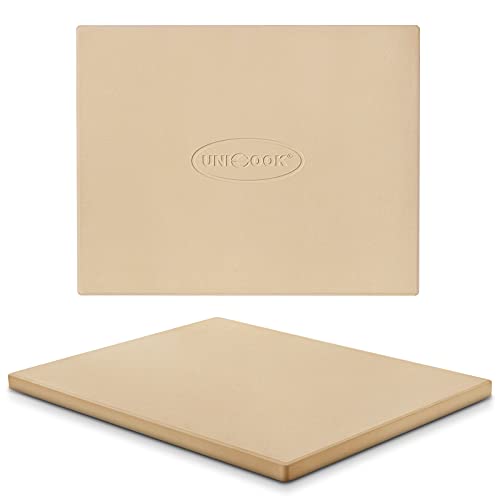
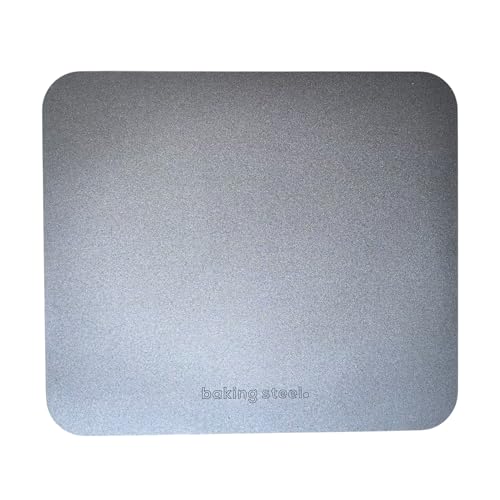


The honest short answer
Yes, you can make good pizza on a grill, and if you already own one it's a genuinely smart place to start. A gas or kettle grill is a hot, enclosed-ish box, and with the right addition it can do real pizza work. Drop a preheated baking steel onto the grates, or use a dedicated grill-top pizza box that sits over the burners and adds a heat-trapping hood with a stone, and you've turned a tool you already own into a credible pizza maker. For New York-style pizza in particular, that setup is more than good enough, and it costs a fraction of a dedicated oven.
But "good" and "better" are different words on purpose. A dedicated pizza oven makes better pizza for one structural reason: it combines a screaming-hot floor with an enclosed chamber that pushes heat down across the top of the pie. The verified gas ovens we track hit peak floor temperatures around 930–950°F, the Ooni Koda 16 and Gozney Roccbox both reach roughly 950°F, and they trap that heat over the dough so the top and bottom cook in lockstep. A grill, by design, heats mostly from below. That single difference is the whole story, and the rest of this guide unpacks it honestly in both directions.
The core difference: where the heat comes from
Strip away the marketing and the entire grill-vs-oven question comes down to where the heat hits the pizza. A grill is fundamentally a bottom-up cooker: burners or coals sit beneath the grates, heat rises, and the lid traps some of it overhead. That's perfect for a steak, where you want a fierce sear from below. But a pizza needs both faces cooked at once, a crisp, leoparded bottom and a blistered, bubbling top, and on a grill the bottom is always getting more direct heat than the top. Push the grill hot enough to char the top and the bottom tends to scorch first; keep the bottom safe and the top finishes pale and soft.
A dedicated pizza oven is built to solve exactly this. Its low, enclosed chamber puts a flame or element across the top of the cooking space while the pizza sits on a stone floor heated to roughly 900°F, the ovens in our verified set cluster around 930–950°F on gas, with the electric Ooni Volt 2 holding about 850°F. The result is a top-down blast of radiant and convective heat working with the floor, not against it. Top and bottom finish together in 60 to 90 seconds, which is the signature spine of a real Neapolitan bake and the reason the category exists.
What a grill CAN do well
It would be dishonest to undersell the grill, because it does real work. A gas grill or a kettle grill, run hot with the lid down and a preheated baking steel on the grates, gives the pizza an aggressive conductive floor, a steel pulls heat into the dough far faster than a stone, and the closed lid recirculates enough heat to bake a very respectable top. For New York-style pizza, which is happiest in the 600–750°F range rather than at Neapolitan extremes, this is genuinely a strong setup. Crisp bottom, structured chew, foldable slice: a grill and a steel deliver it.
The other strong grill path is a dedicated grill-top pizza box, a hooded insert with its own stone that sits over your burners and concentrates heat into a low pizza chamber. These units add the one thing a bare grill lacks (a tight, heat-trapping space close to the pie) and can push noticeably hotter than the grill alone, narrowing the gap with an entry pizza oven. The headline advantage of either approach is cost: if the grill is already on your patio, you're adding a steel or a box rather than buying a whole appliance, which makes it the cheapest legitimate route into backyard pizza. We round up the grill-top units in best grill pizza oven attachments.
Where the grill falls short
For all that, the grill hits a ceiling, and being honest means naming it. The first limit is uneven top-and-bottom cooking. Because the heat comes from below, the bottom of the pizza races ahead of the top; you end up rotating, lifting, and sometimes finishing under a broiler to even things out. The second is heat loss from lifting the lid. Every check dumps the trapped overhead heat you were relying on to bake the top, so the temperature sags right when the pizza needs it most, and a grill's recovery between pies is slower and less predictable than a purpose-built oven's.
The third, and the one that matters most for purists, is the missing 60-second leopard char. A grill, even a hot one with a steel, generally can't deliver the true Neapolitan bake, a 900°F floor with an enclosed top-down blast that puffs and chars the cornicione in about a minute. (Grill temperatures vary widely by model, fuel, and how hard you push the lid-down setup, so we won't quote a single number as if it were universal, but the structural ceiling is real.) Finally, temperature control is fiddlier: you're juggling burner zones and a leaky lid rather than dialing a chamber built for one job. None of this makes the grill bad, it makes it a generalist asked to do a specialist's task.
Cost and the decision: which one is right for you
Here's the clean framework. If you already own a grill and make pizza occasionally, do not buy a dedicated oven yet. Add a baking steel for $50–100, or step up to a grill-top pizza box, and you'll make very good New York-style pizza on the equipment you have. It's the cheapest legitimate path, it stores in a cupboard or alongside the grill, and it lets you find out how much you actually love making pizza before spending more. For a lot of people, this is the whole answer, and we'd genuinely rather you take it than over-buy.
If, on the other hand, you want true Neapolitan pizza or you see frequent pizza nights in your future, a dedicated oven is the right call, and the difference is not subtle. The verified ovens we track reach roughly 930–950°F on gas (the Ooni Koda 16 and Gozney Roccbox both around 950°F), join the 60-Second-Pizza Club, and recover fast enough to feed a crowd one blistering pie after another, which a grill simply can't match. The sweet spot sits around $400–700, where insulation, floor heat, and recovery actually live. Once you're there, the only question is which model, which our best pizza ovens guide answers.
Ready to buy? Start with our top picks
Whatever this guide steered you toward, here's where most readers land, ranked on stated floor heat. Live price check on each.
- Check price on Amazon
- Check price on Amazon
- Check price on Amazon
- Check price on Amazon
- Check price on Amazon
- Check price on Amazon
As an Amazon Associate we earn from qualifying purchases, at no cost to you.
Key terms
- Enclosed top-down heat
- The defining trait of a dedicated pizza oven: a low, closed chamber that drives heat down across the TOP of the pie while the stone cooks the bottom. It's the capability a grill structurally lacks, because a grill heats from below, which is why an oven cooks both faces together and a grill doesn't.
- Peak floor temperature
- The temperature of the cooking stone, which sets the crust. Dedicated ovens in our verified set reach roughly 930 to 950°F on gas; a grill with a baking steel runs hot but lower and more from below, the gap is exactly why the oven makes the better pizza.
- 60-Second-Pizza Club
- Our benchmark for ovens that cook a leopard-spotted Neapolitan pie in about 60 to 90 seconds and keep doing it. It needs floor heat plus enclosed top-down heat working together, the one thing a grill, even a good one with a steel, generally can't deliver.
- Grill-top pizza box
- A hooded insert with its own stone that sits over a grill's burners, concentrating heat into a low pizza chamber. It adds the heat-trapping top a bare grill lacks, pushes hotter than the grill alone, and is the cheapest credible route into backyard pizza for someone who already owns a grill.
- Baking steel
- A $50 to 100 steel slab that, preheated on grill grates or in a home oven, gives the pizza an aggressively conductive floor. It makes excellent New York, Roman, and pan pizza, every style that bakes at or below ~700°F, and it's the smartest first upgrade for a grill owner.
- Heat recovery
- How fast the floor returns to temperature between pizzas. A dedicated oven recovers quickly and predictably; a grill sags every time you lift the lid and recovers slower, which is why a grill struggles to feed a crowd one fast pie after another.
Questions, answered
Can't I just make pizza on my grill instead of buying a pizza oven?
Yes, and if you already own a grill, it's a smart, cheap place to start. A gas or kettle grill run hot with the lid down and a preheated baking steel on the grates, or with a dedicated grill-top pizza box, makes very good New York-style pizza for a fraction of a dedicated oven's price. What the grill can't easily do is true Neapolitan: it heats mostly from below, so the bottom races ahead of the top, and it can't reliably deliver the 60-second leopard char that needs a ~900°F floor plus an enclosed, top-down chamber. So for occasional pizza on gear you own, the grill is the right answer; for Neapolitan or frequent pizza nights, a dedicated oven makes the clearly better pie.
What's the real difference between a grill and a pizza oven for pizza?
Where the heat comes from. A grill is a bottom-up cooker, burners or coals beneath the grates, heat rising, a lid trapping some overhead, so the bottom of the pizza always gets more heat than the top. A dedicated pizza oven puts a flame or element across the top of an enclosed chamber while the pizza sits on a stone heated to roughly 900°F (the gas ovens we track cluster around 930 to 950°F), so the top and bottom cook together in 60 to 90 seconds. That enclosed top-down heat over a screaming-hot floor is the signature of real Neapolitan pizza and the single thing a grill struggles to replicate.
Does a grill make good pizza with a baking steel?
Genuinely good, yes, especially for New York-style. A preheated baking steel pulls heat into the dough far faster than a stone, and with the grill lid down the closed space recirculates enough heat to bake a respectable top. New York-style pizza is happiest around 600 to 750°F rather than at Neapolitan extremes, so a hot grill plus a steel is a strong, legitimate setup for it. The steel is also the highest-value first upgrade in all of pizza if you already own a grill: under $100, stores in a cupboard, and works indoors in your home oven too.
Why can't a grill make true Neapolitan pizza?
Because Neapolitan pizza needs a ~900°F floor and an enclosed top-down blast of heat at the same time, and a grill provides neither cleanly. A grill heats from below, so pushing it hot enough to char the top tends to scorch the bottom first; and every time you lift the lid to check, you dump the overhead heat you were relying on. The result is uneven top-and-bottom cooking and no reliable 60-second leopard char. (Grill temperatures vary a lot by model and fuel, so there's no single number that applies to all of them, but the structural ceiling is real.) A dedicated oven is purpose-built to put ~900°F under the pie and a flame across the top, which is why it makes the Neapolitan bake a grill can't.
Should I buy a pizza oven or just upgrade my grill?
Decide by how often you'll make pizza and which style you want. If you already own a grill and make pizza occasionally, upgrade the grill: add a baking steel for $50 to 100 or a grill-top pizza box, make very good New York-style pizza, and keep your money. If you want true leopard-charred Neapolitan, or you see weekly pizza nights ahead, buy a dedicated oven, the gas ovens we track reach roughly 930 to 950°F, join the 60-Second-Pizza Club, and recover fast enough to feed a crowd, none of which a grill matches. The sweet spot is $400 to 700, where insulation, floor heat, and recovery actually live.
Is a grill-top pizza oven attachment worth it?
For the right buyer, yes. A grill-top pizza box adds the one thing a bare grill lacks, a low, heat-trapping chamber with its own stone close to the pie, and concentrates the burners' heat enough to push noticeably hotter than the grill alone, narrowing the gap with an entry-level oven. If you already own a solid grill and want to make better pizza without buying a whole new appliance, it's a sensible, lower-cost step. If you want the absolute best Neapolitan bake or you'll make pizza constantly, a dedicated oven is still the better long-run buy; we compare the grill-top units in our best grill pizza oven roundup.
Keep reading.
Best Grill Pizza Oven Attachments (2026)
The cheap upgrade path, grill-top boxes and steels that turn the grill you already own into a credible pizza maker.
Are Pizza Ovens Worth It? (2026)
The honest cost/benefit if you're weighing the upgrade from grill to a dedicated oven, who it's for and who it isn't.
The Best Pizza Ovens (2026)
If the decision says buy, start here, the full ranked field scored on floor heat, the 60-Second Club, and recovery.
Ooni vs Gozney: Which Brand Wins?
The two giants head to head, same ~950°F ceiling, very different philosophies, one clear way to choose.
Ooni Fyra 12 Review
Ooni's lightest wood-pellet oven reviewed, real live-fire flavor at $349, and what to cross-shop.