Our pick. Ooni
Check price on Amazon →What Can You Cook in a Pizza Oven? (Besides Pizza)
A pizza oven is, underneath the name, a screaming-hot live-fire convection oven that hits a floor most kitchens can only dream about. That same heat that blisters a 60-second Neapolitan also sears steak, chars vegetables, roasts a chicken, bakes bread, and finishes a skillet cookie. The trick isn't more heat, it's learning to cook DOWN from the peak, using each cooling zone for the food it suits. Here's the honest, technique-first guide to everything else a pizza oven does, and how to manage the heat to do it well.
By The Pizza Oven Review DeskUpdated 2026-06-29~12 min readRanked on verified floor heatHow we research
We earn a commission on purchases through our links, at no cost to you. It never decides a ranking. How this works
Most people buy a pizza oven for pizza and then discover, a few sessions in, that they've actually bought one of the most versatile cooking tools in the backyard. Strip away the name and what you own is a compact, intensely insulated oven that reaches an 850 to 950°F floor with live flame rolling across the top, a combination of radiant, conductive, and convective heat that a home oven, capped near 550°F, simply cannot reproduce. That same heat that makes the leopard-spotted crust also does extraordinary things to meat, vegetables, bread, and dessert. The pizza was just the gateway.
The single skill that unlocks all of it is the opposite of what beginners expect: it's learning to LOWER and MANAGE the heat, not crank it. A 900°F floor cooks a pizza in 60 seconds, but it would incinerate a steak's exterior before the inside warmed and turn a tray of vegetables to charcoal. The move is to cook DOWN from the peak, let the oven settle into the right zone for the food, turn the flame down or off, and especially exploit the long, generous cooling tail after your last pizza, when the residual heat is perfect for roasting, baking bread, and dessert. Manage the heat and a pizza oven feeds an entire meal, not just a first course.
A quick note on how we operate: nothing here is sponsored. Some links to ovens and accessories go to Amazon, and we may earn a small commission at no extra cost to you if you buy through them, but that never moves a recommendation or a verdict, and we'd send you to a $20 cast-iron pan over a pricey gadget without a second thought. We use our usual lens throughout, peak floor temperature, the 60-Second-Pizza Club, and heat recovery, because those same properties are exactly what make a pizza oven so good at everything below.
The short version.
- A pizza oven is a live-fire, ultra-high-heat convection oven, so it does far more than pizza: hard-seared steaks and chops, whole roast chicken, wings, fish, shrimp, blistered vegetables, fresh bread and flatbreads, roasted sides, and desserts.
- The key skill is managing the heat DOWN from the ~900°F peak, not adding more. Let the oven cool to the right zone for each food, or use the long residual-heat tail after your pizzas are done.
- A heat-zone cheat sheet runs the whole meal: ~900°F for pizza and fast searing, ~600 to 700°F for roasting proteins, and ~400 to 500°F on the cooling tail for bread, bakes, and desserts.
- A single cast-iron pan or skillet unlocks most non-pizza cooking, it lets you sear, roast, and bake inside the oven without losing food through the floor gaps or scorching it on bare stone.
- The residual-heat window is the secret weapon: instead of shutting the oven down after the last pizza, ride the cooling tail for naan, focaccia, a skillet cookie, or a cobbler, free cooking from heat you already paid for.
Our top-rated pizza ovens
Whatever you decide, these are the ovens we recommend, ranked on stated floor heat. Live price check on each.
- Check price on Amazon

- Check price on Amazon

- Check price on Amazon

- Check price on Amazon

- Check price on Amazon

- Check price on Amazon

As an Amazon Associate we earn from qualifying purchases, at no cost to you.
What you'll need.
Prices approximate at time of writing.
The five tools that do the work in every method on this site: a slab that stores heat, something to launch with, a way to read the surface, and a clean cut.
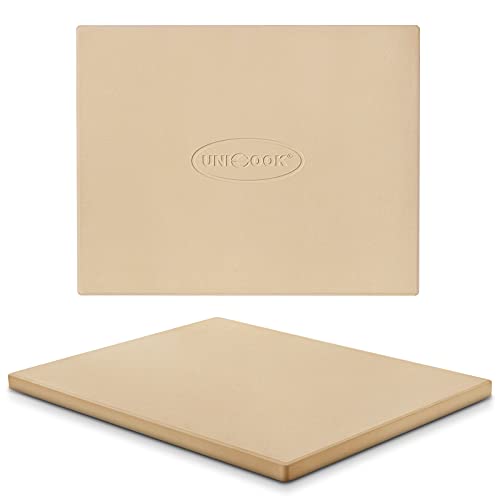
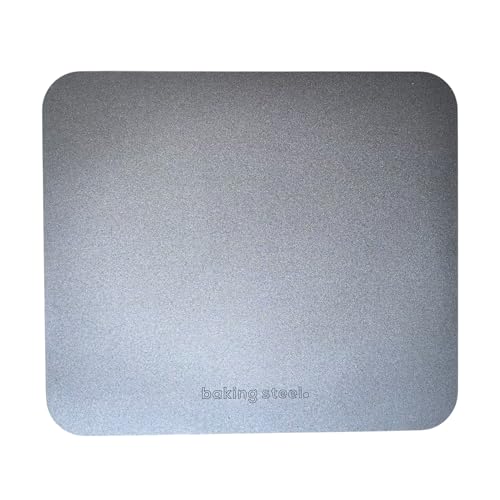


Why a pizza oven cooks far more than pizza
The name undersells the machine. A pizza oven is, mechanically, a small, heavily insulated chamber that combines three kinds of heat at once: radiant heat blasting down from a live flame or hot dome, conductive heat from a stone floor charged to extreme temperatures, and convective heat as hot air rolls through the chamber. That is the exact trio a professional kitchen pays a fortune to assemble, a salamander broiler, a flat-top, and a deck oven, except a pizza oven gives you all three in one box that reaches a floor your kitchen oven physically can't. The 850 to 950°F peak that earns membership in the 60-Second-Pizza Club is the headline, but the real story is everything that ferocious, controllable heat can do.
Here's the mental flip that changes how you use it: the goal with non-pizza food is almost never more heat, it's less, applied deliberately. Searing a steak wants a brief, brutal kiss of that peak heat; roasting a chicken wants a gentler, sustained zone; bread and dessert want the soft, even warmth of an oven on its way back down. So the skill you're really learning is heat management, turning the flame down, moving food toward or away from the fire, and above all riding the cooling tail after your pizzas. A pizza oven holds heat so well that long after the last pie, it's still a perfectly good roasting and baking oven. That residual heat is free cooking you already paid for.
Proteins: steaks, chicken, wings, fish and shrimp
This is where a pizza oven genuinely outperforms most home setups. For steaks and chops, the peak heat does something your kitchen broiler can only gesture at, a hard, fast crust with deep char in a fraction of the time, while the inside stays where you want it. The classic move is a screaming-hot cast-iron pan slid onto the stone: let it preheat in the oven, lay the steak in for a brutal sear, flip once, and pull it early, at 900°F things move fast, so watch it like a hawk rather than trusting any clock. A reverse approach also works: roast gently in a cooler zone, then blast the exterior at the end.
A whole roast chicken is a revelation in a pizza oven, but it belongs in the cooler 600 to 700°F window, not at the pizza peak, the convective heat crisps the skin beautifully while the bird cooks through, usually in a roasting pan or cast-iron skillet you rotate for even color. Wings render and crisp wonderfully in the same zone. Fish and shrimp are fast-cooking and forgiving of high heat, shrimp in a cast-iron pan with garlic and butter, or a whole fish on a tray, take only minutes, so the rule again is to watch it, it's fast rather than walk away. In every case the honest guidance is the same: use a thermometer for doneness, never a stopwatch, because oven temperature and food thickness swing the timing enormously.
Vegetables: blistered, charred and roasted
If you've only ever roasted vegetables at 425°F in your kitchen, a pizza oven will spoil you. The high heat and live flame produce the kind of blistering and char that restaurants chase, sweet, smoky, slightly caramelized edges with interiors that stay tender instead of drying out, because everything happens so quickly. Peppers blister and their skins loosen for easy peeling; asparagus chars at the tips while staying crisp; whole onions can be nestled near the fire until their outsides blacken and their insides turn jammy and sweet; cherry tomatoes burst and concentrate; broccoli and cauliflower throw off gorgeous browned edges.
The technique is simple: use a cast-iron pan or a sturdy metal tray so nothing falls through the floor gaps or sticks to bare stone, toss the vegetables in oil and salt, and slide them in. Position matters more than time, closer to the flame for aggressive char, toward the mouth of the oven for gentler roasting, and a quick toss or rotation halfway keeps the color even. This is forgiving cooking that doesn't demand the peak: vegetables are happy across a wide band, from the hot end down into the cooling tail, which makes them a perfect thing to throw in alongside or just after your proteins while the oven is still cruising.
Bread and flatbreads: naan, pita, focaccia and loaves
A pizza oven and bread are a natural match, because bread and pizza dough are cousins, and the oven that blisters a Neapolitan crust does wonderful things to other doughs. Flatbreads come alive at high heat: naan puffs and chars in a way a home oven struggles to match, pita balloons into its pocket almost instantly, and they cook in such a short time that you can turn out a whole stack in minutes near the pizza zone. These thrive on the same fast, fierce heat the oven was built for, so they slot in right alongside your pizza session.
Focaccia and fuller loaves, by contrast, want the cooler end, and this is where the cooling tail shines. As the oven drifts down into the 400 to 500°F range after your last pizza, it becomes a genuinely excellent bread oven: focaccia bakes up crisp-bottomed and golden in a pan, and with care you can even bake rustic loaves, using the oven's superb heat retention and a dab of steam to mimic a baker's deck. Thicker breads need that gentler, more even heat so the inside cooks through before the crust burns, which is exactly what the residual-heat window provides for free. We get specific about which ovens hold heat best for this in our best pizza oven for bread guide.
Sides and apps: potatoes, mac & cheese, nachos, dips
Once you accept the oven as a general live-fire oven, the side-dish possibilities open right up, and most of them ride along on heat you're already generating. Roasted potatoes are a standout: tossed in oil and slid in on a tray, they crisp hard on the outside and stay fluffy within, with a smoky edge a kitchen oven never gives them. Mac & cheese finished in a cast-iron skillet picks up a blistered, bubbling, browned top in minutes under the rolling flame. Nachos melt and crisp fast, watch them closely, because the line to burnt tortilla is short. And dips, a baked brie, a bubbling spinach-artichoke, a queso, come out of a small cast-iron pan as molten, browned-on-top crowd-pleasers.
The unifying idea is that these are mostly finishing and roasting jobs that live in the middle of the heat arc, not at the peak. They're ideal for the stretch right after your pizzas, when the oven has settled but is still plenty hot, you get a second course out of the same fire, and your guests stay gathered around the oven instead of drifting indoors. That sociability is half the appeal of cooking this way, and a fast-recovering oven keeps the procession of pans coming without a lull. Cast iron does almost all the heavy lifting here.
The one accessory that unlocks all of it: cast iron
If there's a single piece of gear that turns a pizza oven from a pizza machine into a do-everything oven, it's a good cast-iron pan or skillet. Cast iron is the right answer for almost all the cooking above for three reasons: it tolerates the extreme heat without complaint, it holds and distributes that heat evenly so food doesn't scorch on one spot, and, crucially, it gives you a stable surface so steaks, vegetables, dips, and desserts don't fall through floor gaps or weld themselves to bare stone. A preheated skillet is what makes a proper sear, a bubbling mac & cheese, a molten dip, and a gooey skillet cookie all possible in the same oven.
Beyond cast iron, a couple of accessories earn their place for non-pizza work: a sturdy metal roasting tray for vegetables and wings, long heat-proof gloves and tongs because you're reaching into a live fire, and the one tool we consider non-negotiable for any pizza-oven cooking, an infrared thermometer to read the floor, plus an instant-read probe for protein doneness. Together those tell you exactly which heat zone you're in, which is the whole game when you're cooking down from the peak. We round up the gear that actually matters in our best pizza oven accessories guide.
The heat-zone cheat sheet: cooking down from the peak
Everything in this guide comes down to one simple framework: a pizza oven isn't one temperature, it's a range you move through as the fire settles and the session winds down. Learn the three broad zones and you can run an entire meal off a single firing, matching each food to the heat it wants. The zones aren't precise lines, every oven and fuel behaves a little differently, but the arc is reliable, and reading it with your infrared thermometer is the skill that ties this whole article together.
~900°F, the pizza and fast-sear zone. This is the 60-Second-Pizza Club peak: leopard-spotted Neapolitan, flatbreads like naan and pita, and the brutal quick sear on a steak or shrimp in a ripping-hot cast-iron pan. Everything here is fast and demands constant attention. ~600 to 700°F, the roasting zone. As the flame comes down (or you turn it down), this is where whole chicken, wings, fish, blistered vegetables, and crisp roasted potatoes thrive, hot enough to brown hard, gentle enough to cook through. ~400 to 500°F, the cooling tail. The residual-heat window after your pizzas: focaccia and loaves, mac & cheese, dips, and the entire dessert lineup, skillet cookies, cobblers, s'mores, baked fruit. This is free cooking from heat you'd otherwise waste.
Ready to buy? Start with our top picks
Whatever this guide steered you toward, here's where most readers land, ranked on stated floor heat. Live price check on each.
- Check price on Amazon
- Check price on Amazon
- Check price on Amazon
- Check price on Amazon
- Check price on Amazon
- Check price on Amazon
As an Amazon Associate we earn from qualifying purchases, at no cost to you.
Key terms
- Cooking down from the peak
- The core technique for non-pizza food: rather than adding heat, you let the oven settle (or turn the flame down) and match each food to the cooling zone it suits. A 900°F floor sears a steak but would burn a chicken or a loaf, so you cook in the wake of the peak, not at it.
- The cooling tail (residual heat)
- The long stretch after your last pizza when the oven, drifting down through 400 to 500°F, is still a superb roasting and baking oven. It's the window for bread, sides, and dessert, essentially free cooking from heat you already paid for, and the secret to feeding a whole meal off one firing.
- Heat zones
- A pizza oven isn't one temperature but a range you move through: ~900°F for pizza and fast searing, ~600 to 700°F for roasting proteins and vegetables, and ~400 to 500°F on the cooling tail for bread and dessert. Reading the zone with an infrared thermometer is the skill that runs an entire meal.
- 60-Second-Pizza Club
- Our benchmark for ovens that hit the ~900°F floor to bake a leopard-spotted Neapolitan pie in about 60 to 90 seconds. That same peak heat is the top of the heat arc, the zone you use for pizza and a brutal fast sear before cooking everything else down from it.
- Cast iron
- The single accessory that unlocks most non-pizza cooking. A cast-iron pan or skillet tolerates extreme heat, distributes it evenly, and gives food a stable surface so it doesn't fall through floor gaps or scorch on bare stone, essential for searing, roasting, melting, and baking inside the oven.
- Heat recovery
- How fast the floor returns to temperature between bakes. For multi-course cooking it matters as much as for pizza: a fast-recovering oven keeps a procession of pans, proteins, sides, dessert, moving without a lull, so the whole meal comes off one firing while guests stay gathered around.
Questions, answered
What can you cook in a pizza oven besides pizza?
Far more than people expect, because a pizza oven is really a live-fire, ultra-high-heat convection oven. It hard-sears steaks and chops, roasts a whole chicken and crisps wings, cooks fish and shrimp in minutes, blisters and chars vegetables, bakes flatbreads like naan and pita as well as focaccia and even rustic loaves, roasts potatoes and other sides, melts dips and mac & cheese, and bakes desserts, skillet cookies, cobblers, s'mores, baked fruit. The key is matching each food to the right heat zone rather than cooking everything at the pizza peak.
How do you cook things other than pizza without burning them?
By managing the heat down, not up. A 900°F floor cooks a pizza in about 60 seconds but would scorch a steak's exterior before the inside warmed and turn vegetables to charcoal. So you let the oven settle into a cooler zone, turn the flame down or off, and especially use the long residual-heat tail after your last pizza. Steak and shrimp want the hot, fast end; chicken, wings, and vegetables want roughly 600 to 700°F; bread and dessert want the 400 to 500°F cooling tail. And you watch the food and use a thermometer rather than trusting a timer, because at these temperatures things move fast.
Can you cook meat and roast a chicken in a pizza oven?
Yes, and it's one of the best things a pizza oven does. Steaks and chops get a hard, fast crust and deep char, usually in a preheated cast-iron pan slid onto the stone, seared briefly and pulled early. A whole roast chicken belongs in the cooler 600 to 700°F window, where the convective heat crisps the skin while the bird cooks through, typically in a roasting pan or skillet you rotate for even color. Wings, fish, and shrimp all cook beautifully too. Use an instant-read thermometer for doneness rather than a stopwatch, since oven temperature and food thickness change the timing a lot.
Can you bake bread and dessert in a pizza oven?
Absolutely, and the residual heat after your pizzas is what makes it work. Flatbreads like naan and pita thrive on the hot, fast pizza zone, they puff and char in a minute or two. Focaccia and fuller loaves want the cooler end, around 400 to 500°F, which is exactly what the oven drifts into as it cools after the last pizza; its excellent heat retention makes it a genuinely good bread oven on that tail. The same window bakes dessert: a cast-iron skillet cookie, cobblers and crisps, s'mores, and baked fruit. Because residual heat fades, each successive bake runs a little cooler, and since sugar burns fast, dessert is a watch-closely job.
Do I need any special equipment to cook non-pizza food in a pizza oven?
Mostly just a good cast-iron pan or skillet, which unlocks the majority of non-pizza cooking, it tolerates the extreme heat, distributes it evenly, and gives food a stable surface so it doesn't fall through floor gaps or stick to bare stone. Beyond that, a sturdy metal roasting tray for vegetables and wings, long heat-proof gloves and tongs for reaching into a live fire, and two thermometers: an infrared one to read the floor and tell you which heat zone you're in, plus an instant-read probe for protein doneness. That small kit turns a pizza oven into a do-everything outdoor oven.
What temperature should I use for non-pizza foods?
Think in three zones rather than one number. Around 900°F is the pizza and fast-sear zone, leopard-spotted Neapolitan, flatbreads, and a brutal quick sear on steak or shrimp. Around 600 to 700°F is the roasting zone for whole chicken, wings, fish, blistered vegetables, and crisp potatoes, hot enough to brown hard, gentle enough to cook through. Around 400 to 500°F is the cooling tail for focaccia and loaves, dips, mac & cheese, and the whole dessert lineup. The zones aren't precise lines and every oven cools at its own pace, so read the floor with an infrared thermometer and judge food by color, feel, and an instant-read probe rather than a borrowed cook time.
Filed under Explainer
Part of Pizza Oven 101 · Accessories & Technique
Keep reading.
The Best Pizza Oven for Bread (2026)
Which ovens hold heat best for the cooling-tail bread bake, focaccia, flatbreads, and rustic loaves on the residual heat.
The Best Pizza Oven Accessories (2026)
The cast iron, trays, gloves, and thermometers that turn a pizza oven into a do-everything live-fire oven.
What Temperature for Pizza? (2026)
The heat map for pizza itself, and the foundation for understanding the zones you cook every other food in.
The Best Pizza Ovens (2026)
Our flagship ranking across every fuel and budget, scored on peak floor temp and the 60-Second-Pizza Club.
Ooni vs Gozney: Which Brand Wins?
The two giants head to head, same ~950°F ceiling, very different philosophies, one clear way to choose.
Ooni Fyra 12 Review
Ooni's lightest wood-pellet oven reviewed, real live-fire flavor at $349, and what to cross-shop.