Our pick Ooni Koda 16
Check price on AmazonHow to Reheat Pizza in an Air Fryer (2026): Exact Temp, Time, and the Crust Trick
The air fryer is the fastest good way to reheat a slice, and the easiest to overshoot. Here is the setting the home-cooking community has converged on, how long each crust style really needs, the foil-versus-bare-basket question settled, and the one habit that stops a slice from turning into a cracker.
We earn a commission on purchases through our links, at no cost to you. It never decides a ranking. How this works

Quick answer
- The consensus setting: 350°F for 3-4 minutes, slices in a single layer, checked at the 3-minute mark. No preheat required for most models.
- Thick or deep-dish slices: drop to 325°F and allow 5-6 minutes so the center warms before the edges dry. Thin crust: 350°F and check at 2-3 minutes.
- Bare basket beats foil for crispness; use a sheet of perforated parchment only if your basket is a grease magnet. Never cover the slice, covering steams the crust.
- The air fryer wins on speed and convenience for one or two slices. For a batch, the 275°F oven method is better; for the crispiest possible crust, a preheated stone or steel still wins.
- The cardinal sin is adding time for insurance. Pull early, rest for 30 seconds, and the carryover heat finishes the cheese.
Short answer: set the air fryer to 350°F, lay the slices in a single layer, and give them 3 to 4 minutes. Check at 3. That is the setting thousands of owners have landed on after burning a lot of pizza finding it, and it revives a day-old slice with a re-crisped base and properly melted cheese in less time than an oven takes to preheat. Thin crust and New York style run a minute faster; thick, deep dish, and stuffed crust want 325°F and a minute or two longer so the center warms before the edge dries.
Why it works: an air fryer is a small convection oven with the fan sitting right over the food. That close, fast-moving hot air drives moisture out of the crust, which is exactly the dry heat a soggy leftover base needs, while the cheese on top re-melts in the same blast. It is the same two-problem physics behind every good reheat method, crisp the bottom and re-melt the top, solved by one appliance with no preheated slab and almost no waiting. The trade-off is that the very thing that makes it fast also makes it unforgiving: an extra careless minute is the difference between a great slice and a dry one.
A note on sourcing, because we are a research and verification desk rather than a test kitchen: the temperatures and times here are the broad consensus of the home-cooking community, cross-checked across the sources we track. Air fryers vary more than ovens do, basket models run hotter than oven-style units, so treat the numbers as starting points and let the visual cues, bubbling cheese and a re-browned underside, have the final say.
What you'll need
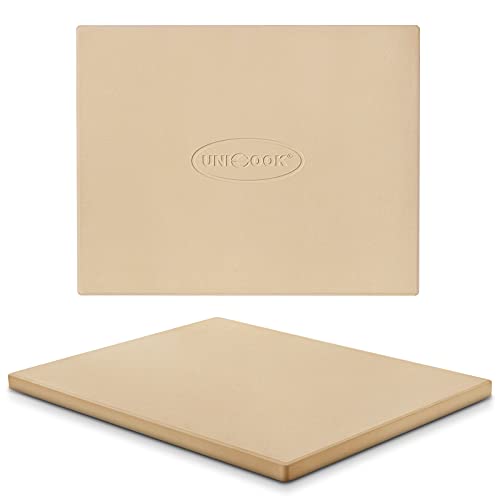
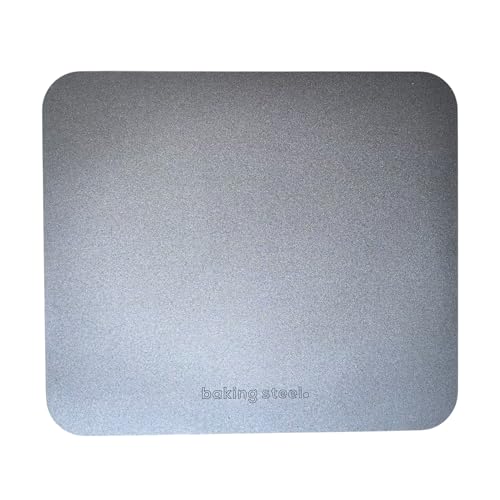
The five tools that do the work in every method on this site: a slab that stores heat, something to launch with, a way to read the surface, and a clean cut.


In this guide
- 1.The setting: 350°F, 3-4 minutes, single layer
- 2.Times by crust style: thin, regular, deep dish, stuffed
- 3.Foil or no foil? Parchment? The basket question, settled
- 4.Air fryer vs. skillet vs. oven vs. stone: where it actually ranks
- 5.The mistakes that dry out an air-fried slice
- 6.How to reheat pizza in an air fryer
- 7.Key terms
- 8.FAQ
The setting: 350°F, 3-4 minutes, single layer
Here is the whole method. Set the air fryer to 350°F. Most basket models do not need a preheat for this job, though if yours runs cool, a two-minute preheat is harmless. Lay the cold slices in the basket in a single layer with the edges not touching; overlapping slices steam each other where they touch and come out soft in the middle. Run it for 3 minutes, open the drawer, and look: you want visibly bubbling cheese and a base that has re-browned. Most slices are done right there. Give a thick or heavily topped slice one more minute.
The reason the community settled on 350°F rather than the 400°F that feels more aggressive is the gap between the crust and the toppings. At 400°F the cheese and the exposed crust edge race ahead and scorch while the center of the slice is still fridge-cold; at 350°F the heat has time to get through to the middle before the surface overcooks. Owners of the smaller basket models often report that even 350°F runs hot in their unit and drop to 325°F, which is worth trying if your first slice comes out dry. The number is a starting point; your air fryer has the final vote.
Times by crust style: thin, regular, deep dish, stuffed
Crust thickness changes the math more than anything else. Thin crust and New York style: 350°F, check at 2 minutes, done by 3. These have the least mass to warm and the most surface to dry, so they are the easiest to overshoot. Regular hand-tossed or standard chain pizza: 350°F, 3-4 minutes, the default everything above assumes. Deep dish, pan, Sicilian, and stuffed crust: drop to 325°F and allow 5-6 minutes; these slices are thick enough that the center needs the extra time, and the lower temperature keeps the top from burning while it waits. A Detroit-style slice with its caramelized cheese edge sits in between, 325°F for about 4-5 minutes.
Two refinements owners swear by for the thick styles. First, flip the script on ordering: put deep-dish slices in for the first two minutes crust-side up, then flip them topping-side up to finish, which gets contact heat into that heavy base early. Second, for a stuffed crust, tent the very end of the crust loosely with a small scrap of foil if it browns before the middle is hot. Neither trick is needed for a normal slice, which is why the default method stays so simple.
Foil or no foil? Parchment? The basket question, settled
Bare basket, by consensus, for the best crust. The whole point of the air fryer is hot air hitting the base from below through the perforations; a solid sheet of foil under the slice blocks that airflow and you end up with a slice that is hot but not crisp, closer to a microwave result than an oven one. If grease management is the concern, a sheet of perforated parchment (the kind sold for air fryers, with holes) preserves most of the airflow while catching drips. Plain parchment with no holes is nearly as bad as foil for crispness.
What you should never do is cover the slice, with foil, a lid, or a second basket layer. Trapped steam is the enemy of a re-crisping crust, the exact failure that makes microwaved pizza floppy. The related mistake is crowding: a basket jammed with four slices is a basket where the slices steam each other. Two slices with space, or one slice in a compact model, is the honest capacity, and it is why the air fryer is a solo-lunch tool rather than a family one. For a whole leftover pie, the oven wins; our full reheat guide covers the 275°F batch method.
Air fryer vs. skillet vs. oven vs. stone: where it actually ranks
The air fryer is the speed and convenience pick, and for one or two slices on a weeknight it is a genuinely good answer. Head-to-head on crust quality, the covered-skillet method still edges it at the same batch size, because direct contact with hot cast iron re-crisps a base harder than moving air does; the skillet takes about five minutes and the air fryer about four, so the real difference is that the air fryer is hands-off. Both methods bury the microwave. For three or more slices, the air fryer runs out of room and the 275°F low-and-slow oven takes over as the batch method.
The quality ceiling for any reheat is still a baking steel or pizza stone preheated at 450°F for a full 45-60 minutes: the slab dumps dry, conductive heat into the base on contact and produces the only reheat that genuinely reads as fresh. It costs an hour of preheat, which is a poor trade for two slices unless the oven is hot anyway. The honest hierarchy is stone or steel for quality, skillet for quality-per-minute, air fryer for convenience, oven for batches, microwave for emergencies only. For the stone-versus-steel decision, see our stones and steels rankings.
The mistakes that dry out an air-fried slice
Mistake one: adding time for insurance. The air fryer's close, fast airflow means the window between perfect and dry is about sixty seconds. Set a short time, check, and add only if the cheese has not moved. Mistake two: 400°F because hotter feels faster. It scorches the exposed crust edge before the middle warms; 350°F is faster to a good result than 400°F is to an edible one. Mistake three: stacking or overlapping slices. Every point of contact between slices is a soft, steamed patch. Mistake four: reheating a slice twice. No method survives a second revival; reheat what you will eat.
One more that catches people: reheating straight from frozen at the same setting. A frozen leftover slice needs 325°F and roughly double the time, and a frozen store-bought pizza is a different job entirely, a cook rather than a reheat, with its own settings on the box. If you find yourself reheating pizza often, a proper pizza cutter makes portioning leftovers into basket-sized pieces painless, and an infrared thermometer settles arguments about whether your basket really runs at the number on the dial.
How to reheat pizza in an air fryer
- 1
Set 350°F
Set the air fryer to 350°F. Most basket models need no preheat for this; a 2-minute preheat is optional if yours runs cool.
- 2
Single layer, no overlap
Lay slices in the bare basket in one layer with edges not touching. Use perforated parchment only if you need to catch grease; never solid foil or a cover.
- 3
Run 3 minutes and check
Air fry for 3 minutes, then look: bubbling cheese and a re-browned underside mean done. Thin crust may finish at 2; thick or deep dish wants 325°F and 5-6 minutes.
- 4
Add a minute only if needed
If the cheese has not melted, add 1 minute. Never add time for insurance; the window between perfect and dry is about a minute.
- 5
Rest 30 seconds and serve
Let the slice sit half a minute so carryover heat finishes the cheese and the crust firms. Reheat only what you will eat.
Ready to buy? Start with our top picks
Whatever this guide steered you toward, here's where most readers land. Live price check on each.
- Check price on Amazon

- Check price on Amazon

- Check price on Amazon

- Check price on Amazon

- Check price on Amazon

- Check price on Amazon

As an Amazon Associate we earn from qualifying purchases, at no cost to you.
Key terms
- Convection airflow
- The fan-driven hot air that makes an air fryer fast. It dries and crisps a pizza base quickly, and it is also why the method overshoots so easily.
- Single layer
- Slices arranged with no overlap. Any point where two slices touch is a patch that steams instead of crisps.
- Carryover heat
- The residual heat that keeps cooking a slice for a minute after it leaves the basket. Pulling early and resting 30 seconds uses it; adding time fights it.
Frequently asked questions
What temperature do you reheat pizza in an air fryer?
350°F is the consensus setting for a normal slice, for 3-4 minutes in a single layer. Thin crust can finish at 2-3 minutes. Thick, deep-dish, and stuffed-crust slices do better at 325°F for 5-6 minutes so the center warms before the edges dry. Compact basket models often run hot; if your first slice comes out dry at 350°F, drop to 325°F.
How long does pizza take in the air fryer?
About 3-4 minutes at 350°F for a standard slice, checked at 3. Thin crust is closer to 2-3 minutes; deep dish or stuffed crust runs 5-6 minutes at 325°F. A frozen leftover slice needs roughly double the time at 325°F. In every case the visual cues, bubbling cheese and a re-browned base, outrank the timer.
Should I put foil in the air fryer when reheating pizza?
No, if crispness is the goal. Foil blocks the airflow that re-crisps the base, and you end up with a hot but soft slice. If you need to catch grease, use perforated air-fryer parchment, which keeps most of the airflow. Never cover the slice with anything; trapped steam makes the crust soggy.
Is the air fryer better than the oven for reheating pizza?
For one or two slices, yes on speed and convenience: 3-4 minutes with no preheat versus an oven's 25 minutes at 275°F. For a batch or a whole pie, the oven wins because the air fryer basket holds only a slice or two without overlap. For the best possible crust, a pizza stone or baking steel preheated at 450°F still beats both; the air fryer is the pick when you want a good slice in under five minutes with no effort.
Filed under Explainer · Part of Pizza Oven 101
The Bake, free weekly
Price drops worth knowing about, technique that matters, and every new review.