Our pick. Ooni
Check price on Amazon →How Hot Does a Pizza Oven Get? (2026): The Signature Number
Most dedicated pizza ovens reach a peak floor temperature of roughly 900 to 950°F, hundreds of degrees hotter than a home oven, which tops out near 550°F. That gap is the entire reason the category exists: it's what makes true 60-second Neapolitan pizza possible, and nothing in your kitchen can close it. Here are the real numbers by oven type, why the floor temperature (not the dial, not the air) is the one that sets your crust, and why max heat isn't always the heat you actually want.
By The Pizza Oven Review DeskUpdated 2026-06-29~11 min readRanked on verified floor heatHow we research
We earn a commission on purchases through our links, at no cost to you. It never decides a ranking. How this works
"How hot does a pizza oven get?" is the question that defines the whole category, because heat is the one thing a dedicated pizza oven does that your kitchen physically cannot. The short answer: most gas and multi-fuel pizza ovens reach a peak floor temperature of about 900 to 950°F, while a conventional home oven is capped near 550°F by design and regulation. That is not a small difference, it's a gap of hundreds of degrees, and it is precisely the gap that turns out leopard-spotted, 60-second Neapolitan pizza no kitchen oven can make.
But the headline number hides three things that matter more than the number itself, and an honest answer has to unpack all three. First, "how hot" depends entirely on the type of oven, a gas Ooni or Gozney lives near 950°F, the hottest budget multi-fuel in our dataset pushes past 1,100°F, and indoor electric ovens deliberately run cooler, from 850°F down to 700°F. Second, there are three different temperatures people mean when they say "how hot," and only one of them, the floor, the cooking stone, actually sets your crust. Third, and least intuitively, you frequently don't want the maximum: the right heat is the heat the pizza you're making asks for.
This guide gives you the real numbers by oven type, every figure drawn from the ovens we track, never invented, then explains floor versus air versus the dial, why the 900°F-plus club is the whole point, why cooler is sometimes correct, how long it takes to get there, and the safety reality of a machine this hot. We use our standard lens throughout: peak floor temperature, the 60-Second-Pizza Club, and heat recovery, because those three capabilities are exactly what the heat is for. Nothing here is sponsored; the Amazon links in our guides may earn us a small commission at no extra cost to you, and that never moves a number or a verdict. Every temperature quoted here is listed model by model, with a marker showing whether it came from a manufacturer page or only from a retail listing, in the pizza oven database.
The short version.
- Most dedicated gas and multi-fuel pizza ovens peak around 950°F on the floor, versus a home oven's ~550°F ceiling. That ~400°F gap is the entire reason the category exists.
- Floor temperature (the cooking stone) is the number that sets your crust, not the air, not the dial. An infrared thermometer is the only honest way to read it, and we consider it mandatory gear.
- Heat varies by type: gas and multi-fuel ovens (Ooni Koda, Gozney Roccbox/Arc, Ooni Karu) sit at ~950°F; the hottest budget multi-fuel (BIG HORN) reaches ~1110°F; electric indoor ovens run cooler, Ooni Volt 2 at 850°F, Breville Pizzaiolo at 750°F, Ninja and Cuisinart near 700°F.
- 900°F-plus is what unlocks the 60-Second-Pizza Club, true Neapolitan in 60 to 90 seconds. The home-oven 550°F ceiling simply cannot do it, and no kitchen hack closes the gap.
- You don't always want max heat: New York and Detroit styles bake better cooler, so an electric oven's 700 to 850°F or even a baking steel is the right tool for those, max floor temp matters only if you specifically want Neapolitan.
Our top-rated pizza ovens
Whatever you decide, these are the ovens we recommend, ranked on stated floor heat. Live price check on each.
- Check price on Amazon

- Check price on Amazon

- Check price on Amazon

- Check price on Amazon

- Check price on Amazon

- Check price on Amazon

As an Amazon Associate we earn from qualifying purchases, at no cost to you.
What you'll need.
Prices approximate at time of writing.
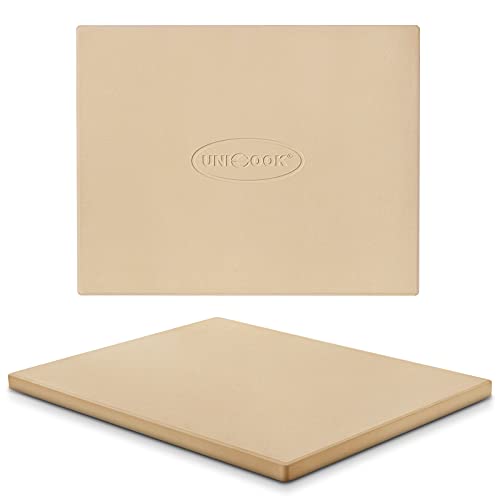
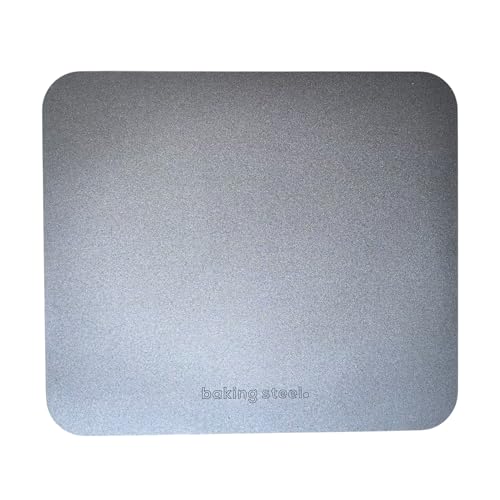
The five tools that do the work in every method on this site: a slab that stores heat, something to launch with, a way to read the surface, and a clean cut.


The headline numbers, by oven type
There is no single answer to "how hot does a pizza oven get," because the honest answer depends on what kind of oven you mean. So here are the real numbers, drawn from the ovens we actually track. Gas and multi-fuel ovens, the heart of the category, cluster tightly around 950°F. The Ooni Koda 16 and the new Koda 2 both peak at ~950°F; the Gozney Roccbox, Arc, and Arc XL all reach ~950°F; the entire Ooni Karu multi-fuel line (Karu 12, Karu 2, Karu 2 Pro) sits at ~950°F as well. Slightly smaller gas units land a touch lower, the Ooni Koda 12 and Gozney Tread peak around ~932°F, but the working ceiling for a serious live-fire oven is right around 950°F.
The extremes are worth knowing too. The hottest oven in our entire dataset is a budget multi-fuel: the BIG HORN 12-inch, which can reach roughly 1,110°F, hotter than ovens costing five times as much, which tells you that raw peak temperature is cheap and is not, by itself, what you pay a premium for. Some budget gas ovens run a little under the 950°F norm, the Mimiuo rotating gas at ~860°F, the VEVOR 16-inch and Pizzello at ~930°F, still far beyond any kitchen.
Then the indoor electrics, which are deliberately cooler. The Ooni Volt 2 is the hottest electric we track at 850°F; the Breville Smart Oven Pizzaiolo peaks at 750°F; the Ninja Artisan and the Cuisinart Indoor both top out near 700°F. These are still 150 to 300°F hotter than your kitchen oven, enough for excellent pizza, but they sit below the Neapolitan threshold for reasons of safety and indoor practicality, not failure of design.
Floor vs. air vs. the dial: which number actually matters
Here's the part most spec sheets gloss over, and it's the most important thing in this whole guide: when people say "how hot," they can mean three different temperatures, and only one of them sets your crust. The floor (or deck) is the cooking stone your pizza sits on, this is the number that matters, because conduction from the hot stone is what blisters and sets the base in seconds. The air (or dome) temperature is the heat radiating off the ceiling and flame, which cooks the top of the pie. And the dial, the built-in gauge or knob, where one exists, is the least trustworthy of all, because it's usually reading air somewhere in the chamber, not the stone, and not where your pizza actually is.
The peak temperatures we quote, that ~950°F for a Koda or a Roccbox, are floor figures, and that's deliberate, because the floor is what you bake on. The catch is that the floor and the air don't move in lockstep. After you launch a pizza, the floor gives up heat fast (the dough is a heat sink), while the air stays roaring. Read only the air or the dial and you'll think the oven is ready when the stone has actually dropped 100°F or more, which is exactly how people scorch the top of a pie while leaving the bottom pale and soft.
Why 900°F-plus matters: the 60-Second-Pizza Club
So why does the category chase 950°F at all? Because of one specific, glorious thing it makes possible: true Neapolitan pizza, baked in 60 to 90 seconds. A thin, well-fermented Neapolitan round needs a floor in the 850 to 950°F range to cook that fast, and that speed is the whole point, it's what puffs the cornicione, blisters the crust into leopard spots, and leaves the center soft and pliant instead of cooking out to a cracker. Bake the same dough slowly and you get a different, worse pizza. The heat and the speed are inseparable, and 900°F-plus is the price of admission.
This is what we call the 60-Second-Pizza Club, our benchmark for ovens that can actually turn out a leopard-spotted Neapolitan pie in about a minute and keep doing it. Membership requires that 900°F-plus floor, which is exactly why nearly every gas and multi-fuel oven in our dataset (clustered at ~950°F) qualifies, while the cooler electric ovens, even the capable 850°F Volt 2, sit closer to the edge and the 700°F units sit firmly outside it. And it's why a home oven, capped near 550°F, can never join: it's not slightly short, it's hundreds of degrees short, and there is no workaround that bridges the gap.
Hotter isn't always better: what temp for which pizza
Now the counterintuitive truth that the marketing won't tell you: you very often don't want the maximum. Peak floor temperature only matters if the pizza you want is the one that needs it. Neapolitan craves 850 to 950°F, but most other styles are actively ruined by it. A New York slice wants a slower bake around 600°F so the larger, sturdier crust cooks through and crisps without charring. A Detroit or pan pizza, baked in a steel tray with a thick crumb, wants something in the 500 to 600°F range and several minutes, not 90 seconds, blast it at 950°F and the outside burns long before the inside is done.
This is why "how hot does it get" isn't automatically "how hot should I run it." On a 950°F gas oven you'd deliberately run cooler for New York night, managing the flame down and letting the floor settle. And it's why the cooler electric ovens aren't lesser, a 700°F Ninja or Cuisinart, or a 750°F Breville, is genuinely well-suited to the New York and pan styles a lot of households actually prefer, while never pretending to be a Neapolitan machine. The right oven is the one whose comfortable range matches the pizza you most want to eat.
How long it takes to get hot, and heat recovery between bakes
Reaching peak temperature isn't instant, and the time it takes is a real part of the answer. As a general range, a gas oven typically needs roughly 15 to 25 minutes of preheat to bring the floor up to a Neapolitan-ready temperature, call it the time it takes to drink a beer while the stone saturates with heat. Treat that as a working range, not a universal fact: it varies with the model, the ambient temperature, and how cold a start you're working from, and multi-fuel or wood setups have their own rhythm of fire-building before the chamber is ready.
The number people underestimate, though, is heat recovery, how fast the floor climbs back to temperature after a pizza pulls heat out of it. This is where the 60-Second-Pizza Club lives or dies in practice. The first pie off any hot oven is easy; the test is the fifth and the tenth, back to back, for a crowd. A well-insulated oven with a powerful burner recovers in a minute or two and lets you turn out one blistering pizza after another; a thin-walled budget oven that hit a big peak number on the spec sheet can stall, leaving you waiting between bakes while the stone catches up.
A safety reality check: this much heat is no joke
A machine that runs at 950°F demands respect, and an honest heat guide has to say so plainly. The exterior shell, the mouth, and especially the chimney get extremely hot, hot enough to cause serious burns on contact, and hot enough to radiate heat to anything nearby. Some ovens, like the Gozney Roccbox with its safe-touch silicone shell, are engineered to stay cooler to the touch, but you should treat every part of a running pizza oven as dangerous unless you've confirmed otherwise, and never assume the outside is cool because it doesn't look like it's glowing.
That heat dictates where the oven can safely live. It needs clearance from walls, fences, railings, and anything combustible; it should sit on a stable, non-flammable surface; and the flame and chimney need open air above them, never an enclosed or covered space. This is also the core reason most of these ovens are outdoor-only, the indoor electric models (the Volt 2, Breville, Cuisinart) are the deliberate, cooler-running exceptions, built for countertops. Where you put the oven is a genuine safety decision, not just a convenience one.
Ready to buy? Start with our top picks
Whatever this guide steered you toward, here's where most readers land, ranked on stated floor heat. Live price check on each.
- Check price on Amazon
- Check price on Amazon
- Check price on Amazon
- Check price on Amazon
- Check price on Amazon
- Check price on Amazon
As an Amazon Associate we earn from qualifying purchases, at no cost to you.
Key terms
- Peak floor temperature
- The hottest temperature of the cooking stone, the number that sets your crust. Most outdoor gas and multi-fuel ovens peak around 950°F here, versus a home oven's ~550°F ceiling. It's the single most important spec, because the floor is what your pizza actually bakes on.
- Floor vs. air vs. dial
- The three temperatures people confuse. The floor (stone) sets the crust via conduction; the air (dome) cooks the top; the dial is a built-in gauge that usually reads air, not stone. Only the floor reading, best taken with an infrared thermometer, tells you whether the oven is truly ready.
- 60-Second-Pizza Club
- Our benchmark for ovens that can bake a leopard-spotted Neapolitan pie in about 60 to 90 seconds and keep doing it. Membership requires an 850 to 950°F floor, which is why nearly every gas and multi-fuel oven qualifies and a 550°F home oven never can.
- Heat recovery
- How fast the floor climbs back to temperature after a pizza pulls heat out of it. It matters more than peak temperature for anyone cooking several pizzas in a row, because a fast-recovering oven feeds a crowd one blistering pie after another while a thin-walled one stalls between bakes.
- Home-oven ceiling (~550°F)
- The roughly 550°F maximum of a conventional kitchen oven, set by design and regulation. It sits hundreds of degrees below a pizza oven's floor, enough to make excellent New York or pan pizza with a steel, but never the 60-second Neapolitan bake the pizza-oven category exists for.
- Right heat, not max heat
- The principle that the correct temperature is the one your chosen pizza style asks for, not the oven's maximum. Neapolitan wants 850 to 950°F; New York wants ~600°F; Detroit and pan want 500 to 600°F. Peak floor temperature only matters if Neapolitan is the pizza you're after.
Questions, answered
How hot does a pizza oven get?
Most dedicated outdoor gas and multi-fuel pizza ovens reach a peak floor temperature of about 900 to 950°F, for example the Ooni Koda 16, Ooni Koda 2, Gozney Roccbox, Gozney Arc, and the whole Ooni Karu line all sit at ~950°F. That's hundreds of degrees hotter than a conventional home oven, which is capped near 550°F. Indoor electric ovens run cooler by design, the Ooni Volt 2 at 850°F, the Breville Pizzaiolo at 750°F, and the Ninja Artisan and Cuisinart Indoor near 700°F, and the hottest oven in our dataset is actually a budget multi-fuel, the BIG HORN, which can reach roughly 1,110°F.
Why does a pizza oven need to be so much hotter than my kitchen oven?
Because true Neapolitan pizza needs to bake in 60 to 90 seconds, and that speed requires a floor in the 850 to 950°F range. That fast, intense bake is what puffs the crust, creates the leopard-spotted char, and keeps the center soft instead of drying it out to a cracker. A home oven tops out near 550°F, hundreds of degrees short, so it physically cannot make that pizza no matter what trick you try. The huge temperature gap isn't overkill; it's the entire reason a dedicated pizza oven exists.
What's the difference between floor temperature and air temperature?
The floor (or deck) is the cooking stone your pizza sits on, and it's the number that matters most because conduction from the hot stone is what sets and crisps the crust in seconds. The air (or dome) temperature is the heat radiating off the flame and ceiling that cooks the top of the pie. They don't move together: after you launch a pizza, the floor gives up heat quickly while the air stays hot, so reading only the air, or the built-in dial, which usually reads air, can fool you into thinking the stone is ready when it has dropped 100°F or more. An infrared thermometer pointed at the floor is the only honest way to know.
Do I always want the hottest pizza oven I can get?
No, and this surprises people. Maximum floor temperature only matters if you specifically want Neapolitan pizza, which needs that 850 to 950°F heat. Most other styles are actively hurt by it: a New York slice bakes best around 600°F so the sturdier crust cooks through without charring, and Detroit or pan pizza wants 500 to 600°F over several minutes, not 90 seconds. So a cooler electric oven (700 to 850°F) or even a baking steel in your kitchen can be the correct tool for the pizza you actually prefer. Match the oven's comfortable range to the pizza you most want to eat, rather than chasing the biggest number.
How long does a pizza oven take to heat up?
As a general range, a gas pizza oven usually needs about 15 to 25 minutes of preheat to bring the floor up to a Neapolitan-ready temperature, though that varies with the model, the outside temperature, and how cold a start you're working from, treat it as a working range, not a universal rule. Multi-fuel and wood-fired setups need extra time to build and stabilize the fire first. Just as important as reaching peak is heat recovery: how fast the floor climbs back to temperature between pizzas. A well-insulated oven recovers in a minute or two so you can bake several pies in a row, which matters far more than the peak number for anyone feeding a crowd.
Is a pizza oven dangerous because it gets so hot?
It demands respect. At 950°F the exterior shell, the mouth, and especially the chimney get extremely hot, hot enough to cause serious burns and to radiate heat to nearby surfaces. Some ovens, like the Gozney Roccbox, use a safe-touch shell to stay cooler outside, but you should treat every part of a running oven as hot unless you've confirmed otherwise. That heat is also why most of these ovens are outdoor-only and need real clearance from walls and anything combustible, a stable non-flammable surface, and open air above the chimney. The cooler indoor electric models (Volt 2, Breville, Cuisinart) are the deliberate exceptions built for countertop use.
Keep reading.
Pizza Oven Temperature and Cook Time Chart
The sourced reference by style, including the conflict between the AVPN and EU Neapolitan specifications.
The Best 1000 Degree Pizza Ovens (2026)
Which ovens really pass 1000°F, which only claim it, and why 950°F ovens still bake better pizza.
What Temperature for Pizza?
The companion to this guide, every style mapped to its ideal heat, from 950°F Neapolitan down to a 500°F Detroit square.
Best Infrared Thermometer for Pizza
The one accessory we call mandatory, how to read the floor temperature honestly, and which model to buy.
The Best Pizza Ovens (2026)
The full ranked field, scored floor-heat-first on peak temperature, the 60-Second Club, and heat recovery.
Ooni vs Gozney: Which Brand Wins?
The two giants head to head, same ~950°F ceiling, very different philosophies, one clear way to choose.
Ooni Fyra 12 Review
Ooni's lightest wood-pellet oven reviewed, real live-fire flavor at $349, and what to cross-shop.