Our pick Ooni Koda 16
Check price on AmazonHow to Keep Pizza Warm (2026): Oven Hold, Box Tricks, and Pizza-Night Timing
Pizza goes from perfect to limp in about ten minutes, and every method for holding it longer trades a little crispness for time. Here is the one that loses the least (a low oven, slices on a rack), the answer to whether the box can go in the oven, and how to run a pizza night where nobody eats cold.
We earn a commission on purchases through our links, at no cost to you. It never decides a ranking. How this works
Quick answer
- Lowest oven setting (170-200°F or Warm), slices on a rack, door closed: holds pizza crisp for 45-60 minutes.
- The box can go in the oven, but only at 170°F or below, lid cracked, 20-30 minutes. Never at a real baking temperature.
- Never hold pizza covered in foil or in a closed container: trapped steam is what turns the crust soft.
- A warming drawer, a toaster oven on Warm, or a pizza stone that was preheated and then switched off all work as holding surfaces.
- Outdoor oven pizza night: stagger the bakes, cut and serve each pie immediately, and keep the indoor oven at 200°F as a buffer for the pies that wait.
Short version: to hold pizza for up to an hour, set the oven to its lowest setting (170°F to 200°F, or the Warm function), put the slices directly on the rack or on a wire rack over a sheet pan, and leave the door closed. Bare slices on a rack stay crisp because the steam escapes; slices in a closed box or on a flat pan steam themselves soft. A delivery box can go into a 170°F oven for 20 to 30 minutes with the lid cracked, but not higher; cardboard scorches above roughly 400°F and starts to smell well before that. For a pizza night with an outdoor oven, the real answer is timing: bake in a rhythm so each pizza is eaten within 5 minutes of coming out, and use the low oven only as a buffer.
Why pizza fades so fast: a fresh pizza is a crisp base holding a layer of hot, wet cheese and sauce. As it cools, steam from the topping condenses into the crust from above, and a closed box traps that steam against the base from below. Within 10 to 15 minutes the crust that was crisp is soft, and the cheese that was molten is setting into a skin. Every holding method is a way of keeping the cheese warm while letting the steam out, and the methods that do both are the ones that work.
Our guidance is the consensus of the home-cooking community and professional kitchens, cross-checked across the sources we track; we are a research and verification desk, not a test kitchen. For pizza that has already gone cold, our reheating guides for the oven, the air fryer, and the stovetop cover the recovery methods, which are a different problem from the holding problem on this page.
What you'll need
The five tools that do the work in every method on this site: a slab that stores heat, something to launch with, a way to read the surface, and a clean cut.


In this guide
The method that works: low oven, slices on a rack
Set the oven to its lowest setting, typically 170°F to 200°F, or use the Warm or Keep Warm function if it has one. Put the slices directly on the oven rack, or on a wire cooling rack set over a sheet pan to catch drips, leaving a little space between them. Close the door and leave it. Held this way, pizza stays warm with an acceptable crust for 45 minutes to an hour; past that, the base starts to dry and the cheese turns leathery, and a short reheat is better than a long hold. The rack is the whole point: air circulates under the slice, steam escapes instead of condensing into the base, and the crust keeps the crispness it had coming out of the oven.
What to avoid: a flat sheet pan with no rack, which pools the steam under the slice and softens it within 15 minutes; foil over the top, which traps steam against the cheese; and any temperature above about 225°F, which is no longer holding but slowly re-baking, and dries the slice out. If the oven's lowest setting is 250°F, crack the door an inch with a wooden spoon to bleed heat, and check the slices after 20 minutes. A infrared thermometer pointed at the rack tells you what the oven is actually doing, which on many older ovens is 30°F or more off the dial.
Can the pizza box go in the oven?
Yes, within limits, and the limits matter. Cardboard chars at roughly 400°F to 450°F and begins to smell and off-gas well below that, so the box can go into a 170°F to 200°F oven and nowhere warmer. Crack the lid open an inch or pull a corner up so steam escapes; a sealed box in a warm oven steams the pizza soft faster than it would on the counter. Held this way the box keeps a delivery pizza warm for 20 to 30 minutes, which covers the gap between the doorbell and the table. Beyond that, move the slices to a rack.
Two cautions from the community. Some boxes carry a printed warning against oven use, and some glues and inks are not rated for any heat; if the box says no, it means no, and the rack method costs nothing. And never put a box into an oven that was just used at a baking temperature and has not cooled; the residual heat in the walls and elements is well above the cardboard's comfort zone even after the dial is turned down. The same rule applies to the microwave: a box with any metal staple, handle, or foil lining arcs, and a plain box in a microwave steams the slice limp in 30 seconds. Use the stovetop or the cup-of-water microwave trick for a fast reheat instead.
Warming drawers, toaster ovens, and the switched-off stone
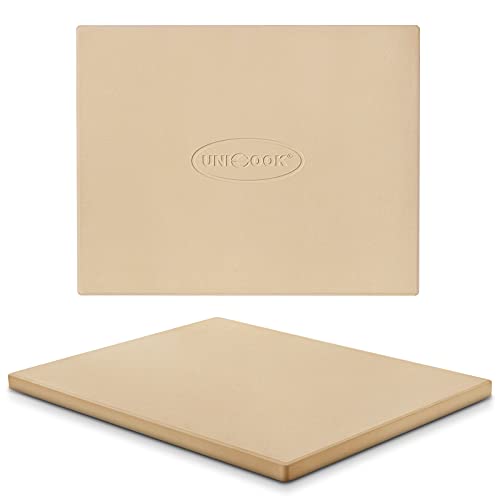
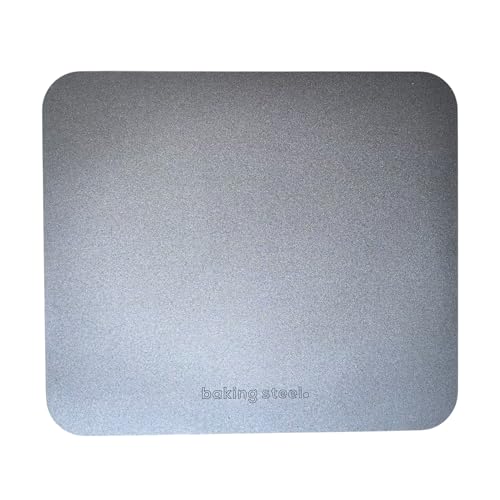
A warming drawer is built for exactly this job: set it to its low or medium setting (most run 140°F to 220°F), set the vent to moist off or crisp if it has the option, and put the slices on the drawer's rack. A toaster oven on Warm or at 170°F holds two or three slices on its rack the same way the full oven does, with less energy and a faster recovery if you decide to re-crisp them at 400°F for 3 minutes before serving. A pizza stone or steel that was preheated for the bake and then has the oven switched off is a holding surface in its own right: a thick stone stays above 200°F for the better part of an hour with the door closed, and a slice laid on it keeps a crisp base the whole time. Owners of a baking steel use this constantly; the slab that made the pizza keeps it.
For transport, the professional answer is an insulated delivery bag, and the home version is a cooler lined with a towel: the pizza box goes in, the lid closes, and the insulation holds the box above 140°F for 30 to 45 minutes. Crack the box lid inside the cooler for the same steam reason. A slow cooker on Warm with slices stacked on parchment is a common party suggestion and a poor one; it steams the stack soft within 20 minutes.
Pizza night with an outdoor oven: timing beats holding
For owners of an outdoor pizza oven feeding a crowd, holding is the wrong frame. A Neapolitan pie from a 950°F oven is at its best for about 5 minutes and declines faster than a home-oven pizza, because its thin base and wet center were never crisp in the first place. The workflow that works is a rhythm: one person stretches and tops while the previous pizza bakes (60 to 90 seconds in a hot oven, 2 to 4 minutes in a lower one), and each pie is cut and put on the table the moment it comes out, for whoever is ready. Guests eat in rounds; nobody waits for a stack. Our guide to cooking multiple pizzas back to back covers the oven-side rhythm, including the floor-recovery wait between launches that keeps pie four as good as pie one.
Use the indoor oven at 200°F with a rack as the buffer for the pies that have to wait: slices that sit 15 minutes there are still acceptable, where slices that sit 15 minutes in a box on the patio table are not. Par-baking is the other tool: bake each base 45 seconds with sauce only, stack the par-baked bases, and finish each one with cheese and toppings in 60 seconds as guests are ready, which collapses the serving window and is what many caterers do with portable ovens. A good perforated peel and a wheel cutter at the oven are what make the rhythm fast enough; our best pizza ovens for entertaining guide picks the ovens whose floor recovers fast enough to keep up with a party.
How to keep pizza warm in the oven
- 1
Set the oven to its lowest setting
170-200°F, or the Warm function. Above about 225°F you are re-baking, not holding.
- 2
Slices on a rack, not a pan
Put the slices directly on the oven rack, or on a wire rack over a sheet pan, with space between them so steam escapes.
- 3
Door closed, nothing covering the pizza
No foil, no lid, no container. Trapped steam is what softens the crust.
- 4
Hold up to an hour
Past 45-60 minutes the base dries and the cheese turns leathery. Beyond that, let it cool and reheat it properly instead.
- 5
Box in the oven only at 170°F or below
A delivery box can hold 20-30 minutes at 170-200°F with the lid cracked. Never in a hotter oven, and never one still hot from baking.
Ready to buy? Start with our top picks
Whatever this guide steered you toward, here's where most readers land. Live price check on each.
- Check price on Amazon

- Check price on Amazon

- Check price on Amazon

- Check price on Amazon

- Check price on Amazon

- Check price on Amazon

As an Amazon Associate we earn from qualifying purchases, at no cost to you.
Key terms
- Holding
- Keeping cooked food at a safe, palatable temperature for service without continuing to cook it. For pizza, 140°F or above, with steam allowed to escape.
- Carryover steam
- Moisture released by hot cheese and sauce as a pizza cools. In a closed box or under foil it condenses back into the crust and softens it.
- Par-bake
- Baking a pizza base partway (45-60 seconds in a hot oven) to be finished with toppings later. The caterer's tool for serving a crowd from one oven.
Frequently asked questions
What temperature keeps pizza warm without drying it out?
170°F to 200°F, the lowest setting on most ovens or the Warm function. Put the slices on a rack so steam escapes, leave the door closed, and hold up to an hour. Above about 225°F the pizza slowly re-bakes and dries.
Can you put a pizza box in the oven to keep it warm?
Only at 170°F to 200°F, with the lid cracked, for 20 to 30 minutes, and only if the box does not say otherwise. Cardboard scorches around 400°F and smells well below that. Never put a box in an oven that is still hot from baking.
How long can pizza sit out before it is unsafe?
The USDA's two-hour rule applies: cooked pizza at room temperature should be eaten or refrigerated within two hours, one hour if the room is above 90°F. Held in a 170°F oven it stays above the 140°F safety line and the clock does not run.
How do you keep pizza warm for a party?
Bake continuously and serve each pizza within 5 minutes instead of holding a stack. Use the indoor oven at 200°F with slices on a rack as a buffer for pies that have to wait, and consider par-baking bases so each pizza finishes in 60 seconds as guests are ready.
Does foil keep pizza warm?
It keeps it warm and makes it soggy. Foil traps the steam coming off the cheese and condenses it into the crust. Hold pizza uncovered on a rack in a low oven instead, and use foil only for transport when there is no alternative.
Filed under Explainer · Part of Pizza Oven 101
Keep reading
How to Reheat Pizza in the Oven (2026)
When the pizza has already gone cold, the ranked recovery methods.
Cooking Multiple Pizzas Back to Back
The oven-side rhythm that keeps a party fed without a stack of cooling pies.
Best Pizza Ovens for Entertaining
The ovens whose floor recovers fast enough to keep up with a crowd.
The Bake, free weekly
Price drops worth knowing about, technique that matters, and every new review.