Our pick Ooni Koda 16
Check price on AmazonHow to Reheat Pizza in the Microwave Without It Going Soggy (2026)
The microwave is the worst way to reheat pizza and sometimes the only one you have. This is the damage-control guide: the cup-of-water trick and why it works, the power level and time that keep the cheese from turning to rubber, and the 90-second microwave-then-skillet finish that gets a microwaved slice most of the way back to good.
We earn a commission on purchases through our links, at no cost to you. It never decides a ranking. How this works

Quick answer
- The consensus method: plate, a half-full mug of water beside the slice, 50 percent power, 45-60 seconds, then 15-second bursts only as needed.
- The cup of water absorbs some microwave energy so the slice heats more gently, which keeps the cheese from rubberizing. It does not make the crust crisp; nothing in a microwave can.
- Half power is the single biggest improvement. Full power blasts the cheese past melted before the center is warm.
- The real fix: 20-30 seconds in the microwave to take the chill off, then 2 minutes in a dry skillet over medium heat to rebuild the base. This is the best reheat you can get without an oven.
- Never microwave a slice on a paper towel (it wicks steam into the crust) and never reheat a slice twice.
Short answer: put the slice on a plate, set a microwave-safe mug half full of water beside it, and microwave at 50 percent power for about 45 seconds to a minute. Check, and add 15-second bursts only if the cheese has not softened. That is the consensus method for the least-bad microwave reheat, and it produces a slice that is hot, with cheese that is melted rather than rubbery, and a crust that is soft but not wet. If you have a stovetop and two extra minutes, do that first 30 seconds in the microwave and then finish the slice in a dry skillet, which rebuilds the crisp base the microwave destroyed.
Why the microwave fails: it heats by exciting water molecules, so it steams a pizza crust from the inside, the exact opposite of the dry contact heat a base needs to re-crisp, while the cheese on top races past melted into tough and greasy. The classic microwaved slice is floppy, chewy, and somehow both wet and dry at once. Every trick in this guide is a way of slowing that process down, keeping the cheese gentle and the crust as dry as a microwave allows, and the best trick of all is to hand the crust to a different appliance for the last two minutes.
Our numbers are the broad consensus of the home-cooking community, cross-checked across the sources we track, not a lab claim; we are a research and verification desk. Microwaves vary enormously in wattage, a 700-watt dorm unit and a 1200-watt countertop model are different machines, so treat the times as starting points and check early.
What you'll need
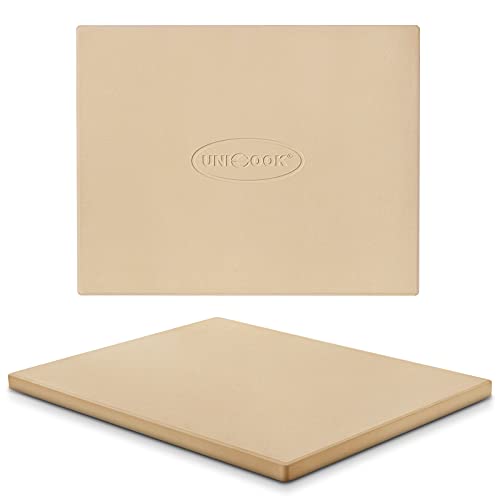
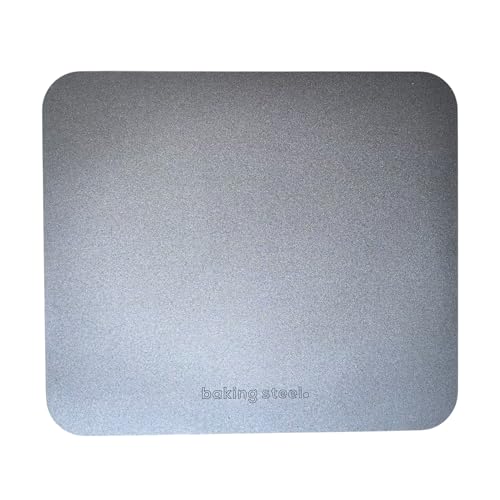
The five tools that do the work in every method on this site: a slab that stores heat, something to launch with, a way to read the surface, and a clean cut.


In this guide
- 1.The least-bad method: half power and a cup of water
- 2.Why the cup of water works (and what it does not do)
- 3.The real fix: microwave to start, skillet to finish
- 4.Microwave vs. air fryer vs. oven: where it honestly ranks
- 5.The mistakes that make microwaved pizza worse
- 6.How to reheat pizza in the microwave
- 7.Key terms
- 8.FAQ
The least-bad method: half power and a cup of water
Set the cold slice on a microwave-safe plate, not a paper towel and not the cardboard box. Place a microwave-safe mug or small glass about half full of water next to the plate. Set the microwave to 50 percent power and run it for 45 seconds to a minute. Open it, touch the center of the slice, and if it is not yet warm through, add 15-second bursts at the same power. Stop the moment the cheese has softened and gone glossy; do not wait for it to bubble, because bubbling cheese in a microwave is cheese that is already turning rubbery.
Half power is the single change that matters most. At full power the microwave dumps energy into the cheese and the sauce, the wettest parts of the slice, so fast that they overheat and toughen while the dense crust underneath is still cool in the middle. At 50 percent the same energy arrives over twice the time, and the heat has a chance to even out through the slice. If your microwave has no power setting, use short 20-second bursts with 20-second pauses between them, which approximates the same thing.
Why the cup of water works (and what it does not do)
The cup-of-water trick is the most repeated microwave tip on the internet, and it is real, though the reason is less magical than it sounds. Water in the mug absorbs a share of the microwave energy, so less of it hits the slice per second and the pizza heats more gently, the same effect as dropping the power level. The water also raises the humidity in the chamber slightly, which keeps the cheese from drying into a leathery skin while it re-melts. The net result is a softer, more even reheat with cheese that stays pliable.
What it does not do is crisp the crust. Nothing inside a microwave can, because the appliance heats by steaming and a crust re-crisps only with dry contact heat. Some guides claim the water "keeps the crust from going soggy"; in practice it keeps the crust from going tough, which is different, and anyone promising a crispy microwaved slice is selling something. Treat the water as cheese insurance, pair it with half power, and if you want the crust back, read the next section.
The real fix: microwave to start, skillet to finish
This is the method the home-cooking community recommends when someone asks how to make microwaved pizza actually good, and it is the best reheat available in a kitchen with no oven time. Microwave the slice for just 20-30 seconds at full power, enough to take the fridge chill off the center and start the cheese, then move it straight into a dry skillet over medium heat for about 2 minutes, no oil. The hot pan does the one job the microwave cannot: it drives moisture out of the base and re-crisps it through direct contact. Cover the pan with a lid for the last 30 seconds if the cheese needs a final nudge.
Cast iron is the ideal pan for this because it holds heat, but any heavy skillet works; nonstick is fine at medium heat. The total is under three minutes and the result is dramatically better than either appliance alone: a crisp base from the skillet, melted cheese from the microwave, and none of the rubbery texture that defines a microwave-only slice. If you own a baking steel and the oven happens to be on, the same principle scales up, the microwave takes the chill off and the preheated steel rebuilds the crust in a couple of minutes, which is the best reheat there is. The full stovetop method, with no microwave at all, is in our skillet reheat guide.
Microwave vs. air fryer vs. oven: where it honestly ranks
Last, and it is not close. The air fryer revives a slice in 3-4 minutes at 350°F with a genuinely re-crisped base; a skillet does it in about five; the 275°F oven handles a whole pie in 25 minutes; and a preheated pizza stone or steel at 450°F produces the only reheat that reads as fresh. The microwave's sole advantages are speed, under two minutes, and availability, which is why it has a guide at all: dorm rooms, offices, and hotel rooms have microwaves, and a microwaved slice done right is still better than a cold one.
If you reheat pizza regularly and a microwave is your only heat source, the honest advice is to add a second appliance rather than perfect the first. A compact air fryer or a single cast-iron skillet on a hot plate changes the outcome completely. Our master reheat guide ranks every method with exact temperatures and times, and our stones and steels rankings cover the surfaces that make a home oven reheat like a pizzeria.
The mistakes that make microwaved pizza worse
Paper towels under the slice. The towel wicks steam straight into the crust and holds it there, the fastest route to a wet base. Use a plate. Full power, long time. Ninety seconds at full power turns cheese into rubber and dries the crust edge while the center is still cool; half power and short bursts fix both. Reheating in the box. Cardboard traps steam and some boxes have coatings not meant for heating. Stacking slices. Every point of contact steams; reheat one or two in a single layer. Reheating twice. A second trip rubberizes cheese that barely survived the first.
And one for the optimists: no lid, no cover, no damp-towel tent. Every one of these traps more steam against the crust, which is the exact failure the whole guide is working around. The only thing that should be damp in the microwave is the water in the mug beside the plate. If portioning leftovers into microwave-sized pieces is a daily job, a proper pizza cutter is worth the few dollars over sawing cold slices with a dinner knife.
How to reheat pizza in the microwave
- 1
Plate, not paper
Put the slice on a microwave-safe plate. No paper towel, no box; both trap steam against the crust.
- 2
Add a mug of water
Set a microwave-safe mug half full of water beside the plate. It absorbs some energy and keeps the cheese from rubberizing.
- 3
Half power, 45-60 seconds
Microwave at 50 percent power for 45 seconds to a minute. If there is no power setting, use 20-second bursts with pauses.
- 4
Check and burst
Stop when the cheese is soft and glossy, not bubbling. Add 15-second bursts only if the center is still cool.
- 5
Optional: finish in a skillet
For a crisp base, cut the microwave to 20-30 seconds and finish the slice 2 minutes in a dry skillet over medium heat.
Ready to buy? Start with our top picks
Whatever this guide steered you toward, here's where most readers land. Live price check on each.
- Check price on Amazon

- Check price on Amazon

- Check price on Amazon

- Check price on Amazon

- Check price on Amazon

- Check price on Amazon

As an Amazon Associate we earn from qualifying purchases, at no cost to you.
Key terms
- Dielectric heating
- How a microwave cooks: it excites water molecules. That is why it steams a pizza crust from the inside instead of drying it, and why no microwave setting can make a base crisp.
- Half power
- A 50 percent duty cycle: the magnetron runs in pulses so the same energy arrives over twice the time. It lets heat even out through the slice instead of overcooking the wet cheese first.
- Skillet finish
- The 2-minute dry-pan step after a short microwave burst. Direct contact with hot metal re-crisps the base, the one job the microwave cannot do.
Frequently asked questions
How do you reheat pizza in the microwave without it getting soggy?
You cannot make it crisp, but you can keep it from going rubbery and wet. Put the slice on a plate (never a paper towel or the box), set a half-full mug of water beside it, and microwave at 50 percent power for 45-60 seconds, adding 15-second bursts only if needed. For a crisp base, do 20-30 seconds in the microwave and finish 2 minutes in a dry skillet over medium heat.
Why do people put a cup of water in the microwave with pizza?
The water absorbs part of the microwave energy, so the slice heats more gently and evenly, and it raises the humidity slightly so the cheese re-melts without drying into a skin. The effect is softer, less rubbery cheese. It does not crisp the crust; only dry contact heat from a skillet, stone, steel, or air fryer can do that.
How long should I microwave a slice of pizza?
About 45-60 seconds at 50 percent power for a standard slice, then 15-second bursts until the center is warm and the cheese is glossy. At full power, 30-45 seconds is the upper limit before the cheese turns rubbery. Wattage varies widely, so check early. If you plan to finish in a skillet, 20-30 seconds is all the microwave needs to do.
Is there a better way than the microwave?
Every other method is better. An air fryer at 350°F for 3-4 minutes, a dry skillet for about 5 minutes, the oven at 275°F for 25 minutes for a batch, or a preheated pizza stone or baking steel at 450°F for the closest-to-fresh result. The microwave is the emergency option; if it is your only appliance, the microwave-then-skillet finish gets you most of the way to a proper reheat.
Filed under Explainer · Part of Pizza Oven 101
The Bake, free weekly
Price drops worth knowing about, technique that matters, and every new review.