Our pick Ooni Koda 16
Check price on AmazonHow to Reheat Pizza on the Stove (2026): The Skillet Method That Beats the Oven
For one or two slices, a covered skillet is the best reheat in any kitchen: crisp base from the pan, melted cheese from the trapped steam, five minutes, no preheat. Here is the method as the home-cooking community has refined it, the pan that works best, the water-drop trick, and the timing by crust style.
We earn a commission on purchases through our links, at no cost to you. It never decides a ranking. How this works

Quick answer
- The method: heavy skillet, medium heat, no oil, 2-3 minutes uncovered for the base, then lid on for 1-2 minutes for the cheese. About 5 minutes total.
- Cast iron is the ideal pan because it holds heat, but any heavy skillet works. Nonstick is fine at medium; never crank it to high.
- The water-drop trick: two or three drops of water on the far side of the pan just before the lid goes on creates a brief burst of steam that re-melts the cheese faster. Drops, not a splash, and away from the crust.
- Thin crust: 2 minutes base, 1 minute covered. Deep dish or thick: 3-4 minutes base on medium-low, 2-3 minutes covered.
- It is the best reheat for 1-2 slices. For a batch, use the 275°F oven; for the crispiest possible crust, a preheated stone or steel still wins.
Short answer: put a heavy skillet over medium heat, no oil, lay the cold slices in once the pan is warm, and give the base 2 to 3 minutes of direct contact until it is crisp. Then cover the pan with a lid for 1 to 2 minutes so the trapped heat re-melts the cheese. Total time about five minutes, and the result is a slice with a properly re-crisped base and molten cheese, which is why the skillet is the method the home-cooking community recommends over the oven, the air fryer, and certainly the microwave for a slice or two.
Why it works so well: reheating pizza is two problems at once, a crust that needs dry contact heat to re-crisp and cheese that needs gentle ambient heat to re-melt, and a skillet with a lid solves them in the right order using hardware every kitchen owns. The hot pan does the crust. The lid turns the pan into a small oven and does the cheese. No appliance needs to preheat, nothing needs a slab that takes an hour to saturate, and the whole operation fits into the time it takes to pour a drink.
Our numbers come from the broad consensus of home cooks who have refined this method over years, cross-checked across the sources we track; we are a research and verification desk, not a test kitchen. Stovetops and pans vary, so treat the times as starting points and let the cues, a sizzle from the base and glossy, re-melted cheese, decide when it is done.
What you'll need
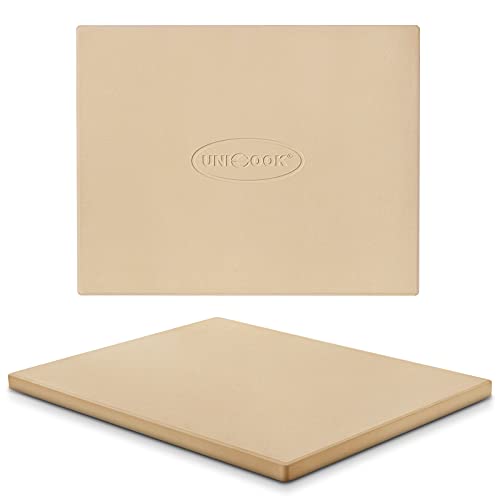
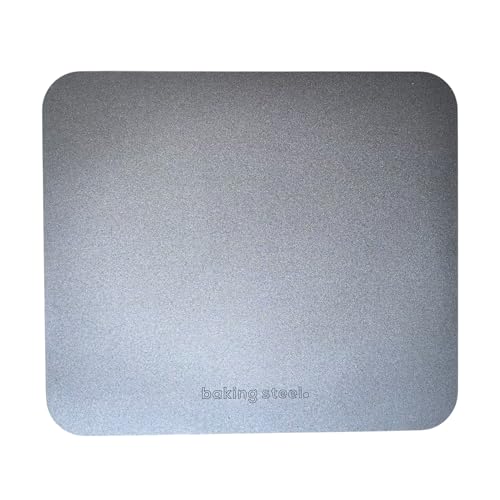
The five tools that do the work in every method on this site: a slab that stores heat, something to launch with, a way to read the surface, and a clean cut.


In this guide
The method, step by step
Set a heavy skillet over medium heat and let it warm for a minute or two. Do not add oil; the slice has all the fat it needs, and oil fries the crust rather than crisping it. Lay the cold slices in the pan with a little space between them and leave them alone for 2 to 3 minutes. You will hear a light sizzle as moisture cooks out of the base. Lift a corner with a spatula: when the underside is crisp and lightly browned, the crust is done and it is time to handle the top.
Put a lid on the pan and leave it for 1 to 2 minutes. The trapped heat rising off the hot pan re-melts the cheese and warms the toppings without any more heat hitting the base, which is already crisp. Lift the lid when the cheese is glossy and soft. If you want browned, bubbling cheese rather than simply melted, skip the lid and slide an oven-safe skillet under a preheated broiler for 1 to 2 minutes instead; the lid is the everyday version and the broiler is the weekend one. Either way, give the slice 30 seconds on the plate before eating so the cheese sets from molten back to elastic.
The pan: why cast iron wins and what else works
A cast-iron skillet is the consensus ideal for this job because it stores heat: a cold slice laid onto cast iron barely dents the pan's temperature, so the base gets steady contact heat from the first second, the same physics that makes a baking steel the best reheating surface in an oven. A heavy stainless or carbon-steel skillet is nearly as good. A thin nonstick pan works too, it just recovers more slowly after the slice goes in, so give it an extra 30 seconds of preheat and keep the heat at medium rather than pushing higher to compensate.
Whatever the pan, it needs a lid that fits, or close enough; a sheet pan, a plate, or a second skillet inverted over the top all work in a pinch. The lid is not optional, it is the half of the method that melts the cheese. If you do not have anything to cover the pan with, the fallback is the broiler finish described above, or a few drops of water and a loose foil tent. For the broiler version the skillet must be oven-safe, which cast iron and all-metal pans are and many nonstick handles are not.
The water-drop trick and other refinements
The refinement owners mention most: just before the lid goes on, flick two or three drops of water onto the hot pan on the far side from the slice. They flash into steam instantly, the lid traps it, and the cheese re-melts noticeably faster. The rules are drops, not a splash, and away from the crust; a tablespoon of water steams the base you just spent three minutes crisping. Skip this for a very thin crust, which re-melts fast enough without help, and use it for a thick, heavily topped slice where the cheese lags behind the base.
Two more. For a slice with a lot of loose toppings that have dried out overnight, a thin drizzle of olive oil on top before the lid goes on revives them without touching the crust. And for a deep-dish or pan slice, drop the heat to medium-low and give the base 3 to 4 minutes instead of 2 to 3, then 2 to 3 minutes covered; the thick slice needs time for heat to reach the center, and medium-low gets it there without scorching the bottom. A infrared thermometer aimed at the pan takes the guesswork out of medium if your stove's dial is vague: roughly 350-400°F on the pan surface is the sweet spot.
Skillet vs. air fryer vs. oven vs. stone: the honest ranking
For one or two slices, the skillet is the best method in this entire cluster on quality-per-minute. The air fryer is its only real rival, a minute faster and hands-off, but the skillet's direct contact re-crisps a base harder than moving air does. Both bury the microwave. The skillet's limit is capacity: it reheats a snack, not a party, and for three or more slices the 275°F oven takes over as the batch method.
The quality ceiling remains a pizza stone or baking steel preheated at 450°F for a full hour, which produces the only reheat that reads as fresh, at the cost of that hour. The skillet is the same idea scaled down to a pan you can heat in two minutes, which is exactly why it wins on weeknights. Our master reheat guide ranks every method with exact settings; our stones and steels rankings cover the slabs for when the oven is already hot.
The mistakes that ruin a skillet reheat
Oil in the pan. It fries the base greasy instead of crisping it dry. The slice brings its own fat. High heat. The bottom scorches in ninety seconds while the cheese is still cold; medium is the number. Lid on from the start. Covering before the base has crisped traps steam against a soft crust, the microwave failure in a pan. Base first, uncovered; lid second. Crowding. Slices that touch steam each other where they meet. Two slices with space, or one big one.
Too much water. Drops revive the cheese; a splash steams the crust you just fixed. Cold pan. Laying slices into a pan that is still warming means the base sits in its own moisture instead of sizzling it off; wait for the pan to be properly warm. And the universal one: reheating twice. No slice survives a second revival, so reheat what you will eat. Portioning cold leftovers into skillet-sized pieces is easier with a real pizza cutter than a dinner knife.
How to reheat pizza in a skillet
- 1
Warm a heavy skillet
Set a cast-iron or heavy skillet over medium heat for a minute or two. No oil.
- 2
Crisp the base uncovered
Lay slices in with space between them. Leave 2-3 minutes until the underside is crisp and lightly browned; lift a corner to check.
- 3
Add water drops (optional)
Flick 2-3 drops of water onto the far side of the pan, away from the crust, for a burst of steam that speeds the cheese.
- 4
Cover for the cheese
Put a lid on for 1-2 minutes until the cheese is glossy and melted. For browned cheese, use an oven-safe skillet under the broiler instead.
- 5
Rest and serve
Rest the slice 30 seconds so the cheese sets. Reheat only what you will eat.
Ready to buy? Start with our top picks
Whatever this guide steered you toward, here's where most readers land. Live price check on each.
- Check price on Amazon

- Check price on Amazon

- Check price on Amazon

- Check price on Amazon

- Check price on Amazon

- Check price on Amazon

As an Amazon Associate we earn from qualifying purchases, at no cost to you.
Key terms
- Contact heat
- Heat delivered by direct contact with a hot surface. It is what re-crisps a base, and a heavy skillet delivers it as well as a stone or steel at a fraction of the preheat.
- Thermal mass
- A pan's ability to store heat. Cast iron barely cools when a cold slice lands on it, which is why it crisps a base so evenly.
- Lid phase
- The covered 1-2 minutes that turn the skillet into a small oven and re-melt the cheese without adding heat to an already-crisp base.
Frequently asked questions
How do you reheat pizza in a pan?
Heavy skillet over medium heat, no oil. Lay the slices in once the pan is warm and leave them 2-3 minutes until the base is crisp. Then cover with a lid for 1-2 minutes so the trapped heat melts the cheese. A few drops of water on the far side of the pan just before covering speeds the cheese along. Total time about five minutes.
Is reheating pizza on the stove better than in the oven?
For one or two slices, yes: the skillet crisps the base harder, takes five minutes with no preheat, and keeps the cheese melted rather than dried out. For three or more slices or a whole pie, the oven at 275°F for about 25 minutes is the better batch method. For the crispiest possible result at any batch size, a pizza stone or baking steel preheated at 450°F still wins, if you have the hour.
Do you cover pizza when reheating it in a skillet?
Yes, but only after the base has crisped. Cook uncovered 2-3 minutes first, then cover 1-2 minutes for the cheese. Covering from the start traps steam against a soft crust and gives you a soggy base. If you have no lid, a plate, a sheet pan, or a second inverted skillet works, or finish under the broiler in an oven-safe pan.
What kind of pan is best for reheating pizza?
Cast iron, because it holds heat and keeps steady contact heat on the base. A heavy stainless or carbon-steel skillet is nearly as good. Thin nonstick works at medium heat with an extra 30 seconds of preheat. Whatever the pan, use no oil and medium heat, never high.
Filed under Explainer · Part of Pizza Oven 101
The Bake, free weekly
Price drops worth knowing about, technique that matters, and every new review.