Our pick Ooni Volt 2
Check price on AmazonOoni Volt 2 vs Solo Stove Pi (2026): Indoor Electric or Outdoor Fire?
This is the widest fork in the premium 12-inch field: the Ooni Volt 2 is a stated-850°F electric you can run on the kitchen counter in January, $699 and utterly effortless. The Solo Stove Pi is a ~950°F wood-burning sculpture for the patio, $424, with real flame, real smoke character, and a real fire to tend. Same pizza size, completely different lives. We run both on the signature spine and give you the honest two-question test that settles it.
We earn a commission on purchases through our links, at no cost to you. It never decides a ranking. How this works
Our top picks
Quick answer
- The two-question test: can you (and do you want to) cook outdoors year-round, and is live-fire flavor worth tending a fire? Two yeses, buy the Pi. Either no, buy the Volt 2.
- The Volt 2 is the only oven in this matchup that works indoors: stated 850°F on a standard outlet, dual-element control, zero weather dependence, at $699 (live $698.95, 8/24/26).
- The Pi is the hotter, cheaper, more characterful oven: ~950°F on wood, true 60-second leopard bakes, genuine smoke flavor, $424, plus an optional gas attachment for easier nights.
- Effort is the real currency: the Volt 2 is an appliance; the Pi is a craft. Recovery between pies is instant on the Volt 2's elements, fire-dependent on the Pi's wood.
- Same 12-inch pie either way, so neither wins on size; this is a decision about where and how you want to cook, not about the pizza's diameter.
Most head-to-heads on this site compare neighbors, two gas ovens, two siblings, two budget rivals. This one compares lifestyles. The Ooni Volt 2 is the electric flagship of the 12-inch class: a stated 850°F from dual independently controlled elements, indoor-capable on a standard outlet, with preheat, bake, and recovery reduced to dials. The Solo Stove Pi is the romantic opposite: a wood-burning, ~950°F round oven that lives outdoors, makes genuinely smoke-kissed Neapolitan pizza, and asks you to build and manage an actual fire. Both bake a 12-inch pie. Almost nothing else about them is the same.
Price frames the fork before performance does. The Pi lists at $424 direct from Solo Stove; the Volt 2 listed at $698.95 on Amazon at our August 24, 2026 Creators API check, essentially its $699 MSRP. That $275 gap buys the Volt 2's two structural advantages: indoor operation, which means year-round pizza in any climate and any housing situation, and total pushbutton control. The Pi spends its price advantage on heat and character: a hotter ~950°F floor, live-fire flavor no element can imitate, and an optional gas burner attachment that adds convenience later.
Disclosures before the verdict: neither Ooni nor Solo Stove paid for this comparison, had a relationship with this site, or knew we were writing it. Figures are manufacturer-stated or from our verified dataset, labeled as such throughout; we have not bench-fired these units, and our judgments lean on published specifications and the consistent pattern of verified owner feedback. The Volt 2 links to Amazon, where we may earn a commission at no extra cost to you; the Pi is not sold on Amazon, so its link goes to Solo Stove's own store through our standard tracked redirect. Neither arrangement moves a verdict.
Compare the specs
| Spec | Ooni Volt 2 | Solo Stove Pi | Check price |
|---|---|---|---|
| Fuel / power | Electric, dual elements, standard outlet | Wood + optional gas burner attachment | Check price on Amazon |
| Where it lives | Indoors or out, any season | Outdoors only | |
| Peak floor temp | 850°F (stated) | ~950°F (manufacturer-verified) | |
| Max pizza | 12 in | 12 in | |
| Weight | 38.8 lb | 30.5 lb | |
| Heat recovery | Instant, element-driven | Fire-dependent on wood; instant with gas attachment | |
| Where sold | Amazon ($698.95 live, 8/24/26) | Solo Stove direct | |
| Price (MSRP) | $699 | $424 |
The indoor electric flagship against the outdoor wood-burner, specs from our manufacturer-verified dataset; the Volt 2's live price pulled from the Creators API on August 24, 2026.
In this guide

Ooni Volt 2
Ooni · Best for Indoor, Year-Round, Effortless Pizza
A stated-850°F electric that bakes near-Neapolitan pizza on the kitchen counter, any month of the year.
- Power
- Electric, dual independently controlled elements
- Peak temp
- 850°F (manufacturer-stated)
- Indoor use
- Yes, standard outlet
- Max pizza size
- 12 in
- Weight
- 38.8 lb
Why we picked it: The Volt 2 is the best answer we track to the question 'what if the pizza oven were simply an appliance?' A stated 850°F, hotter than any other indoor-capable oven in our dataset, dual elements that balance top and bottom heat, instant recovery, and a kitchen-counter footprint that makes weather irrelevant. At $699 it costs $275 more than the Pi and gives up wood flavor entirely; what it buys is pizza in February, in an apartment, on a Tuesday, with zero ceremony.
Pros
- Indoor-capable at a stated 850°F, unique in our dataset at that heat
- Dual-element control and instant recovery, total repeatability
- Year-round, weather-proof, apartment-friendly pizza
- Zero fuel logistics: no propane, wood, or ash
Cons
- No live-fire flavor, ever
- Stated 850°F sits just below the 60-second Neapolitan club
- $699, a $275 premium over the Pi
- 38.8 lb counter commitment
The Volt 2's headline is not the temperature, it is the location of the temperature. The Ooni Volt 2 delivers its stated 850°F on a standard household outlet, indoors, which no gas or wood oven in our dataset can do at that heat. Dual independently controlled elements let you bias heat top or bottom, so bases crisp and crowns color on your terms, and because electricity never needs tending, pie eight bakes exactly like pie one. Owner consensus consistently lands on the same word the design earns: effortless.
Against the Pi's ~950°F the Volt 2 gives up about 100 stated degrees, which in practice means a 75-to-90-second bake instead of a 60-second one, near-Neapolitan rather than textbook. It is also the heavier unit at 38.8 lb, though as a stay-put appliance that matters little. At our August 24, 2026 check it sat at $698.95, essentially list. Our full Volt 2 review makes the complete case, and our best electric pizza ovens ranking shows how far ahead of the plug-in field it runs.
The numbers: Manufacturer-stated 850°F peak from dual independently controlled elements, indoor-capable, 12-inch stone, 38.8 lb; live at $698.95 and in stock at our August 24, 2026 Creators API check.
Buy it if
Buy the Volt 2 if any of these is true: you live where winter is real, you rent or lack outdoor space, you want pizza on weeknights without ceremony, or the idea of tending a fire reads as work rather than fun. It is the strongest indoor-capable oven we track and the one premium oven whose owner can ignore the weather forecast entirely.
Skip it if
No flame means no smoke character, full stop. The stated 850°F lands just short of the 60-second club the Pi joins. At $699 it is the expensive path into the 12-inch class, and at 38.8 lb it is a commitment to a counter spot rather than a portable. Figures are the maker's stated numbers, not ones we clocked.
Solo Stove Pi
Solo Stove · Best for Live Fire, Flavor & Peak Heat
A ~950°F wood-burning sculpture that bakes true 60-second Neapolitans with real smoke character, $424.
- Fuel
- Wood; optional gas burner attachment
- Peak temp
- ~950°F (manufacturer-verified)
- Indoor use
- No, outdoors only
- Max pizza size
- 12 in
- Weight
- 30.5 lb
Why we picked it: The Pi is what the Volt 2 deliberately is not: an outdoor, wood-burning instrument whose ~950°F floor bakes the textbook 60-second leopard-spotted Neapolitan with genuine smoke character, wrapped in the best-looking shell in the sub-$450 field. It costs $275 less than the Volt 2 and runs hotter; it also demands a patio, decent weather, and a cook willing to tend a fire, with an optional gas attachment as the escape hatch. Craft over convenience, and proudly so.
Pros
- ~950°F verified floor, true 60-second leopard-spotted bakes
- Real wood-fired flavor no electric can imitate
- $275 cheaper than the Volt 2, with the class's best looks
- Gas attachment option adds convenience later
Cons
- Outdoors only; your climate is part of the purchase
- Fire-tending, fuel sourcing, and ash are the ownership routine
- Recovery on wood depends on fire management
- Direct-only availability, no Amazon listing
The Pi's argument starts where the Volt 2's ends: at the flame. The Solo Stove Pi burns real hardwood under a 12-inch stone, driving it to the ~950°F our verified dataset records, a full stated hundred degrees past the Volt 2 and comfortably inside the 60-Second-Pizza Club. That heat plus live fire produces what no element can: hard leopard spotting, a puffed smoke-kissed cornicione, and the theater of cooking over flame. At $424 direct it is also the cheaper oven in this matchup by $275.
Weigh the fork plainly: the Pi wins peak heat, flavor, price, and looks; the Volt 2 wins location, seasons, and effort. If your winters are mild or your commitment is real, the Pi delivers the more memorable pizza. Our full Solo Stove Pi review runs the deep dive, Pi vs Pi Prime settles the sibling question, and gas vs wood-fired covers the fuel philosophy underneath this whole page.
The numbers: Manufacturer-stated ~950°F peak floor temperature on wood, 12-inch cordierite stone, 30.5 lb, $424 direct from Solo Stove; optional gas burner attachment available.
Buy it if
Buy the Pi if you have the outdoor space, a climate that lets you use it, and a genuine appetite for live fire: flavor-first cooks chasing the textbook 60-second Neapolitan, hosts who want the oven to be part of the evening, and buyers who would rather spend $424 on heat and character than $699 on convenience.
Skip it if
Outdoors only, weather-dependent, and 12-inch pies only. Wood ownership is honest work, sourcing, tending, ash, and recovery between bakes depends on it. The convenience fix, the gas attachment, costs extra, and the oven is sold only through Solo Stove's store, so no Amazon logistics. Assessed from manufacturer-verified specs and owner consensus, not a bench test.
What you'll need
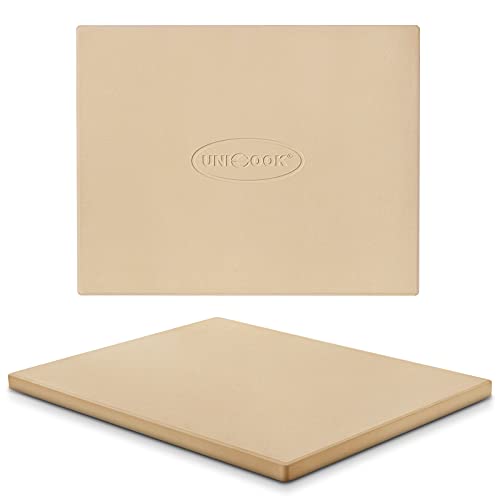
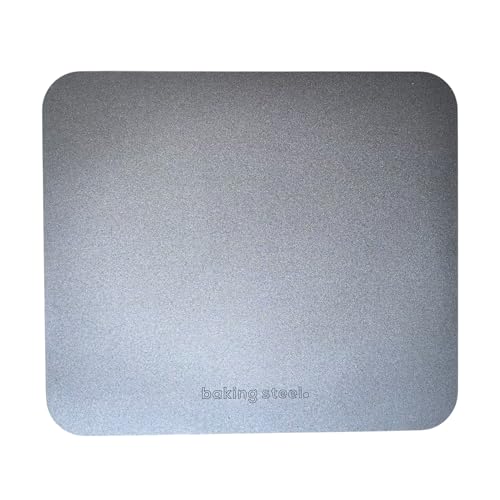
The five tools that do the work in every method on this site: a slab that stores heat, something to launch with, a way to read the surface, and a clean cut.


More ovens worth comparing
Beyond this guide, the top-ranked ovens across every fuel and budget, with a live price check on each.
- Check price on Amazon

- Check price on Amazon

- Check price on Amazon

- Check price on Amazon

- Check price on Amazon
- Check price on Amazon

As an Amazon Associate we earn from qualifying purchases, at no cost to you.
Quick shop: every pick
- Ooni Volt 2Best for Indoor, Year-Round, Effortless PizzaCheck price on Amazon
- Solo Stove PiBest for Live Fire, Flavor & Peak HeatCheck price
How we researched this
The signature spine, applied honestly to an asymmetric pair. Peak floor temperature: the Pi's ~950°F manufacturer-verified wood-fired floor beats the Volt 2's stated 850°F by a margin you can taste, the difference between a comfortable 60-Second-Pizza-Club bake and a very good 75-to-90-second one. The 60-Second-Pizza Club: the Pi is a member on a well-fed fire; the Volt 2 sits just outside, though closer than any other indoor-capable oven we track. Heat recovery: the Volt 2 wins outright, dual elements reload the stone continuously with zero attention, while the Pi on wood recovers as fast as you feed the flame. So the spine splits two-to-one and the tiebreaker is nothing on the spec sheet: it is where you live and how you like to cook.
Sources: every figure is manufacturer-stated or drawn from our PA-API-verified dataset and labeled accordingly; the Volt 2's price was pulled live on August 24, 2026; owner-experience judgments come from the consistent pattern of verified feedback, not a bench test we ran. No placement was bought, no relationship exists with either brand, and affiliate commissions, Amazon for the Volt 2, tracked-direct for the Pi, never move a verdict. Where the honest answer is that two excellent ovens serve two different lives, our job is to make the fork explicit rather than manufacture a winner.
Key terms
- Indoor-capable
- An oven engineered to run safely inside on a household outlet, contained heat, managed smoke, no combustion. The Volt 2 is the hottest indoor-capable oven in our dataset at a stated 850°F; every flame oven, the Pi included, is outdoors-only by design.
- Peak floor temperature
- The stone's own temperature, the number that actually bakes the base. The Pi's manufacturer-stated ~950°F beats the Volt 2's stated 850°F by roughly a hundred degrees, the practical difference between a 60-second bake and a 75-to-90-second one.
- Heat recovery
- How fast the stone reloads between pies. The Volt 2's dual elements recover continuously with no attention; the Pi on wood recovers as fast as the fire is fed, or instantly with its optional gas attachment fitted.
- Live-fire character
- The faint smoke flavor and hard leopard spotting a wood flame gives a crust. It is the one quality in this matchup that money cannot move across the aisle: no electric produces it, and no wood oven avoids the work behind it.
Frequently asked questions
Which is better, the Ooni Volt 2 or the Solo Stove Pi?
Neither is better in the abstract; they are the two poles of the premium 12-inch class. The Volt 2 ($699, live $698.95 at our August 24, 2026 check) is the indoor-capable electric: stated 850°F, dual-element control, instant recovery, pizza in any season or housing situation. The Pi ($424 direct) is the outdoor wood-burner: manufacturer-stated ~950°F, true 60-second Neapolitans, real smoke flavor, and a fire to tend. Two questions settle it: can you cook outdoors year-round, and is fire a pleasure or a chore? Outdoor plus pleasure, buy the Pi; otherwise the Volt 2.
Is the Solo Stove Pi hotter than the Ooni Volt 2?
Yes. The Pi's manufacturer-verified peak floor temperature is ~950°F on wood, against the Volt 2's stated 850°F, roughly a hundred degrees. In practice that is the gap between the Pi's textbook 60-second leopard-spotted Neapolitan and the Volt 2's very good 75-to-90-second near-Neapolitan. The Volt 2 answers with what no flame oven offers: that 850°F is available indoors, on a standard outlet, in any month, with instant element-driven recovery between pies. Hotter is the Pi; more usable heat for many households is the Volt 2.
Can the Ooni Volt 2 really be used indoors?
Yes, indoor use is its defining feature. The Volt 2 is an electric oven that runs on a standard household outlet with no combustion, engineered for kitchen-counter operation, and it is the hottest indoor-capable oven in our dataset at a stated 850°F. Follow Ooni's clearance and ventilation instructions as with any high-heat appliance. The Pi, like every wood or gas oven, is outdoors-only, full stop; burning fuel indoors is never safe. If indoor operation is a requirement, the Volt 2 is not just the better pick of these two, it is the only pick.
Why is the Volt 2 more expensive than the Pi?
You are paying for engineering, not heat. At $699 versus $424, the Volt 2's premium buys indoor-safe construction, dual independently controlled elements, and appliance-grade repeatability, the hard problems of putting 850°F on a kitchen counter. The Pi spends its budget on a draft-engineered wood firebox, a ~950°F ceiling, and a sculptural stainless shell. Note the totals converge if you option the Pi's gas burner attachment for convenience. Neither price includes a peel or infrared thermometer; budget those with either oven.
Which makes better pizza, electric or wood-fired?
At these two ovens' level, wood wins on character and electric wins on consistency. The Pi's live flame produces harder leopard spotting and a faint smoke flavor no element can imitate, the qualities purists mean by 'better.' The Volt 2 produces cleaner, more repeatable results, every pie identical, no fire variables, which many households experience as better pizza more often. Our gas vs wood-fired guide covers the underlying fuel physics. The honest summary: the best single pizza likely comes off the Pi; the best average Tuesday comes off the Volt 2.
Filed under Comparison · Part of Electric & Indoor, Comparisons & Head-to-Heads
Keep reading
Ooni Volt 2 Review
The full verdict on the stated-850°F indoor flagship and the electrics to cross-shop.
Solo Stove Pi Review
The multi-fuel Pi judged in full: heat, flavor, the attachment question, and the trades.
Solo Stove Pi vs Pi Prime
Want the Pi's shape with dial convenience? The sibling decision, settled.
Ooni Volt 2 vs Ninja Artisan
The electric flagship against the value electric, if plug-in is already decided.
The Best Indoor Pizza Ovens (2026)
The whole indoor-capable field ranked, where the Volt 2 sits on top.
Gas vs Wood-Fired Pizza Ovens
The fuel philosophy underneath this matchup, explained without romance.
The Best Pizza Ovens (2026)
The full ranked field across every brand and fuel.
The Bake, free weekly
Price drops worth knowing about, technique that matters, and every new review.