Our pick Amazon Basics Stainless Bench Scraper
Check price on AmazonHow to Ball Pizza Dough: Weigh, Fold, Tuck and Seal
Balling turns a bulk dough into tight, even rounds with a smooth, taut skin on top and a sealed seam underneath. Good balls rise up instead of out and stretch into round pizzas. It takes about 20 seconds a ball once you have the motion.
We earn a commission on purchases through our links, at no cost to you. How this works · How we research
Our top picks
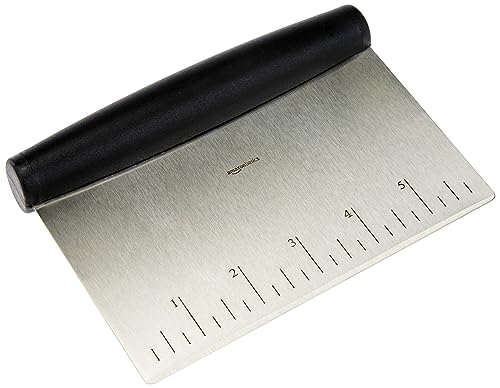
Cuts dough cleanly and scrapes the bench between batches.
Stainless steel

Even balls mean even pizzas; a scale is how you get them.

Stackable trays that keep balls separate and covered.
Silicone
Quick answer
- Weigh every piece; 250 to 280 g suits a 12 inch pizza.
- Fold the edges to the middle, flip seam down.
- Drag on a bare, slightly tacky bench to build tension.
- Pinch the seam closed underneath.
- Rest balls covered and spaced apart so they do not merge.
- If a ball tears while shaping, stop and let it rest 10 minutes.
Cut the bulk dough into equal pieces by weight, usually 250 to 280 g for a 12 inch pizza. Fold each piece's edges into the center to make a rough bundle, flip it seam down, then drag it toward you on an unfloured bench with cupped hands so the surface tightens into a smooth dome. Pinch the seam closed underneath and set it in a covered tray.
The goal is surface tension. A taut skin traps gas so the ball rises evenly, and a sealed seam stops it opening into an odd shape when you stretch. Loose, lumpy balls are the hidden cause of many oval or torn pizzas.
Compare the specs
- Check price on Amazon
Job: Divide and lift
- Check price on Amazon
Job: Equal weights
- Check price on Amazon
Job: Rest separately
| Tool | Job | Check price |
|---|---|---|
| Bench scraper | Divide and lift | Check price on Amazon |
| 0.1 g scale | Equal weights | Check price on Amazon |
| Proofing trays | Rest separately | Check price on Amazon |
Balling tools. Prices Nov 27, 2026.
In this guide
Amazon Basics Stainless Bench Scraper
Amazon Basics · Essential Tool
Cuts dough cleanly and scrapes the bench between batches.
- Material
- Stainless steel
Why we picked it: The cheapest tool that makes balling neater.
Pros
- Cheap
- Multipurpose
Cons
- None notable
Clean cuts. The bench scraper also lifts sticky balls without tearing them.
The numbers: Stainless steel dough cutter per the listing; about $5 (Nov 27, 2026 check).
Buy it if
Everyone who makes dough.
Skip it if
Nothing for the price.
Etekcity 0.1 g Kitchen Scale
Etekcity · Weigh Every Ball
Even balls mean even pizzas; a scale is how you get them.
- Resolution
- 0.1 g
Why we picked it: Weighing takes seconds and removes the guesswork.
Pros
- Precise
Cons
- Small
Consistency. Etekcity price; more in best kitchen scales.
The numbers: 0.1 g resolution per the listing; about $16 (Nov 27, 2026 check).
Buy it if
Anyone making more than one pizza.
Skip it if
Small platform.
KEVJES Stackable Silicone Pizza Dough Proofing Trays
KEVJES · Rest the Balls
Stackable trays that keep balls separate and covered.
- Material
- Silicone
- Stackable
- Yes
Why we picked it: Individual wells stop balls merging as they rise.
Pros
- Balls stay round
Cons
- Limited stock
Separate wells. KEVJES trays are compared in best proofing boxes.
The numbers: Stackable silicone proofing trays per the listing; about $26 (Nov 27, 2026 check; list $31). Stock listed as limited.
Buy it if
Bakers whose balls keep merging.
Skip it if
Limited stock on our check.
What you'll need
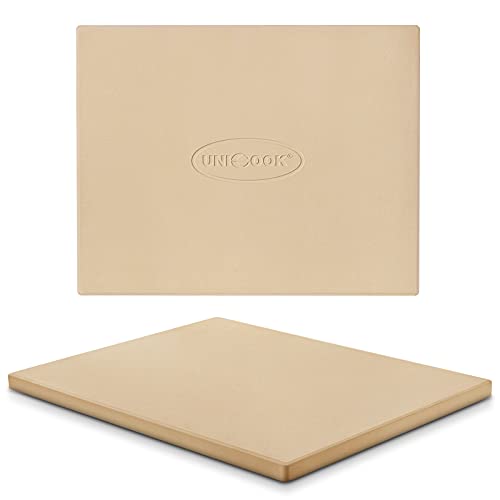
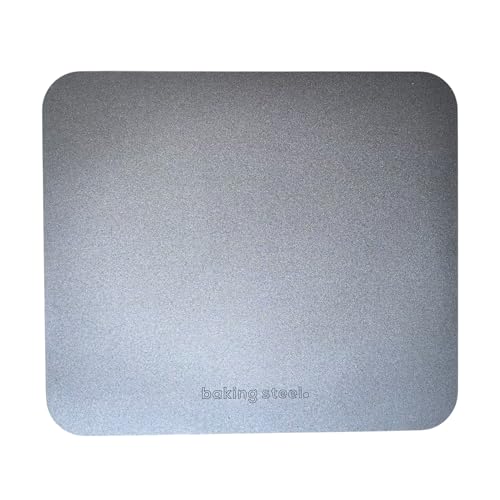
The five tools that do the work in every method on this site: a slab that stores heat, something to launch with, a way to read the surface, and a clean cut.


Common balling mistakes
Too much flour on the bench. The ball slides instead of gripping, so no tension builds. Keep the bench bare or barely floured. Overworking. Once the surface is smooth, stop; tearing the skin weakens it. Crowding. Balls that touch merge as they rise. Skipping the weigh. Uneven balls bake unevenly.
What comes next
After proofing, stretch by hand from the center out; see how to stretch pizza dough. Weights by pizza size are in how much dough per pizza.
How to Ball Pizza Dough
- 1
Divide by weight
Turn the dough out and cut pieces with a bench scraper, weighing each one. Use our ball weights guide for your pizza size.
- 2
Fold to the center
Pull each edge of a piece up and press it into the middle, working around like closing a pouch, five or six folds.
- 3
Flip and drag
Turn the bundle seam down. Cup both hands around it and drag it a few inches toward you on a bare bench; the friction tightens the top. Rotate a quarter turn and repeat three or four times.
- 4
Seal the base
Pinch the seam underneath closed with your fingertips.
- 5
Rest
Place seam down in a lightly oiled, lidded tray with space between balls. Proof per your recipe or refrigerate.
More ovens worth comparing
Beyond this guide, the top-ranked ovens across every fuel and budget, with a live price check on each.
- Check price on Amazon

- Check price on Amazon

- Check price on Amazon

- Check price on Amazon

- Check price on Amazon

- Check price on Amazon

As an Amazon Associate we earn from qualifying purchases, at no cost to you.
Quick shop: every pick
Frequently asked questions
How big should a pizza dough ball be?
About 250 to 280 g for a 12 inch Neapolitan pizza, more for larger or thicker pies. See our dough per pizza guide for every size.
When do you ball pizza dough?
After the bulk rise, before the final proof. For cold fermented dough, many bakers ball before refrigerating so the balls are ready to come out and warm.
Why won't my dough ball stay round?
It lacks surface tension or the seam is open. Drag it on a bare bench to tighten it and pinch the seam closed.
Should you oil pizza dough balls?
A light film of oil in the tray stops sticking and drying. Too much makes the bottom slick and hard to stretch.
Filed under Explainer · Part of Pizza Dough Fundamentals
Keep reading
The Bake, free weekly
Price drops worth knowing about, technique that matters, and every new review.