Our pick Ooni Koda 16
Check price on AmazonHow to Use a Pizza Steel (2026): Preheat, Rack, Broiler, and Care
A baking steel makes the crispest home-oven pizza there is, and it is harder to ruin than a stone, but it asks for a different routine: a shorter preheat, a higher rack, the broiler at the end, and a wipe of oil after cleaning so it never rusts. Here is the whole method.
We earn a commission on purchases through our links, at no cost to you. It never decides a ranking. How this works

Quick answer
- Rack position: upper third, 6-8 inches below the broiler element, not the bottom rack a stone would use.
- Preheat 45 minutes at the oven's maximum. A steel saturates faster than a stone, but the full 45 still matters; an infrared thermometer reading 500°F+ on the surface is the real cue.
- Bake 5-7 minutes, then broil 60-90 seconds at the end so the top catches up. Rotate once halfway.
- Steel can go into a hot oven, take a frozen pizza, and survive the self-clean cycle. Thermal shock is a stone problem, not a steel problem.
- It rusts. After cleaning, dry it on a burner and wipe a thin film of oil on before storing. Never soak it, never leave it wet.
Short version: put the steel on a rack in the upper third of the oven, about 6 to 8 inches below the broiler, set the oven to its maximum (500°F to 550°F), and preheat 45 minutes. Build the pizza on a floured peel, launch it onto the steel, bake 5 to 7 minutes, and for the last 60 to 90 seconds switch the broiler on so the top catches up with the bottom. Let the steel cool in the oven, scrape it, wipe it with a damp cloth, dry it on a warm burner, and rub on a thin film of oil before storing. Do that and a steel bakes a crisper, more blistered base than any stone, and lasts forever.
Why a steel works differently: steel conducts heat roughly 20 times faster than cordierite, so it dumps energy into the dough the instant they touch. That is what gives a steel its fast, spotted, pizzeria-style underside at a mere 500°F. It also means the top of the pizza falls behind, which is why the broiler finish is part of the method, and why the steel sits higher in the oven than a stone would. The same conductivity makes it a good reheating surface, a griddle, and a frozen-pizza machine that never cracks.
Our guidance is the consensus of the home-baking community and the care instructions the steel makers publish, cross-checked across the sources we track; we are a research and verification desk, not a test kitchen. Steels range from 1/4 inch to 1/2 inch thick, and thicker stores more heat for back-to-back pizzas at the cost of weight and preheat time; our stone vs. steel comparison covers which to buy.
What you'll need
The five tools that do the work in every method on this site: a slab that stores heat, something to launch with, a way to read the surface, and a clean cut.
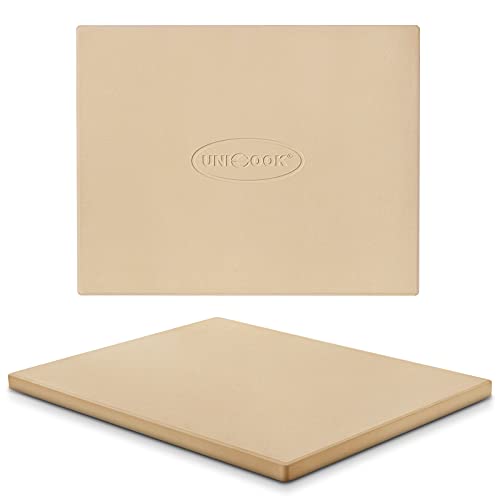
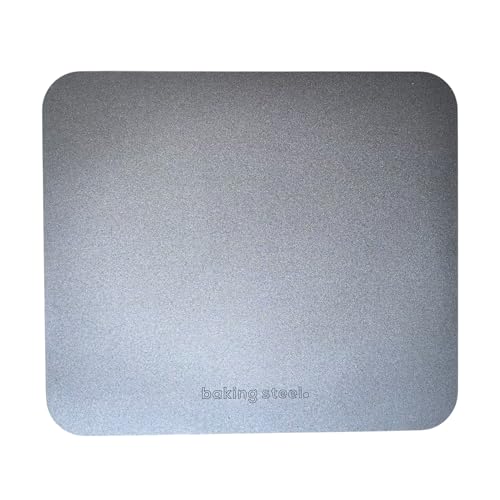


In this guide
Step one: rack position and preheat
A steel goes high in the oven, on a rack in the upper third with roughly 6 to 8 inches between the steel's surface and the broiler element. This is the reverse of stone advice, and the reason is the conductivity gap: a steel crisps the base so fast that the top of the pizza needs help, and sitting near the broiler is how it gets it. Too close (under 4 inches) and the cheese scorches before the base is done; too low and the top stays pale. Set the oven to its highest setting, 500°F on most, 550°F if yours allows, and preheat 45 minutes. Owners who skip to 20 minutes because "steel heats fast" get a base that is browned but not blistered; the slab needs time to saturate, not just warm.
The reliable readiness check is an infrared thermometer aimed at the center of the steel: you want 500°F or better before the first launch, and the surface should read within 20°F of the oven's set point. Unlike a stone, a steel can go into an already-hot oven without any risk; it does not crack. Thin 1/4-inch steels like most value models saturate in 30 to 40 minutes. The 3/8-inch Original Baking Steel (around $139 at time of writing) wants the full 45, and stores enough heat that the fourth pizza bakes almost as fast as the first.
Step two: the launch and the broiler finish
Build the pizza on a peel dusted with semolina or flour, the same way you would for a stone, and top it lightly; a steel punishes a wet, overloaded pie by steaming its base. A perforated metal peel sheds the excess flour that would otherwise scorch on the steel and taste bitter. Launch with one confident pull, front edge of the peel at the back of the steel. The dough sets on contact, which is part of why steels are easier to launch onto than a half-heated stone: there is no window for it to stick.
Bake 5 to 7 minutes at 500°F, rotating 180 degrees with a turning peel or a wide spatula at the halfway mark. Then the step that separates steel pizza from stone pizza: for the last 60 to 90 seconds, switch the oven to broil. The base is already done; the broiler gives the cheese its browned patches and the rim its leopard spotting, the top-heat a real pizza oven's dome would have supplied. Watch it the whole time; a broiler goes from spotted to black in 30 seconds. Some owners run the whole bake under the broiler on a high rack, a technique that works in ovens whose broiler cycles gently, and is a quick way to burn a pizza in ovens whose broiler does not. Start with the 60-second finish and adjust. Our temperature guide and timing chart cover the numbers for every crust style.
Cleaning a steel: scrape, wipe, dry, oil
Let the steel cool in the oven, then scrape any stuck cheese or char off with a bench scraper or metal spatula; the steel does not care how hard you scrape. Wipe it with a damp cloth, or for a real mess, wash it in the sink with hot water and a brush. Mild soap is tolerated on a well-seasoned steel, though most owners skip it, exactly as they do with cast iron. Then the part that matters: dry it completely. Towel it off and set it on a warm burner or back in the still-warm oven for a few minutes so every trace of water leaves. Finish with a thin film of neutral oil rubbed on with a paper towel, thin enough that the surface looks dry again. That coat blocks the rust and builds seasoning over time, the same way it does on a skillet.
Never soak a steel, never leave it in the sink, and never put it away wet. A bare steel left damp overnight shows orange rust by morning. If that happens, it is not ruined: scrub the rust off with steel wool or a stiff brush, rinse, dry on a burner, oil, and bake it at 400°F for an hour to re-season. Most steels arrive pre-seasoned; some value models ship with a protective coating that has to be washed off and replaced with your own oil before the first use, so read the card in the box. The self-clean cycle is fine for a steel, another place it beats a stone; it simply comes out needing a fresh coat of oil. Our stone cleaning guide explains why the two routines are near opposites.
What else a steel is good for
The conductivity that makes a steel a pizza machine makes it the best reheating surface in a home kitchen: a cold slice on a 450°F steel is crisp underneath in 3 to 4 minutes, the method our reheating guide ranks first. Frozen pizza goes straight onto the steel with no risk of the thermal shock that cracks ceramic stones, and comes out with a base the box never promised. A steel on the stovetop across two burners is a griddle for smash burgers and pancakes; a steel in the oven is a heat sink that evens out an oven's hot spots for bread, roasted vegetables, and sheet-pan dinners, which is why many owners leave it in permanently.
The trade-offs are weight and price. A 16 x 14 inch 3/8-inch steel weighs around 16 pounds, too heavy for some oven racks to take happily and too heavy to move often, and quality steels cost four to five times what a cordierite stone does. Readers who bake once a month and want the cheapest good floor should read our stone vs. steel comparison before spending; readers who bake every week and want the crispest base a kitchen oven can make already know which column they are in. The ranked picks for both are in our stones and steels guide.
How to use a pizza steel
- 1
Upper-third rack
Place the steel on a rack in the upper third of the oven, 6-8 inches below the broiler element.
- 2
Preheat 45 minutes at maximum
Set the oven to 500-550°F and wait 45 minutes. An infrared thermometer should read 500°F+ on the steel's surface.
- 3
Launch from a dusted peel
Build on a peel dusted with semolina or flour, top lightly, and slide it onto the steel with one confident pull.
- 4
Bake, rotate, broil
Bake 5-7 minutes, rotating once halfway. Switch to broil for the last 60-90 seconds so the top browns and blisters. Watch it.
- 5
Cool, scrape, dry, oil
Cool in the oven, scrape, wipe with a damp cloth, dry completely on a warm burner, and rub on a thin film of oil before storing.
Ready to buy? Start with our top picks
Whatever this guide steered you toward, here's where most readers land. Live price check on each.
- Check price on Amazon

- Check price on Amazon

- Check price on Amazon

- Check price on Amazon

- Check price on Amazon

- Check price on Amazon

As an Amazon Associate we earn from qualifying purchases, at no cost to you.
Key terms
- Thermal conductivity
- How fast a material moves heat into what touches it. Steel conducts roughly 20 times faster than cordierite, which is why a steel crisps a base at 500°F that a stone needs 600°F+ to match.
- Seasoning
- The polymerized oil film that forms on steel or cast iron with use. It blocks rust and makes the surface slicker. A thin oil coat after every clean maintains it.
- Broiler finish
- Switching the oven to broil for the last 60-90 seconds of a steel bake so the top of the pizza browns to match the base. The steel's substitute for a pizza oven's dome heat.
Frequently asked questions
What rack should a pizza steel go on?
A rack in the upper third of the oven, about 6 to 8 inches below the broiler element. Unlike a stone, a steel crisps the base so fast that the top needs broiler proximity to keep up.
How long do you preheat a pizza steel?
45 minutes at the oven's highest setting for a 3/8-inch steel; 30 to 40 minutes for a thinner 1/4-inch one. The cue that matters is an infrared thermometer reading 500°F or better on the surface.
Can a pizza steel go in a hot oven?
Yes. Steel does not suffer the thermal shock that cracks stones, so it can go into a hot oven, take a frozen pizza straight from the freezer, and run through a self-clean cycle.
Do you need to oil a pizza steel?
Yes, a thin film after every clean. The steel rusts if stored bare or damp. Dry it completely on a warm burner, rub on a thin coat of neutral oil with a paper towel, and store it. If rust appears, scrub it off, re-oil, and bake at 400°F for an hour.
Is a pizza steel better than a pizza stone?
For crispness and speed in a home oven, yes: a steel at 500°F produces the blistered base a stone needs far more heat to match, recovers faster between pizzas, and never cracks. A stone is lighter, far cheaper, and gentler on thick-crust styles that bake longer. Our stone vs. steel comparison covers the full decision.
Filed under Explainer · Part of Pizza Oven 101, Accessories & Technique
Keep reading
The Bake, free weekly
Price drops worth knowing about, technique that matters, and every new review.