Our pick VEVOR Pizza Steel
Check price on AmazonPizza Dough Without Yeast: The Baking Powder Recipe
250 g flour, 8 g baking powder, 4 g salt, 150 g water and 25 g olive oil make one 12 inch pizza in about 30 minutes. Below: the ratios in grams, cups and baker's percentages, why chemically leavened dough eats more like a biscuit than a bread crust, and how to bake it on a steel, a stone or in a pizza oven.
We earn a commission on purchases through our links, at no cost to you. How this works

Quick answer
- The ratio: 100% flour, 60% water, 10% olive oil, 3.2% baking powder, 1.6% salt. That is 250 g flour for one 12 inch pizza.
- Total time is about 30 minutes: 5 minutes to mix, 10 minutes to rest, 15 minutes to bake. There is no rise and no cold ferment.
- Expect a tender, biscuit-like crust, not a chewy, blistered one. No fermentation means less flavor and a weaker gluten structure.
- Bake on a preheated pizza steel or stone at 475 to 500°F. In a pizza oven, run the floor lower than you would for yeasted dough, around 650 to 700°F, because the oil and the dense crumb burn before they cook through at 850°F.
- Use double acting baking powder and bake the dough within about 30 minutes of mixing, while the second, heat activated reaction is still available.
Short answer: mix 250 g (2 cups) all purpose flour, 8 g (2 tsp) baking powder and 4 g (3/4 tsp) salt, then stir in 150 g (2/3 cup) water and 25 g (2 tbsp) olive oil. Knead for one minute, rest 10 minutes, stretch to 12 inches and bake at 475 to 500°F on a preheated steel or stone for 10 to 13 minutes.
Baking powder replaces yeast by producing carbon dioxide chemically instead of through fermentation, so there is no rise time at all. The tradeoff is texture. With no fermentation and almost no kneading, the gluten network stays short and the crumb comes out tender, close textured and a little cake-like, closer to a biscuit or soda bread than to a chewy pizzeria crust. That is not a flaw in the recipe, it is what chemical leavening does, and the method below is built around it.
What you'll need
The five tools that do the work in every method on this site: a slab that stores heat, something to launch with, a way to read the surface, and a clean cut.


In this guide
The recipe at a glance
One 12 inch pizza, about 0.25 inch thick. Double everything for two. Weights are the reliable measure; the cup figures assume flour spooned into the cup and leveled, which is roughly 125 g per cup.
| Ingredient | Grams | US measure | Baker's % |
|---|---|---|---|
| All purpose flour | 250 g | 2 cups | 100% |
| Water, room temperature | 150 g | 2/3 cup | 60% |
| Olive oil | 25 g | 2 tbsp | 10% |
| Baking powder, double acting | 8 g | 2 tsp | 3.2% |
| Fine salt | 4 g | 3/4 tsp | 1.6% |
The total dough weight is about 437 g. Over a 12 inch round, which is 113 square inches, that is roughly 3.9 g per square inch, around twice what a thin Neapolitan base carries (see how much dough per pizza). That is deliberate. Chemically leavened dough rises less in the oven than a fermented one, so it needs more mass to end up with a crust that has some body. If you want it thinner and crisper, stretch the same dough to 14 inches.
Equipment
A quick dough leans harder on the oven than a fermented one, because there is no fermentation building flavor and structure in advance. Four things make the difference.
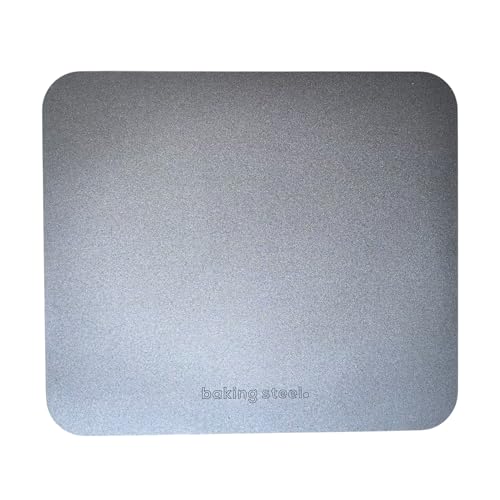
- Baking Steel Original: steel conducts heat into the base faster than stone, which is what sets the bottom of a dense, oily dough before the top overbakes.
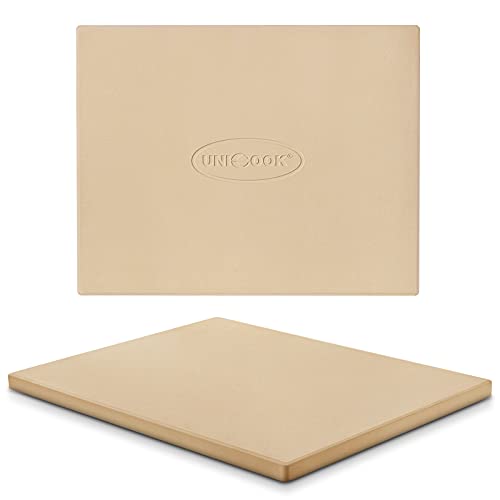
- Unicook cordierite pizza stone: the cheaper alternative, gentler than steel, and a good fit if your oven tops out at 475°F.
- OXO 11 lb kitchen scale: baking powder is the one ingredient you cannot eyeball. Too much tastes metallic, too little gives a flat cracker.
- Chef Pomodoro aluminum peel: a thin metal edge slides under a par-baked crust cleanly so you can top it and return it to the steel.
The steel against stone question is covered in pizza stone vs steel, and the wider comparison is in best pizza stones and steels.
Why it tastes and chews like a biscuit
Yeasted pizza dough gets two things from time: flavor and structure. During fermentation, yeast and bacteria break starch down into sugars, acids and aromatic compounds, which is where the bready, slightly tangy flavor of a good crust comes from. The long rest also lets the gluten network organize itself into the stretchy, gas holding web that produces large open holes and chew.
Baking powder skips both. It is a mix of sodium bicarbonate and one or more dry acids. Double acting baking powder releases some carbon dioxide as soon as it gets wet and the rest when it heats up in the oven. The gas is produced in a few minutes instead of a few hours, so there is no fermentation flavor, and because the dough is barely kneaded, the gluten stays short. Short gluten plus fat is the definition of a tender crumb, which is exactly why biscuits, scones and soda bread are made this way.
So the realistic target is a crisp bottom, a soft and close textured interior and a mild flavor that leans on the toppings. If you want chew, blistering and a leopard spotted rim, you need yeast and time; the yeasted ratios are in pizza dough salt and yeast ratios and the time question is in cold ferment vs same day pizza dough.
Baking it: home oven, steel or stone, and pizza oven
| Setup | Temperature | Time | Notes |
|---|---|---|---|
| Home oven, pizza steel | 475 to 500°F | 9 to 12 min | Upper third rack, 45 to 60 min preheat |
| Home oven, pizza stone | 500°F | 11 to 14 min | Allow the full hour of preheat |
| Home oven, sheet pan | 450°F | 14 to 18 min | Oil the pan, bake on the lowest rack |
| Pizza oven | 650 to 700°F floor | 2 to 4 min | Turn every 30 to 45 seconds |
Par-baking. Because the crumb is dense, a fully loaded raw base can stay pale and gummy under the sauce. Baking the plain, docked crust for 3 to 4 minutes in a home oven, or 30 to 45 seconds in a pizza oven, sets the surface. Then top it and return it to finish.
Why lower in a pizza oven. At the 800 to 900°F floor temperatures a gas or wood oven reaches, a Neapolitan dough cooks in about 90 seconds because it is thin, wet and lean. This dough is thicker and contains 10 percent oil, so at full heat the oil and the bottom scorch before the middle is done. Let the oven settle to around 650 to 700°F on the floor, check it with an infrared thermometer, and bake it like a New York pie. The general reference is our pizza oven temperature chart.
Swaps and variations
- Self-rising flour. Self-rising flour already contains baking powder and salt. Use 250 g self-rising flour and leave out the baking powder and salt. Or skip the water and oil and use Greek yogurt instead, covered in Greek yogurt pizza dough.
- Milk instead of water. Replace the water with the same weight of milk for a softer, richer, browner crust. The milk sugars brown faster, so watch the rim.
- Baking soda and an acid. If you only have baking soda, use 2 g (1/2 tsp) and replace half the water with plain yogurt or buttermilk so there is acid for it to react with. Baking soda alone with water tastes soapy and barely rises.
- Bread flour. Higher protein flour gives a little more chew, though without fermentation the difference is smaller than in a yeasted dough. The flour options are compared in best flour for pizza dough.
- Herbs and garlic. With no fermentation flavor of its own, this dough benefits from 1 tsp dried oregano or 1/2 tsp garlic powder whisked into the flour.
Common problems
Bitter or metallic taste. Too much baking powder, or it was not whisked in evenly. Weigh it and whisk the dry ingredients for a full 20 seconds.
Flat and cracker hard. The baking powder is old or the dough sat too long before baking. Test baking powder by dropping 1/2 tsp into hot water; it should fizz hard. Bake within about 30 minutes of mixing.
Tough and chewy in a bad way. Overkneaded. One minute is enough. Rest it instead of working it.
Gummy middle. Too thick, too heavily topped, or the surface was not hot enough. Par-bake, top lighter, and give the steel or stone the full preheat. The underlying mechanism is the same one covered in why is my pizza soggy in the middle.
How to Make Pizza Dough Without Yeast
- 1
Preheat the oven and the surface
Put a pizza steel or stone on a rack in the upper third of a home oven and preheat at 500°F for 45 to 60 minutes. The surface, not the air, does most of the work on a quick dough like this.
- 2
Whisk the dry ingredients
Whisk 250 g (2 cups) all purpose flour, 8 g (2 tsp) double acting baking powder and 4 g (3/4 tsp) fine salt in a bowl until the baking powder is evenly distributed. Lumps of baking powder leave bitter, soapy spots.
- 3
Add the water and oil
Pour in 150 g (2/3 cup) room temperature water and 25 g (2 tbsp) olive oil. Stir with a spatula until a shaggy dough forms and no dry flour remains.
- 4
Knead briefly
Turn the dough onto a lightly floured counter and knead for 30 to 60 seconds, just until it is smooth. Longer kneading builds more gluten and makes this dough tough rather than chewy.
- 5
Rest 10 minutes
Cover the dough with the upturned bowl and rest it for 10 minutes. This lets the flour hydrate and the gluten relax so it stretches without springing back.
- 6
Shape and top
Press and roll the dough to a 12 inch round on a floured peel or a sheet of parchment, about 1/4 inch thick. Top lightly, because a dense crumb does not carry a heavy, wet load well.
- 7
Bake
Slide the pizza onto the steel or stone and bake for 10 to 13 minutes at 500°F, until the rim is golden and the base is browned underneath. For a crisper base or heavier toppings, par-bake the plain crust for 4 minutes first, then top and finish.
Ready to buy? Start with our top picks
Whatever this guide steered you toward, here's where most readers land. Live price check on each.
- Check price on Amazon

- Check price on Amazon

- Check price on Amazon

- Check price on Amazon

- Check price on Amazon

- Check price on Amazon

As an Amazon Associate we earn from qualifying purchases, at no cost to you.
Frequently asked questions
Can you make pizza dough without yeast?
Yes. Baking powder leavens it chemically instead. Use 250 g flour, 8 g baking powder, 4 g salt, 150 g water and 25 g olive oil for one 12 inch pizza. It needs no rise time, but the crust is more tender and biscuit-like than a yeasted one.
What can I use instead of yeast in pizza dough?
Double acting baking powder is the standard substitute, at about 3 to 4 percent of the flour weight. Self-rising flour, which already contains baking powder and salt, also works, as does baking soda paired with an acid such as yogurt or buttermilk.
Does no yeast pizza dough need to rise?
No. Baking powder produces its gas as soon as it is wet and again when it heats up, so the dough only needs a 10 minute rest to relax the gluten before shaping. Letting it sit for hours does not help and can leave it flatter.
Why does my no yeast pizza crust taste like a biscuit?
Because it is made the same way a biscuit is: chemical leavening, fat and very little kneading. With no fermentation there is no bready flavor, and with no gluten development the crumb stays short and tender. That is expected, not a mistake.
How long do you bake pizza dough without yeast?
About 10 to 13 minutes at 475 to 500°F on a preheated pizza steel or stone, or 14 to 18 minutes at 450°F on an oiled sheet pan. In a pizza oven, lower the floor to roughly 650 to 700°F and bake for 2 to 4 minutes, turning often.
Can you make no yeast pizza dough ahead of time?
Not really. The first reaction of double acting baking powder starts as soon as it gets wet, so dough held for hours loses some lift. Mix the dry ingredients ahead and add the water and oil right before you bake. A par-baked crust can be cooled, wrapped and refrigerated for a day.
Keep reading
How to Make Pizza in a Regular Oven
Rack position, preheat and bake times for the home oven this recipe is written for.
Pizza Dough Salt and Yeast Ratios
When you want chew and flavor back, these are the yeasted ratios in baker's percentages.
How Much Dough Per Pizza
The weight table by size, with the arithmetic shown.
Best Pizza Stones and Steels
The baking surface matters more for a quick dough. The options compared.
The Bake, free weekly
Price drops worth knowing about, technique that matters, and every new review.