Our pick VEVOR Pizza Steel
Check price on AmazonPizza Sauce vs Marinara: The Differences and Swaps
Pizza sauce is thicker, simpler and often uncooked because it cooks on the pizza. Marinara is a thinner, simmered sauce with garlic, onion and herbs, made for pasta and dipping. Here is the side by side, and how to use one in place of the other without a soggy pizza.
We earn a commission on purchases through our links, at no cost to you. How this works

Quick answer
- Thickness: pizza sauce is thick enough to hold a line when spread. Marinara is pourable.
- Cooking: pizza sauce is often raw or briefly cooked. Marinara is simmered, usually 20 to 30 minutes or longer.
- Seasoning: Neapolitan pizza sauce is tomatoes and salt. Marinara adds garlic, often onion, olive oil and herbs such as basil and oregano.
- Marinara on pizza: reduce it by about a quarter or drain it in a sieve, blend if chunky, and use 70 to 90 g on a 12 inch pizza.
- Pizza sauce for pasta or dipping: thin it with a splash of pasta water or tomato juice and warm it with olive oil and garlic.
Short answer: pizza sauce is thick, lightly seasoned and often not cooked at all, because it cooks on the pizza in the oven. Marinara is thinner, simmered for 20 to 30 minutes or more, and seasoned with garlic, onion and herbs, because it is finished in the pan for pasta or served for dipping. You can use marinara on pizza if you thicken it first and use less, about 70 to 90 g on a 12 inch pizza.
The difference that causes problems is water. A thin sauce on raw dough soaks in before the crust sets, and that is the usual reason a pizza made with jarred pasta sauce comes out soft in the middle. Below: the comparison table, why each sauce is built the way it is, and the simple fixes for swapping in either direction.
We are a research and verification desk, not a test kitchen. This page sets out the standard definitions and methods for both sauces. Commercial products vary widely, so read the label as well as the name.
What you'll need
The five tools that do the work in every method on this site: a slab that stores heat, something to launch with, a way to read the surface, and a clean cut.


In this guide
The difference in one table
| Feature | Pizza sauce | Marinara | Why it matters |
|---|---|---|---|
| Texture | Thick, spreadable | Thinner, pourable | Thin sauce soaks into raw dough |
| Cooking | Often raw, or briefly cooked | Simmered, usually 20 to 30 min or more | Pizza sauce cooks again in the oven |
| Seasoning | Tomatoes, salt, maybe oregano or basil | Garlic, often onion, olive oil, herbs | Strong seasoning gets louder in a hot oven |
| Texture of tomato | Smooth or finely crushed | Smooth to chunky | Chunks hold water and spread unevenly |
| Main use | Base layer under cheese | Pasta, dipping, sauces for meatballs | Each is built for its job |
| Amount used | About 70 to 90 g on a 12 inch pizza | A ladle per serving of pasta | Pizza needs far less sauce |
Equipment
Whichever sauce you use, a hot base and a measured amount are what stop it from soaking into the crust.
- OXO 11 lb kitchen scale: weighing 70 to 90 g of sauce for a 12 inch pizza is the single most effective fix when swapping in a thinner marinara.
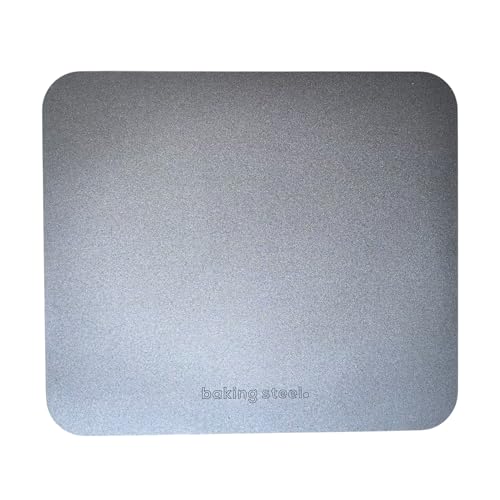
- Baking Steel Original: a preheated steel sets the bottom crust fast enough that a slightly wet sauce does not have time to soak in.
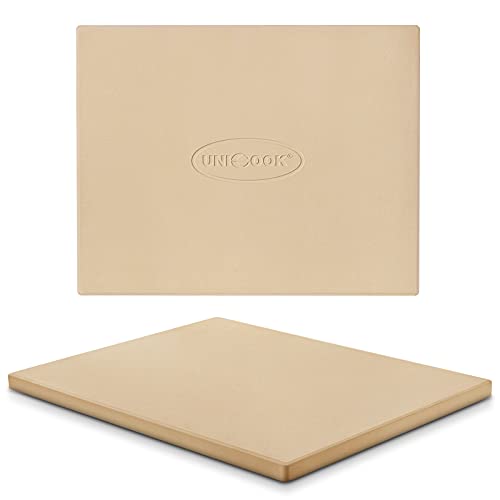
- Unicook cordierite pizza stone: the lower cost slab, a step up from baking on a sheet pan for any sauce.
- Chef Pomodoro aluminum peel: sauce on the peel and launch straight away; a wet sauce left sitting on raw dough is what makes it stick.
- OXO steel pizza wheel: cuts cleanly so the sauce and cheese stay on the slice.
Comparisons: best pizza stones and steels and best kitchen scales for baking.
Why pizza sauce is thick and plain
Pizza sauce goes into an oven on top of raw dough. In a pizza oven that is 60 to 90 seconds at a floor above 800°F; in a home oven on a steel it is about 6 to 10 minutes at 500 to 550°F. Either way, the sauce cooks a second time and loses water, so it starts thick and lightly seasoned.
The Neapolitan approach is the simplest version: crushed peeled tomatoes and salt, no cooking. New York style sauces are often seasoned with oregano and sometimes garlic, and are sometimes simmered to concentrate them. Both recipes are covered step by step, with the amount per pizza size, in our pizza sauce recipe. If you want a ready made pizza sauce instead of adapting a marinara, jarred and canned options such as Rao's Homemade pizza sauce and Don Pepino are compared in our best pizza sauce guide. The style background is in Neapolitan vs New York pizza.
Why marinara is thinner and more seasoned
Marinara is a quick Italian American tomato sauce: olive oil, garlic, often onion, tomatoes and herbs, simmered until it comes together. It is meant to coat pasta, so it is looser, and it is not going to be cooked again, so it carries its full seasoning from the pan.
Jarred marinaras vary a lot. Some are close to a pizza sauce in thickness; many are thinner and sweeter, and some add cheese, sugar or vegetables. Widely sold examples range from Rao's Homemade Marinara to Prego and Classico. Check the ingredient list and the texture before deciding how much to adjust it.
Using marinara as pizza sauce
It works. The fixes are all about water.
- Thicken it. Simmer uncovered for 10 to 15 minutes until it reduces by about a quarter, or drain it in a fine sieve for 15 minutes and discard the thin liquid.
- Smooth it. If it is chunky, pulse it briefly so it spreads evenly. Chunks of tomato and onion hold pockets of water.
- Cool it. Warm sauce on raw dough makes the dough slack and sticky.
- Use less. About 70 to 90 g on a 12 inch pizza, spread thin to about 3/4 inch from the rim.
- Bake hot. A steel or stone preheated for 45 to 60 minutes sets the base before the sauce can soak in. See how to use a pizza steel.
If the pizza still comes out soft in the center, the sauce is rarely the only cause; why is my pizza soggy in the middle goes through the others in order.
Using pizza sauce as marinara
Also fine. Pizza sauce is usually too thick and too plain for pasta as it is.
- Warm 1 to 2 tbsp olive oil with a sliced garlic clove, then add the pizza sauce.
- Thin it with a splash of pasta water or tomato juice until it coats a spoon loosely.
- Simmer for 5 to 10 minutes, then add basil and taste for salt.
For dipping breadsticks, calzones or stromboli, warm pizza sauce often works as is, since a thicker dip clings better.
Other tomato sauces people mix up
- Spaghetti or pasta sauce: a broad label for jarred tomato sauces, often thicker and sweeter than marinara, sometimes with meat or vegetables. Treat it like marinara when using it on pizza.
- Tomato puree: cooked and strained tomatoes with no seasoning. A good base for a cooked pizza sauce.
- Tomato paste: very concentrated. A spoon stirred into a thin marinara is a quick way to thicken it for pizza.
- Passata: uncooked or lightly cooked strained tomatoes, common in Italy, usually smooth and fairly thin.
Not every pizza needs tomato at all: white pizza sauce covers garlic bechamel and ricotta bases. For the dough the sauce goes on, how much dough per pizza has the weights by size and how to make pizza in a regular oven has the home oven method.
Ready to buy? Start with our top picks
Whatever this guide steered you toward, here's where most readers land. Live price check on each.
- Check price on Amazon

- Check price on Amazon

- Check price on Amazon

- Check price on Amazon

- Check price on Amazon

- Check price on Amazon

As an Amazon Associate we earn from qualifying purchases, at no cost to you.
Frequently asked questions
What is the difference between pizza sauce and marinara?
Pizza sauce is thicker, simpler and often uncooked, because it cooks on the pizza. Marinara is thinner, simmered, and seasoned with garlic, often onion, olive oil and herbs, because it is a finished sauce for pasta or dipping.
Can I use marinara sauce for pizza?
Yes. Reduce it for 10 to 15 minutes or drain it in a sieve so it is thicker, blend it if chunky, let it cool, and use only about 70 to 90 g on a 12 inch pizza. Bake on a preheated steel or stone so the base sets quickly.
Can I use pizza sauce instead of marinara for pasta?
Yes. Warm it with olive oil and garlic, thin it with pasta water or tomato juice until it coats a spoon loosely, simmer 5 to 10 minutes and add basil.
Is pizza sauce cooked?
Often not. Neapolitan style pizza sauce is crushed tomatoes and salt, uncooked, because it cooks on the pizza. Some New York style sauces are simmered briefly to concentrate them. Marinara is always cooked.
Is marinara sweeter than pizza sauce?
Jarred marinara often is, because many brands add sugar or use sweeter tomato bases. Homemade pizza sauce is usually just tomatoes and salt, so its sweetness comes only from the tomatoes.
Can you use spaghetti sauce on pizza?
Yes, with the same fixes as marinara: thicken, smooth, cool and use less. Spaghetti sauces with meat or large vegetable pieces are better blended or drained first.
Filed under Explainer · Part of Pizza Recipes
Keep reading
Neapolitan vs New York Pizza
Where the plain raw sauce and the seasoned New York sauce come from.
Why Is My Pizza Soggy in the Middle?
Thin sauce is a common cause. The full list of fixes, in order.
How to Make Pizza in a Regular Oven
The home oven setup that lets a slightly wetter sauce still bake crisp.
How to Use a Pizza Steel
Preheat, rack height and bake times for the fastest home oven base.
The Bake, free weekly
Price drops worth knowing about, technique that matters, and every new review.