Our pick VEVOR Pizza Steel
Check price on AmazonWhite Pizza Sauce: Garlic Bechamel and Ricotta Versions
Three white pizza sauces and when to use each: a garlic bechamel that makes about 300 g in 10 minutes, a richer alfredo style cream sauce, and a no-cook ricotta garlic spread. Quantities in grams and cups, how much per pizza, and how each one handles a home oven and a pizza oven.
We earn a commission on purchases through our links, at no cost to you. How this works

Quick answer
- Garlic bechamel: 28 g butter, 16 g flour, 240 g whole milk, 2 garlic cloves, 25 g Parmigiano, salt, pepper and a pinch of nutmeg. About 300 g, ready in 10 minutes, stable at high heat.
- Alfredo style: 28 g butter, 120 g heavy cream, 2 garlic cloves, 40 g Parmigiano. Richer, but the fat can separate in a 700°F plus pizza oven, so use a thin layer.
- Ricotta garlic: 250 g whole milk ricotta, 2 tbsp olive oil, 2 garlic cloves, 25 g Parmigiano, lemon zest, salt and pepper. No cooking, spread or dollop.
- Use about 70 to 90 g of white sauce on a 12 inch pizza, spread thin and stopped about 3/4 inch from the rim.
- Cool cooked white sauces before spreading. Warm sauce on raw dough makes it slack and likely to stick to the peel.
Short answer: the most reliable white pizza sauce is a garlic bechamel. Melt 2 tbsp (28 g) butter, cook 2 tbsp (16 g) flour in it for a minute, whisk in 1 cup (240 g) whole milk, simmer until thick, then stir in 2 grated garlic cloves and 1/4 cup (25 g) Parmigiano. It makes about 300 g, enough for three or four 12 inch pizzas at 70 to 90 g each.
The other two common white sauces are an alfredo style sauce of butter, cream, garlic and Parmigiano, which is richer and can split at very high heat, and a no-cook ricotta garlic spread, which is the base of a classic New York white pizza. A plain garlic and olive oil base, the pizza bianca approach, is the simplest option of all.
We are a research and verification desk, not a test kitchen. These are the standard methods for each sauce. The per pizza quantities follow the same area based arithmetic we use for tomato sauce, so they scale to any size.
What you'll need
The five tools that do the work in every method on this site: a slab that stores heat, something to launch with, a way to read the surface, and a clean cut.


In this guide
The three sauces in brief
| Sauce | Base | Cook? | Best for |
|---|---|---|---|
| Garlic bechamel | Butter, flour, milk, garlic, Parmigiano | Yes, 10 min | All round; stable in any oven |
| Alfredo style | Butter, cream, garlic, Parmigiano | Yes, 5 min | Chicken, broccoli, spinach pizzas in a home oven |
| Ricotta garlic | Ricotta, olive oil, garlic, Parmigiano | No | Classic New York white pizza |
| Garlic oil | Olive oil, garlic, herbs | No | Pizza bianca, pizza oven bakes |
Equipment
White sauces are wetter and richer than tomato sauce, so the pizza needs a fast, hot base to stay crisp underneath.
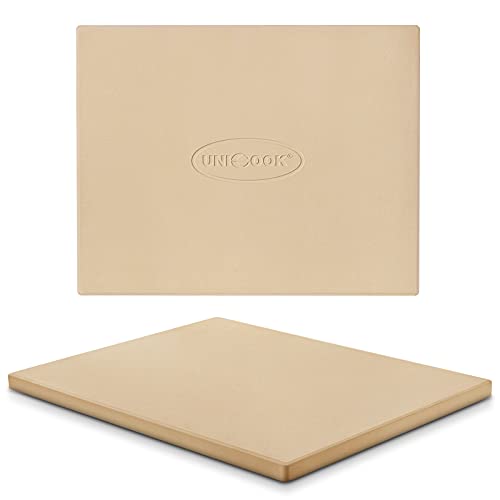
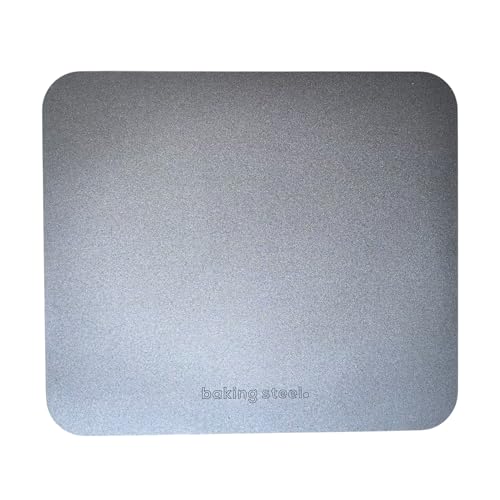
- Baking Steel Original: a steel browns the base quickly in a home oven, which keeps a dairy based sauce from soaking into the crust.
- Chef Pomodoro aluminum peel: build and launch quickly, since a creamy sauce on raw dough is what glues a pizza to the peel.
- OXO 11 lb kitchen scale: weighing 70 to 90 g of sauce per pizza is the easiest way to avoid a greasy, soggy white pizza.
- Ooni infrared thermometer: tells you when a pizza oven floor has dropped into the range where a cream sauce will not split.
- KitchenStar 16 inch rocker cutter: one press through a loaded white pizza without dragging the toppings across it.
Comparisons: best pizza steel, best pizza peels and best pizza cutters.
Alfredo style white pizza sauce
- 2 tbsp (28 g) butter
- 1/2 cup (120 g) heavy cream
- 2 garlic cloves, finely grated
- About 1/2 cup (40 g) finely grated Parmigiano
- Black pepper, and salt to taste
Melt the butter over medium low heat and cook the garlic for about 1 minute without browning. Add the cream, bring to a gentle simmer and reduce for 2 to 3 minutes. Off the heat, whisk in the Parmigiano until smooth and season. It thickens as it cools. Makes roughly 180 to 200 g, enough for two 12 inch pizzas.
Because there is no flour to stabilise it, an alfredo style sauce can separate into fat and solids under the very high heat of a pizza oven. Use it thin, and it is best in a home oven at 500 to 550°F. Stirring 1 tsp of flour into the melted butter before the cream, which turns it into a light bechamel, makes it much more stable.
Ricotta garlic white pizza sauce
- 1 cup (250 g) whole milk ricotta
- 2 tbsp (27 g) extra virgin olive oil
- 2 garlic cloves, finely grated
- 1/4 cup (25 g) finely grated Parmigiano or Pecorino Romano
- Zest of half a lemon, optional
- About 1/4 tsp salt, black pepper, a pinch of red pepper flakes
Stir everything together. No cooking. If the ricotta is wet, drain it in a sieve for 30 minutes first. Spread a thin layer over the base, or follow the New York white pizza approach: brush the dough with garlic oil, add mozzarella, then dollop the ricotta mix on top in spoonfuls so it browns in patches. Makes about 300 g.
The simplest white base of all is garlic oil: warm 3 tbsp olive oil with 2 sliced garlic cloves and a pinch of dried oregano for a minute, cool, and brush it over the dough. It is the right choice in a pizza oven, where there is no dairy to split.
How much white sauce per pizza
Use the same amount by weight as the tomato sauce in our pizza sauce recipe, about 0.6 to 0.8 g per square inch, but spread it thinner, because dairy sauces are richer and do not evaporate the way tomato does.
| Pizza size | White sauce | Approx. volume | Bechamel batch covers |
|---|---|---|---|
| 10 in | 47 to 63 g | 3 to 4 tbsp | 5 to 6 pizzas |
| 12 in | 68 to 90 g | About 1/3 cup | 3 to 4 pizzas |
| 14 in | 92 to 123 g | About 1/2 cup | 2 to 3 pizzas |
| 16 in | 121 to 161 g | 1/2 to 2/3 cup | About 2 pizzas |
A 300 g bechamel batch divided by the range for each size gives the last column. Stop the sauce about 3/4 inch from the edge so the rim can rise. For the matching dough weights, see how much dough per pizza.
Baking white sauce pizzas
Home oven on a steel or stone: preheat at 500 to 550°F for 45 to 60 minutes and bake for about 6 to 10 minutes. All three sauces work. The method is in how to make pizza in a regular oven.
Pizza oven: bechamel, ricotta and garlic oil all handle a 60 to 90 second bake. Alfredo style is the one to watch: if it separates, use a thinner layer next time or let the floor settle a little lower before launching. Our pizza oven temperature chart has the floor ranges.
Half and half: for a pizza that is half white and half red, keep each sauce to its own half and use the low end of the amount for both. If you are unsure which red sauce to use, pizza sauce vs marinara sets out the difference.
Toppings that suit a white base: spinach squeezed dry, mushrooms sauteed first, chicken, broccoli, caramelised onions, prosciutto added after the bake, and fresh basil or arugula at the end. Pre cook anything watery, because a white pizza has no tomato acidity to balance a soggy center. If it does go soft in the middle, why is my pizza soggy in the middle covers the fixes.
Storage: keep cooked white sauces and the ricotta mix covered in the fridge and use within 3 to 4 days, in line with USDA's general leftovers guidance. Bechamel thickens when cold; whisk in a spoon of milk to loosen it.
How to Make Garlic Bechamel White Pizza Sauce
- 1
Make the roux
Melt 2 tbsp (28 g) butter in a small saucepan over medium heat. Whisk in 2 tbsp (16 g) all purpose flour and cook for about 1 minute, stirring, without letting it brown.
- 2
Add the milk
Pour in 1 cup (240 g) whole milk a little at a time, whisking constantly so no lumps form. Room temperature or warm milk incorporates more easily than cold.
- 3
Simmer until thick
Bring to a gentle simmer and cook 3 to 5 minutes, whisking, until it coats the back of a spoon thickly. It should be thicker than a pasta bechamel, about like yogurt.
- 4
Season
Off the heat, stir in 2 finely grated garlic cloves, 1/4 cup (25 g) finely grated Parmigiano, about 1/4 tsp salt, black pepper and a small pinch of nutmeg.
- 5
Cool and spread
Let it cool to room temperature; it will thicken further. Spread 70 to 90 g on a 12 inch pizza, leaving about 3/4 inch at the rim, then top with mozzarella and whatever else you are using.
Ready to buy? Start with our top picks
Whatever this guide steered you toward, here's where most readers land. Live price check on each.
- Check price on Amazon

- Check price on Amazon

- Check price on Amazon

- Check price on Amazon

- Check price on Amazon

- Check price on Amazon

As an Amazon Associate we earn from qualifying purchases, at no cost to you.
Frequently asked questions
What is white pizza sauce made of?
Most white pizza sauces are a garlic bechamel of butter, flour, milk, garlic and Parmigiano, or an alfredo style sauce of butter, cream, garlic and Parmigiano. A ricotta garlic spread and a plain garlic olive oil base are the other common options.
Is white pizza sauce the same as alfredo sauce?
Not always. Alfredo style sauce is one kind of white pizza sauce, made with butter, cream and Parmigiano. Many pizzerias use a bechamel instead, which is thickened with flour and holds together better at high heat.
Can I use jarred alfredo sauce on pizza?
Yes. Spread it thin, about 70 to 90 g on a 12 inch pizza, and stop short of the rim. Jarred alfredo is thinner than a homemade pizza sauce, so a heavy layer will make the center soggy.
What cheese goes on white sauce pizza?
Low moisture mozzarella as the main melting cheese, with Parmigiano, Pecorino Romano, provolone or fontina for flavor. Ricotta dolloped on top is the New York white pizza approach.
Do you need sauce on a white pizza?
No. A classic New York white pizza often uses only garlic oil, mozzarella and ricotta. Sauce gives a creamier result, while garlic oil gives a crisper, lighter pizza.
Why did my white sauce pizza get greasy?
Usually a cream based sauce separating under high heat, or too much sauce. Switch to a bechamel, which is stabilised by flour, use 70 to 90 g on a 12 inch pizza, and use low moisture rather than fresh mozzarella.
Filed under Explainer · Part of Pizza Recipes
Keep reading
How to Make Pizza in a Regular Oven
The steel or stone setup and bake times a white sauce pizza needs at home.
Neapolitan vs New York Pizza
The two styles behind pizza bianca and the New York white pie.
Why Is My Pizza Soggy in the Middle?
Rich sauces and wet toppings are common causes. The fixes, in order.
Best Pizza Steel
The slabs that keep a white pizza crisp underneath in a home oven.
The Bake, free weekly
Price drops worth knowing about, technique that matters, and every new review.