Our pick Lodge 12 in Dual Handle Cast Iron Pan
Check price on AmazonCast Iron Pan Pizza: The No Knead Skillet Method
A wet, no knead dough fermented overnight, pressed into a heavily oiled cast iron skillet, proofed until puffy and baked at 550°F, so the bottom fries crisp and golden under a thick, airy crumb. Below: the recipe in grams, cups and baker's percentages, the full timeline, the method step by step, and how to bake it in a home oven or a pizza oven.
We earn a commission on purchases through our links, at no cost to you. How this works

Our pick
Lodge 12 in Dual Handle Cast Iron PanBest for Small Ovens and Pan Pizza. From Best Cast Iron Pizza Pan (2026).
Quick answer
- Dough per 10 to 12 inch skillet: 200 g bread flour, 140 g water, 4 g salt, 2 g instant yeast, 4 g olive oil. That is 70 percent hydration, 2 percent salt, 1 percent yeast.
- No kneading. Mix until no dry flour remains and let 8 to 24 hours of fermentation build the gluten.
- Use more oil than feels right, about 2 tbsp in the skillet. The crust fries in it.
- Proof in the pan about 2 hours, until the dough reaches the edges and looks puffy. Underproofed dough bakes dense.
- Bake at 550°F, or your oven's maximum, on the lowest or lower middle rack for 12 to 15 minutes. If the bottom is pale, finish it on the stovetop over medium heat for 1 to 3 minutes.
Short answer: for one 10 to 12 inch cast iron skillet, stir together 200 g bread flour, 140 g water (70 percent), 4 g salt, 2 g instant yeast and 4 g olive oil, and leave it covered for 8 to 24 hours. Pour 2 tbsp olive oil into the skillet, press the dough in, proof it for about 2 hours until it fills the pan, top it with sauce and cheese out to the edges, and bake at 550°F on a low rack for 12 to 15 minutes.
This is the no knead pan pizza method that J. Kenji Lopez-Alt made famous at Serious Eats, and its logic is simple. Time does the kneading: a wet dough left overnight develops its gluten on its own. The oil and the heavy iron do the frying: the bottom of the crust shallow fries in the pan, which is what gives a pan pizza its crisp, golden, almost fried base. And a long proof in the pan builds the thick, open crumb.
What you'll need
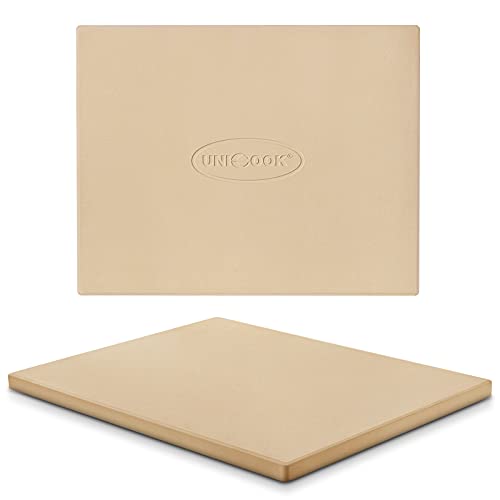
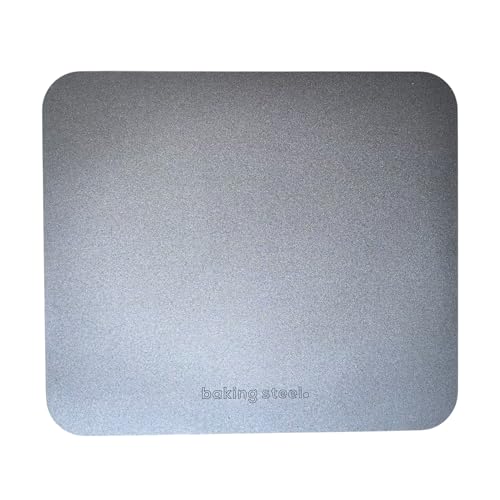
The five tools that do the work in every method on this site: a slab that stores heat, something to launch with, a way to read the surface, and a clean cut.


In this guide
The recipe at a glance
For one 10 to 12 inch cast iron skillet. A 10 inch pan gives a thicker crust, a 12 inch pan a slightly thinner one. Double everything for two skillets, or for one 15.5 x 10.5 inch rectangular cast iron pan.
| Ingredient | Grams | US measure | Baker's % |
|---|---|---|---|
| Bread flour | 200 g | about 1 2/3 cups | 100% |
| Water, room temperature | 140 g | 1/2 cup plus 1 1/2 tbsp | 70% |
| Fine salt | 4 g | 3/4 tsp | 2% |
| Instant yeast | 2 g | 3/4 tsp | 1% |
| Olive oil, in the dough | 4 g | 1 tsp | 2% |
| Olive oil, in the pan | 27 g | 2 tbsp | not in dough |
The dough weighs about 350 g. In a 10 inch skillet, about 78.5 square inches, that is roughly 4.5 g per square inch; in a 12 inch pan, about 113 square inches, roughly 3.1 g per square inch. Either is well above a thin round, which is what a pan pizza is meant to be. The arithmetic is in how much dough per pizza.
| Stage | Time | Where |
|---|---|---|
| Mix | 5 min | Bowl |
| Bulk ferment | 8 to 24 hours | Room temperature, or fridge up to 3 days |
| Pan proof | about 2 hours | Oiled skillet, covered |
| Preheat | last hour of proof | Oven at 550°F |
| Bake | 12 to 15 min | Lower third rack |
| Stovetop finish if needed | 1 to 3 min | Medium heat |
Equipment
The pan is most of the recipe. Cast iron holds a large amount of heat and passes it steadily into the oiled base, which is what fries the crust. The full comparison is in our best cast iron pizza pan guide.
- Lodge 10.25 inch cast iron skillet: the pan this recipe is built around. It holds 350 g of dough at a thick, airy depth, and its walls are tall enough to contain the oil and the cheese edge.
- Lodge 12 in Dual Handle Cast Iron Pan: the alternative for a slightly thinner crust, a 12 inch pan with a low rim and two loop handles, which makes a heavy, oil filled pan easier to move in and out of a hot oven than a long handled skillet.
- Lodge 15.5 x 10.5 in Cast Iron Baking Pan: for a double batch made as one rectangular, Sicilian shaped pan pizza.
- Lodge leather gloves: a cast iron pan at 550°F, holding hot oil, is the most dangerous thing in this recipe. Forearm length gloves make the stovetop finish safer.
Any well seasoned 10 or 12 inch cast iron skillet you already own works the same way, and a kitchen scale makes the 2 g yeast measure reliable. Carbon steel pans and dark Detroit pans also work; a Detroit pan gives a rectangular version with taller sides, covered in our Detroit style pizza recipe.
Why the no knead method works
Time replaces kneading. Gluten forms when flour proteins are hydrated and given time to link up. Kneading speeds that up mechanically. In a wet dough, around 70 percent hydration, the proteins are mobile enough to organize themselves slowly, and over 8 to 24 hours the dough goes from a shaggy mass to a smooth, extensible one with no work at all. The same long fermentation also builds flavor. The time question is covered in cold ferment vs same day pizza dough.
Oil and iron fry the base. Two tablespoons of oil in a heavy pan means the bottom of the crust is shallow frying, not just baking. Cast iron stores enough heat that it does not cool much when the dough goes in, so the oil stays hot and the base comes out crisp and golden. A thin aluminum cake pan cannot do that.
The pan proof builds the crumb. Proofing directly in the pan lets the dough relax into the shape and fill with gas without being handled again, so the bubbles survive into the oven. That is where the tall, open interior comes from.
Baking: home oven and pizza oven
| Setup | Temperature | Time | Notes |
|---|---|---|---|
| Home oven | 550°F | 12 to 14 min | Lower third rack |
| Home oven, max 500°F | 500°F | 14 to 17 min | Plan on the stovetop finish |
| Home oven, pan on a preheated steel | 550°F | 11 to 13 min | Steel on the lowest rack |
| Pizza oven, flame low | 550 to 650°F floor | 8 to 12 min | Rotate the pan every 2 to 3 min |
A pan pizza is a moderate, longer bake. In a pizza oven at full 850°F heat, the iron and oil on the floor will scorch the base and the flame side of the cheese long before the thick center cooks. Turn the flame down, let the floor settle to around 550 to 650°F, check it with an infrared thermometer, and rotate the pan often. Check that the pan fits through the oven mouth with its handles before you build the pizza. General settings are in our pizza oven temperature chart, and home oven technique in how to make pizza in a regular oven.
Toppings for a thick crust
- Cheese to the edge. Spread the mozzarella right to the pan wall. Where it touches the iron it fries into a crisp, browned rim, the same idea as the Detroit cheese crust.
- Low moisture mozzarella. Use shredded or torn low moisture whole milk mozzarella. Fresh mozzarella releases water into a thick crust and leaves it soggy.
- Thick sauce. A cooked sauce, or crushed tomatoes drained of excess liquid, stays put. About 80 to 100 g is enough for a 10 to 12 inch pan.
- Pepperoni on top. Unlike Detroit, where it goes under the cheese, pepperoni on a pan pizza usually goes on top so it cups and crisps.
- Precook wet vegetables. Mushrooms, peppers and onions release water. Saute them first.
Common problems
Pale, soft bottom. The oven or pan was not hot enough, or there was too little oil. Use the full 2 tbsp of oil, bake on a low rack, and use the stovetop finish. The general causes are in why is my pizza soggy in the middle.
Dense, bready crumb. Underproofed in the pan. Give it the full 2 hours, longer in a cold kitchen, until it is visibly puffy.
Dough will not spread to the edges. The gluten is tight. Leave it 20 minutes and press again rather than forcing it.
Burnt bottom. The pan sat on the lowest rack of an oven with a bottom element, or in a pizza oven at full heat. Move it up a rack, or lower the pizza oven flame. More on that in why is my pizza burnt on the bottom.
How to Make Cast Iron Pan Pizza
- 1
Mix the dough the day before
In a bowl, combine 200 g bread flour, 4 g salt and 2 g instant yeast. Add 140 g room temperature water and 4 g olive oil and stir with a spoon or your hand until there is no dry flour left. It will be sticky and rough. Do not knead it.
- 2
Ferment 8 to 24 hours
Cover tightly and leave it at room temperature for 8 to 24 hours. It will rise, bubble and turn smooth and stretchy on its own. For a 2 to 3 day hold, refrigerate it after the first 2 hours and give it 2 hours at room temperature before using.
- 3
Oil the skillet and add the dough
Pour 2 tbsp (27 g) olive oil into a 10 to 12 inch cast iron skillet and spread it over the bottom and sides. Flour your hands, lift the dough out, shape it loosely into a ball, and set it in the pan. Turn it once so both sides are oiled, then press it into a flat disk.
- 4
Proof in the pan
Cover the skillet and leave it at warm room temperature for about 2 hours. After the first 30 to 45 minutes, press the dough out toward the edges with your fingertips. By the end it should fill the pan and look puffy. Preheat the oven to 550°F, or its maximum, with a rack in the lower third, for the last hour.
- 5
Top
Press your fingertips into the dough to pop any very large bubbles. Spread 80 to 100 g sauce, leaving a thin border, then scatter about 140 g shredded low moisture mozzarella all the way to the edge so it touches the pan. Add toppings.
- 6
Bake
Bake for 12 to 15 minutes, until the cheese is browned in spots and the edges are dark golden where they meet the iron.
- 7
Check the bottom and finish
Lift an edge with a thin spatula. If the bottom is golden and crisp, slide the pizza onto a rack. If it is pale, set the skillet on a stovetop burner over medium heat for 1 to 3 minutes, checking often, until it crisps. Rest 2 minutes before cutting.
Ready to buy? Start with our top picks
Whatever this guide steered you toward, here's where most readers land. Live price check on each.
- Check price on Amazon

- Check price on Amazon

- Check price on Amazon

- Check price on Amazon

- Check price on Amazon

- Check price on Amazon

As an Amazon Associate we earn from qualifying purchases, at no cost to you.
Frequently asked questions
What is pan pizza?
Pizza baked in an oiled pan rather than directly on a stone or oven floor. The dough proofs in the pan and the oil shallow fries the bottom, giving a thick, airy crust with a crisp, golden, almost fried base. Cast iron, Detroit pans and rectangular sheet pans are all used.
How do you make pizza in a cast iron skillet?
Make a wet dough and ferment it 8 to 24 hours, press it into a skillet with 2 tbsp olive oil, proof about 2 hours until it fills the pan, top with sauce and cheese to the edges, and bake at 550°F on a lower rack for 12 to 15 minutes. Finish on the stovetop if the bottom needs more color.
What temperature do you cook cast iron pizza at?
550°F, or your oven's maximum, on the lower third rack for 12 to 15 minutes. At 500°F, expect 14 to 17 minutes and plan on a short stovetop finish to crisp the base.
How much oil do you put in a cast iron pan for pizza?
About 2 tbsp (27 g) for a 10 to 12 inch skillet, spread over the bottom and sides. It seems like a lot, but the crust shallow fries in it, which is what makes a pan pizza crisp.
Do you preheat the cast iron skillet for pan pizza?
Not for this method. The dough proofs in the cold, oiled pan and both go into a fully preheated oven together. The heavy iron heats up quickly in a 550°F oven, and the stovetop finish covers any shortfall on the bottom.
Can you make pan pizza without kneading?
Yes, that is the point of the no knead method. A 70 percent hydration dough left 8 to 24 hours develops its gluten through time instead of kneading. Just mix until no dry flour remains.
Can you put a cast iron pan in a pizza oven?
Yes, if it fits through the opening with its handles. Turn the flame low and let the floor settle to around 550 to 650°F, then rotate the pan every 2 to 3 minutes. At full heat the base burns before the thick center cooks.
Keep reading
Best Cast Iron Pizza Pan
Round, dual handle and rectangular cast iron pans compared.
Best Detroit Style Pizza Pan
For the rectangular, cheese walled cousin of the cast iron pan pizza.
Cold Ferment vs Same Day Pizza Dough
How fermentation time changes flavor and structure.
Pizza Dough Hydration Explained
Why pan doughs run wetter, and what water does in the oven.
The Bake, free weekly
Price drops worth knowing about, technique that matters, and every new review.